
Reviewed · ATTRACTION TICKETS IN INNSBRUCK
Innsbruck: Tickets for Schloss Ambras
History gets wonderfully strange here. Schloss Ambras lets you see the collecting passion of Renaissance prince Ferdinand II through unusual art, rare armor, scientific instruments, and Habsburg portraits. I especially like the Chamber of Art and Wonders, where a coral object, an ivory carving, a compass attachment, a bowl from the Ryukyu Islands, and portraits of people once considered miracles share the same collection. I also like the armories, which turn military history into something visual and memorable.
The main consideration is that the $16 ticket covers admission only. An audio guide or guided tour costs extra, so you will need to read the displays carefully or arrange a private guide if you want more explanation. Still, the one-day ticket offers very good value for anyone interested in art, unusual objects, dynastic history, or family-friendly museum stops. A current overall rating of 4.6 out of 5 also fits the experience: it is easy to arrange, practical, and interesting for adults and children alike.
In This Review
- Key things to know before visiting
- Why Schloss Ambras feels different from a standard palace visit
- The Chamber of Art and Wonders, where odd objects make history memorable
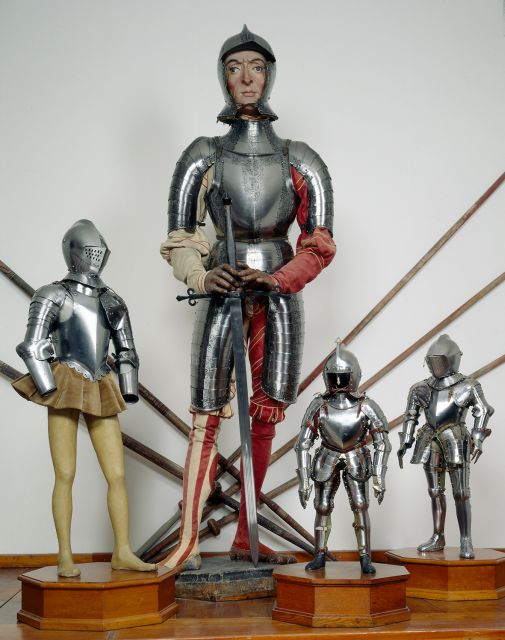
- The Armories, from tournament spectacle to military power
- The Habsburg portrait gallery and its long family record
- A practical way to plan your one-day visit
- What the $16 price really gets you
- Who will enjoy Schloss Ambras most
- Final decision: book it for unusual art and a flexible museum visit
- FAQ
- Where is Schloss Ambras located?
- How much does admission cost?
- How long is the ticket valid?
- What is included with the ticket?
- Is an audio guide included?
- Is a guided tour included?
- What can I see in the Chamber of Art and Wonders?
- What can I see in the armories?
- Can I cancel the booking for a refund?
Key things to know before visiting
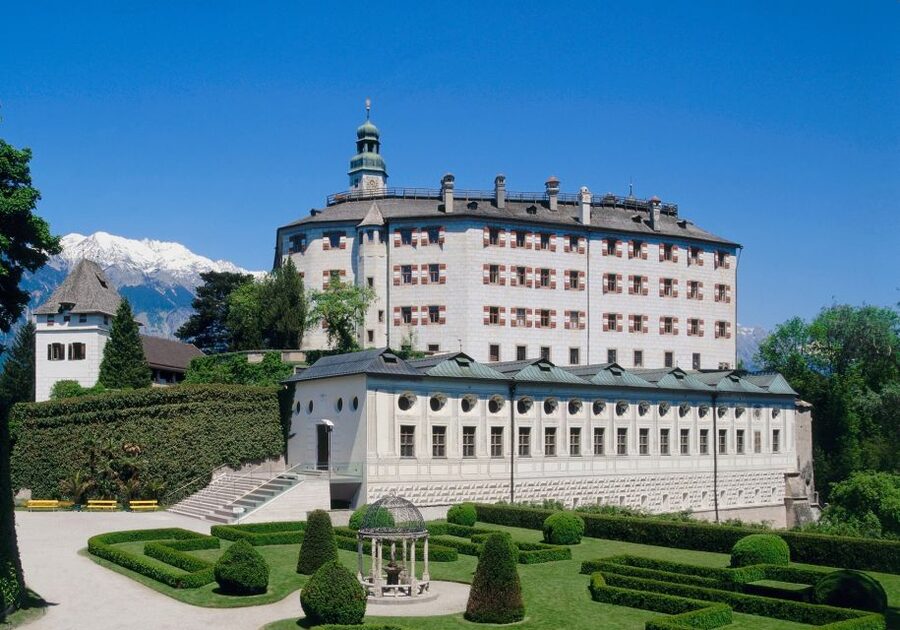
- Ferdinand II’s collection is the real star: Schloss Ambras preserves the interests of a Renaissance prince who gathered art, science, objects from faraway places, armor, portraits, and curiosities.
- The Chamber of Art and Wonders is unlike a standard gallery: You will find coral, ivory, unusual musical instruments, games, scientific objects, and portraits of people once described as miracles.
- The armories cover more than battlefield gear: Look for tournament armor, ceremonial armor, famous generals’ armor, and the Turkish Chamber.
- The Habsburg portrait gallery spans centuries: More than 200 paintings range from the time of Albrecht III to the reign of Emperor Franz II, also known as Franz I.
- Major artists are represented: The collection includes works associated with Lukas Cranach, Giuseppe Arcimboldo, Peter Paul Rubens, Anton van Dyck, and Diego Velázquez.
- The ticket is flexible for one day: Admission is valid for one day, and cancellation is allowed up to 24 hours before the visit for a full refund.
Why Schloss Ambras feels different from a standard palace visit
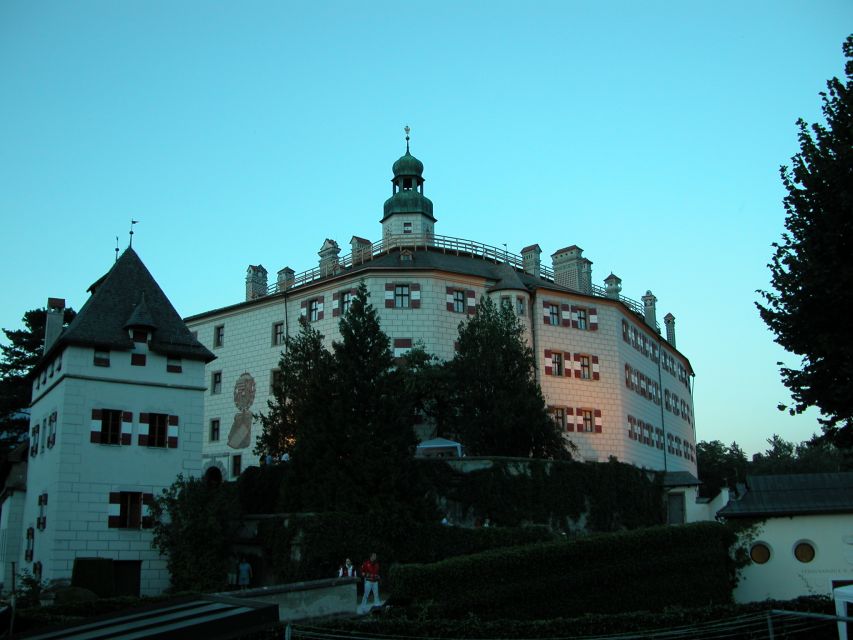
Many palace museums ask you to admire rooms, furniture, and grand decoration. Schloss Ambras gives you that sense of courtly life, but its strongest appeal is more personal. You are seeing what Ferdinand II wanted to collect and display.
That makes the visit feel like a window into one person’s curiosity. He did not limit himself to paintings or weapons. His collection reached from fine art to science, nature, distant cultures, music, games, and human oddities. The result is less tidy than a modern museum collection, and that is part of its charm.
I like this kind of museum because it rewards curiosity rather than specialist training. You do not need to know every Habsburg ruler or identify every artist. A strange object can catch your attention first, then its story can lead you into the world that produced it.
The collection also gives you a useful sense of Renaissance thinking. The Chamber of Art and Wonders aimed to represent the whole known world, at least as a European prince understood it in the 16th century. Art, science, nature, and distant cultures were placed side by side. To modern eyes, this arrangement can feel surprising, but it explains how collecting once worked.
More Attraction Tickets in Innsbruck
- Top of Innsbruck: Roundtrip Cable Car Ticket
★ 4.8 · 701 reviews - Innsbruck Swarovski Crystal Worlds Ticket and Transfer
★ 4.6 · 658 reviews - Combi Entrance Ticket to Alpine Zoo and Hungerburg
★ 4.5 · 637 reviews
The Chamber of Art and Wonders, where odd objects make history memorable
Start with the Kunst- und Wunderkammer, or Chamber of Art and Wonders. This is the part of Schloss Ambras most likely to stay in your memory because it refuses to fit into one simple category.
You might see finely made objects of ivory, examples of coral, scientific devices, games, musical instruments, and objects brought from distant regions. The collection includes an attachment with a compass and a Ryukyu bowl, showing how practical science and foreign craftsmanship could attract the same collector.
The Tödlein is another notable work. Its name refers to a small death figure, and it represents the period’s interest in mortality and the fragile nature of life. The collection’s appeal often comes from this blend of beauty and unease. A finely made object may also carry a reminder of death, illness, human limits, or the unknown.
The portraits of people once considered miracles require a little patience. The hairy man, known as the Haarmensch, is one of the unusual examples connected with the collection. Today, such a portrait raises questions about how people with uncommon physical characteristics were treated and displayed. In Ferdinand’s time, the image could be presented as evidence of the world’s wonders.
I would give this section your best attention instead of rushing through it. The objects are small and varied, so a quick walk can leave you with only a blur of curiosities. Take time to notice materials, craftsmanship, and the ideas behind the collection.
This room should suit families particularly well. Children may respond quickly to the unusual objects, strange portraits, instruments, and games. Adults can use those same items to discuss science, belief, travel, and the way people in the Renaissance tried to classify the world.
The Armories, from tournament spectacle to military power
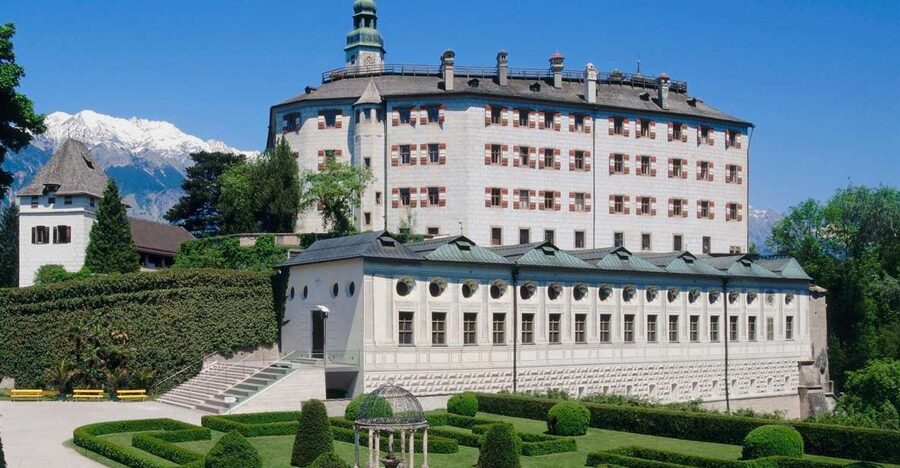
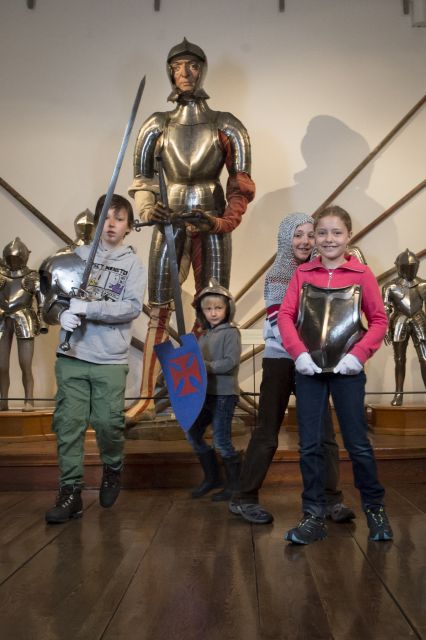
The armories provide a change of mood. Here, the collection shifts from curious objects to armor connected with public ceremony, competition, and war.
Rare tournament armor shows how combat could also function as courtly display. Tournaments were not simply practical military exercises. They were occasions for status, skill, pageantry, and public performance. Armor made for these events could be elaborate because the wearer needed to project power as well as protect the body.
Ceremonial armor for courtly festivals makes the same point from another angle. It was not necessarily made for ordinary fighting. Its purpose could include representation, ceremony, and visual impact. When you look at it with that in mind, the armor becomes more than a heavy suit of metal. It becomes clothing for a political stage.
The collection also includes armor associated with famous generals. These pieces bring the subject closer to real military leadership, though the museum’s appeal is not based on battlefield action alone. You are looking at the status, technology, and public image of powerful men.
The Turkish Chamber, or Türkenkammer, adds another layer. It documents both fear of the Turks and European fascination with the Orient during the 16th century. That combination is important. The objects reflect military anxiety, but also curiosity and admiration for cultures beyond the Habsburg world.
I would encourage you to think critically as you view this section. The collection tells you about Ferdinand II’s world, including its political tensions and its fascination with foreign places. It does not present a neutral modern account of those cultures, and that is worth remembering.
The Habsburg portrait gallery and its long family record
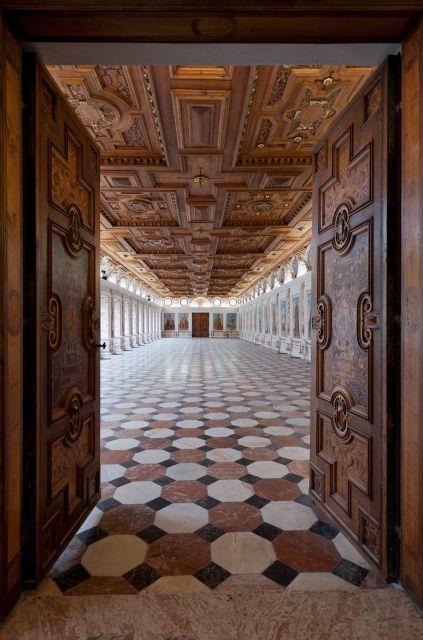
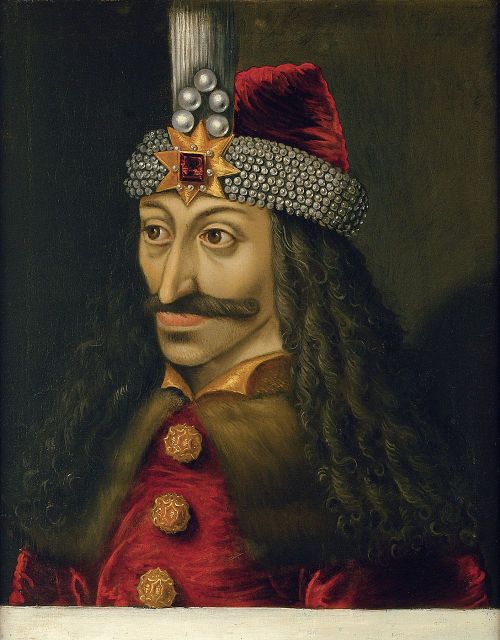
The Habsburg portrait gallery contains more than 200 paintings. Its timeline stretches from Albrecht III, who lived from 1349 to 1395, to Emperor Franz II, also known as Franz I, who lived from 1768 to 1835.
That range gives the gallery a special purpose. You are not simply looking at attractive portraits. You are watching a dynasty present itself across generations. Clothing, posture, facial expression, symbols, and setting all help communicate rank and family connection.
The gallery includes major names such as Lukas Cranach, Giuseppe Arcimboldo, Peter Paul Rubens, Anton van Dyck, and Diego Velázquez. You might recognize the differences in style even if you do not know the artists well. Cranach’s work belongs to an earlier period, while Rubens and Van Dyck bring a later courtly energy. Arcimboldo is especially memorable for his imaginative portraits assembled from natural forms.
With more than 200 paintings, this section can feel substantial. If portrait galleries usually tire you, set a reasonable limit rather than trying to study every canvas. Choose a few portraits from different periods and compare how royal identity changes over time.
If you enjoy dynastic stories, this may be your favorite part of the visit. If your interest is mainly in strange objects or armor, you might prefer to spend less time here. The good news is that the ticket gives you a full day, so you do not need to make the museum fit into a hurried single pass.
A few more trips of this kind worth comparing:
- Tyrolean Evenings Family Gundolf in Innsbruck
★ 4.7 · 975 reviews - Innsbruck: City Card Including Public Transport
★ 4.7 · 437 reviews - Tyrolean Folk Show Ticket in Innsbruck
★ 4.5 · 429 reviews - Innsbruck: Alpenzoo & Top of Innsbruck Combination Ticket
★ 4.6 · 362 reviews
A practical way to plan your one-day visit
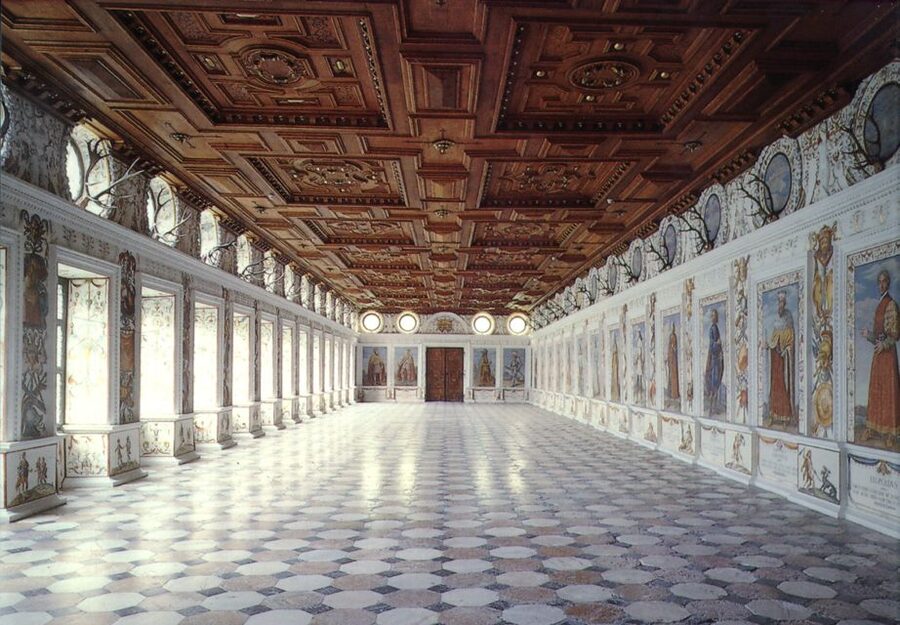
Your admission is valid for one day, which gives you useful flexibility. You can plan Schloss Ambras as a main cultural stop or fit it around other time in Innsbruck. The supplied information does not give a fixed tour duration or required starting time, so check current availability before you reserve.
The address is Schlossstrasse 20, 6020 Innsbruck. You will need to arrange your own way to the castle, since the ticket includes admission but does not list transportation.
I would allow enough time for the three major collection areas: the Chamber of Art and Wonders, the armories, and the Habsburg portrait gallery. The exact amount depends on how closely you read the displays, but the broad range of material makes this more than a quick photo stop.
A sensible approach is to begin with the chamber of wonders while your attention is fresh. Its objects are varied and often small, so they reward close looking. Then move to the armories for a more direct visual contrast. Finish with the portrait gallery if you enjoy tracing people and periods, or visit it earlier if dynastic art is your main interest.
Since the ticket is valid for a day rather than a narrow time slot, you have room to set your own pace. That is helpful if you are visiting with children or with someone who prefers not to rush through museums.
What the $16 price really gets you
At $16 per person, the admission is a reasonable buy for the amount and range of material on display. You are not paying to see one famous room or a single painting. You are paying for access to an entire collection built around art, science, military culture, dynastic portraiture, and Renaissance curiosity.
The strongest value comes from the variety. If one section does not appeal to you, the next may. A child who ignores royal portraits may pay close attention to armor and unusual objects. An adult who finds military displays repetitive may enjoy the Habsburg paintings or the strange logic of the wonder collection.
The price does not include an audio guide or guided tour. That matters because the museum’s objects are not always self-explanatory. A compass attachment, a bowl from the Ryukyu Islands, or a portrait of a person considered a miracle can raise questions that a short label may not fully answer.
You can visit independently, but a private tour guide is allowed. For group arrangements, one guide receives free admission only when accompanying a group of at least 10 people. Groups with fewer than 10 people do not receive free admission for a guide under this arrangement. An additional guide and an accompanying person pay the regular visitor price.
State-certified tourist guides always receive free admission. If you are organizing a group, confirm the guide rules before booking so the final cost is clear.
The option to reserve now and pay later adds practical value if your Innsbruck schedule is still changing. You can also cancel up to 24 hours in advance for a full refund. Those terms reduce the risk of fitting the castle into a busy trip.
Who will enjoy Schloss Ambras most
I would recommend this experience to you if you like museums with a strong personality. The collection is not just a line of polished rooms. It reflects one ruler’s interests, including his appetite for rare, unfamiliar, beautiful, useful, and unsettling objects.
Families should consider it because the material is easy to approach at different levels. Children may notice the armor, games, musical instruments, and unusual portraits. Adults can spend more time on the political and cultural meaning behind the displays.
Art lovers have plenty to see, especially in the portrait gallery and among works linked with major European artists. People interested in military history will find more than weapons, including tournament armor, ceremonial pieces, generals’ armor, and the Turkish Chamber.
You may want to choose another attraction if you need a guided experience included in the ticket, or if you prefer a highly structured visit with a fixed route. Here, you are buying entry and setting your own pace.
The strong 4.6 out of 5 rating is supported by the practical side of the visit. The experience has been described as easy and positive, and one recent booking specifically found it interesting for children. That combination matters: Schloss Ambras can satisfy serious museum interests without becoming too formal for a family afternoon.
Final decision: book it for unusual art and a flexible museum visit
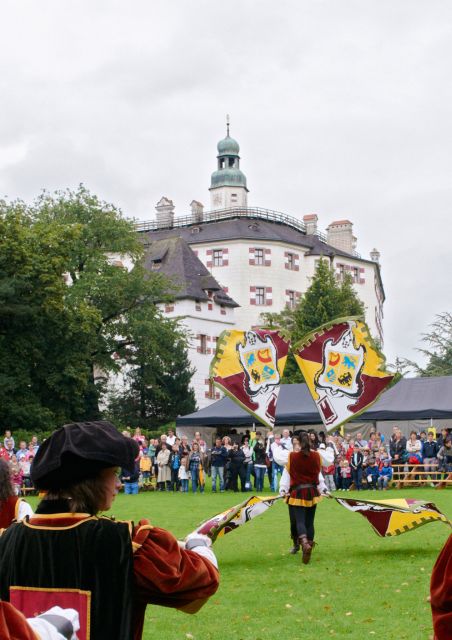
I would book Schloss Ambras if you have an interest in Renaissance collecting, Habsburg portraits, armor, or objects that make you stop and ask what you are looking at. The Chamber of Art and Wonders alone gives the visit a character that many palace museums lack.
The $16 admission is fair because it covers several distinct collections rather than one narrow exhibit. You should go in knowing that interpretation beyond the basic visit is not included, so add a private guide or audio guide only if you want more context.
Book it especially if you are traveling with children, enjoy odd museum discoveries, or want a cultural stop that can be taken at your own speed. Skip it only if you have very little interest in art, dynasties, armor, or historical curiosities. For most visitors with a free day in Innsbruck, Schloss Ambras is a worthwhile and pleasantly unusual choice.
FAQ
Where is Schloss Ambras located?
Schloss Ambras is at Schlossstrasse 20, 6020 Innsbruck, in Tyrol, Austria.
How much does admission cost?
The listed price is $16 per person.
How long is the ticket valid?
The ticket is valid for one day.
What is included with the ticket?
Admission to Schloss Ambras in Innsbruck is included.
Is an audio guide included?
No. An audio guide is not included in the admission ticket.
Is a guided tour included?
No. A guided tour is not included, although you may come with a private tour guide.
What can I see in the Chamber of Art and Wonders?
You can see objects made from ivory and coral, scientific objects, items from distant countries, unusual musical instruments, games, rare natural products, and portraits of people once considered miracles.
What can I see in the armories?
The armories include rare tournament armor, ceremonial armor for courtly festivals, armor associated with famous generals, and Ferdinand II’s Turkish Chamber.
Can I cancel the booking for a refund?
Yes. You can cancel up to 24 hours in advance for a full refund.
Just added around Innsbruck
- CITY QUEST INNSBRUCK: uncover the secrets of this city!★ 5.0 · 3 reviews
- Innsbruck: Christmas Tour with a licensed guide★ 5.0 · 3 reviews
- Innsbruck Old town walking tour★ 4.5 · 3 reviews
- Linderhof palace from Innsbruck, drive and guide★ 4.5 · 3 reviews
- Private Eagle’s Nest Tour from Innsbruck with tour ending in Salzburg★ 5.0 · 4 reviews
- Innsbruck: Express Walk with a Local in 60 minutes★ 5.0 · 4 reviews
- Innsbruck Old Town Highlights Private Walking Tour★ 5.0 · 4 reviews
- Innsbruck: Walking Traditional Food Tour★ 5.0 · 4 reviews
Attraction Tickets in Innsbruck, compared.


Innsbruck Swarovski Crystal Worlds Ticket and Transfer
Read our review →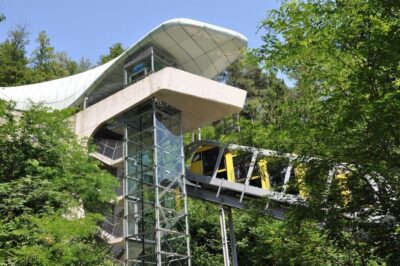
Combi Entrance Ticket to Alpine Zoo and Hungerburg
Read our review →


Alpine Zoo Innsbruck and Hungerburg Funicular Combo Ticket
Read our review →
Browse the lists this tour appears in