
Reviewed · WINE TOURS
Vienna: Austrian Wine Tasting
Vienna pours more than white wine. This small-group tasting introduces Austria’s main wine regions, styles, and grape varieties in a friendly shop setting, with six generous pours and an opening glass of Frizzante. I like the intimate limit of eight people, and I like that Rudi, a graduate of the Wine Academy, explains both the wines and the basics of tasting instead of simply handing you a glass.
The tasting costs $81 per person, which is fair if you value instruction and generous servings, though it is more than a casual glass of wine at a Vienna bar. The schedule is described as roughly 1.5 to 2 hours, and there is no hotel pickup. One important caution: a past booking was cancelled because of a medical emergency without the customer being notified in time, so check your messages and booking status before setting out.
In This Review
- Key points before you book
- Why Austrian wine makes a good Vienna tasting
- Arriving at Bruno-Marek-Allee 11
- The opening Frizzante sets the tone
- Learning how to taste six wines
- The three named wines to expect
- Why the small group improves the tasting
- Is $81 good value?
- Who will enjoy this experience most
- Timing your visit around the Prater
- My verdict on Weinshop Weinrudi
- FAQ
- Where does the Austrian wine tasting take place?
- How long does the tasting last?
- How many wines are included?
- Is food included?
- What languages are available?
- Is the activity wheelchair accessible?
- Can I cancel for a refund?
Key points before you book
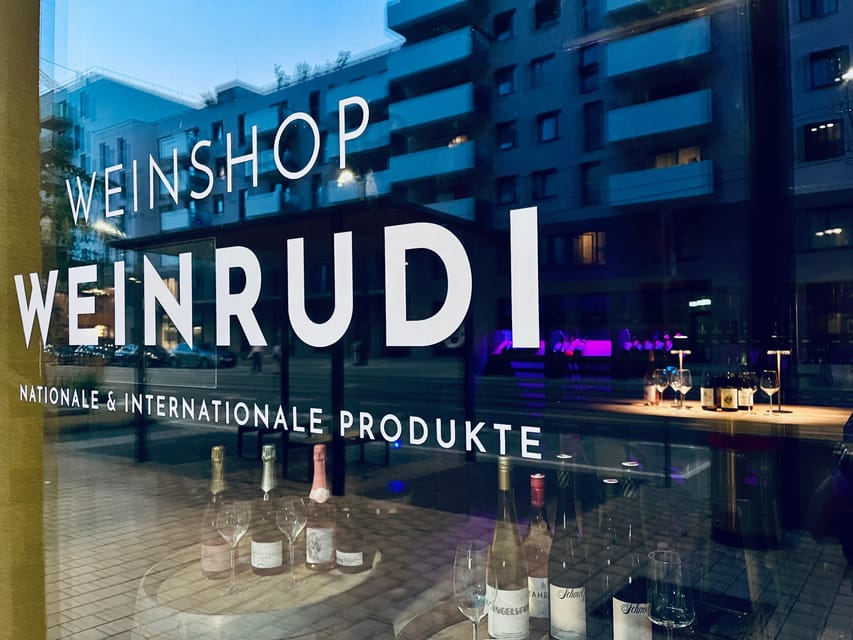
- Six Austrian wines in one sitting: The tasting covers famous varieties and styles from Vienna, the Wachau, and Kremstal.
- Rudi leads the session: His Wine Academy training gives the presentation a useful educational backbone, while his easygoing manner keeps it from feeling like a class.
- Small group, maximum eight people: You get a better chance to ask questions and compare impressions than on a large wine tour.
- Food is included: Bread, snacks, and water accompany the welcome Frizzante and six wine tastings.
- Convenient Second District location: Weinshop Weinrudi is at Bruno-Marek-Allee 11, near the Prater and Giant Ferris Wheel.
- Plan for a substantial tasting: The pours are described as generous, and one evening session expanded beyond the planned six wines.
Why Austrian wine makes a good Vienna tasting
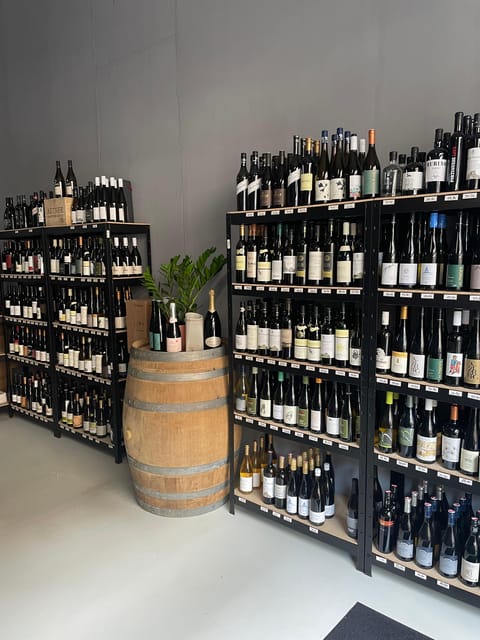
Austria is easy to underestimate as a wine country. Many visitors know Grüner Veltliner, perhaps Riesling, and little else. A guided tasting helps you place those names on a map and understand why wines from Vienna can taste different from wines grown in the Wachau or Kremstal.
This experience keeps the regional introduction short. That is useful if you want a clear orientation rather than a long lecture on soil types and winemaking regulations. You learn enough to recognize the main growing areas and then taste examples from them.
The focus is on Austrian wine, but Rudi’s wider knowledge can add value. During one particularly conversational session, he was able to discuss French wine when St. Emilion came up, and he also offered a Spanish wine that was already open. That is not part of the guaranteed program, so you should book this for the six Austrian wines, not for surprise extras. Still, it shows how the experience can become a relaxed conversation for people who already know a little about wine.
More Food and Drink Tours in Vienna
- Vienna: Chocolate Workshop in Chocolate Museum w/ Tasting
★ 4.5 · 1,802 reviews - Vienna for Food Lovers: Cafés, Markets & Austrian Cuisine
★ 5.0 · 1,063 reviews - Wachau Valley Wine Tasting Bike Tour from Vienna
★ 5.0 · 829 reviews
Arriving at Bruno-Marek-Allee 11
You meet directly at Weinshop Weinrudi, at Bruno-Marek-Allee 11 in Vienna’s Second District. There is no pickup service, so you need to make your own way to the shop and arrive at the stated starting time.
The location works well with a day around the Prater. Vienna’s Giant Ferris Wheel is nearby, and the area gives you an easy pairing: ride the wheel or visit the amusement park, then sit down with Austrian wine. You can also make the tasting a quieter break from the grand museums and imperial sights across central Vienna.
The listing says the shop will be open for the meeting. Still, I would keep the confirmation details with you, especially because of the past communication problem after a cancellation. The experience provider is Weinrudi, so look for the wine shop rather than expecting a tour bus or a guide holding a sign outdoors.
The activity is wheelchair accessible. The supplied information does not describe the exact seating layout, so if you need a particular arrangement, it is sensible to confirm that with the provider before booking.
The opening Frizzante sets the tone
The tasting begins with a welcome glass of Frizzante. This gives you an immediate introduction to Austria’s lighter, sparkling side before the still wines arrive.
Frizzante is a fitting aperitif because it is social and easy to drink. You can use those first few minutes to settle in, meet the small group, and get a sense of Rudi’s presentation style. The opening drink is included in the price, as are bread, snacks, and water.
The food matters more than it might seem. Wine tasting on an empty stomach is a poor plan, particularly when the pours are generous. Bread and snacks give you something to eat between wines, while water helps keep your palate and pace in check.
The available information describes the food as bread and snacks. One session included a platter of breads, meats, and cheese, but that fuller platter should not be treated as a guaranteed menu. Expect simple accompaniments, with the precise selection depending on the day.
Learning how to taste six wines
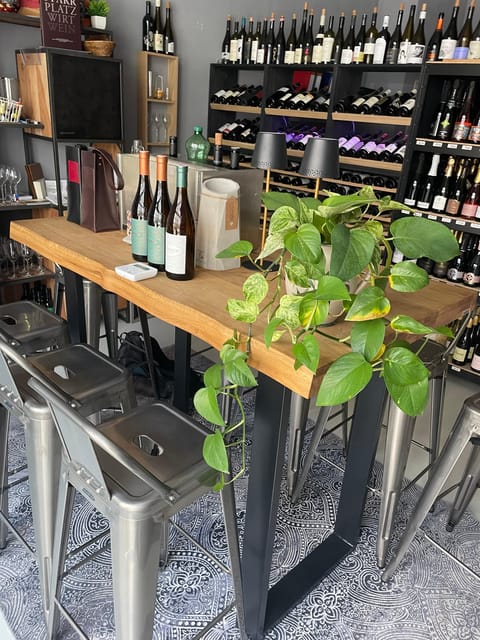
The main presentation introduces wine tasting techniques, Austrian regions, and representative wines from leading winemakers. You are not simply moving from one glass to the next. The point is to pay attention to appearance, aroma, taste, texture, and finish, then compare what changes from bottle to bottle.
That structure makes the tasting useful for beginners. You do not need a polished vocabulary or a working knowledge of wine labels. You can listen, taste, and ask why one wine feels crisp while another seems fuller or more textured.
The presentation is also brief enough for a holiday schedule. The planned tasting lasts about 1.5 hours in the itinerary, while the wider description says approximately two hours. In practice, the length may depend on the group’s questions and the host’s schedule. If you have a dinner reservation immediately afterward, allow extra time rather than treating the shorter estimate as a firm finish.
Rudi’s strength is the combination of information and warmth. The most positive comments describe him as friendly, funny, and highly informed about both wine and its history. That tone is important. Wine talk can become stiff or overly technical, but a relaxed host makes it easier for you to admit that you smell no apricot, pepper, or mineral character in the glass.
More wine tastings:
- Vienna: Swarovski House Tour with Champagne and Gift
★ 4.7 · 787 reviews - Countryside Half Day Wine Tour near Vienna
★ 5.0 · 545 reviews - Wachau Valley Small-Group Tour and Wine Tasting from Vienna
★ 5.0 · 540 reviews - From Vienna: Half-day Countryside Wine Tour with Meal
★ 4.7 · 526 reviews
The three named wines to expect
The wine selection is described as representative rather than fixed as a full menu, but three bottles are specifically named. They give you a useful route through Austria.
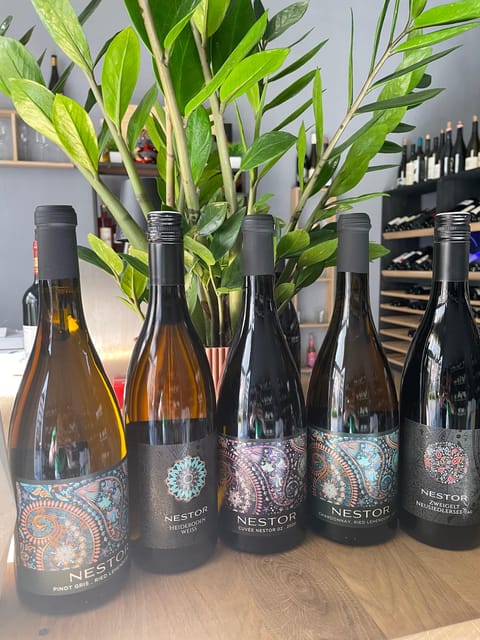
Wiener Gemischter Satz DAC represents Vienna itself. The name refers to a traditional field blend, where several grape varieties grow together and are harvested for one wine. It is a natural fit for this tasting because the bottle connects what is in your glass with the city outside the shop.
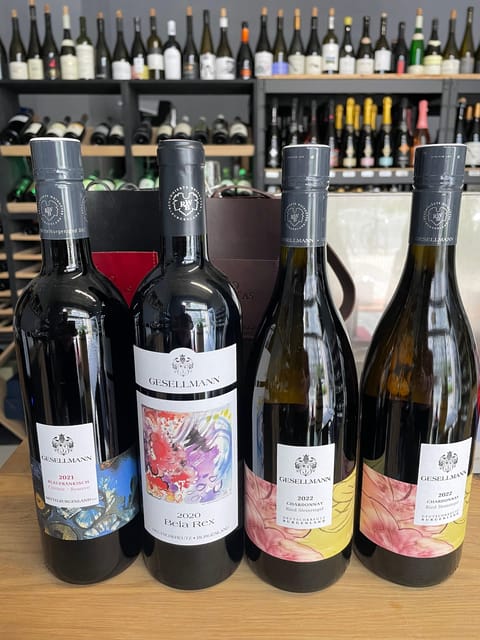
Grüner Veltliner Ried Pichl Point comes from the Wachau, one of Austria’s best-known wine areas. Grüner Veltliner is Austria’s signature white grape, and tasting a bottle from a named vineyard site lets you consider how place and production style affect the result.
Riesling Handwerk comes from Kremstal. This gives you a second major white grape and another point of regional comparison. The value is not just knowing the names. You can taste the wines side by side and begin to notice how grape variety and growing area create different profiles.
The remaining wines are selected from quality Austrian producers and award-winning winemakers, though the exact bottles are not listed. That gives the host room to present a strong mix, but it also means you should not book expecting a fixed six-bottle lineup. Wine availability can change.
Why the small group improves the tasting
The limit of eight participants is one of the strongest features. In a crowded tasting room, you may hear the presentation but have little chance to ask about a grape, region, or bottle you do not understand. With eight people or fewer, the session can respond to the group’s interests.
That small scale also allows the tasting to feel less like a formal performance. One session became an extended evening with twelve wines, a bottle bought to share, and conversation with friends of the host who stopped by. Again, that is an unusual extra, not part of the promised program. It does show the social character of the shop.
You should also understand the possible tradeoff. A small, host-led tasting may be less rigidly timed than a large commercial tour. If Rudi is managing another party, the room can change or the presentation can pause. That may frustrate you if you want a tightly controlled schedule, but it can suit you if you enjoy a more personal wine-shop experience.
Is $81 good value?
At $81 per person, the cost is not the cheapest way to taste Austrian wine. You could order individual glasses in Vienna for less, especially if you already know what you like. Those casual purchases, however, will not normally give you six planned examples, a Frizzante, food, water, regional context, and instruction in tasting methods.
The value is strongest for three types of people. First, beginners get a useful introduction without needing to commit to a full winery day outside Vienna. Second, wine fans can compare several Austrian regions and varieties in one place. Third, couples and small groups can enjoy a social afternoon where the educational part does not overwhelm the pleasure of drinking.
The generous pours deserve attention. A particularly enthusiastic account described five wines in the first 50 minutes and a total of twelve wines after the host added extra samples. That is not a reason to expect twelve pours, but it is a reminder to pace yourself. Eat the bread and snacks, drink the water, and do not plan a demanding activity afterward if you tend to feel wine quickly.
The price includes:
- A welcome glass of Frizzante
- Six glasses of Austrian wine
- Bread, snacks, and water
- A presentation in English or German
- A small-group format limited to eight participants
It does not include transportation to the shop or any bottle you decide to buy afterward.
Who will enjoy this experience most
I would choose this tasting if you want an introduction to Austrian wine without leaving Vienna. The regional coverage is compact, and the central focus on six quality wines gives you a better starting point than ordering a random glass at dinner.
It suits couples, friends, and solo visitors who enjoy talking with a host. The English and German language options make it accessible to a broad range of visitors, and the small group should feel comfortable for people who prefer conversation over a large tour setting.
It may not suit you if you do not drink alcohol, need a child-friendly activity, or want a winery visit in the countryside. Children under 18 are not permitted, and the experience is not suitable for pregnant women or people with a cold. Those restrictions are clear and should shape your decision before you book.
I would also think twice if you need a guaranteed, fixed bottle list. The named wines give you a good idea of the session, but the full selection may vary. Wine lovers who care about a particular producer should ask ahead rather than assume that a specific bottle will be poured.
Timing your visit around the Prater
The Second District location makes this easy to fit into a Vienna day. The Prater and Giant Ferris Wheel are nearby, so you can combine the tasting with one of the city’s most recognizable attractions.
I would avoid rushing from a museum across town. The tasting begins at the shop, and a calm arrival gives you time to find the address and settle in. Afterward, you can continue around the Prater or make a dinner plan nearby.
Because the tasting may last closer to two hours, leave breathing room. The food and generous pours make this more than a quick pre-dinner drink. It is best treated as a main afternoon or early evening activity.
Free cancellation is available up to 24 hours before the start for a full refund, and you can reserve now while paying later. Those terms are useful if your Vienna plans are still shifting. Even so, keep an eye on any provider messages, since prompt notice is especially important when an activity is run by a small independent shop.
My verdict on Weinshop Weinrudi
This is a strong choice for a first look at Austrian wine in Vienna. I like the short regional introduction, the named examples from Vienna, the Wachau, and Kremstal, and the chance to ask questions in a group of no more than eight. The included food and the welcome Frizzante also make the $81 price easier to justify.
The main cautions are practical. The tasting is not a countryside winery tour, the exact wine lineup can change, and the generous servings may leave you less steady than expected. You also need to get yourself to Bruno-Marek-Allee 11 and allow enough time for the session to run long.
Book it if you want friendly instruction, a broad Austrian sample, and a relaxed wine-shop setting. Skip it if you need child access, dislike alcohol-focused activities, or prefer to discover wine entirely on your own. For most wine-curious visitors, this offers a pleasant and useful introduction, with enough personality to make the lesson stick.
FAQ
Where does the Austrian wine tasting take place?
It takes place at Weinshop Weinrudi, Bruno-Marek-Allee 11, in Vienna’s Second District. The shop is near the Prater and the Giant Ferris Wheel.
How long does the tasting last?
The itinerary lists the wine tasting at 1.5 hours, while the main description gives an approximate duration of two hours. Allow extra time in case discussion or tasting continues longer.
How many wines are included?
The price includes six glasses of wine, along with a welcome glass of Frizzante. Additional wines are not guaranteed.
Is food included?
Yes. Bread, snacks, and water are included. A welcome glass of Frizzante is also included.
What languages are available?
The live guide can lead the experience in English or German.
Is the activity wheelchair accessible?
Yes, the activity is listed as wheelchair accessible.
Can I cancel for a refund?
Yes. You can cancel up to 24 hours in advance for a full refund. You can also reserve now and pay later, which keeps your plans flexible.
More Food and Drink Tours
- Vienna: Gerstner KuK Hofzuckerbäcker Baking Show & Tasting
★ 4.8 · 823 reviews - Authentic Vienna Food Tour inc. lunch, street food, 3 drinks
★ 5.0 · 749 reviews - From Vienna: Bratislava City Tour with Food Options
★ 4.0 · 451 reviews - Vienna: Wine Tasting Experience in a Private Wine Cellar
★ 4.8 · 413 reviews
Just added around Vienna
- Mobile puzzle rally tour at the Vienna Central Cemetery★ 4.5 · 3 reviews
- 8 days European Highlights PRIVATE TOUR from Budapest including Budapest Vienna Prague and Bratislava★ 5.0 · 3 reviews
- RAXI (E-Rickschaw) big private Vienna tour★ 4.5 · 3 reviews
- Private Transfer from Vienna to Prague with 1 hour Stop in Kutna Hora★ 4.5 · 3 reviews
- Palais Lobkowitz Audio Guide Tour★ 4.0 · 3 reviews
- Private Tour from Vienna to Melk and Dürnstein★ 4.5 · 3 reviews
- Vienna: Designer Fashion Time Capsule Experience★ 5.0 · 3 reviews
- Vienna Sight & Gourmet Tour – individual private tour★ 4.5 · 3 reviews
Wine Tours, compared.
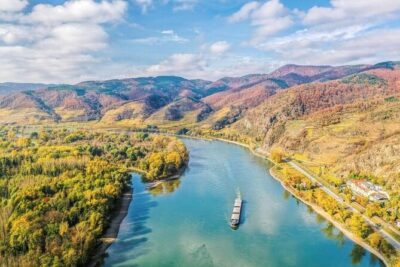
Wachau Valley Wine Tasting Bike Tour from Vienna
Read our review →
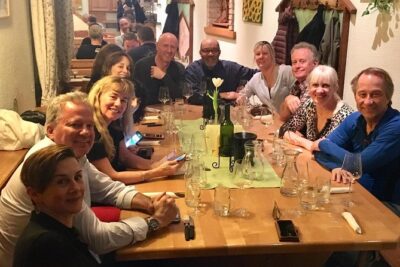
Wachau Valley Small-Group Tour and Wine Tasting from Vienna
Read our review →
Grape Grazing: Wachau Valley Winery Biking Tour
Read our review →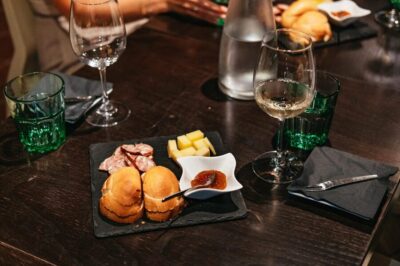
Wine Tasting Experience in a Private Wine Cellar
Read our review →
Browse the lists this tour appears in