
Reviewed · WALKING TOURS
Exclusive Vienna Old Town Highlights Walking Tour (max. 6 persons)
Vienna reveals itself on foot. This compact tour links the Opera, Imperial Crypt, St. Stephen’s Cathedral, and Hofburg while adding the small streets and stories you could easily miss alone. I especially like the six-person limit and the chance to choose between two daily start times. The main caution is price: at $151.23 per person, you are paying for personal attention and guiding, not museum admissions or a private car.
The route lasts about two and a half hours, though the listed stops are short, often just ten minutes each. That makes it a useful first look at central Vienna, but it is still an outdoor walking tour. In January, cold rain can make the experience less pleasant, so bring an umbrella and avoid carrying heavy luggage.
In This Review
- What makes this Vienna walk worth considering
- Albertinaplatz: an easy meeting point in the city center
- The Vienna State Opera and the price of a quick look
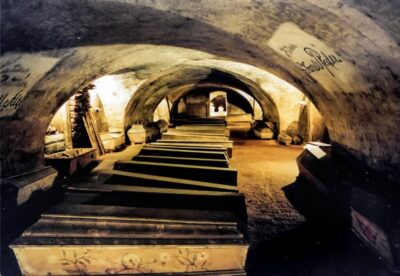
- Neuer Markt and the Imperial Crypt
- Ballgasse: where old Vienna feels more personal
- Stephansplatz and St. Stephen’s Cathedral
- The Hofburg and Habsburg stories
- Why the six-person limit changes the experience
- What $151.23 really buys you
- Timing, weather, and what to carry
- Who will get the most from this walk?
- My verdict on Good Vienna Tours
- Should you book it?
- FAQ
- How long does the Vienna Old Town walking tour last?
- How many people can join the tour?
- Where does the tour begin?
- Where does the tour end?
- Is the tour offered in English?
- Are admission tickets included?
- Is hotel pickup included?
- Can I cancel for a full refund?
What makes this Vienna walk worth considering
- A genuine small group: The tour is capped at six people, giving you room to ask questions and hear the guide clearly.
- A smart first-day route: Albertinaplatz, the State Opera, Neuer Markt, Ballgasse, Stephansplatz, and the Hofburg form a useful introduction to central Vienna.
- Guides with personality: Guides named Michael, Edi, Lisa, Ana, Siri, Biljana, Anastasia, and Antonia are praised for clear storytelling, humor, and flexibility.
- A good city orientation: You finish near the Opera, close to public transport, with a better sense of where the main sights sit.
- Accessible central streets: A guest using a mobility scooter found the sidewalks and streets manageable.
- A clear value question: This works best if you want conversation and context, not if you expect entry into several grand buildings.
Albertinaplatz: an easy meeting point in the city center
The tour begins at Albertinaplatz, where you look for a guide carrying a green umbrella. That detail matters in a busy central area. It gives you a simple visual marker instead of leaving you to scan every person near the square.
Albertinaplatz is also a sensible place to begin because it sits close to several major landmarks. You are starting in the middle of Vienna’s historic core, not spending the first part of the tour reaching it from an outer district.
The meeting point is near public transport, and the tour ends at the Vienna State Opera, in front of the building next to the tram station. Hotel pickup and drop-off are not included, so plan to reach Albertinaplatz on your own. Do not rely on the occasional account of a guide meeting someone at a hotel. That was not part of the stated service.
More Walking Tours in Vienna
- Vienna: Guided Walking Tour of City Center Highlights
★ 4.7 · 4,989 reviews - Vienna: Vienna Central Cemetery Guided Walking Tour
★ 4.8 · 3,307 reviews - Vienna: Guided Walking Tour of City Highlights & Hidden Gems
★ 4.9 · 2,180 reviews
The Vienna State Opera and the price of a quick look
The Vienna State Opera is the first major landmark on the route. Your guide explains its place in Vienna’s musical life and points out that it opened on May 25, 1869, with Mozart’s Don Giovanni, also known as Don Juan.
The stop is listed at about ten minutes. That is enough for a useful introduction and exterior views, but not enough for a full performance, backstage visit, or serious look inside. Admission is not included.
This is one of the tour’s recurring themes. You get a guided framework around important buildings, but the experience does not promise entry into them. If you want to see the Opera interior, you will need to arrange that separately.
The short stop can still be valuable. A good guide can explain why the building matters, connect it to Vienna’s imperial and artistic identity, and point out details you might otherwise walk past. Several guides are praised for making history easy to follow rather than turning the walk into a string of dates.
Neuer Markt and the Imperial Crypt
From the Opera, the route passes through Neuer Markt and by the Imperial Crypt. The crypt is the burial place of the Habsburg emperors, so this stop gives the walk a direct link to the dynasty that shaped Vienna and much of Central Europe.
The crypt is not included in the tour price, and the stop is listed as a pass-by rather than a full interior visit. That distinction is important. If you want to see the tombs, you will need a separate admission and more time than this walking route allows.
Neuer Markt also helps explain Vienna’s layered center. The city is not only palaces and churches. Squares, shops, food stops, and old routes through the center all fit into the story. A guide such as Edi may connect the Habsburg period with the later decline of the Austro-Hungarian Empire, while a guide such as Michael may add practical advice about cafés, places to eat, and avoiding long lines.
That kind of local guidance is one reason the small group can be worth the fee. You can stop and ask a follow-up question without holding up a coach full of people.
Ballgasse: where old Vienna feels more personal
Ballgasse is a short but appealing part of the route. It is described as one of the oldest parts of town, where food and history meet. Compared with the monumental Opera and Hofburg, this section gives you a closer look at Vienna’s smaller streets.
The value here depends heavily on your guide. A simple walk through an old lane can feel ordinary if nobody explains what you are seeing. With a good storyteller, it becomes a chance to understand how daily life, food, and old city planning fit beside imperial buildings.
Biljana is praised for asking questions, keeping explanations easy to follow, and choosing interesting stops. That style suits Ballgasse particularly well. You are not just collecting photographs of famous buildings. You are getting small pieces of context that help the center feel like a real city.
This may also be the best place to pause for practical needs. One account specifically noted useful restroom opportunities along the way. That is not a formal feature to count on, but it suggests the route is not an unbroken march through the center.
More walking tours:
- Vienna: Viennese Underworld Guided Walking Tour
★ 4.7 · 1,865 reviews - Vienna: World War II Historical Walking Tour
★ 4.8 · 1,772 reviews - Vienna Historic Center Small Group Walking Tour
★ 5.0 · 1,746 reviews - Vienna: Private Walking Tour with a Local Guide
★ 4.6 · 1,420 reviews
Stephansplatz and St. Stephen’s Cathedral
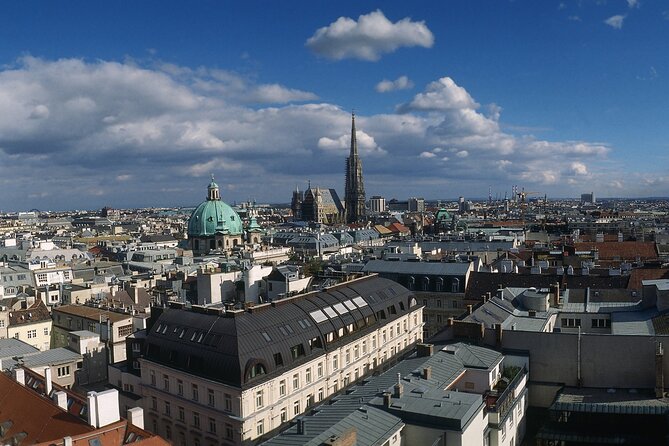
Stephansplatz brings you to Vienna’s most recognizable church, St. Stephen’s Cathedral. The cathedral’s patterned roof and tall profile make it an essential stop, even for a visitor with only one day in the city.
The listed time is about ten minutes, and admission is not included. You should treat this as an outside introduction unless your guide says otherwise on the day. The tour does not promise a cathedral visit, tower climb, or extended interior time.
Still, ten minutes can be enough to get the basics: what you are looking at, why the cathedral matters, and how it fits into the center around it. If you are planning to return later, this first look helps you decide whether the interior or tower deserves space in your schedule.
I like this arrangement for a first morning or afternoon. You get orientation without spending your whole day inside one attraction. I would not choose it as your only cathedral experience if St. Stephen’s is a top priority.
The Hofburg and Habsburg stories
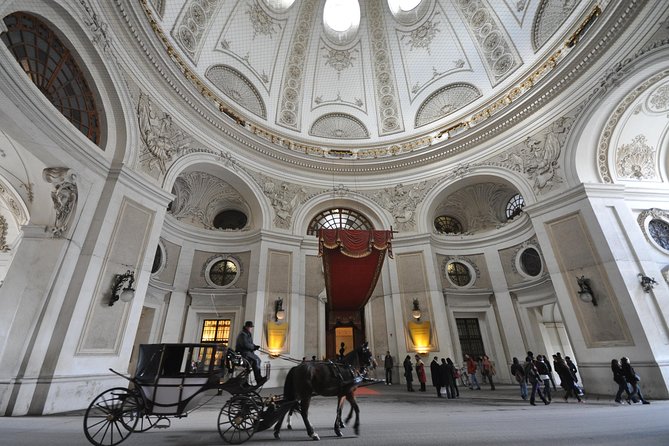
The Hofburg is the final major sight on the route. Here the guide turns to the Habsburg family, their empire, and the personal stories behind the grand buildings.
This is where the tour’s strongest feature comes through: human stories. Guides including Antonia, Anastasia, Lisa, and Edi are praised for adding humor, anecdotes, and clear explanations to the political history. You may hear about court life, family habits, Vienna’s social customs, and the role of balls and dancing in shaping the city’s grand interiors.
The Hofburg is a large complex with several museums and former imperial apartments. You will not see all of it in ten minutes, and admission is not included. Think of this stop as a preview that helps you choose a later visit.
The Habsburg story can become a blur of rulers and wars. A guide who explains cause and effect makes a big difference. Edi, described as Austrian-born, is praised for explaining Vienna’s role in Europe and the fall of the Austro-Hungarian Empire. That broader context gives the buildings more meaning than a list of names would.
Why the six-person limit changes the experience
A maximum of six people is the clearest reason to compare this tour with a standard city walk. You can ask questions, hear the guide, and adjust the conversation toward subjects you care about.
A small group also makes it easier for the guide to notice practical needs. One guest with a mobility scooter found the route manageable, and the central streets and sidewalks generally accommodated the device. That is encouraging, though you should still tell the operator about any specific mobility needs before booking.
The small size does not guarantee a private tour. It can become private if other people cancel, but that is not promised. One departure ended up with only two people after a cancellation, while another solo booking was handled as a private experience after a ticketing problem. These are useful signs that the company can respond flexibly, but you should book for the stated maximum of six, not for an expected private guide.
The tour is offered in English. Guides have included Michael, Billy, Ana, Siri, Lisa, Biljana, Edi, Anastasia, Antonia, and others. The exact guide is not guaranteed, yet the repeated praise for humor, patience, and clear explanations is a good sign.
What $151.23 really buys you
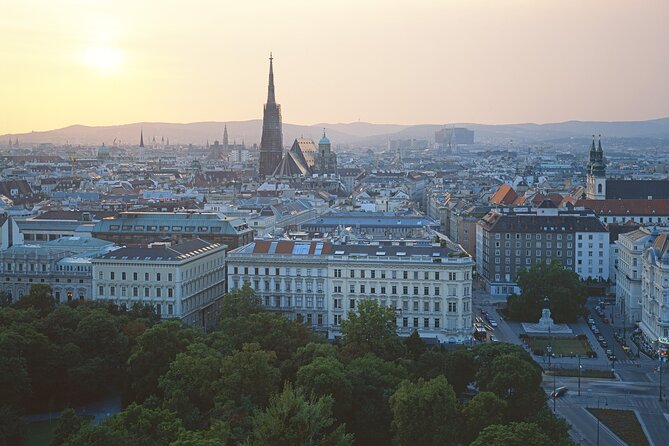
At $151.23 per person, this is an expensive walking tour. The price makes sense only if you place real value on a tiny group and a guide who can answer questions in the moment.
You are not paying for hotel transfers, lunch, concert tickets, or admission to the Opera, Imperial Crypt, cathedral, or Hofburg. One person was unhappy after finding that no buildings were entered. That criticism is fair if you assumed the price covered attraction tickets.
I see the value differently, but only for the right visitor. If you have limited time, want a strong first orientation, and prefer conversation to a large group, the cost may be justified. If you are comfortable reading about Vienna in advance and visiting sights independently, the price will likely feel high.
The tour is especially useful at the start of a Vienna stay. It helps you locate the main center, decide which interiors deserve later visits, and gather ideas for cafés and food. Several guides also adapt the discussion to individual interests, which is hard to get from an audio guide.
Timing, weather, and what to carry
You can choose between two daily start times, making it easier to fit the walk around a train arrival, museum visit, or evening concert. The tour lasts about two hours and thirty minutes, so leave extra time afterward if you need to reach a station or shuttle.
The route is outdoors, with occasional opportunities to step inside or pause. Vienna can be very cold in January, and rain will make the experience less comfortable. Bring an umbrella in winter and wear shoes suitable for several hours on city streets.
Keep your bag light. A review specifically advised against heavy baggage, and that is sensible for any walking tour. You will be moving through central streets rather than storing luggage in a vehicle.
The tour is suitable for most people, and service animals are allowed. The central route can work for a mobility scooter, but the operator should confirm your particular needs before you commit.
Who will get the most from this walk?
I would choose this for:
- A first-time visitor who wants a clear introduction to central Vienna
- Anyone with only one day or a short stop in the city
- Couples, families, or friends who prefer a small group
- People who enjoy questions, stories, and local suggestions
- Visitors who want to decide which museums and interiors to revisit later
- Anyone who finds large guided groups tiring
I would think twice if you want a museum-heavy tour, entry to the major buildings, or a low-cost overview. The walk covers important exteriors and surrounding streets, but it is not an attraction package.
My verdict on Good Vienna Tours
This is a well-planned introduction to Vienna’s center, with a route that covers the Opera, Imperial Crypt area, Ballgasse, St. Stephen’s Cathedral, and Hofburg in one outing. Its best quality is the small group, supported by guides who can make Habsburg politics, family stories, music, and city life easy to follow.
The price is the sticking point. At $151.23, you should book only if personal attention and useful conversation matter more to you than included admissions. Go in expecting a guided walk, not a private museum tour.
Should you book it?
Book this tour if you want to get your bearings quickly, ask plenty of questions, and see Vienna’s central sights with no more than five other people. It is a strong first activity, especially when your stay is short.
Skip it if you mainly want interior visits or a budget introduction. In that case, use the route as a self-guided plan and spend the savings on the Imperial Crypt, St. Stephen’s Cathedral, or a Hofburg collection.
The 96 percent recommendation and 4.8 rating are encouraging, but the mixed value opinions deserve attention. Check the inclusions carefully, bring weather protection, arrive at Albertinaplatz early, and look for the green umbrella.
FAQ
How long does the Vienna Old Town walking tour last?
The tour lasts approximately 2 hours and 30 minutes.
How many people can join the tour?
The maximum group size is six people.
Where does the tour begin?
It begins at Albertinaplatz, Albertinaplatz, 1010 Wien, Austria. Look for the guide with the green umbrella.
Where does the tour end?
It ends in front of the Vienna State Opera, next to the tram station, at Opernring 2, 1010 Wien, Austria.
Is the tour offered in English?
Yes. The experience is offered in English.
Are admission tickets included?
No. Admission is not included for the Vienna State Opera, Imperial Crypt, St. Stephen’s Cathedral, or Hofburg.
Is hotel pickup included?
No. Hotel pickup and drop-off are not included.
Can I cancel for a full refund?
Yes, if you cancel at least 24 hours before the local start time. Cancellations made less than 24 hours before the tour are not refunded, and changes within that period are not accepted.
Just added around Vienna
- Mobile puzzle rally tour at the Vienna Central Cemetery★ 4.5 · 3 reviews
- RAXI (E-Rickschaw) big private Vienna tour★ 4.5 · 3 reviews
- 8 days European Highlights PRIVATE TOUR from Budapest including Budapest Vienna Prague and Bratislava★ 5.0 · 3 reviews
- Private Transfer from Vienna to Prague with 1 hour Stop in Kutna Hora★ 4.5 · 3 reviews
- Palais Lobkowitz Audio Guide Tour★ 4.0 · 3 reviews
- Private Tour from Vienna to Melk and Dürnstein★ 4.5 · 3 reviews
- Vienna: Designer Fashion Time Capsule Experience★ 5.0 · 3 reviews
- Private day trip from Munich to Eagle’s Nest & Hallstatt★ 4.7 · 3 reviews
Walking Tours, compared.

Guided Walking Tour of City Center Highlights
Read our review →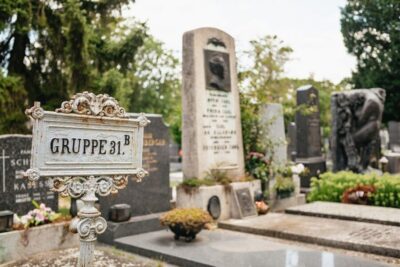

Guided Walking Tour of City Highlights & Hidden Gems
Read our review →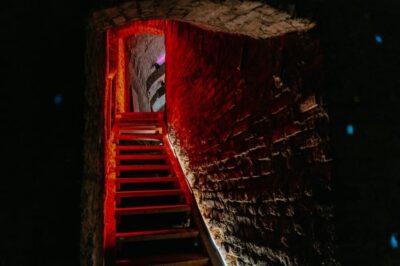


Vienna Historic Center Small Group Walking Tour
Read our review →
Browse the lists this tour appears in