
Reviewed · ATTRACTION TICKETS IN INNSBRUCK
Innsbruck: Alpenzoo Entrance Ticket
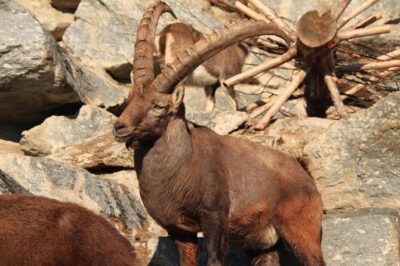
See the Alps from the animals’ point of view. Innsbruck’s Alpenzoo brings you close to brown bears, lynx, wolves, otters, ibex, birds of prey, and many smaller alpine species in enclosures shaped around their natural settings. I like the strong focus on native wildlife rather than exotic animals, and I like that the zoo supports breeding programs and injured-animal care.
The naturalistic habitats give the visit more purpose than a simple animal display. You move through areas representing valleys, lakes, mountain slopes, and icy regions, while the wide paths and walk-in aviaries make many exhibits easy to see. The main drawback is the sloped terrain. Although the zoo provides accessibility features and special tours, the experience may be difficult for some wheelchair users or anyone with back problems.
In This Review
- Key points to know before you go
- Why Alpenzoo feels different from a regular city zoo
- Starting the visit on sloped ground
- Bears, lynx, wolves, and otters
- Alpine birds, fish, terrariums, and aquariums
- Spring brings young ibex and chamois
- Conservation work you can understand
- Accessibility, terrain, and who should think twice
- Animal Meal gives you a useful pause
- Is the $17 ticket good value?
- My practical plan for visiting Alpenzoo
- Who should book this experience?
- FAQ
- How much does the Alpenzoo entrance ticket cost?
- How long is the ticket valid?
- What are Alpenzoo’s opening hours?
- Is Alpenzoo open every day?
- Which animals can you see at Alpenzoo?
- Is Alpenzoo wheelchair accessible?
- Can I bring an assistance dog?
- Can I cancel the ticket?
Key points to know before you go
- Around 150 alpine species: See about 20 alpine mammal species, 60 bird species, and nearly all fish species found in the Alps.
- A full-day family option: The zoo has enough animals, habitats, and uphill paths to fill much of a day, especially with children.
- Best spring wildlife activity: March brings courtship and nest-building, while April through June is the best period for young ibex, chamois, and deer.
- Conservation with a practical role: Alpenzoo takes part in European breeding programs and also receives injured native wildlife.
- A hillside setting: The terrain creates convincing alpine habitats, but comfortable shoes and sensible pacing matter.
- Simple food stop: Animal Meal serves small meals and drinks indoors and outdoors, with seating for about 150 people.
Why Alpenzoo feels different from a regular city zoo
Many zoos ask you to move from one continent to another in a few minutes. Alpenzoo has a tighter focus: the animals of the Alps. That gives your visit a clear thread, and it connects well with the mountains you see around Innsbruck.
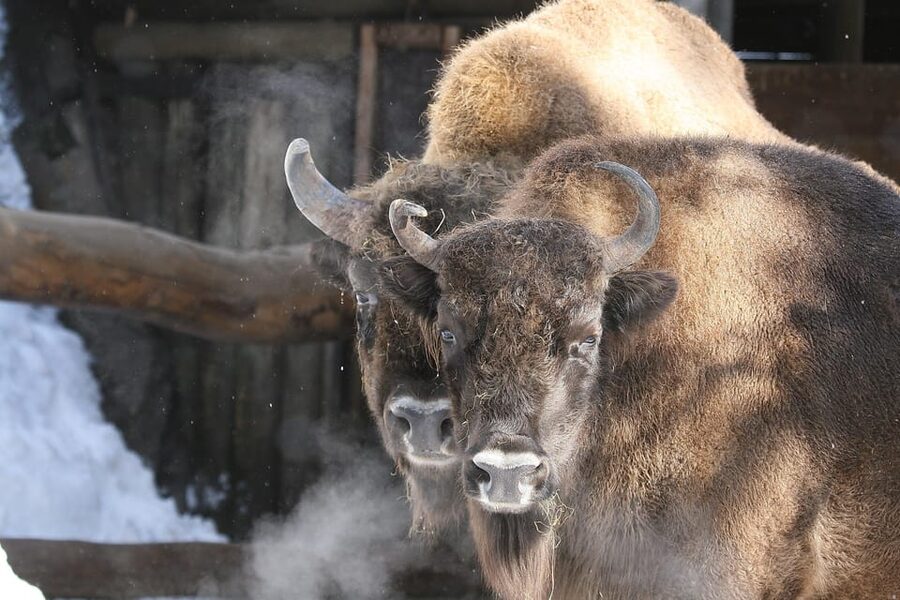
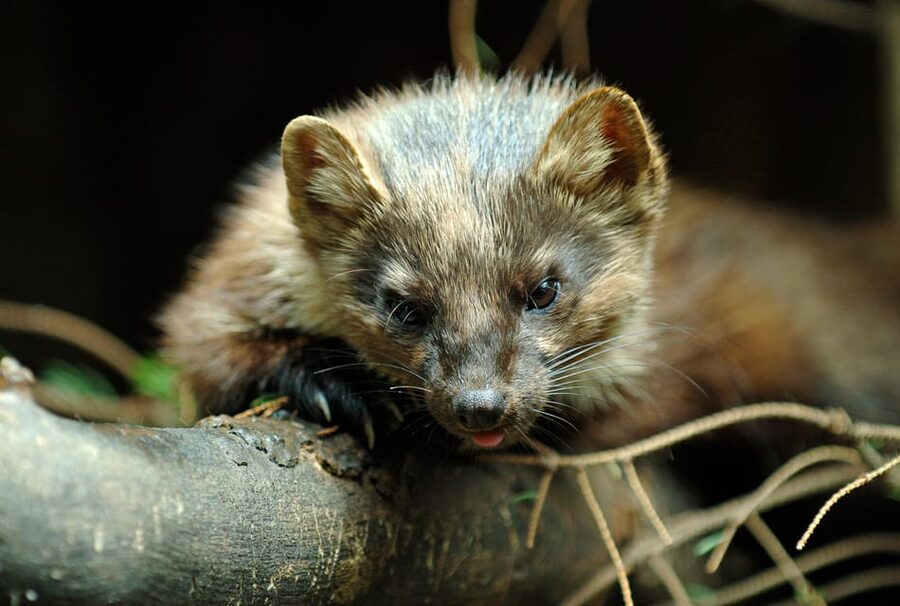
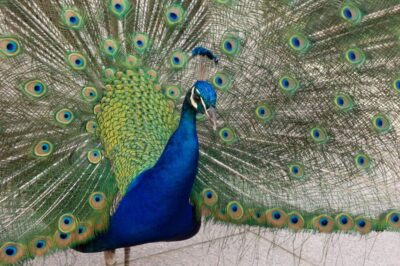
The collection covers roughly 150 species. That includes around 20 of the 80 alpine mammal species, about 60 of the 200 bird species, and nearly all fish species native to the Alps. You will not see every animal found in the region, but the selection is broad enough to show how varied alpine life can be.
I especially like the way the exhibits cover more than the famous large mammals. Brown bears, wolves, lynx, and elk draw attention, but fish, birds, otters, reptiles, and smaller animals help explain the full alpine food chain. The aquariums and terrariums also give you a break from the open-air enclosures.
This is a useful stop if you have limited time in Tyrol and want an introduction to local wildlife without committing to a mountain hike. It is also a good choice when poor weather makes a long outdoor excursion less appealing. You are still outside for much of the visit, so bring proper clothing, but the zoo gives you a structured way to see alpine nature.
More Attraction Tickets in Innsbruck
- Top of Innsbruck: Roundtrip Cable Car Ticket
★ 4.8 · 701 reviews - Innsbruck Swarovski Crystal Worlds Ticket and Transfer
★ 4.6 · 658 reviews - Combi Entrance Ticket to Alpine Zoo and Hungerburg
★ 4.5 · 637 reviews
Starting the visit on sloped ground
The route begins with a climb through the zoo’s hillside setting. You pass through habitats designed around different alpine zones, from lush valley areas and quiet water features to rough mountain slopes and colder regions.
The slope is part of the appeal, since it helps the enclosures feel connected to the mountains around Innsbruck. It also affects your energy. I would wear walking shoes with good grip and avoid treating this as a quick one-hour stop. The zoo is open daily, and the ticket is valid for one day, so you can take your time.
Families should plan short pauses along the way. Children may want to spend a long time at one enclosure, then lose interest during an uphill section. The strongest practical advice from the available feedback is simple: with children, you can spend a full day here. That makes the $17 ticket look reasonable if you use the zoo as a relaxed half-day or full-day outing rather than rushing through it.
You should also bring water, snacks, a camera, and clothing suited to the weather. Personal expenses, meals, drinks, and parking are not included.
Bears, lynx, wolves, and otters
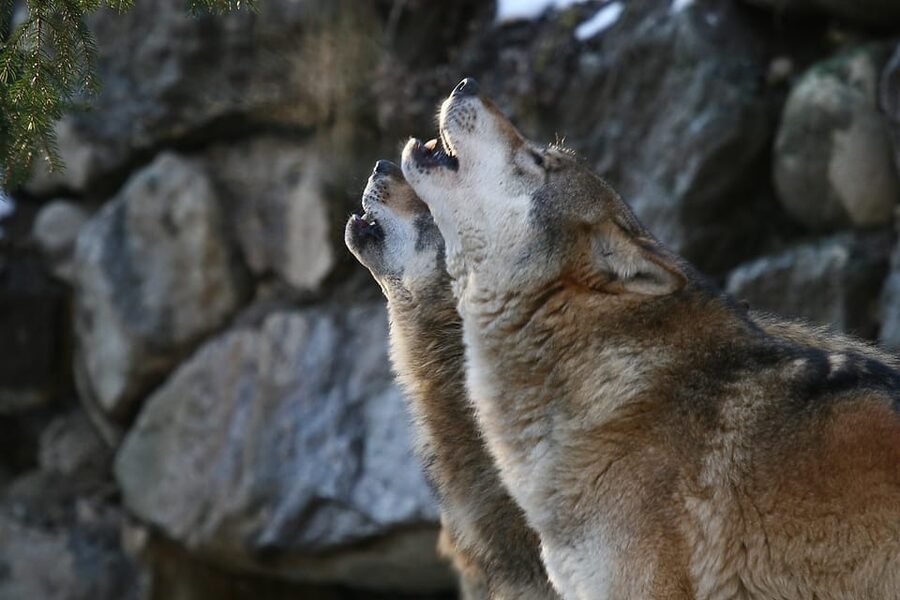
The larger mammals provide the most obvious highlights. Brown bears give the zoo a strong visual draw, while lynx and wolves offer a chance to think about animals that are often present in alpine folklore but hard to spot in the wild.
The enclosures are designed to resemble native habitats, which means you may not get a perfect view at every moment. That is worth accepting. A natural-looking enclosure can be more meaningful than an empty concrete display, but it sometimes requires patience. Give yourself time at the animals that interest you most.
Otters bring a different kind of energy. Their water-based habitat contrasts with the rocky and wooded areas elsewhere in the zoo. Elk add scale, while birds of prey give you a closer look at animals adapted to open mountain air and steep terrain.
The zoo’s focus is not only on spectacle. It also explains how species fit into the alpine environment. You can move from a predator enclosure to birds, fish, or smaller animals and get a broader picture of life in the region.
Alpine birds, fish, terrariums, and aquariums
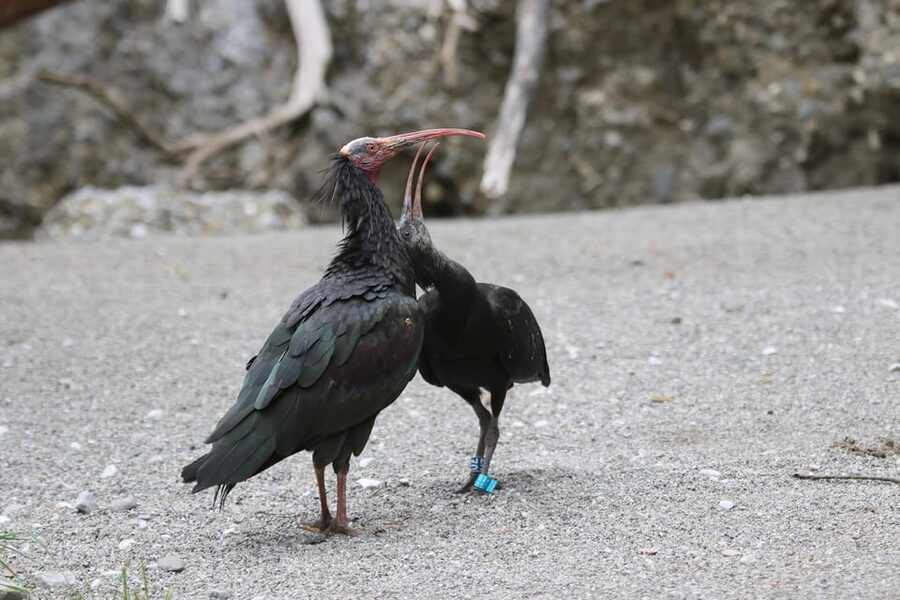
The bird collection is one of the zoo’s strongest reasons to visit in spring. From March onward, birds may be courting and building nests. That season gives the exhibits more activity than a simple display of perched birds.
The zoo includes about 60 of the 200 bird species found in the Alps. Birds of prey are among the notable residents, but smaller native species matter too. The aviaries and walk-in enclosures allow you to observe birds at close range without relying only on a distant view.
The aquariums cover nearly all fish species found in the Alps, according to the zoo’s stated collection. This is an important part of the visit because alpine wildlife is not limited to mountain goats and large predators. Cold streams, lakes, and other waterways support their own communities.
Terrariums add reptiles and amphibians to the mix. Keep in mind that these animals are among the least active parts of the zoo during winter. If you are visiting from November through March, you may find the mammals and birds more rewarding than the cold-blooded exhibits.
A few more trips of this kind worth comparing:
- Tyrolean Evenings Family Gundolf in Innsbruck
★ 4.7 · 975 reviews - Innsbruck: City Card Including Public Transport
★ 4.7 · 437 reviews - Tyrolean Folk Show Ticket in Innsbruck
★ 4.5 · 429 reviews - Innsbruck: Alpenzoo & Top of Innsbruck Combination Ticket
★ 4.6 · 362 reviews
Spring brings young ibex and chamois
Seasonal timing can change the character of your visit. March is a good month for bird activity, especially courtship and nest-building. From April through June, you have the best chance of seeing young ibex, chamois, and deer.
These spring sightings give the zoo a stronger sense of a living breeding cycle. The young animals are also a natural draw for families, though the exact activity will vary from day to day. I would choose late spring if you want a lively visit and do not mind planning around changing weather.
Winter has a different advantage. Most animals remain active year-round, so a cold-season visit is still worthwhile. Marmots, reptiles, and amphibians are the main exceptions, with winter inactivity affecting what you can see.
The seasonal schedule also matters for planning. From April through October, the zoo is open from 9:00 a.m. to 6:00 p.m. From November through March, it closes at 5:00 p.m. An early start gives you more time and may help you avoid squeezing the final habitats into the last hour.
Conservation work you can understand
A good zoo visit should explain why the animals are there. Alpenzoo takes part in European Endangered Species Breeding Programs, known as EEP, and European Studbooks, known as ESB. These programs help manage breeding and records for threatened species across participating institutions.
That work gives the animal displays a wider purpose. You are not only looking at local wildlife. You are also seeing part of an organized effort to protect species and maintain healthy populations.
Alpenzoo also acts as a reception center for injured wildlife. This is especially relevant in a mountain region, where native animals can face harm from roads, human activity, and other hazards. The zoo’s role extends beyond its gates, since it can help with the care and preservation of alpine fauna.
I would not expect every enclosure to provide a long conservation lecture, but the overall mission adds substance to the visit. If you care about wildlife protection, this is one of the stronger reasons to choose Alpenzoo over a general animal park.
Accessibility, terrain, and who should think twice
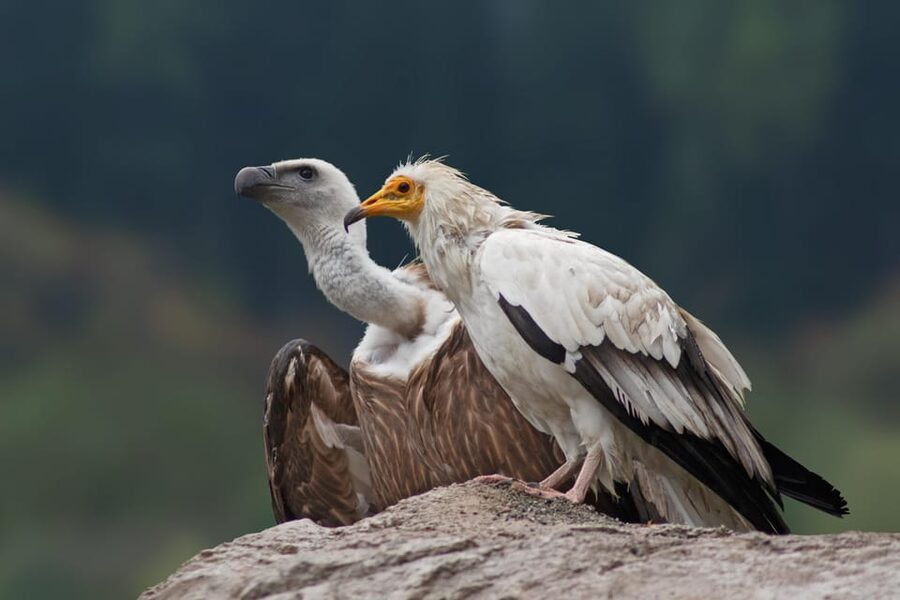
The zoo provides wide paths, walk-in enclosures, aviaries, and special tours for people with disabilities. A bear mobile is available for these tours, offering a more comfortable way to manage the hillside setting.
At the same time, the supplied activity information says it is not suitable for wheelchair users. Those two points need careful reading. The zoo has accessibility provisions, but the sloped terrain may still create serious limits for some people. If mobility is a concern, contact Alpenzoo before booking and ask which route and tour options fit your needs.
The experience is also listed as unsuitable for people with back problems, pregnant women, and people with animal allergies. Smoking is not allowed, and pets cannot enter. Assistance dogs are allowed with the proper documentation.
For most able-bodied visitors, the main issue is pacing rather than access. Take breaks, wear comfortable shoes, and do not schedule the zoo immediately before another demanding outing.
Animal Meal gives you a useful pause
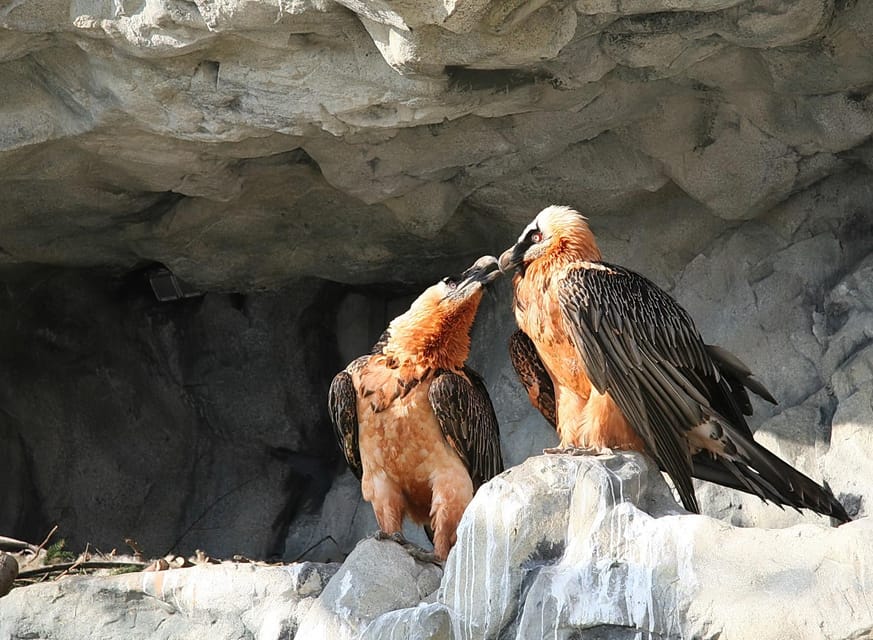
After the uphill sections, Animal Meal provides a convenient place to stop. The bistro serves small meals and drinks, with indoor and outdoor seating for about 150 people.
This is not presented as a destination restaurant, and I would treat it as a practical refreshment stop. Bring snacks and water anyway, especially if you are visiting with children. The bistro helps you avoid leaving the zoo simply because someone needs a drink or a quick bite.
The indoor and outdoor seating also makes the stop more flexible in changing weather. You can use it as a mid-visit break or finish there after seeing the final enclosures.
Is the $17 ticket good value?
At $17 per person, the ticket is fairly priced if you like wildlife, have children, or want an easy introduction to Tyrolean nature. The value improves if you stay several hours. A quick visit focused only on the bears and wolves may feel less worthwhile, since much of the zoo’s appeal comes from the range of habitats, birds, fish, and conservation work.
The one-day validity gives you room to set your own pace, though the information provided does not specify re-entry rules. Plan on treating the ticket as access for one full visit.
The overall rating is 4.5 from 13 reviews, and the strongest praise centers on the zoo’s ability to occupy a family for a full day. That fits the ticket’s best use: a relaxed outing, not a hurried checklist.
Free cancellation is available up to 24 hours before the visit, and you can reserve now and pay later. Those terms are useful if your Innsbruck schedule depends on weather, though the zoo remains open daily, including Sundays and public holidays.
My practical plan for visiting Alpenzoo
I would allow at least several hours, with a full day available if you are visiting with children or want to pause often. Start earlier in the day so you have time for the uphill route, animal-viewing pauses, and the bistro.
A sensible plan looks like this:
- Begin with the main slope and note the habitats as you move from valley settings toward mountain and colder zones.
- Spend extra time with the large mammals, but do not skip the birds, aquariums, and terrariums.
- In March, focus on bird behavior and nest-building.
- From April through June, look for young ibex, chamois, and deer.
- Use Animal Meal for a small meal or drink rather than carrying on when everyone is tired.
- In winter, prioritize mammals and birds since marmots, reptiles, and amphibians may be inactive.
Bring weather-appropriate clothing even in summer. Much of the experience is outdoors, and the slope can make a sunny day feel more demanding than a flat city attraction.
Who should book this experience?
I would recommend Alpenzoo to families who want a substantial outing, wildlife lovers interested in European species, and anyone who wants to connect Innsbruck with the animals of the surrounding Alps. It also suits visitors looking for a year-round activity with a clear conservation purpose.
I would be more cautious if you have back problems, significant mobility limits, animal allergies, or a strong dislike of uphill walking. The accessibility services are a real benefit, but they do not remove the challenges created by the terrain.
Book it if you can give the zoo time. The $17 price works best when you explore beyond the headline animals and treat the visit as a slow look at alpine life. Skip it if you want a flat, compact attraction or a quick indoor stop.
FAQ
How much does the Alpenzoo entrance ticket cost?
The ticket costs $17 per person.
How long is the ticket valid?
The entrance ticket is valid for one day.
What are Alpenzoo’s opening hours?
From April through October, the zoo is open from 9:00 a.m. to 6:00 p.m. From November through March, it is open from 9:00 a.m. to 5:00 p.m.
Is Alpenzoo open every day?
Yes. The zoo is open daily, including Sundays and public holidays.
Which animals can you see at Alpenzoo?
The zoo has around 150 species, including brown bears, lynx, wolves, elk, otters, birds of prey, ibex, chamois, fish, reptiles, and amphibians.
Is Alpenzoo wheelchair accessible?
The zoo has wide paths, walk-in enclosures, aviaries, and special tours using a bear mobile. However, the activity information also says it is not suitable for wheelchair users, so contact the zoo in advance to discuss your needs.
Can I bring an assistance dog?
Yes. Assistance dogs are allowed with proper documentation. Other pets are not allowed.
Can I cancel the ticket?
You can cancel up to 24 hours in advance for a full refund. You can also reserve now and pay later, according to the available booking terms.
Just added around Innsbruck
- CITY QUEST INNSBRUCK: uncover the secrets of this city!★ 5.0 · 3 reviews
- Innsbruck: Christmas Tour with a licensed guide★ 5.0 · 3 reviews
- Innsbruck Old town walking tour★ 4.5 · 3 reviews
- Linderhof palace from Innsbruck, drive and guide★ 4.5 · 3 reviews
- Private Eagle’s Nest Tour from Innsbruck with tour ending in Salzburg★ 5.0 · 4 reviews
- Innsbruck: Express Walk with a Local in 60 minutes★ 5.0 · 4 reviews
- Innsbruck Old Town Highlights Private Walking Tour★ 5.0 · 4 reviews
- Innsbruck: Walking Traditional Food Tour★ 5.0 · 4 reviews
Attraction Tickets in Innsbruck, compared.
Innsbruck Swarovski Crystal Worlds Ticket and Transfer
Read our review →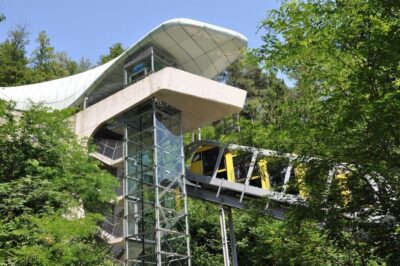
Combi Entrance Ticket to Alpine Zoo and Hungerburg
Read our review →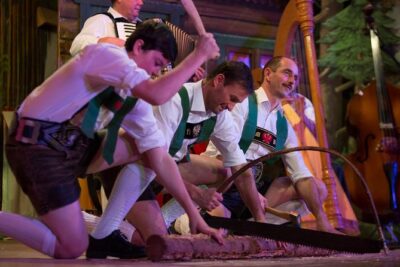
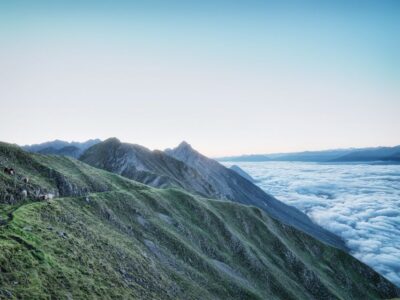
Alpine Zoo Innsbruck and Hungerburg Funicular Combo Ticket
Read our review →Browse the lists this tour appears in