
Reviewed · WALKING TOURS
The Ringstrasse Project Walking Tour
Grand Vienna unfolds on foot. This 2.5-hour Ringstrasse tour links City Hall, the State Opera, major museums, Otto Wagner’s Postsparkasse, and two classic cafés. I like the maximum group size of eight, and I like the choice of morning or afternoon departure. The main drawback is the price: at $177.44 per person, it is costly for a walking tour with no food, drinks, or hotel transfers included.
The route also has a useful human touch. Guides such as Susanna and Biljana have earned praise for warm service, humor, and a strong grasp of Vienna’s culture. If you want a quick photo stop at famous buildings, this may feel expensive. If you want those buildings explained as part of Vienna’s social and artistic life, the small-group format can make the cost easier to justify.
In This Review
- What makes this Ringstrasse walk worth considering
- Why the Ringstrasse is a smart way to meet Vienna
- Rathaus: Vienna’s civic face in 15 minutes
- Vienna State Opera and the city’s musical identity
- Kunsthistorisches Museum: a major museum from the outside
- Postsparkasse and Otto Wagner’s modern turn
- Stadtpalais Todesco and the social side of the Ring
- Café Schwarzenberg and the final 25 minutes
- What the small group changes
- Price, timing, and what you actually receive
- A family option with symbols and daily life
- Who should book this walk?
- My booking advice
- FAQ
- How long does The Ringstrasse Project Walking Tour last?
- How much does the tour cost?
- What is included?
- Are food and drinks included?
- Where does the tour begin and end?
- How many people can join the tour?
- Can I cancel for a full refund?
What makes this Ringstrasse walk worth considering
- The group is capped at eight people, allowing more room for questions and personal attention.
- The route connects six important stops, from Rathaus to Café Schwarzenberg, without asking you to cross the whole city.
- Biljana and Susanna are praised by name for friendly, professional guiding and a good sense of humor.
- The tour links architecture with café culture, ending in a coffeehouse established in 1861.
- A family version is available, with attention to building symbols and daily life around 1900.
- Morning and afternoon departures give you some control over how the walk fits into your Vienna plans.
Why the Ringstrasse is a smart way to meet Vienna
Vienna’s Ringstrasse is more than a broad boulevard lined with grand buildings. It is a visible record of the city’s public ambitions, artistic taste, political life, and love of cafés. A guided walk helps you connect those pieces before they blur into one long procession of ornate façades.
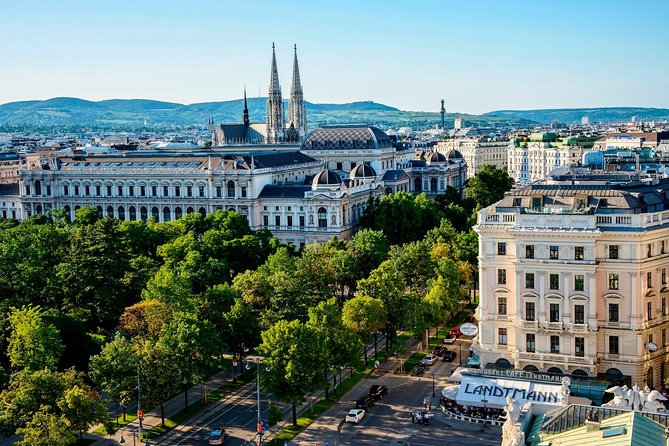
You begin at Café Landtmann, at Universitätsring 4. That starting point places you beside one of Vienna’s famous coffeehouses and close to the central Ringstrasse sights. The finish at Café Schwarzenberg gives the walk a satisfying arc, from a meeting place near the start to a traditional coffeehouse at the end.
I like this structure because you are not simply marching from one monument to another. The route gives you a chance to see how Vienna’s grand public buildings and café life belong to the same city story. The walking distance also keeps the focus on local streets and street-level details.
The tour lasts about two and a half hours. That is long enough for useful context, but short enough to fit into a morning or afternoon of sightseeing. You should still wear comfortable shoes. The supplied details do not promise indoor visits or extended museum time, so think of this as an architectural and cultural walk rather than a collection of museum admissions.
More Walking Tours in Vienna
- Vienna: Guided Walking Tour of City Center Highlights
★ 4.7 · 4,989 reviews - Vienna: Vienna Central Cemetery Guided Walking Tour
★ 4.8 · 3,307 reviews - Vienna: Guided Walking Tour of City Highlights & Hidden Gems
★ 4.9 · 2,180 reviews
Rathaus: Vienna’s civic face in 15 minutes
Vienna City Hall, or Rathaus, is the first listed stop. Built between 1872 and 1883 in Neo-Gothic style, it serves as the seat of Vienna’s local government. The mayor’s office, city council chambers, and Vienna Landtag are housed here.
The building gives the tour an immediate sense of scale. This is not a quiet side street attraction. It is a working civic center on Rathausplatz, placed directly on the Ringstrasse and designed to project public importance.
With about 15 minutes here, you can expect an introduction to the building and time to take in its exterior. That short visit suits the pace of the walk, but it will not allow for a full architectural study. If you want a long look at interior halls or political history, you would need separate time.
A guide can make a difference here. Neo-Gothic decoration can become a blur of pointed arches and towers when seen without context. The value of the stop is understanding why Vienna put such a commanding government building on this new boulevard.
Vienna State Opera and the city’s musical identity
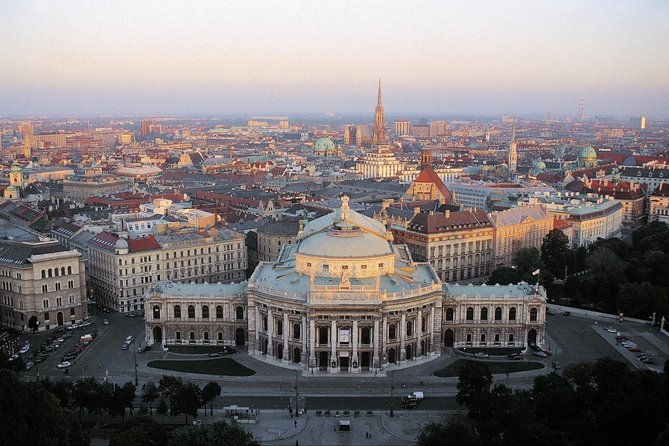
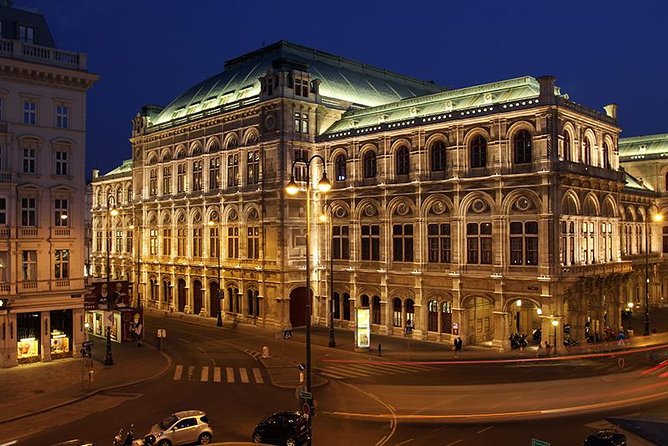
The next stop is the Wiener Staatsoper, or Vienna State Opera. The opera house has 1,709 seats and was built from 1861 to 1869. It was the first major building completed on the Ringstrasse, a detail that helps explain the place music held in Viennese life.
The opera house is useful early in the walk because it shows that the Ring was planned as a statement about Vienna. The city was not merely adding a road. It was creating a grand public corridor for culture, government, art, and social life.
You have about 20 minutes here. The listed admission is free, but the tour includes a guided visit to the location, not a separate performance or stated interior opera tour. Keep that distinction in mind when judging the price. You are paying for the guide’s interpretation and the small-group experience, not for an opera ticket.
I would pay close attention to how the guide connects the State Opera to the other buildings on the route. The best part of this stop is not just the façade. It is seeing the opera house as an early sign of Vienna’s cultural priorities.
Kunsthistorisches Museum: a major museum from the outside
The Kunsthistorisches Museum receives roughly 20 minutes. Its name refers both to the institution and its main building. It is Austria’s largest art museum and one of the important museums of its kind worldwide.
That reputation may tempt you to expect an art museum visit. The tour details do not include admission or time inside the collections, so plan on an exterior explanation. If you have already set aside a full morning for the museum, this walk can help you recognize its place in Vienna’s grand Ringstrasse plan. If you expect to see paintings during the tour, you may be disappointed.
The stop still matters. A large museum building tells you how Vienna presented art as a public responsibility and a source of civic pride. A guide can point out why this building belongs with the opera house, City Hall, and other major Ringstrasse institutions.
I would treat the 20 minutes as an introduction, not a replacement for a museum visit. If art is a priority, return later with a separate ticket and several hours to spare.
More walking tours:
- Vienna: Viennese Underworld Guided Walking Tour
★ 4.7 · 1,865 reviews - Vienna: World War II Historical Walking Tour
★ 4.8 · 1,772 reviews - Vienna Historic Center Small Group Walking Tour
★ 5.0 · 1,746 reviews - Vienna: Private Walking Tour with a Local Guide
★ 4.6 · 1,420 reviews
Postsparkasse and Otto Wagner’s modern turn
The Austrian Postal Savings Bank building offers one of the more distinctive architectural stops. Designed and built by Otto Wagner, it is regarded as an important work of the Vienna Secession, the city’s branch of Art Nouveau.
After the heavy public grandeur of Rathaus and the State Opera, Postsparkasse shows a different side of Vienna. Otto Wagner’s work brings attention to design, function, and modern materials. The building helps you see that Vienna’s architecture was not frozen in old imperial styles.
The visit lasts about 20 minutes. That is enough time for a guide to explain why the building matters and for you to study its exterior. As with the other stops, no separate admission is included in the tour price.
This is one of the places where a small group is particularly useful. Architectural details are easier to discuss when eight people or fewer can gather close enough to hear the guide. You can also ask why the building is linked to Vienna Secession rather than simply labeling it Art Nouveau and moving on.
Stadtpalais Todesco and the social side of the Ring
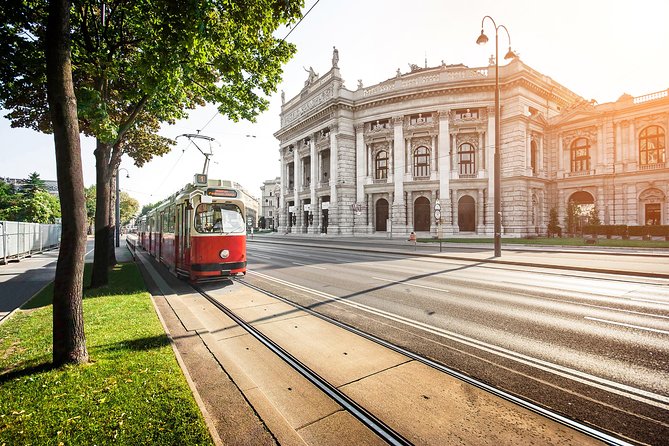
The Stadtpalais Todesco was built between 1861 and 1864 for the aristocratic Todesco family. One of its residents, Baroness Sophie von Todesco, became known for her salon, which welcomed artists and intellectuals.
This 15-minute stop adds people to the buildings. Grand palaces can feel remote when you only hear the names of architects and dates. The story of Sophie von Todesco shows how private homes along the Ring could serve as meeting places for Vienna’s cultural and social circles.
I like this part of the route because it shifts the focus from official institutions to the people who helped create the city’s cultural life. The palace is not simply another ornate address. It points toward the importance of salons, conversation, and social connections in 19th-century Vienna.
The short timing means you will get a focused explanation rather than a long visit. That keeps the tour moving, though anyone fascinated by the Todesco family or Viennese salons may want to research more afterward.
Café Schwarzenberg and the final 25 minutes
The walk concludes at Café Schwarzenberg on Kärntner Ring. Established in 1861, it is a traditional Viennese coffeehouse whose interior has remained largely unchanged since the 19th century.
This final stop is more than a place to sit down after walking. It gives you a direct link to Vienna’s café culture during the latter half of the 19th century, when the Ring became a place to see and be seen soon after its completion.
You have about 25 minutes here. Food and drinks are not included, so you should budget extra if you want coffee or a pastry. The time may be used for an explanation of café life, a short rest, or both, but the supplied details do not promise a reserved table or included refreshment.
That uncertainty is worth noting. The café ending is a strong cultural touch, but you should not assume the tour price covers consumption. If you like the atmosphere, you can choose to stay longer after the official walk ends.
What the small group changes
The maximum group size is eight. That is a major feature, not a minor footnote. On a route with busy public buildings and street-side explanations, a small group makes it easier to hear, ask questions, and keep contact with the guide.
One unusual point is that the tour can still operate when only one person books. That happened to one participant, who received a highly personal experience and came away with a stronger appreciation of Vienna’s culture. You should not assume every departure will be private, but the policy suggests the company places value on running the experience even with very low numbers.
The guide quality is central to the tour. Biljana is praised for her understanding of Vienna, professional manner, friendliness, and humor. Susanna is also singled out for an excellent tour. Those comments point to the kind of experience you should hope for: not a dry list of dates, but an informed walk with room for conversation.
Still, a small group does not automatically make a tour worthwhile at any price. The guide needs to make the architecture feel connected and relevant. If you already know Vienna well, you may prefer to walk the route independently and spend the money on museum admission or a meal.
Price, timing, and what you actually receive
At $177.44 per person, this is a premium walking tour. You receive a 2.5-hour guided experience with a professional guide, but not food, drinks, hotel pickup, hotel drop-off, or stated admission to the interiors of the listed attractions.
That makes the value depend heavily on your priorities. If you want a low-cost orientation walk, the price is hard to defend. If you want a small group, a guide who can answer questions, and a clear explanation of Vienna’s architecture and café culture, the cost may suit you better.
The free admission notation at the stops should not be confused with included museum visits. The tour passes or discusses the locations, but the included services list names only the guided tour and professional guide. I would plan separate museum time if you want to see the Kunsthistorisches Museum’s collections.
Morning and afternoon departures help you fit the walk around other plans. You might choose the morning to get your bearings before visiting museums, or the afternoon to place the route after other central Vienna sights. Since the tour ends at Café Schwarzenberg, the afternoon option may also work nicely before an evening meal, though no meal is included.
Public transportation is nearby, and most people can participate. The route is a walking activity, so comfortable footwear remains the sensible choice even though the supplied information does not specify a distance or accessibility arrangements.
A family option with symbols and daily life
The experience can also be booked as a children’s family tour. In that version, the guide focuses on symbols found on the buildings and everyday life in Vienna around 1900.
That focus could make the route more approachable for children than a standard lecture on architecture. Symbols give younger visitors something to look for, while everyday life offers a practical way to picture the city beyond its grand façades.
Families should confirm the family format when booking, since the guide’s emphasis changes. The small maximum group size may also help parents ask questions without feeling lost in a large crowd.
Who should book this walk?
I would recommend it most to a first-time Vienna visitor who wants a structured introduction to the Ringstrasse and prefers conversation to a large group presentation. It also suits anyone interested in architecture, the Vienna Secession, public buildings, and the social role of cafés.
The tour is a good fit if you want to understand how the State Opera, museums, palaces, and civic buildings relate to one another. It is less suitable if you want extended time inside museums, a meal, an opera visit, or a cheap overview.
Families may find the dedicated children’s format useful. Solo visitors can also benefit from the small-group setup, especially since a departure may run even with just one booking.
Free cancellation is available when you cancel at least 24 hours before the start time. Cancellations or changes made less than 24 hours before the start are not refunded or accepted, and the cut-off follows Vienna local time.
My booking advice
Book this tour if you place a high value on a skilled guide and a genuinely small group. The strongest part is the way the route brings together public power, music, art, architecture, aristocratic salons, and coffeehouse life in a manageable two and a half hours.
Skip it if $177.44 feels too high for exterior visits and guide commentary. You can see the Ringstrasse sights independently, then choose your own museum tickets and café stop.
For many visitors, the decision comes down to one question: do you want to simply see Vienna’s grand boulevard, or do you want help understanding how its buildings fit into the city’s culture? If the second answer appeals to you, this compact walk is worth serious consideration.
FAQ
How long does The Ringstrasse Project Walking Tour last?
The tour lasts approximately 2 hours and 30 minutes.
How much does the tour cost?
The listed price is $177.44 per person.
What is included?
The price includes a 2.5-hour guided tour of Vienna’s Ringstrasse and a professional guide.
Are food and drinks included?
No. Food and drinks are not included, including any refreshments you may choose to purchase at Café Schwarzenberg.
Where does the tour begin and end?
The tour begins at Café Landtmann, Universitätsring 4, 1010 Vienna, and ends at Café Schwarzenberg, Kärntner Ring 17, 1010 Vienna.
How many people can join the tour?
The tour has a maximum of eight travelers.
Can I cancel for a full refund?
Yes, you can cancel for a full refund if you do so at least 24 hours before the experience start time. Changes or cancellations made less than 24 hours before the start are not accepted or refunded.
Just added around Vienna
- Mobile puzzle rally tour at the Vienna Central Cemetery★ 4.5 · 3 reviews
- 8 days European Highlights PRIVATE TOUR from Budapest including Budapest Vienna Prague and Bratislava★ 5.0 · 3 reviews
- RAXI (E-Rickschaw) big private Vienna tour★ 4.5 · 3 reviews
- Private Transfer from Vienna to Prague with 1 hour Stop in Kutna Hora★ 4.5 · 3 reviews
- Vienna: Designer Fashion Time Capsule Experience★ 5.0 · 3 reviews
- Palais Lobkowitz Audio Guide Tour★ 4.0 · 3 reviews
- Private Tour from Vienna to Melk and Dürnstein★ 4.5 · 3 reviews
- Vienna Sight & Gourmet Tour – individual private tour★ 4.5 · 3 reviews
Walking Tours, compared.

Guided Walking Tour of City Center Highlights
Read our review →

Guided Walking Tour of City Highlights & Hidden Gems
Read our review →


Vienna Historic Center Small Group Walking Tour
Read our review →
Browse the lists this tour appears in