
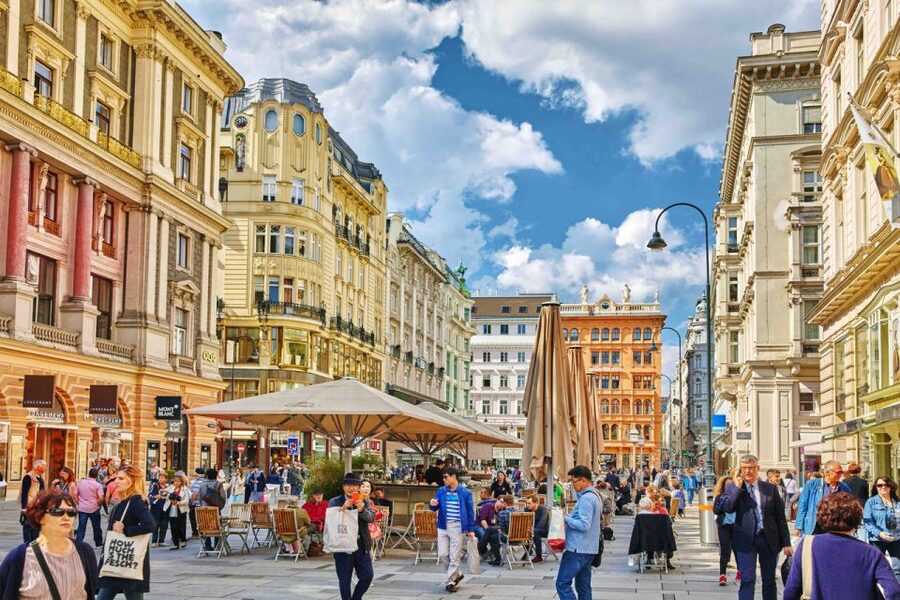
Reviewed · CYCLING TOURS
Vienna: City Highlights Guided Bike Tour
Vienna opens up quickly on two wheels. This three-hour city highlights bike tour combines major imperial sights with quieter streets, useful historical context, and an easy pace that suits most casual cyclists. I especially like the broad coverage and the guides’ lively explanations of Vienna’s politics, architecture, Jewish heritage, and wartime past. The main drawback is that the bikes can feel tired, and some riders wish there were more stops for photographs.
You’ll ride past Vienna City Hall, Parliament, Hofburg Palace, the Kunsthistorisches Museum, the State Opera, and Heldenplatz before walking near St. Stephen’s Cathedral and the Spanish Riding School. I also like that the route is mostly flat and that guides such as Anita, Karin, Marcelo, Eddy, and Fritz have been praised for making the city’s complicated past clear without turning the ride into a lecture.
In This Review
- Key points at a glance
- Why a bicycle works so well in central Vienna
- Starting near Piaristengasse
- Vienna City Hall and the Austrian Parliament
- Hofburg Palace and the Habsburg center
- The Kunsthistorisches Museum and Vienna’s artistic power
- Vienna State Opera and the Sacher Café area
- St. Stephen’s Cathedral on foot
- The Spanish Riding School and imperial tradition
- Heldenplatz and Vienna’s difficult past
- What the pace and cycling feel like
- Guide quality makes the difference
- Price, timing, and who gets good value
- Who should book this bike tour?
- FAQ
- How long is the Vienna City Highlights Guided Bike Tour?
- Where does the tour begin and end?
- Which languages are available?
- Is the tour suitable for children?
- Are food and drinks included?
- Can I book a private group?
- Should you book it?
Key points at a glance
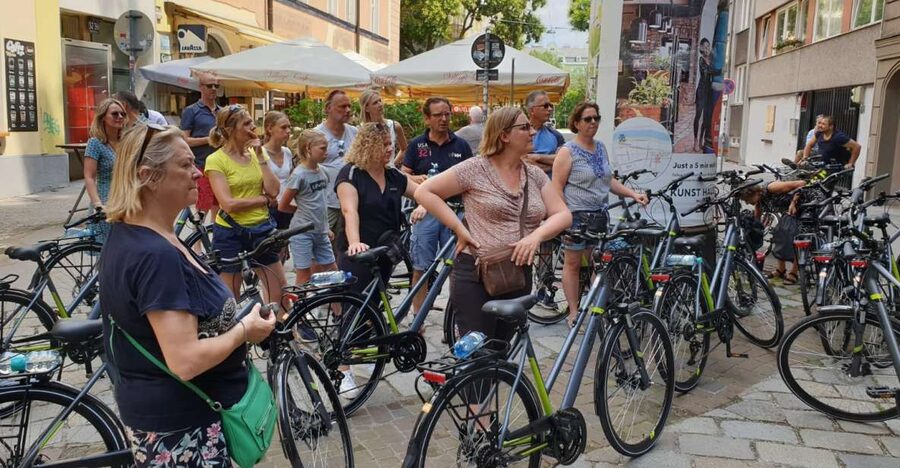
- Three hours through central Vienna: Cover a useful spread of grand avenues, palace squares, museums, and smaller streets in one morning or afternoon.
- Mostly flat riding: Vienna’s central streets make this a manageable choice for beginners and occasional cyclists, though city traffic still demands attention.
- History with a human voice: Guides explain Roman roots, Habsburg rule, Jewish life, politics, and the world wars, including the difficult events linked to Heldenplatz.
- Walks at the best pedestrian sights: You leave the bike briefly for St. Stephen’s Cathedral and the Spanish Riding School.
- English, German, and Dutch tours: Private groups are available, giving you more control over pace and conversation.
- Good first-day orientation: The route gives you a practical sense of where Vienna’s key sights sit before you return to explore them in depth.
Why a bicycle works so well in central Vienna
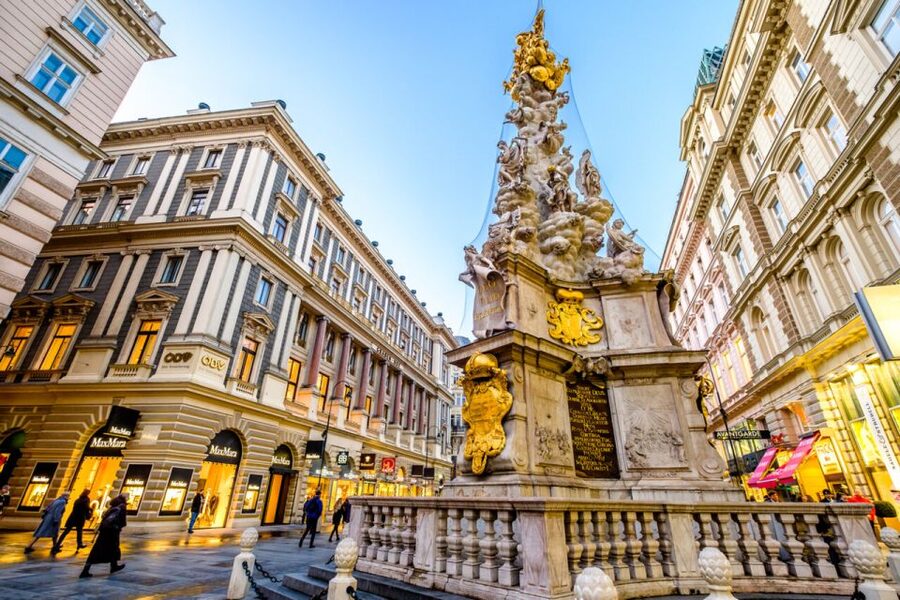
Vienna’s historic center is compact, but its major sights are spread across several grand avenues and squares. On foot, you can see plenty, yet a bicycle lets you connect the dots without spending much of your sightseeing time crossing from one district to another.
The route moves between large public buildings and smaller streets. That contrast is important. Vienna is not only palaces and formal facades. The ride gives you a feel for how the grand imperial center fits into the everyday city around it.
The cycling itself is described as easygoing rather than strenuous. Several riders found the city mostly flat, with only a few small hills toward the end. That makes the tour a good fit if you can comfortably ride for three hours, but you should still be alert around traffic, intersections, pedestrians, and two-way bike lanes.
One useful tip is to consider a Sunday, when roads may be quieter. A weekday can work perfectly well, but a less crowded day may make the group easier to manage and the ride more relaxing.
More City Tours in Vienna
- Vienna: Guided Walking Tour of City Center Highlights
★ 4.7 · 4,989 reviews - Vienna: City Cruise with Optional Lunch
★ 3.4 · 3,982 reviews - Vienna: City Cruise
★ 3.3 · 2,978 reviews
Starting near Piaristengasse
The tour begins and ends at Piaristengasse 56-58. At the meeting point, look for the My Vienna Tours flag. You receive a bicycle and ride with a live guide in English, German, or Dutch.
The starting point is practical because the route quickly reaches the central sights. You do not spend the first part of the tour on a long transfer to the historic center. Instead, the ride gets to the main civic and imperial buildings early.
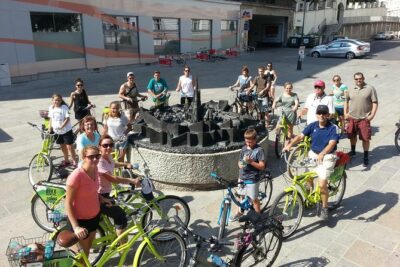
Group size can affect the feel of a city bike tour. Some groups have been as small as six, while others have reached around 11 or 15. A group of roughly six to 11 is likely to feel more comfortable for city riding and questions. Larger groups can still work, but you may spend more time waiting at crossings and keeping track of the riders ahead.
Vienna City Hall and the Austrian Parliament
Vienna City Hall is one of the first major buildings on the route. Its scale introduces you to the city’s grand public architecture, where government buildings were designed to project confidence and civic importance.
From there, the ride continues to the Austrian Parliament Building. This is a useful place to hear about Vienna as a political capital, not simply a former imperial showpiece. The guide connects the architecture with the country’s political story, helping you see how the city changed from Habsburg center to modern national capital.
The stops are guided rather than full interior visits. You should think of them as outdoor explanations and orientation points. That keeps the tour moving, but it also means you will need a separate visit if you want extended time inside any of these buildings.
Hofburg Palace and the Habsburg center
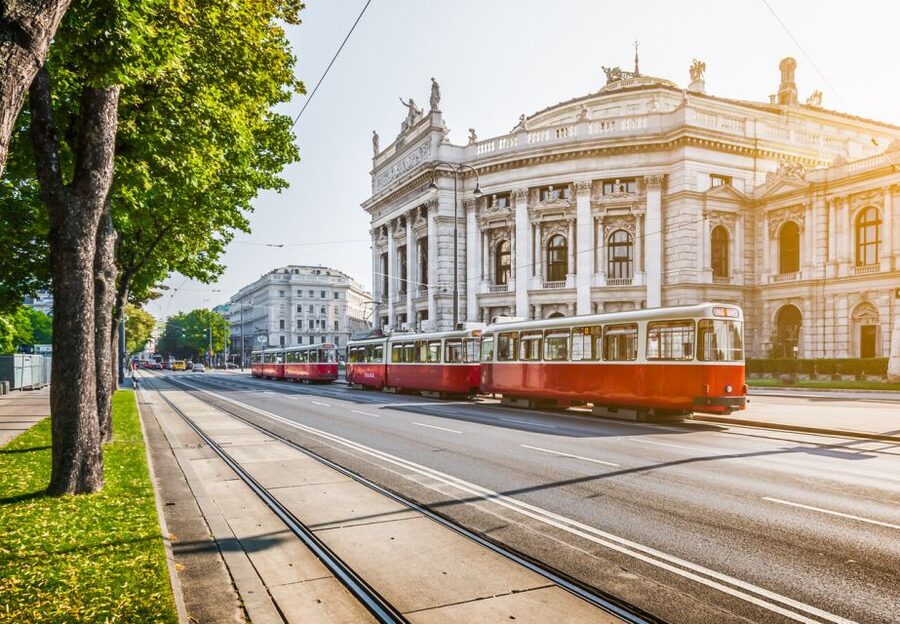
Hofburg Palace is the historical heart of the ride. The palace began in the 13th century and later served as the residence of the Habsburg princes. Its buildings grew over many centuries, so the complex feels less like one tidy palace and more like a record of changing power.
I find this stop especially useful early in a Vienna visit because it gives context to so many other city sights. Once you understand the Hofburg’s role, the imperial routes, formal squares, museums, and court institutions around it make much more sense.
The guide also discusses Vienna’s Roman roots and the political forces that shaped the city. That broader approach keeps the palace from becoming a simple list of dates and rulers. You hear how Vienna’s identity was formed over time, then see the physical remains of that process around you.
You will not have an extended interior tour of the palace during this bike experience. The value here is the overview, the setting, and the chance to mark places you may want to revisit later.
More bike tours:
- Classic Vienna: 3-Hour Guided Bike Tour
★ 4.7 · 1,846 reviews - Wachau Valley Wine Tasting Bike Tour from Vienna
★ 5.0 · 829 reviews - Vienna City Bike Tour
★ 4.5 · 599 reviews - Grape Grazing: Wachau Valley Winery Biking Tour
★ 4.8 · 468 reviews
The Kunsthistorisches Museum and Vienna’s artistic power
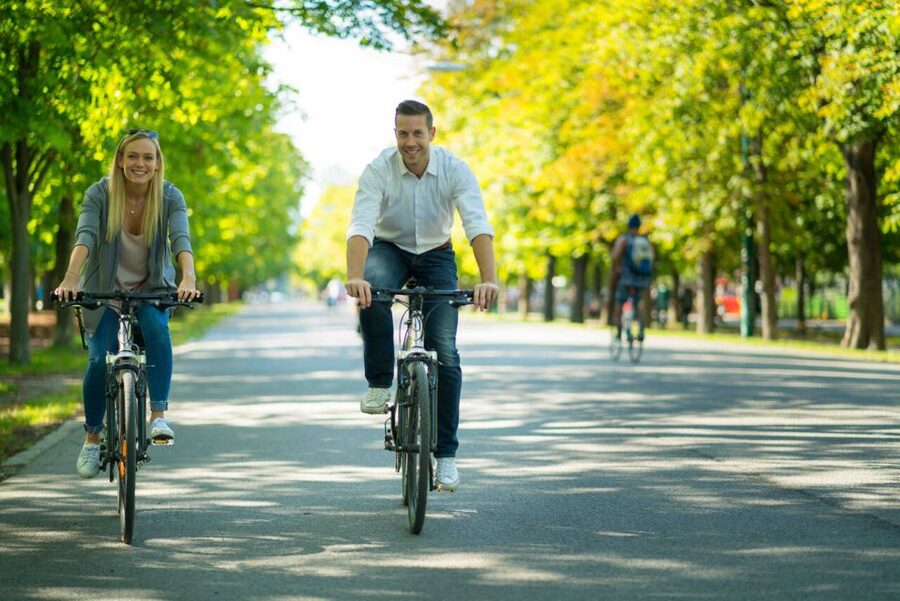
The Kunsthistorisches Museum is another major landmark along the route. Even from outside, its monumental presence helps explain the scale of Habsburg ambition. The museum’s location near the Hofburg connects art, collecting, royal status, and imperial display.
The bike stop is brief compared with a dedicated museum visit. That is not a weakness if you use the tour as a first look. You can decide later if you want to return for the collections, rather than trying to absorb a major museum while watching the clock and your bicycle.
This part of the route also shows how closely Vienna’s cultural institutions sit together. You move through an area where palace life, public art, museums, and ceremonial spaces overlap. It is one of the clearest examples of how much central Vienna packs into a small area.
Vienna State Opera and the Sacher Café area
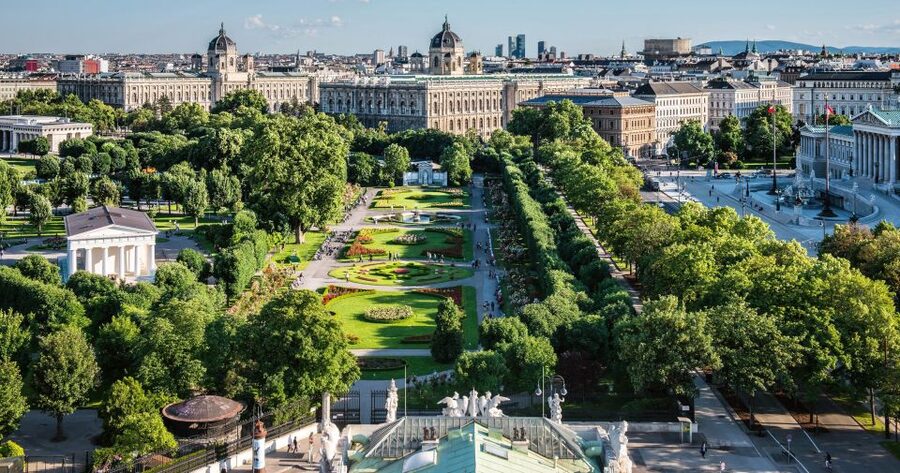
The Vienna State Opera brings the tour into one of the city’s best-known cultural zones. The guide places the building within Vienna’s musical identity and points out the surrounding streets and landmarks.
Nearby, the route includes the Sacher Café, famous for its chocolate cake. The tour does not include drinks, snacks, or a café stop as part of the price, so treat this as a sight along the way rather than a promised tasting. If you want cake, coffee, or a proper break, plan that for before or after the ride.
This is also one of the places where a short photo stop might feel useful. Some riders wanted more time and better positioning for photographs at major landmarks. The guide’s priority is keeping the group moving, so you may need to return later if you want carefully framed pictures of the opera house or café.
St. Stephen’s Cathedral on foot
At St. Stephen’s Cathedral, you leave the bicycle and walk. This is a sensible choice. The cathedral sits in a busy pedestrian area, and walking lets you appreciate the landmark without trying to park or manage bikes in the middle of foot traffic.
St. Stephen’s is presented not only as an architectural icon but also as a symbol connected with Viennese freedom. That political and civic angle adds meaning to the stop. You get more than a quick look at a famous roof and facade.
The walk is guided, but the experience is not a full cathedral tour. If you want to see the interior in detail, visit separately with enough time for your own pace. During the bike tour, listen for the guide’s explanation, take in the setting, and note where you may want to return.
The Spanish Riding School and imperial tradition
The Spanish Riding School is another pedestrian stop. It is closely tied to Vienna’s court culture and its tradition of classical dressage. The stop helps explain how imperial customs survived as part of the city’s public identity.
The tour does not promise a performance or an extended visit inside the school. You see the site and hear about its role. If a dressage performance is a priority, you will need a separate ticket and schedule.
This brief stop works well in the larger sequence because it shows a different side of the Habsburg world. Hofburg introduces political power, the museums suggest royal collecting, and the Spanish Riding School brings in ceremony, training, and court ritual.
Heldenplatz and Vienna’s difficult past
Heldenplatz is one of the most important stops for understanding modern Vienna. The guide discusses the square’s political history, including Adolf Hitler’s speech there in 1938 after the annexation of Austria.
This is not a light sightseeing detail, and it should not be treated as one. The setting forces you to consider how grand architecture and public space can be used for political theater. A good explanation gives you a more honest view of Vienna, one that includes both imperial splendor and the painful chapters of the 20th century.
The tour also covers Vienna’s involvement in the world wars. That historical range is one of its strongest features. You move from Roman beginnings and Habsburg rule to modern politics and wartime memory in a single ride.
The guide’s style matters here. Anita has been praised for clear explanations and a lively manner, while Karin has been singled out for her passion for Austrian architecture and history. Guides such as Eddy and Marcelo have also been appreciated for adding humor and relating Vienna’s past to different countries and shared histories.
What the pace and cycling feel like
The route is designed for sightseeing, not speed. You ride between landmarks, stop for explanations, and walk at two of the busiest central sights. Riders have described the pace as comfortable and suitable for beginners.
Still, comfortable does not mean effortless. Three hours on a bicycle requires basic stamina, and city riding involves more concentration than a quiet park path. You should be comfortable starting, stopping, turning, and riding near other people.
Vienna’s bike lanes help, but they are often two-way. Keep right and follow the guide carefully. One experienced cyclist specifically pointed out that riders should pay attention to lane direction and traffic positioning.
The bicycles have received mixed comments. Some riders found them easy to ride and well maintained, while others described them as vintage or a little tired. That suggests the condition may vary. Check your brakes, seat height, gears, and tires before setting off, and mention any problem immediately.
Helmets are worth asking about before you ride. One cyclist raised concerns about people riding without them. The supplied information confirms that a bicycle is included, but it does not specify helmet provision, so contact the operator if helmet use matters to you.
Guide quality makes the difference
The strongest part of this experience is the guide-led storytelling. The route itself is useful, but Vienna’s buildings become much more meaningful when someone explains the political decisions, dynasties, conflicts, and cultural habits behind them.
Past guides have included Anita, Karin, Marcelo, Eddy, Fritz, Hein, Franz, Erin, and Karen. Anita is repeatedly praised for her enthusiasm, clarity, and ability to manage a group. Karin is noted for making architecture and history engaging. Marcelo is described as friendly and well informed, while Eddy is praised for humor and for connecting Vienna’s story with the backgrounds of people on the tour.
A good guide also watches the group. Erin was appreciated for checking that nobody was left behind. That matters in central Vienna, where a short traffic light or crowded crossing can quickly open a gap between riders.
The best guides leave room for questions and offer suggestions for places to eat or visit later. The quality can vary by individual, so it is fair to say the tour depends heavily on who leads your departure. The language choices are English, German, and Dutch.
Price, timing, and who gets good value
At $55 per person, the tour is reasonably priced for a three-hour guided experience that includes the bicycle and guide. You are paying for transport between widely scattered sights, historical interpretation, and a quick orientation to central Vienna.
I think the value is strongest if you are visiting for the first time or have only a short stay. You can see where the major sights are, hear enough background to choose your priorities, and return later to the places that deserve more time.
The value is weaker if you have already spent several days walking through the historic center. You may pass buildings you have seen before, and the tour does not include museum admission, food, drinks, or long interior visits.
You can cancel up to 24 hours ahead for a full refund, and you can reserve now and pay later. The tour lasts three hours, with starting times based on availability. Children under eight cannot join.
Who should book this bike tour?
I would choose this tour for a first morning in Vienna, especially if you like history but do not want a long walking tour. It is also a good match for casual cyclists, couples, families with older children, and anyone who wants a fast sense of the city’s layout.
It suits you less if you want extended museum time, a formal palace interior tour, a dressage performance, or carefully planned photography at every stop. The ride is an overview, not a substitute for visiting Vienna’s major institutions.
A private group is available if you want a more personal pace or have a group with mixed interests. For a standard departure, ask about bicycle condition and helmet arrangements before you begin. If photographs matter greatly to you, tell the guide early and be ready to return to favorite sights after the ride.
FAQ
How long is the Vienna City Highlights Guided Bike Tour?
The tour lasts three hours, including cycling through central Vienna and walking at St. Stephen’s Cathedral and the Spanish Riding School.
Where does the tour begin and end?
It starts and finishes at Piaristengasse 56-58. Look for the My Vienna Tours flag at the meeting point.
Which languages are available?
The live tour guide can lead the experience in English, German, or Dutch.
Is the tour suitable for children?
Children under eight years old are not permitted to join this activity.
Are food and drinks included?
No. The bicycle and tour guide are included, but drinks and snacks are not.
Can I book a private group?
Yes. A private group option is available.
Should you book it?
Book this tour if you want a lively overview of Vienna’s central sights and prefer covering ground by bicycle rather than walking between each landmark. The mostly flat route, comfortable pace, and strong guide performances make it a practical first-day choice.
I would skip it if you need long visits inside the Hofburg, cathedral, museums, or Spanish Riding School. For everyone else, $55 buys a useful three-hour introduction, with enough history to make the rest of your Vienna stay more rewarding.
Just added around Vienna
- Mobile puzzle rally tour at the Vienna Central Cemetery★ 4.5 · 3 reviews
- RAXI (E-Rickschaw) big private Vienna tour★ 4.5 · 3 reviews
- 8 days European Highlights PRIVATE TOUR from Budapest including Budapest Vienna Prague and Bratislava★ 5.0 · 3 reviews
- Private Transfer from Vienna to Prague with 1 hour Stop in Kutna Hora★ 4.5 · 3 reviews
- Palais Lobkowitz Audio Guide Tour★ 4.0 · 3 reviews
- Private Tour from Vienna to Melk and Dürnstein★ 4.5 · 3 reviews
- Vienna: Designer Fashion Time Capsule Experience★ 5.0 · 3 reviews
- Private day trip from Munich to Eagle’s Nest & Hallstatt★ 4.7 · 3 reviews
Cycling Tours, compared.
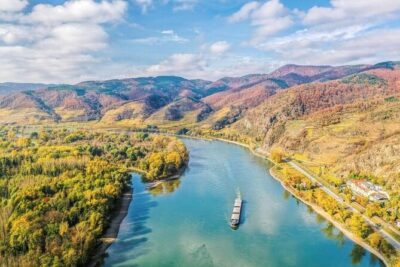
Wachau Valley Wine Tasting Bike Tour from Vienna
Read our review →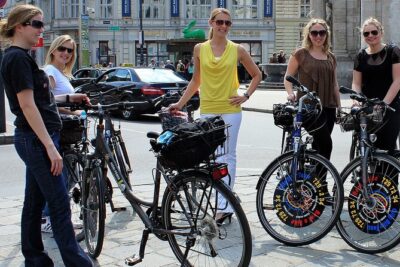
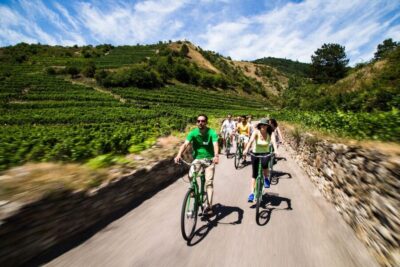
Grape Grazing: Wachau Valley Winery Biking Tour
Read our review →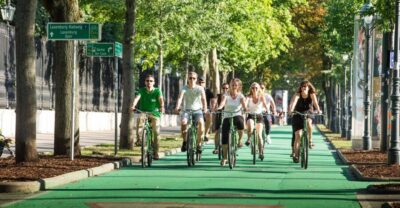
Vienna by Bike 3-Hour All-In-One City Bike Tour in English
Read our review →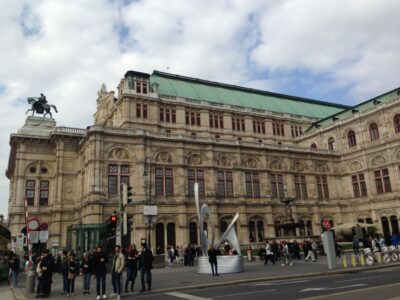
Browse the lists this tour appears in