
Reviewed · CONCERTS
Vienna: Classical Concert in St. Anne’s Church (Annakirche)
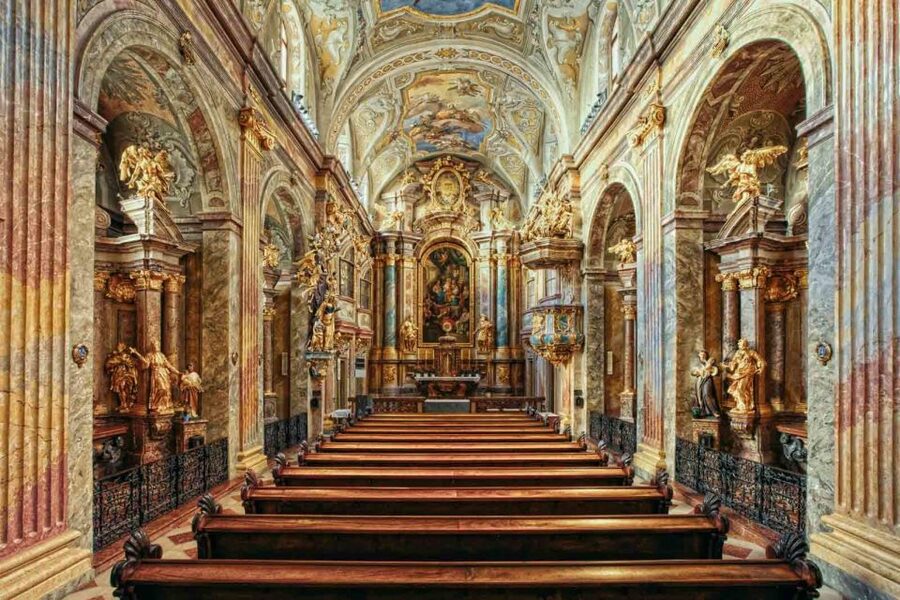
Vienna sounds best after dark. This 70-minute concert places you in St. Anne’s Church, a small Baroque treasure three minutes from the State Opera, where a string ensemble performs music by Mozart, Haydn, Beethoven, or Schubert. I like the close-up setting and the chance to hear instruments modeled on those used in the composers’ own time. The main catch is free seating, so arriving early matters if you want a clear view.
The $38 price is reasonable for a central Vienna evening, especially with a concert program included. The church is heated in winter, but summer can feel warm inside, and late arrivals or talkative audience members may disturb the quiet mood.
In This Review
- Key points to know before you go
- Why Annakirche makes the concert special
- Arriving early for the best free seats
- The 8 PM program and the musicians
- What period instruments add to the sound
- Mozart, Haydn, Beethoven, and Schubert in a small room
- How the evening fits into a Vienna itinerary
- Is $38 good value?
- The drawbacks to consider
- Who should book this concert?
- Booking and practical details
- Should you book the St. Anne’s Church concert?
- FAQ
- How long does the concert last?
- What time does the concert begin?
- Where is St. Anne’s Church located?
- How far is the church from the Vienna State Opera?
- How far is the venue from the underground stations?
- Is seating assigned?
- Which composers may be included?
- Are period instruments used?
- Is the church heated?
Key points to know before you go
- Period instruments shape the sound: The musicians use instruments from the era of Mozart and Schubert, including historical features such as gut strings.
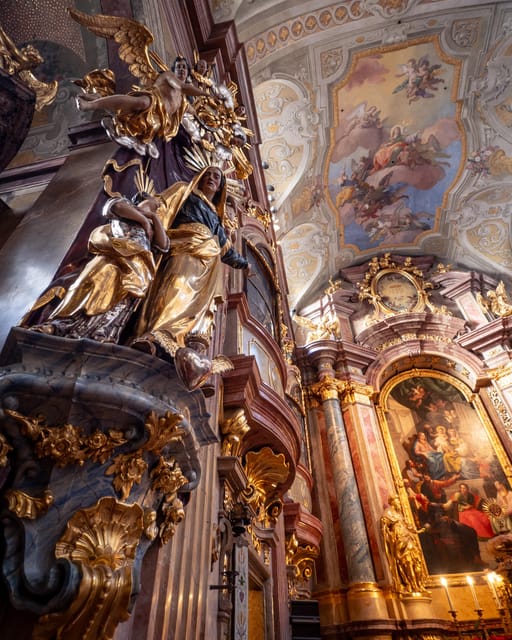
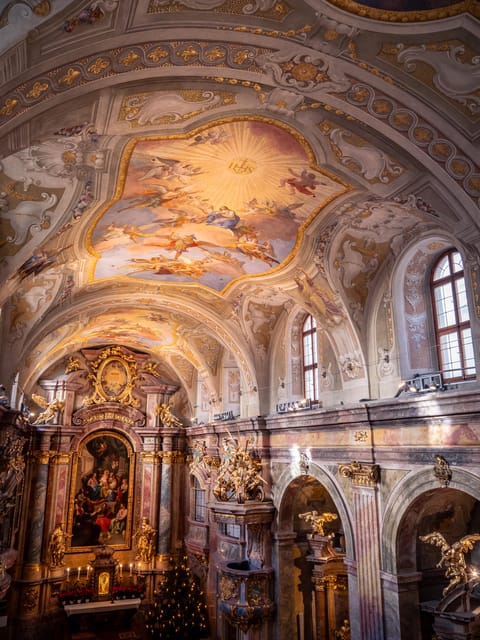
- An intimate Baroque venue: Annakirche is small, ornate, and close to the musicians, with gold decoration and blue marble balconies.
- A practical 8 PM plan: The concert fits neatly after dinner, a museum visit, or an evening walk through central Vienna.
- Arrive 30 to 40 minutes early: Seats are first come, first served, and the front rows offer the best view of the players.
- Good value at $38: You get a complete classical program, a free program sheet, and a central location without opera-house prices.
- Best for curious beginners and classical fans: You do not need a musical background to enjoy the setting, sound, and accessible programming.
Why Annakirche makes the concert special
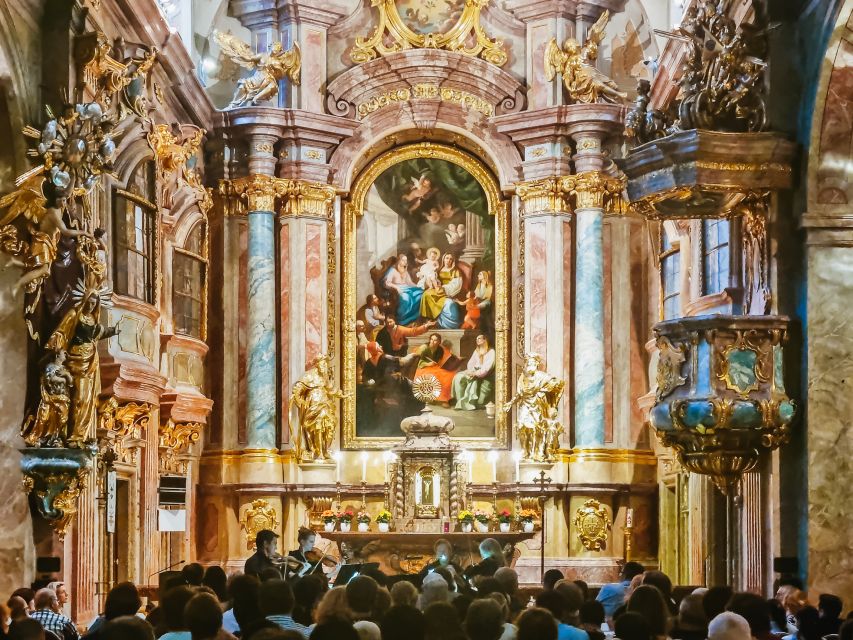
The setting is not a neutral concert hall. St. Anne’s Church, or Annakirche, gives the evening much of its character before the musicians play a note.
The church is in the pedestrian center of Vienna at Annagasse 3b, only a three-minute walk from the Vienna State Opera. It is also about five minutes on foot from the Karlsplatz and Stephansplatz underground stations. That makes this an easy addition to a day spent around the Hofburg, Kärntner Straße, St. Stephen’s Cathedral, or the opera district.
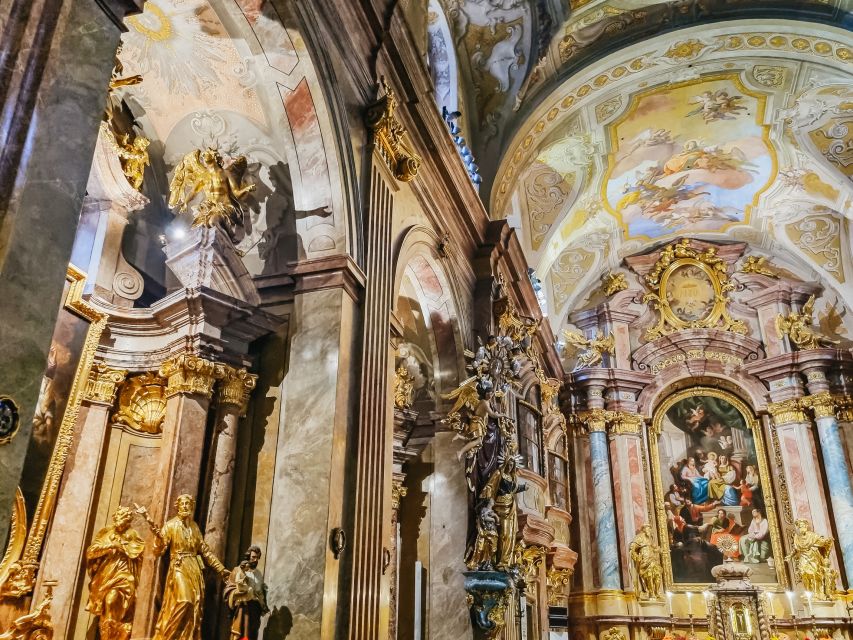
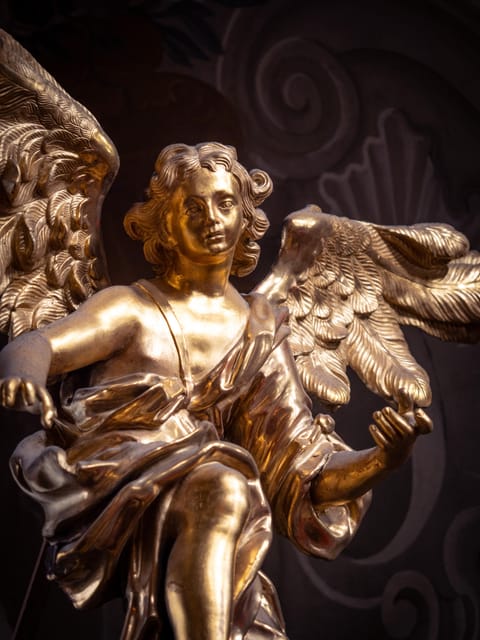
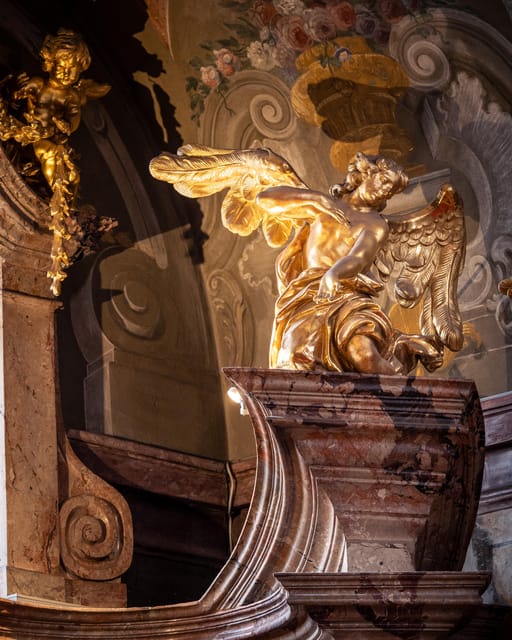
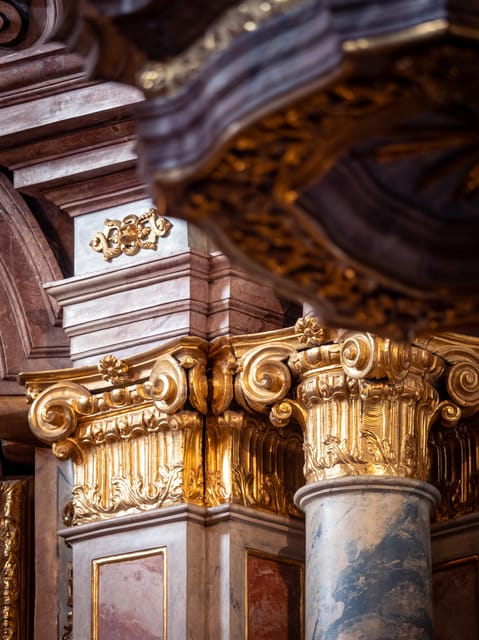
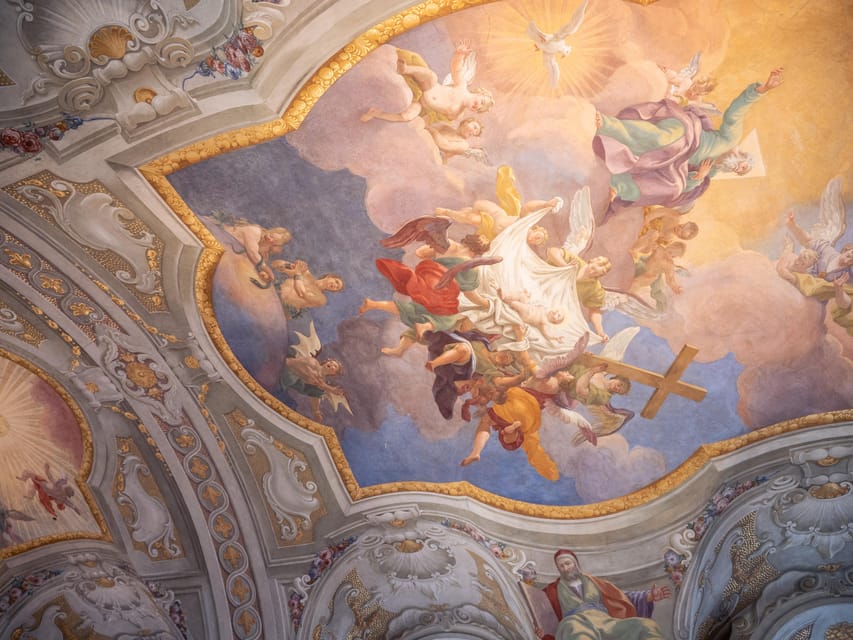
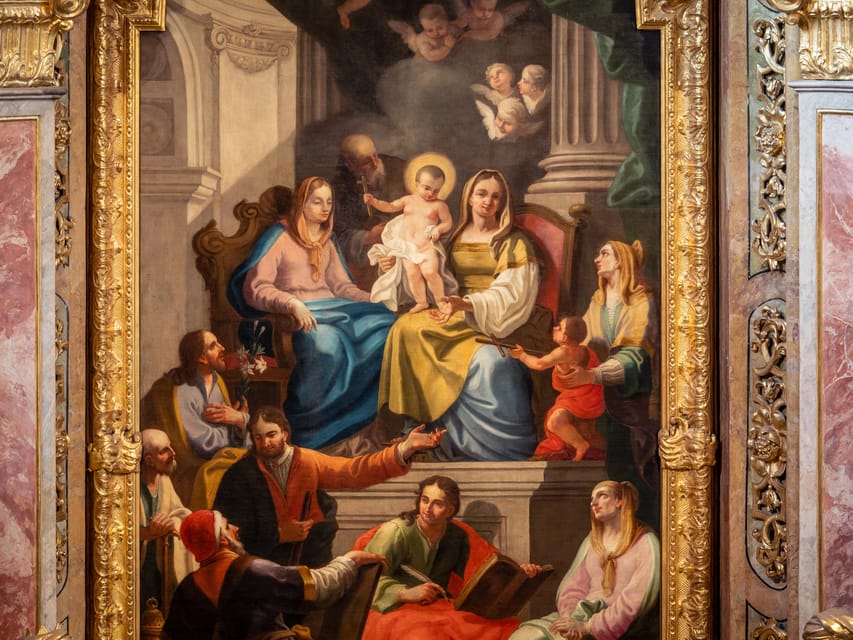
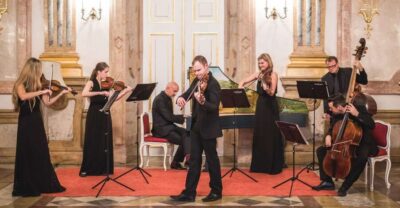
Inside, the mood is intimate rather than grand. You might notice ornate gold details, blue marble balconies, and carefully placed lighting that lets you admire the decoration without turning the church into a bright museum. The scale matters. You are close enough to watch the players’ hands and bows, not just hear a distant performance from a stage.
The church’s acoustics are another major reason to choose this concert. Strings carry naturally in the enclosed space, giving the music a rounded, lingering quality. That sound can be beautiful, though it also means individual notes may blend more than they would in a modern concert hall. If you prefer crisp, dry acoustics, this may not be your ideal venue. If you like music with a little echo and atmosphere, Annakirche is a fine match.
More Concerts in Vienna
- Vienna: Vivaldi’s Four Seasons Concert in Karlskirche
★ 4.7 · 14,951 reviews - Vienna: Classical Concert in the World-Famous Musikverein
★ 4.6 · 6,673 reviews - Vienna: Classical Concert at St. Stephen’s Cathedral
★ 4.1 · 4,177 reviews
Arriving early for the best free seats
There is no assigned seating. You choose from the available seats when you enter, so I would plan to arrive 30 to 40 minutes before the 8 PM start, especially if seeing the musicians clearly matters to you.
Front-row seats provide the most direct view. You can watch the ensemble coordinate entrances, shifts in dynamics, and bowing technique. From farther back, the sound remains clear, but the musicians may sit lower than you expect, and the view can be partly blocked by people in front.
Some side seats are described as softer and more comfortable, which may help if you care more about sitting well than being directly in front. The choice is simple: arrive early for visibility, or arrive closer to showtime and accept whatever position remains.
The early arrival also gives you a few quiet minutes to look around. This is not a guided church visit, so the building itself rewards a little unhurried attention. Look up at the decorative details, take in the unusual color of the marble, and notice how the lighting frames the performance area.
Keep your arrival calm and discreet. Late entry can interrupt the music, and this is a quiet room where small disturbances carry. One reported problem involved late arrivals, while another involved talking during the performance. The venue is intimate enough that ordinary concert manners make a real difference.
The 8 PM program and the musicians
The concert begins at 8 PM and lasts about 70 minutes. The exact program can include complete works by Mozart, Haydn, Beethoven, or Schubert, all central figures of the Viennese Classical tradition.
This is not presented as a collection of short pop-style classical favorites. The program focuses on complete pieces, often written for string quartet or a similar small ensemble. That gives you a better sense of how the music develops, rather than offering only familiar opening movements.
The ensemble is made up of musicians from respected Viennese orchestras. Accounts of the evening regularly describe the performers as technically strong, passionate, and highly polished. The close seating lets you see the players working together, which is part of the pleasure. A quartet is not four soloists taking turns. It is a conversation, with musical ideas passing from one instrument to another.
The program can be especially rewarding if you know little about classical music. Several selections are accessible without preparation, and the small format makes the structure easier to follow. You can listen for a melody returning, a sudden change in energy, or the way one instrument supports another.
The music varies from night to night, so you should not book this expecting one fixed set list. If you have a strong preference for a particular composer, check the program details for your chosen date before paying.
What period instruments add to the sound
The use of period instruments is one of the most distinctive features of this performance. The goal is not to make the music sound old-fashioned. It is to give you a closer idea of the colors and balance composers such as Mozart and Schubert knew.
Historical instruments can have a lighter or more textured sound than their modern counterparts. One detailed account noted 18th-century instruments and gut strings rather than modern bow strings. In a small church, those details can be noticeable because you are sitting close to the ensemble.
You may hear a more delicate attack, a less heavy bass line, or a different blend between the four parts. The long reverberation of Annakirche then adds its own layer. The result is not a laboratory reconstruction of an 18th-century concert, but it does connect the music to its period in a meaningful way.
I like this feature because it gives the concert a clear purpose beyond simply placing classical music in a pretty building. You are hearing familiar composers through a sound world shaped by their era. Even if you cannot identify a gut string or historical bow, you can still notice that the performance feels lighter and more transparent than a large modern orchestral concert.
More concerts:
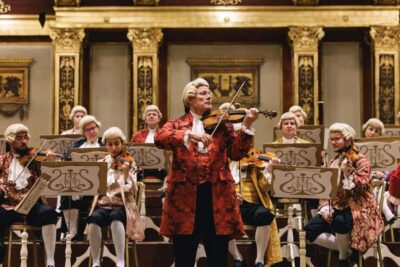
- Vienna: Mozart Concert at the Golden Hall
★ 4.6 · 3,986 reviews - Vienna: Classical Concert at Mozart’s First House
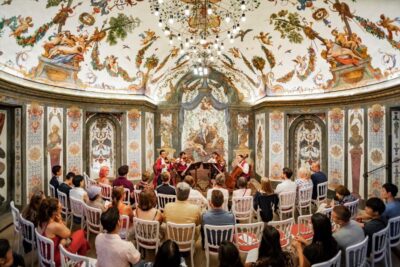
2,423 reviews - Vienna: Mozart and Strauss Concert at Schönbrunn
★ 4.5 · 2,364 reviews - Vienna Classical Concert at St. Peter’s Church
★ 4.5 · 2,039 reviews
Mozart, Haydn, Beethoven, and Schubert in a small room
The first Viennese School is well represented here. Mozart can sound elegant and finely balanced in a quartet setting. Haydn often brings sharper humor and stronger rhythmic drive. Beethoven can feel more restless and forceful, while Schubert adds a lyrical quality that suits the church’s long echo.
One particularly memorable program included Mozart, Haydn, and Mendelssohn. Haydn’s Kaiser Quartet was described as energetic, harmonically full, and especially moving in its slow movement. That kind of response is exactly what a live concert can offer: a piece you may have overlooked on a recording suddenly has room to speak.
Schubert is a good fit for this venue as well. His melodies can linger in the reverberant church, though the echo may soften fast passages. If you are new to classical concerts, do not worry about recognizing every work. Simply listen for changes in pace and mood. The program sheet helps identify the pieces, and the complete works give you time to settle into each one.
The music is serious, but the occasion does not need to feel formal or intimidating. You do not have to know the difference between a rondo and a minuet. Sit quietly, listen, and let the musicians do the explaining.
How the evening fits into a Vienna itinerary
The 8 PM start is useful. You can spend the afternoon at a museum, stroll through the historic center, and have dinner nearby before walking to Annagasse.
Because the church is close to the State Opera, it works well on a night when you could not secure an opera ticket or did not want to commit to a much longer production. It is also a good choice after a busy sightseeing day. The 70-minute length is long enough to feel like a proper concert, but short enough that you still have time for a late drink or dessert afterward.
The surrounding pedestrian area is pleasant for an evening walk, with cafés and restaurants nearby. You should allow extra time to find the church entrance in the narrow central streets, especially if you are navigating after dark. The address is Annagasse 3b, and the venue is not far from the main opera district.
This is a sit-down experience, not a tour with a guide or several stops. That simplicity is part of its appeal. You arrive, choose a seat, listen, and leave with the central sights of Vienna still close at hand.
Is $38 good value?
At $38 per person, I consider this a strong-value cultural experience in central Vienna. The ticket includes free seating and a concert program, and the performance gives you live music, a historic church, period instruments, and a convenient evening time.
You can pay much more for major opera or concert performances in Vienna, particularly for desirable dates and seats. Those productions offer a different scale and prestige, so this concert should not be treated as a replacement for the Vienna State Opera or Musikverein. It is a smaller, simpler night of music.
The value comes from the combination. If you paid $38 only for a short performance in an ordinary room, the price would feel less appealing. Here, the church is part of the event. You are paying for the sound, the musicians, the setting, and the easy location.
The strongest value applies if you want a taste of Vienna’s musical identity without spending a full evening at the opera. It is also a good option if your budget is limited or if formal concert halls feel too demanding. At 70 minutes, the commitment is modest.
The drawbacks to consider
Free seating is the clearest practical weakness. A late arrival could leave you at the side or toward the back, where the view is less direct. Arriving 30 to 40 minutes early solves most of this, but it means adding waiting time to your evening.
The church is heated during the cold months, which is welcome in winter. In summer, however, it can feel warm inside. Bring water and dress with that possibility in mind.
The acoustics are usually a strength, but reverberation is not perfect for every passage. Fast music may sound less sharply separated than it would in a purpose-built hall. The intimate layout also means snoring, whispering, phone use, or late entry can be distracting. Recording the performance is not permitted, and a flash interruption can spoil the atmosphere for everyone.
Finally, the ensemble may not be raised high above the audience. If you are short or seated behind a tall person, the view can be limited. For this reason, arriving early is not just about getting close. It is about choosing a sightline.
Who should book this concert?
I would recommend it to first-time classical concertgoers, couples looking for a calm evening, and anyone who wants a distinctly Viennese cultural experience without an expensive formal night at the opera.
It suits you especially well if you enjoy historic interiors, chamber music, and performances where you can watch the musicians closely. You can also enjoy it without knowing much about classical music. The music is accessible, the program is supplied, and the setting does much of the welcoming.
Classical music experts may appreciate the period instruments and complete works, but they should check the date-specific program if they want a particular composer. The event is less suitable if you need assigned seats, dislike echoing spaces, or want a large-scale orchestral production.
Booking and practical details
You can cancel up to 24 hours before the concert for a full refund, and a reserve-now, pay-later option is available. Check the available start time when booking, though the listed performances begin at 8 PM.
The meeting point is St. Anne’s Church, Annagasse 3b. From the Vienna State Opera, it is about a three-minute walk. From the Karlsplatz or Stephansplatz underground stations, allow roughly five minutes on foot.
Plan to arrive early, keep your phone silent, and do not use flash or record during the performance. The church is heated in the colder months. In warmer weather, carry water.
Should you book the St. Anne’s Church concert?
Yes, if you want an affordable, intimate evening of live classical music in a remarkable Vienna setting. The musicians, acoustics, period instruments, and ornate church all reinforce one another, and the 70-minute format is easy to fit into a packed itinerary.
Book it with realistic expectations. This is not the opera, not a full orchestra, and not a guided architectural visit. It is a compact string performance in a small Baroque church. Arrive early for the best seats, check the program if you favor a certain composer, and you will get one of the better-value music experiences in central Vienna.
FAQ
How long does the concert last?
The concert lasts 70 minutes.
What time does the concert begin?
Concerts begin at 8:00 PM.
Where is St. Anne’s Church located?
St. Anne’s Church is at Annagasse 3b in central Vienna.
How far is the church from the Vienna State Opera?
The church is about a three-minute walk from the Vienna State Opera.
How far is the venue from the underground stations?
St. Anne’s Church is about five minutes on foot from the Karlsplatz and Stephansplatz underground stations.
Is seating assigned?
No. Seating is free, or first come, first served. Arriving 30 to 40 minutes early can improve your chance of getting a front seat.
Which composers may be included?
The program includes complete works by Mozart, Haydn, Beethoven, or Schubert. The exact selection can vary.
Are period instruments used?
Yes. The musicians perform on period instruments associated with the time of Mozart and Schubert.
Is the church heated?
Yes. St. Anne’s Church is heated during the cold months of the year.
Just added around Vienna
- Mobile puzzle rally tour at the Vienna Central Cemetery★ 4.5 · 3 reviews
- RAXI (E-Rickschaw) big private Vienna tour★ 4.5 · 3 reviews
- 8 days European Highlights PRIVATE TOUR from Budapest including Budapest Vienna Prague and Bratislava★ 5.0 · 3 reviews
- Private Transfer from Vienna to Prague with 1 hour Stop in Kutna Hora★ 4.5 · 3 reviews
- Palais Lobkowitz Audio Guide Tour★ 4.0 · 3 reviews
- Private Tour from Vienna to Melk and Dürnstein★ 4.5 · 3 reviews
- Vienna: Designer Fashion Time Capsule Experience★ 5.0 · 3 reviews
- Private day trip from Munich to Eagle’s Nest & Hallstatt★ 4.7 · 3 reviews
Concerts, compared.
Vivaldi’s Four Seasons Concert in Karlskirche
Read our review →
Classical Concert in the World-Famous Musikverein
Read our review →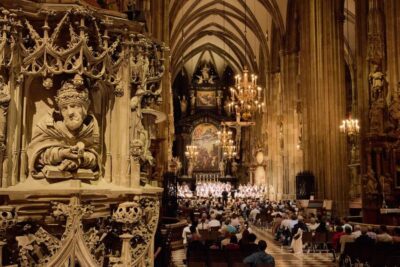
Vienna Classical Concert at St. Peter’s Church
Read our review →Browse the lists this tour appears in