
Reviewed · CONCERTS
Vienna: Vivaldi’s Four Seasons Concert in Karlskirche
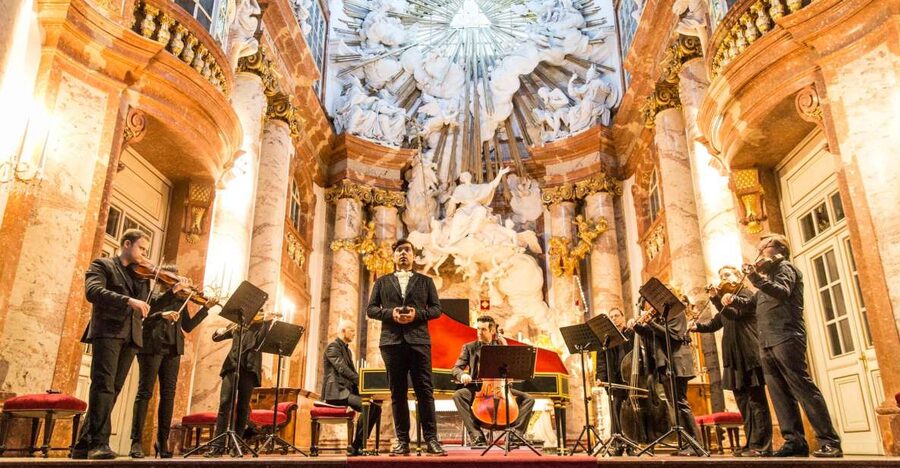
Classical music feels different inside a church. Vienna’s Karlskirche gives Vivaldi’s Four Seasons a striking setting, while Orchestra 1756 uses period instruments to create a lean, lively sound that feels close to the music’s original world. I especially like the magnificent church interior and the animated performance style of the lead violinist. The main drawback is comfort: the church can be very cold in winter, hot in summer, and some rear seats offer a weak view and more echo.
At about $40 per person for 75 minutes, this is a strong-value evening activity if you want music without committing to a full opera or symphony performance. Pay close attention to the seating category, arrive early, and dress for the season. A cheap seat may still deliver beautiful music, but it may not give you much of a view of the musicians.
In This Review
- Key points to know before booking
- Why Karlskirche makes the music feel special
- The 75-minute program, from spring to winter
- Orchestra 1756 and the period-instrument sound
- Choosing a seat inside Karlskirche
- Staying comfortable through the concert
- Is the $40 price good value?
- Who will enjoy this concert most?
- Simple planning advice for a smoother evening
- Should you book the Karlskirche Vivaldi concert?
- FAQ
- How long does the Karlskirche Vivaldi concert last?
- What music is performed?
- Are other composers included?
- What instruments does Orchestra 1756 use?
- Is the church cold?
- Can I take photographs during the concert?
- What time do the doors open?
- Can I enter if I arrive late?
- Can I leave and come back during the performance?
- Are children and wheelchair users allowed?
Key points to know before booking
- Vivaldi’s Four Seasons anchors the program: You hear all four concertos, from Spring through Winter, usually with one or two extra works.
- Orchestra 1756 plays on period instruments: The historical setup gives the music a sharper, more textured character than a large modern orchestra.
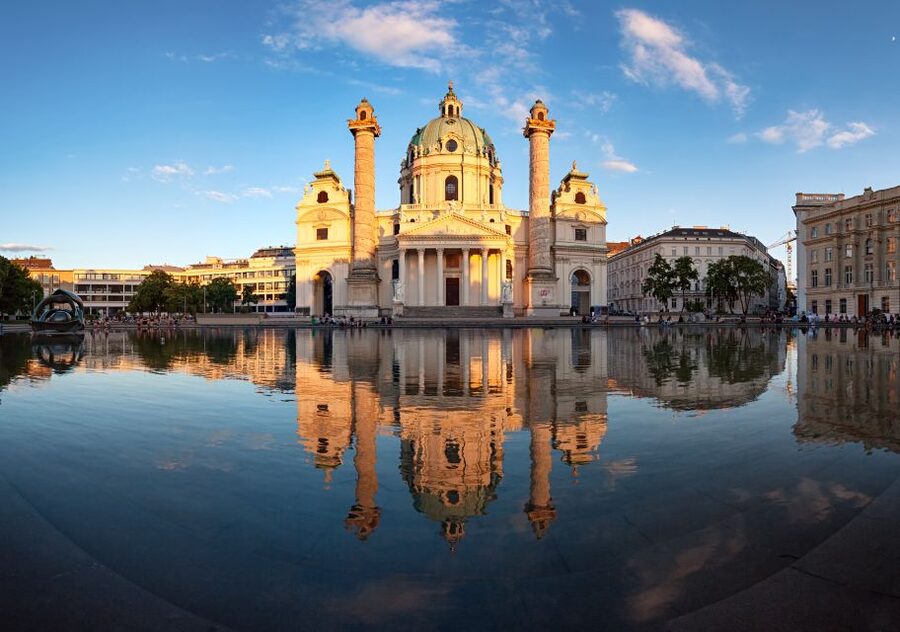
- Karlskirche is part of the experience: The ornate church interior and altar provide a memorable backdrop.
- Seating changes the evening: Front and middle sections offer the best chance to see the musicians closely, while the far back can feel distant.
- The church temperature matters: Winter concerts can be genuinely cold, though blankets and, in some seats, under-seat heat help.
- Arrive at least 30 minutes early: Late entry is not allowed once the performance begins, and leaving means you cannot re-enter.
Why Karlskirche makes the music feel special
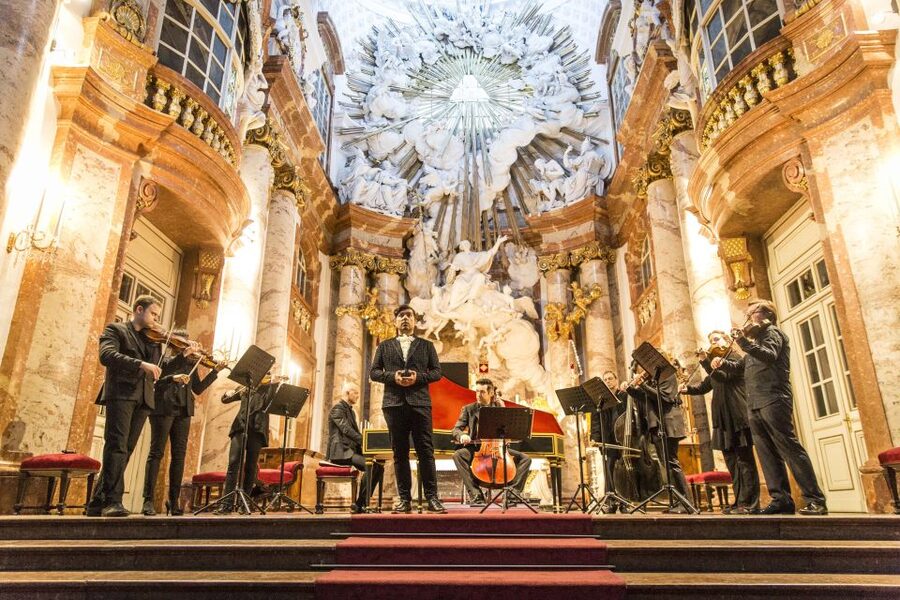
Karlskirche is not a plain concert hall with a few decorative touches. The music takes place inside a grand church, with its large interior, artwork, and altar forming the visual setting for the performance. Even before the first note, you are looking at a building that gives the evening a sense of occasion.
That setting suits Vivaldi unusually well. The Four Seasons is program music, meaning the notes suggest scenes from nature and daily life. You hear birdsong, storms, cracking ice, a sleeping shepherd, and hunting parties. Inside Karlskirche, those changes can feel almost theatrical. The echo adds atmosphere, though it is not always an advantage.
The acoustics work best from the front and middle of the church. From the back, the sound may seem less direct, with extra reverberation softening the detail. One person seated in the balcony found the sound less clear, while another in a far-back category reported both a muted performance and a strange echo. If hearing the fine detail matters to you, I would spend more on a better section rather than treating every seat as equal.
More Concerts in Vienna
- Vienna: Classical Concert in the World-Famous Musikverein
★ 4.6 · 6,673 reviews - Vienna: Classical Concert at St. Stephen’s Cathedral
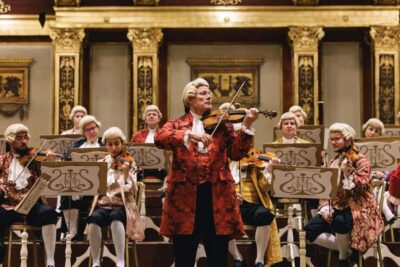
★ 4.1 · 4,177 reviews - Vienna: Mozart Concert at the Golden Hall
★ 4.6 · 3,986 reviews
The 75-minute program, from spring to winter
The concert’s main work is Vivaldi’s Le quattro stagioni, or The Four Seasons. It includes four violin concertos from Vivaldi’s Opus 8:
- Spring, Op. 8 No. 1
- Summer, Op. 8 No. 2
- Autumn, Op. 8 No. 3
- Winter, Op. 8 No. 4
The performance begins with the light, bright energy of Spring. The solo violin carries the birdsong and pastoral scenes, and the compact ensemble can make the musical conversation easy to follow. This is one reason I like a period-instrument performance: the sound tends to feel nimble rather than heavy.
Summer changes the mood. Vivaldi’s storm music gives the violinist and ensemble a chance to create tension, with fast passages and sharp contrasts. In a church, the reverberation can make the dramatic moments feel large, although it can also blur the quickest notes if you are sitting far away.
Autumn brings a more festive character, with dance-like passages and music associated with hunting. It is a good reminder that the concert is not one long stretch of solemn classical music. The mood keeps changing, and the lead violinist’s expression and physical connection with the ensemble add to the sense of a live performance.
Winter closes the central program with some of Vivaldi’s most recognizable sounds. The music suggests cold, wind, slipping on ice, and a warm fire indoors. In the actual church, especially during a winter evening, the subject feels rather immediate. Bring gloves or hand warmers if you feel the cold easily.
The program may also include one or two additional works. These change from week to week and can include music by Wolfgang Amadeus Mozart, Johann Sebastian Bach, Heinrich Ignaz Franz Biber, and other major composers. This variation is useful if you return to Vienna or attend more than once, but it also means you may not know the full program in advance. If you want a specific composer, check the current details before booking.
Orchestra 1756 and the period-instrument sound
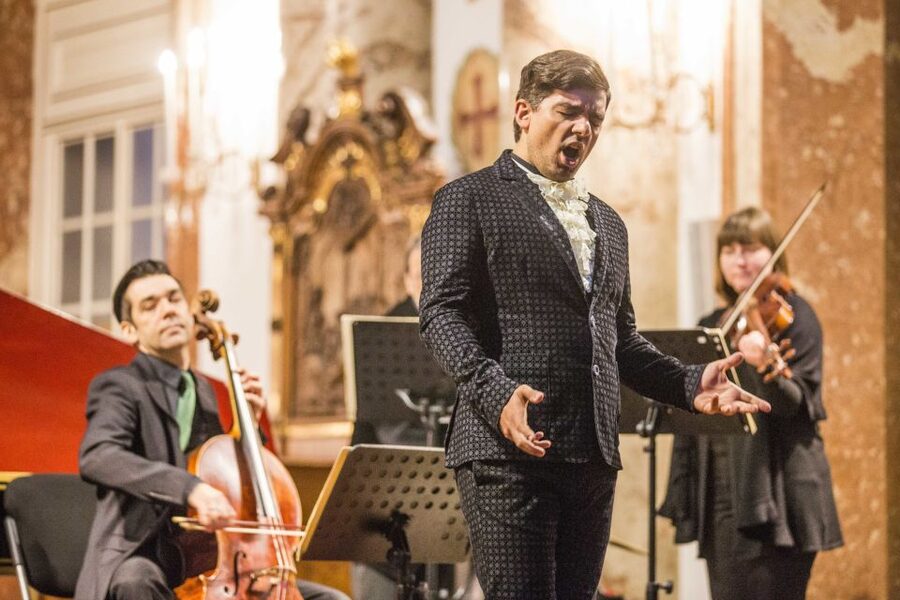
Orchestra 1756 is a classical period-instrument ensemble. The point is not simply that the instruments are old-looking. Period performance aims to reflect the sound, balance, and playing style associated with the era in which the music was written.
For you, that often means a more transparent texture. You can hear the solo violin set against the supporting strings and basso continuo, rather than hearing a large modern orchestra create a thick wall of sound. The result can be lively, direct, and full of small details.
The lead violinist is central to the performance. Several audience accounts singled out the soloist’s energy, expressive face, and close connection with the other musicians. That visual contact matters, especially in the quick exchanges between the violin and ensemble. From the first few rows, you can watch the musicians react to one another. From the back, you may mainly hear the music without seeing much of that interaction.
The ensemble has also been described as a nine-piece group in the concert setting. The compact size works well for Vivaldi. You are not watching a huge orchestra spread across a stage. Instead, the performance feels more concentrated, with the soloist and accompanying players clearly connected.
Choosing a seat inside Karlskirche
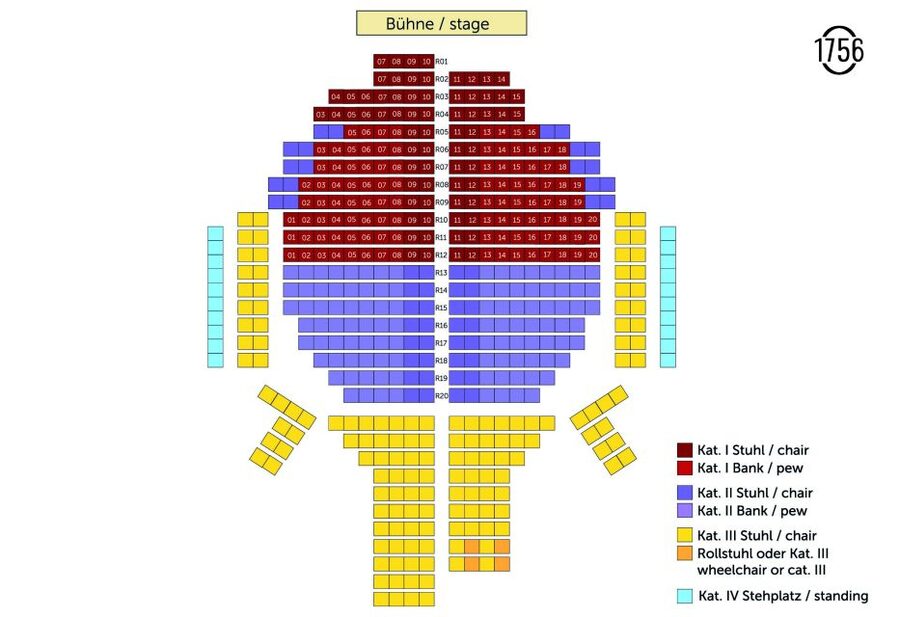
Seating is the most important practical choice you make. The categories are not just a matter of prestige. They affect how close you are, how clearly you see the musicians, and how direct the sound feels.
Category 1 or front-section seats are the best choice if your budget allows. Several people who sat in the first few rows described the close view as a major part of the enjoyment. You can see the lead violinist’s technique and the musicians’ expressions, not just hear the notes. For a performance built around a solo violin, that is valuable.
Middle seats offer a sensible compromise. One audience member seated in the middle was happy with both the view and sound. You remain close enough to follow the performance without paying for the very front.
Rear or Category 3 seats can still work if the church atmosphere matters more than the visual detail. You will hear the concert, but the musicians may be difficult to see. The flat seating layout creates another issue: a tall person in front can block your view. That is worth considering if watching the performance is important to you.
The balcony may not always be open. If it is available, do not assume it is automatically the best location. A balcony position can give you a broad view of the church, but the sound may be less clear than it is closer to the ensemble.
Arrive early. Doors open 30 minutes before the concert, and some people use that time to choose a seat within their booked area. Once the music begins, no late entry is allowed. You also cannot leave and return, so use the restroom before taking your seat.
More concerts:
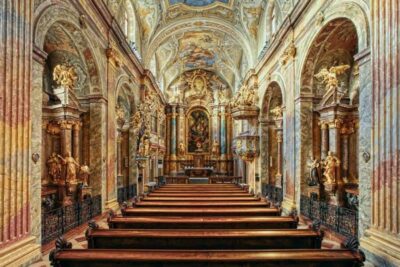
- Vienna: Classical Concert in St. Anne’s Church (Annakirche)
★ 4.6 · 3,414 reviews - Vienna: Classical Concert at Mozart’s First House
2,423 reviews - Vienna: Mozart and Strauss Concert at Schönbrunn
★ 4.5 · 2,364 reviews - Vienna Classical Concert at St. Peter’s Church
★ 4.5 · 2,039 reviews
Staying comfortable through the concert
The concert lasts 75 minutes. That is long enough to hear the complete Four Seasons and perhaps additional music, but short enough to avoid turning a hard church seat into an endurance test.
Temperature is the main concern. Karlskirche does not have air conditioning, so winter can be cold and summer can be hot. In the colder months, blankets are placed on the seats, and some front seats have heating underneath. Those touches help, but do not replace a warm coat.
I would wear layers, thick socks, and gloves in winter. Hand warmers are a smart extra, especially if your fingers get cold quickly. One person found the church very cold even with a blanket, while others found the combination of blankets and heated seating comfortable. Expect variation depending on the season and your exact seat.
The pews can be hard. Most people find 75 minutes manageable, but a longer concert might be uncomfortable. If you are sensitive to firm seating, a front chair or a better seat category may be preferable, though the precise seat type can vary by area.
Food and drinks are not allowed inside. Large bags and luggage are also prohibited, and there is no cloakroom included. Plan to arrive without bulky items. Cameras are not allowed during the performance, although you can take pictures before and after. This is frustrating if you want a concert photograph, but it keeps the room dark and free from glowing screens.
Is the $40 price good value?
At roughly $40, the concert offers good value for a central Vienna evening, particularly if you already enjoy classical music. You get 75 minutes of live performance, a famous work, a historic church setting, and a period-instrument ensemble. A comparable formal concert can cost much more, especially when you add transport, drinks, or a long running time.
The value depends heavily on your expectations. If you want a close look at the musicians, the least expensive category may disappoint. You could be seated far back, with a blocked view and more echo. Spending extra for Category 1 or an early seat in a favorable section can make the evening feel much more worthwhile.
If you are unsure about classical music, this is still a reasonable introduction. The Four Seasons is familiar, varied, and easy to picture. The thunder, birds, storms, and icy winter scenes give you something to listen for, even if you do not know the technical language of music.
For a dedicated classical music fan, the period instruments and intimate ensemble are the main reasons to book. For a casual visitor, Karlskirche may be just as important as Vivaldi. You are buying a combination of music and setting, not only a seat at a concert.
Who will enjoy this concert most?
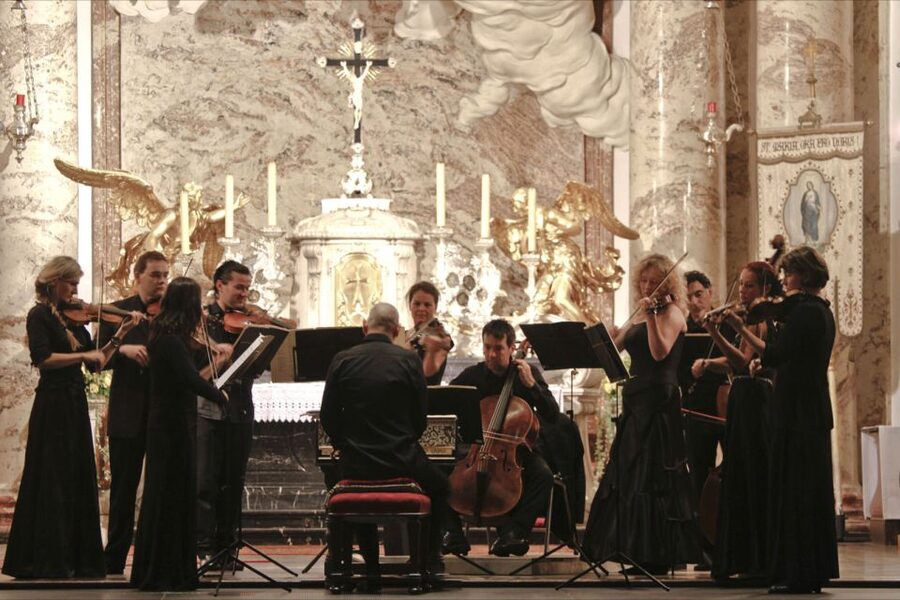
I would recommend it to couples, solo visitors, and small groups looking for a polished evening activity. It also works well as a final-night event, when a concert inside one of Vienna’s grand churches gives your trip a memorable closing note.
It suits music lovers who want to hear Vivaldi in a compact ensemble. It also suits people who want to try classical music without spending several hours at the opera. The program is familiar enough for beginners, but the period performance gives experienced listeners a reason to pay attention.
Children under six are not admitted, and unaccompanied minors are not allowed. The experience is not suitable for wheelchair users. If you have mobility concerns, check carefully before paying, since the venue and seating arrangements may not meet your needs.
This is not the right choice if you need air conditioning, soft seating, a fully accessible venue, or the freedom to come and go. It is also a poor fit if you plan to arrive at the last minute. The doors close once the concert starts, and re-entry is not allowed.
Simple planning advice for a smoother evening
The meeting point can vary by the option you book, so check your confirmation rather than assuming every ticket uses the same entrance. Allow enough time to reach Karlskirche, find the correct entry point, and settle into your seating area before the doors close.
Do not bring food, drinks, pets, strollers, smoking materials, vaping devices, alcohol, drugs, or large luggage. Bare feet are also prohibited, which is an unusual rule but easy enough to follow. Cameras must remain unused during the performance.
You can cancel up to 24 hours in advance for a full refund, and the reserve-now, pay-later option helps if your Vienna plans are still moving around. Check availability for the starting time that fits your evening, since the concert schedule can vary.
Should you book the Karlskirche Vivaldi concert?
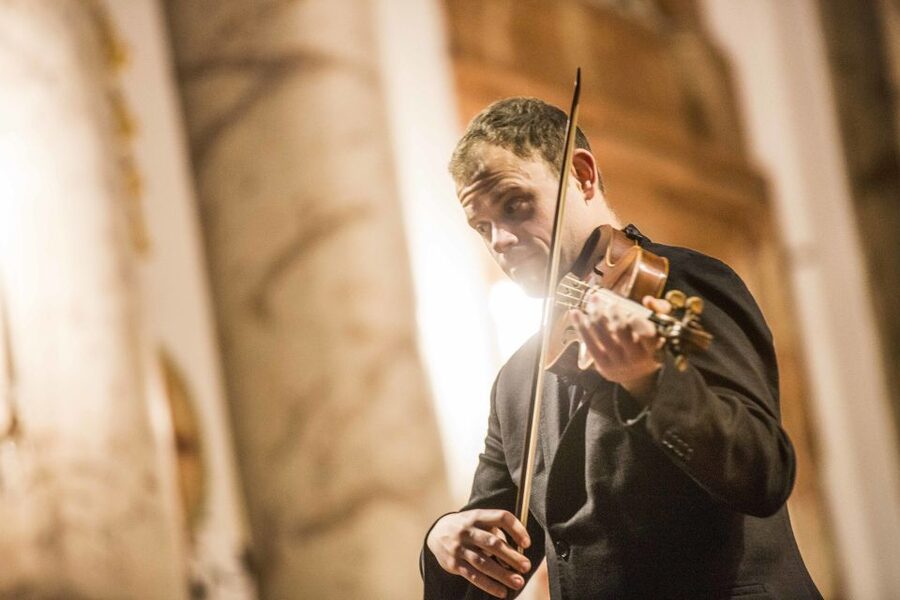
Book it if you want beautiful music in a beautiful room, especially if you can choose a front or middle seating category. The combination of Karlskirche, Vivaldi’s instantly recognizable music, and Orchestra 1756’s period instruments creates an atmospheric evening at a fair price.
I would spend more for a close seat if you care about watching the musicians. If your priority is simply hearing the music and enjoying the church, a rear seat may be enough, but go in knowing that the view and acoustics can be weaker.
Bring warm clothing in winter, arrive 30 minutes early, and treat the no-entry rule seriously. With those small preparations, this is one of Vienna’s easiest ways to enjoy live classical music without making the evening feel formal or intimidating.
FAQ
How long does the Karlskirche Vivaldi concert last?
The concert lasts 75 minutes.
What music is performed?
The main program is Vivaldi’s Four Seasons, including Spring, Summer, Autumn, and Winter from Opus 8.
Are other composers included?
One or two additional works may be included. The selection changes from week to week and can feature Mozart, Bach, Biber, and other major composers.
What instruments does Orchestra 1756 use?
Orchestra 1756 performs on period instruments. The concert is built around a string ensemble, solo violin, and basso continuo.
Is the church cold?
It can be cold in winter. Karlskirche has no air conditioning, so it can also be hot in summer. Blankets are provided, and some seats may have heating underneath.
Can I take photographs during the concert?
No. Photography is not allowed during the performance, although you may take pictures before and after it.
What time do the doors open?
Doors open 30 minutes before the concert starts.
Can I enter if I arrive late?
No. Entry is not permitted after the concert has started.
Can I leave and come back during the performance?
No. Leaving the concert means you cannot re-enter the hall.
Are children and wheelchair users allowed?
Children under six are not admitted, and the experience is not suitable for wheelchair users. Unaccompanied minors are also not allowed.
Just added around Vienna
- Mobile puzzle rally tour at the Vienna Central Cemetery★ 4.5 · 3 reviews
- RAXI (E-Rickschaw) big private Vienna tour★ 4.5 · 3 reviews
- 8 days European Highlights PRIVATE TOUR from Budapest including Budapest Vienna Prague and Bratislava★ 5.0 · 3 reviews
- Private Transfer from Vienna to Prague with 1 hour Stop in Kutna Hora★ 4.5 · 3 reviews
- Palais Lobkowitz Audio Guide Tour★ 4.0 · 3 reviews
- Private Tour from Vienna to Melk and Dürnstein★ 4.5 · 3 reviews
- Vienna: Designer Fashion Time Capsule Experience★ 5.0 · 3 reviews
- Vienna Sight & Gourmet Tour – individual private tour★ 4.5 · 3 reviews
Concerts, compared.
Classical Concert in the World-Famous Musikverein
Read our review →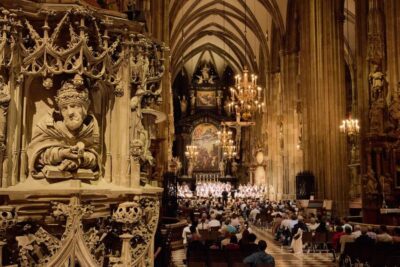
Classical Concert in St. Anne’s Church (Annakirche)
Read our review →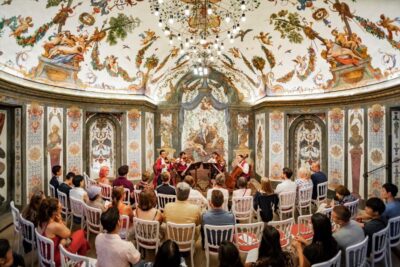
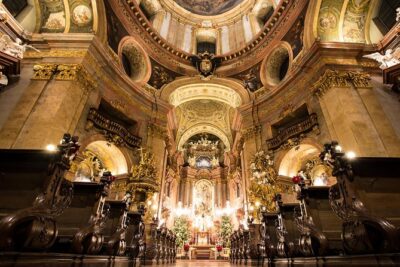
Vienna Classical Concert at St. Peter’s Church
Read our review →Browse the lists this tour appears in