
Reviewed · WALKING TOURS
Vienna: Courtyards & Hidden Places Walking Tour
Vienna keeps its best stories behind plain doors. I like that this two-hour small-group walk mixes major sights with quiet courtyards, narrow lanes, and local legends. I also like the way it moves beyond grand architecture, covering Mozart’s final residence, old city walls, Viennese food, and the truth behind famous stories.
The main consideration is pace and access. You will spend the full time walking through historic streets, and large bags are not allowed. The tour is not suitable for children under 12, wheelchair users, or people with mobility impairments, so check the route carefully before booking.
In This Review
- Key points at a glance
- Why Vienna’s courtyards make a good walking tour
- Starting at Stephansplatz and St. Stephen’s Cathedral
- Mozart’s final residence and the facts behind the legend
- Ballgasse, Blutgasse, and the old city’s narrow lanes
- Palais Neupauer-Breuner and the Deutsches Haus
- Franciscan Church, monastery, and Viennese food
- The old university district and Jesuit Church
- Vienna after war and the old city wall
- How the $34 price measures up
- Timing, group size, and practical limits
- Who should book this Vienna walk
- Should you book the Courtyards and Hidden Places tour?
- FAQ
- How long does the Courtyards and Hidden Places Walking Tour last?
- How much does the tour cost?
- Which languages are available?
- Is the tour suitable for children?
- Is the route wheelchair accessible?
- Does the price include hotel pickup and drop-off?
- Does the tour visit St. Stephen’s Cathedral?
- Do I need to take Part 1 before booking this tour?
- Can I cancel for a full refund?
Key points at a glance
- Courtyards with stories: See quieter corners of central Vienna and hear the legends attached to old buildings and passages.
- A strong mix of famous and lesser-known sights: The route includes St. Stephen’s Cathedral, Stephansplatz, Mozart’s final residence, the Franciscan Church, and the old university district.
- History told through daily life: Along with architecture, you learn about traditional Viennese cuisine, famous residents, wartime damage, and the old city wall.
- A useful continuation tour: It follows Part 1 from the same operator, but you do not need to have taken the earlier walk.
- Good value at $34: For two hours with a certified Vienna guide, the price is fair, especially if you want orientation in the historic center.
- Practical limits: The walk runs in all weather, uses German or English, and does not include hotel pickup or drop-off.
Why Vienna’s courtyards make a good walking tour
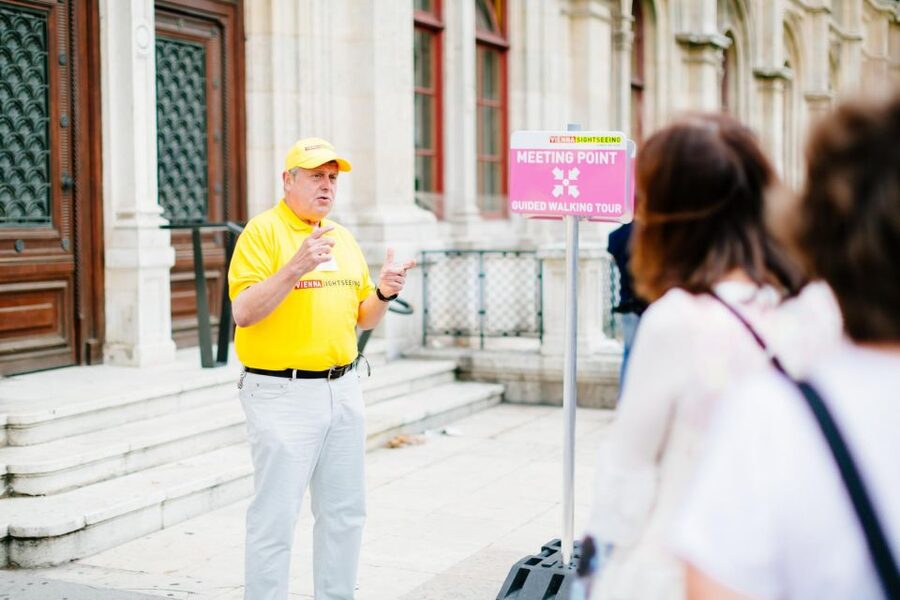
Vienna’s historic center is easy to admire from its broad squares. The harder part is noticing what lies just beyond the main streets. This walk takes you through courtyards, narrow lanes, old doorways, and tucked-away corners that can be easy to pass without understanding their place in the city.
That change of scale is the chief reason I like this experience. You are not only looking at a cathedral or palace facade. You are also hearing how people lived around these buildings, what legends grew up around them, and how Vienna changed over time.
The route appears to balance storytelling with sightseeing. You get the basic landmarks that help you understand central Vienna, then spend time on details that are less obvious. A guide can point out architectural features, explain the names of streets, and connect a quiet passage with a larger chapter in the city’s past.
The walk also has a personal tone. The guide discusses famous figures, including Mozart, but the focus is not simply on presenting a famous name and moving on. You learn more about the facts of Mozart’s life and visit the place connected with his final residence.
More Walking Tours in Vienna
- Vienna: Guided Walking Tour of City Center Highlights
★ 4.7 · 4,989 reviews - Vienna: Vienna Central Cemetery Guided Walking Tour
★ 4.8 · 3,307 reviews - Vienna: Guided Walking Tour of City Highlights & Hidden Gems
★ 4.9 · 2,180 reviews
Starting at Stephansplatz and St. Stephen’s Cathedral
The tour begins at one of Vienna’s clearest meeting points, with the exact starting location depending on the option you book. The route then reaches St. Stephen’s Cathedral and Stephansplatz, the central landmarks that most first-time visitors expect to see.
St. Stephen’s Cathedral gives the tour a grand opening. Its scale and position make it an important reference point for the rest of the walk. You receive a guided explanation rather than simply stopping for photographs, which helps you place the cathedral within the older city around it.
One useful detail is that the tour does not spend its entire time on the cathedral. A comment from one booking described a preference for seeing more courtyards and hearing less about St. Stephen’s. That is worth noting. If your main goal is a long, detailed cathedral visit, this is not the right format. If you want the cathedral as one part of a wider central Vienna walk, the balance is more appealing.
You should also separate this outdoor walk from a cathedral interior tour. The supplied details promise information about St. Stephen’s Cathedral, not a dedicated interior visit or special access. Treat the stop as part of the city walk rather than a full cathedral admission experience.
Mozart’s final residence and the facts behind the legend
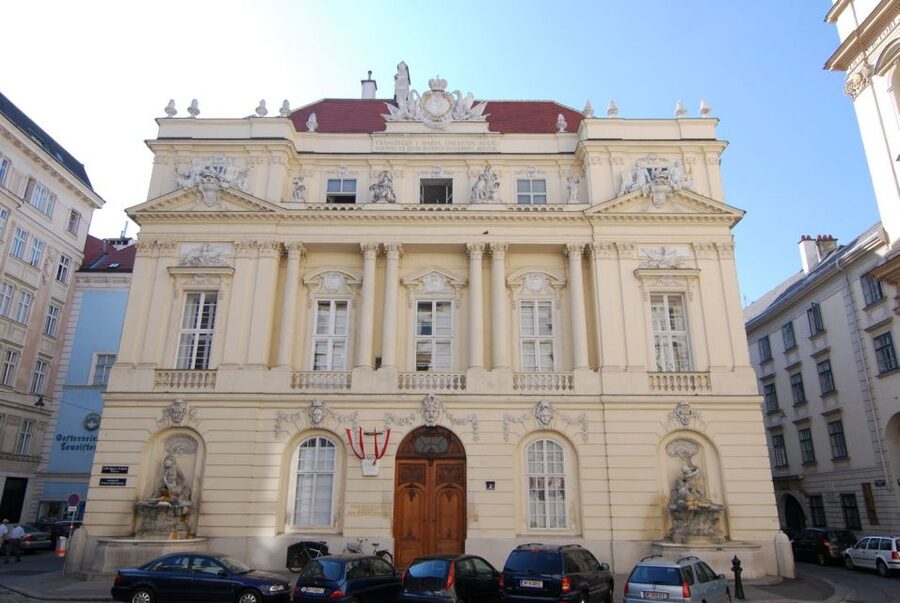
Mozart’s final residence is one of the most recognizable stops on the route. It gives the guide a chance to correct simplified versions of Mozart’s life and replace them with a more grounded account.
I like this sort of stop because famous places can become flat when they are reduced to a name and a photo opportunity. Learning what is true, what has been exaggerated, and how the site connects to Mozart’s final years gives the location more meaning.
The route includes Domgasse, one of the old streets near the cathedral, which adds useful context to the Mozart stop. This part of Vienna is compact, but it is packed with layers. You can move from a major religious landmark to a residence linked with one of Europe’s best-known composers within a short walk.
The tour does not promise a museum entry or a private look inside Mozart’s former home. You should book it for the guide’s explanation and the surrounding streets, not as a replacement for a full museum visit.
Ballgasse, Blutgasse, and the old city’s narrow lanes
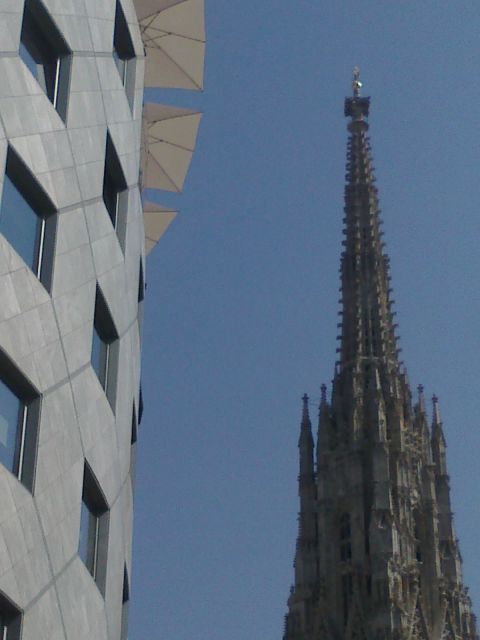
The names Ballgasse and Blutgasse make the old center sound like a storybook, and the route uses these streets to explore Vienna’s legends. Their appeal is not just visual. A guide can explain how street names, local tales, and old buildings reflect the way the city grew.
Blutgasse is especially suited to this kind of walk. Narrow lanes make you slow down and look upward, toward facades, rooflines, and details you might miss on a broader avenue. The route’s emphasis on several courtyards adds another layer. These spaces are quieter than the public squares and show a more private side of historic Vienna.
You may find that the courtyard stops are the most distinctive part of the experience. One recent assessment specifically wished for more courtyards and less time on St. Stephen’s Cathedral. That is useful guidance, not a serious flaw. It tells you that the tour’s strongest moments are likely to come when the guide leads you away from the main postcard sights.
Because many courtyards are working or residential spaces, the experience depends on access and local conditions. The provided information does not promise entry into every courtyard, so you should expect a guided look at selected places rather than unrestricted wandering through private buildings.
More walking tours:
- Vienna: Viennese Underworld Guided Walking Tour
★ 4.7 · 1,865 reviews - Vienna: World War II Historical Walking Tour
★ 4.8 · 1,772 reviews - Vienna Historic Center Small Group Walking Tour
★ 5.0 · 1,746 reviews - Vienna: Private Walking Tour with a Local Guide
★ 4.6 · 1,420 reviews
Palais Neupauer-Breuner and the Deutsches Haus
Palais Neupauer-Breuner gives the walk an architectural stop with a different feel from the cathedral. The palace name points to Vienna’s long tradition of grand urban residences, where the building itself and the surrounding street help explain how the central city developed.
The Deutsches Haus is also included, adding another notable building to the route. These stops matter because Vienna is not just a collection of isolated monuments. The historic center works as a group of streets, palaces, religious buildings, courtyards, and former homes.
You should expect guided interpretation rather than an extended palace visit. No interior admission is listed, and the activity lasts only two hours. The value is in seeing these buildings in relation to the streets around them and learning why they matter.
This is also where a good guide can make a difference. Several strong ratings praised the explanations as entertaining, clear, and full of information. One German-language assessment described the guide as especially empathetic, while another praised the friendly stories that kept the walk interesting. The supplied information does not name the individual guides, so you cannot request a particular person from the details provided.
Franciscan Church, monastery, and Viennese food
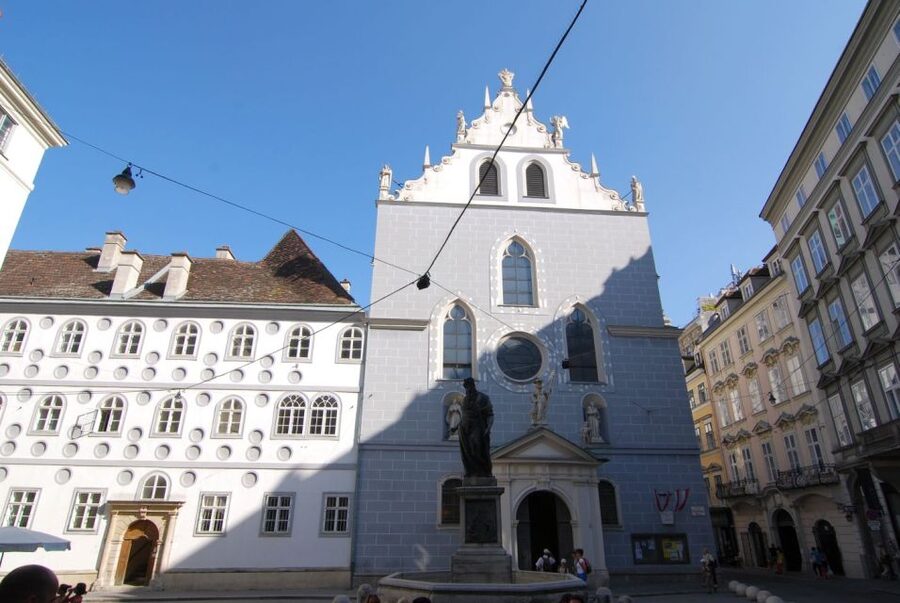
The Franciscan Church and Monastery bring a religious and architectural dimension to the walk. They also help broaden the tour beyond the cathedral. Vienna’s center contains several important churches, and seeing more than one gives you a better sense of the city’s religious architecture.
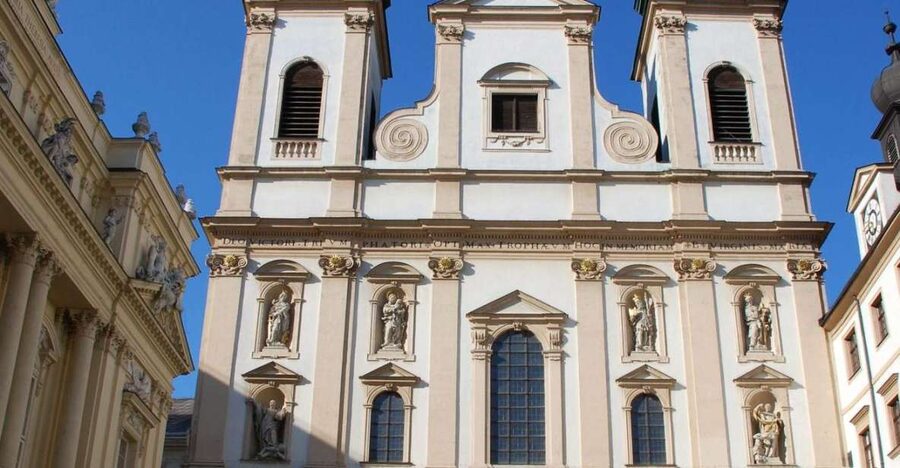
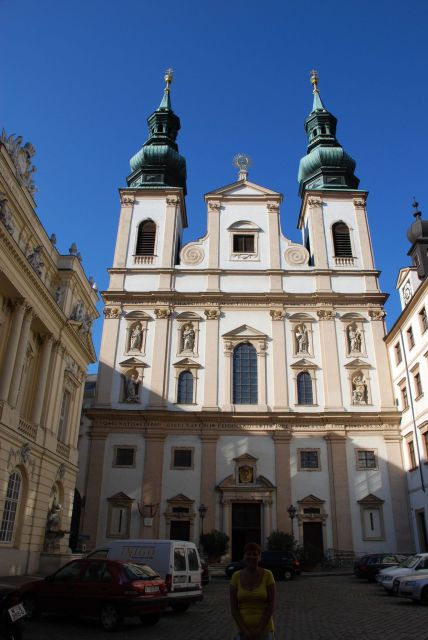
The route also includes the old university district and the Jesuit Church. This is a strong pairing. The university area introduces education and intellectual life, while the Jesuit Church adds another major religious site. Together, they show that central Vienna was shaped by more than imperial ceremony.
Food is part of the story too. The guide explains traditional Viennese cuisine, which helps connect the buildings to everyday life. You are not just walking through an old center filled with formal facades. You are learning how the city’s food traditions fit into its culture.
Do not expect a cooking class, restaurant stop, or meal included in the $34 price. The food element is cultural explanation. That is still useful, especially if you want to know more about Viennese dishes before choosing where to eat later.
The old university district and Jesuit Church
The old university district gives the route a less obvious focus. Many visitors build their Vienna plans around palaces, music, and the cathedral. This section points you toward academic Vienna and the institutions that helped shape the city.
The Jesuit Church is one of the key stops in this part of the walk. The tour’s listed route also refers to the University of Vienna, while the broader description mentions the old university district. The exact stop sequence may vary with the guide and starting option, but you should expect this section to connect historic education with church architecture.
This is a good reason to take the walk even if you have already seen Stephansplatz. The route does not end with the most obvious landmarks. It continues into a district where the stories may be less familiar, and the guide supplies the context that makes the area worthwhile.
Vienna after war and the old city wall
One particularly useful detail from the experience is the inclusion of images showing Vienna after World War II, including bomb damage. That material adds a needed modern layer to a walk focused on old buildings.
Historic centers can look untouched when you see only polished facades. Wartime photographs remind you that Vienna has not simply survived unchanged. Buildings and streets have passed through destruction, repair, political shifts, and changing daily life.
The old city wall gives the guide another way to explain how Vienna once worked as a fortified settlement. You will not just hear about the wall as an isolated fact. It becomes part of the city’s growth, showing how the old center changed as Vienna expanded.
This section is valuable for visitors who want more than pretty architecture. It also helps explain why a two-hour route can cover so much. The guide moves between buildings, street names, personal stories, food, war, and urban development rather than staying with one subject.
How the $34 price measures up
At $34 per person, this is a reasonably priced introduction to central Vienna. You get two hours with a certified tourist guide, and the route covers many important places without charging separately for a long list of optional features.
The value is strongest if you are new to Vienna or want a clear first look at the historic center. A guide can help you understand how Stephansplatz, Domgasse, Blutgasse, the old university district, and the churches fit together. That orientation can save you time later.
The price is less compelling if you want extensive interior visits. The listed inclusions cover the guide, while pickup, drop-off, and additional admissions are not included. You are paying for interpretation and route design, not a package of museum entries.
The 4.8 rating from 189 ratings also suggests a dependable experience, though you should still match the format to your interests. The most praised qualities are the informative explanations, friendly storytelling, and the guide’s ability to make a lot of history feel easy to follow. If you prefer silent sightseeing or a slow photography walk, this may feel too guided.
Timing, group size, and practical limits
The walk lasts two hours and operates in all weather. Wear shoes that can handle historic streets and bring weather protection. The information does not specify the exact surface or walking distance, so you should not assume the route will be effortless.
It is conducted in a small group, which is a real advantage in narrow lanes and courtyards. A smaller group makes it easier to hear the guide and keeps the experience more personal. One recent booking even had only two people, though you should not assume every departure will be that small.
German and English are available. The meeting point may change according to the option booked, and the listed starting point is a Bankomat location. The route finishes at Dr.-Karl-Lueger-Platz 3 in Vienna, with the exact arrangement tied to the booked option.
There is no hotel pickup or drop-off. You should plan your own way to the start and onward from the finish. Large bags and luggage are not allowed, and audio recording is not permitted.
You can cancel up to 24 hours before the start for a full refund, and the reserve-now, pay-later option keeps payment flexible. These are helpful safeguards if your Vienna schedule is still shifting, but they do not change the need to confirm the meeting point and start time before you go.
Who should book this Vienna walk
I would recommend it to first-time visitors who want an introduction with more personality than a standard landmark checklist. It suits you if you enjoy architecture, local legends, city history, famous residents, and stories about ordinary life.
It is also a good match if you have already seen the main squares but want more direction around the lesser-known lanes. The connection to Part 1 is useful for people following the same operator’s series, yet you do not need the earlier tour to understand this one.
You may want another option if your priority is a long visit inside St. Stephen’s Cathedral, museum admissions, food tasting, or a route designed for limited mobility. Children under 12 cannot join, and wheelchair users or people with mobility impairments should not book this walk.
Should you book the Courtyards and Hidden Places tour?
Book it if you want compact, story-led access to central Vienna at a fair price. The best parts are the courtyards, old lanes, Mozart connection, churches, palace facades, food history, and wartime context. The guide’s friendly, informative style is central to the experience, so the tour is strongest for people who enjoy listening as they walk.
Skip it if you want a dedicated cathedral tour, extensive indoor access, or a relaxed route with little walking. For most visitors who want to understand Vienna beyond its grandest sights, two hours and $34 make this a sensible start.
FAQ
How long does the Courtyards and Hidden Places Walking Tour last?
The tour lasts two hours.
How much does the tour cost?
The listed price is $34 per person.
Which languages are available?
The live guide conducts the tour in German or English.
Is the tour suitable for children?
No. The tour is not suitable for children under 12.
Is the route wheelchair accessible?
No. The activity is not suitable for wheelchair users or people with mobility impairments.
Does the price include hotel pickup and drop-off?
No. Pickup and drop-off are not included.
Does the tour visit St. Stephen’s Cathedral?
Yes. The route includes St. Stephen’s Cathedral and Stephansplatz with a guided explanation.
Do I need to take Part 1 before booking this tour?
No. The walk continues from Part 1 by the same operator, but you can join without having taken the earlier tour.
Can I cancel for a full refund?
Yes. You can cancel up to 24 hours in advance for a full refund.
Just added around Vienna
- Mobile puzzle rally tour at the Vienna Central Cemetery★ 4.5 · 3 reviews
- 8 days European Highlights PRIVATE TOUR from Budapest including Budapest Vienna Prague and Bratislava★ 5.0 · 3 reviews
- RAXI (E-Rickschaw) big private Vienna tour★ 4.5 · 3 reviews
- Private Transfer from Vienna to Prague with 1 hour Stop in Kutna Hora★ 4.5 · 3 reviews
- Palais Lobkowitz Audio Guide Tour★ 4.0 · 3 reviews
- Private Tour from Vienna to Melk and Dürnstein★ 4.5 · 3 reviews
- Vienna: Designer Fashion Time Capsule Experience★ 5.0 · 3 reviews
- Vienna Sight & Gourmet Tour – individual private tour★ 4.5 · 3 reviews
Walking Tours, compared.

Guided Walking Tour of City Center Highlights
Read our review →

Guided Walking Tour of City Highlights & Hidden Gems
Read our review →


Vienna Historic Center Small Group Walking Tour
Read our review →
Browse the lists this tour appears in