
Reviewed · WALKING TOURS
Wien: Tours with locals by public transport & walking
Vienna makes more sense from a tram window. This flexible small-group tour combines local transport lessons with walks to major sights and unusual architecture, giving you a practical way to get around the city. I especially like the chance to learn Vienna’s subway, tram, and bus system while seeing the city, and I like the focus on Otto Wagner and Hundertwasser rather than only the standard imperial sights. The main drawback is that the tour can feel rushed if you try to include too many districts in just two to four hours.
You and your guide decide which route fits your interests. You might concentrate on the Ringstraße and Hofburg, follow Hundertwasser from Spittelau to Hundertwasserhaus, visit Schönbrunn, or ride between several major sights. This is a useful first-day choice if you want to gain confidence using public transport, though tickets, museum admissions, food, and drinks cost extra.
In This Review
- Key points at a glance
- Why This Tour Works Best at the Start of Your Vienna Stay
- Choosing Between Vienna’s Many Possible Routes
- Hundertwasserhaus and the Ecological Ideas Behind It
- The Ringstraße and Hofburg in a Compact Walk
- Belvedere’s Garden and the One-Hour Option
- Schönbrunn and the Garden Walk
- Otto Wagner’s Vienna by Subway and Tram
- What the Transport Lessons Really Add
- Cost, Timing, and Who Gets Good Value
- The Strengths and Limits in Plain Terms
- Should You Book This Vienna Transport Tour?
- FAQ
- How long does the Vienna public transport tour last?
- Which languages are available?
- What sights can I visit?
- Are public transport tickets included?
- Are museum tickets included?
- Where does the tour meet?
- Is hotel pickup included?
- What should I bring?
- How many people are in the group?
Key points at a glance
- Vienna by local transport: Ride the subway, trams, and buses with a guide, then learn how to repeat the journeys on your own.
- Flexible route planning: Choose from options including the Ringstraße, Hofburg, Belvedere, Schönbrunn, Otto Wagner sites, and Hundertwasser buildings.
- Small group size: The group is limited to 10 people, allowing the route to be shaped around the interests of the group.
- Strong architecture theme: See Hundertwasserhaus and other Hundertwasser work, along with Otto Wagner’s subway-related designs.
- Walking and riding combined: Expect short transport connections followed by guided walks at the sights.
- Best practical tip: Wear comfortable shoes, carry money or a valid ticket for Wiener Linien, and avoid packing too many stops into a short booking.
Why This Tour Works Best at the Start of Your Vienna Stay
Vienna’s public transport system is one of the keys to seeing the city efficiently. The center is pleasant to walk, but the city’s best-known palaces, outer districts, and architectural sights are spread out. A tram or subway ride can save you a long walk, and learning the system early can save time for the rest of your visit.
This tour gives you that lesson in context. Instead of sitting through a transport briefing, you ride to real places and learn how the network connects them. You get an explanation of how Vienna’s transport system developed, then practice using it while moving between sights.
That practical value is the strongest reason to book. One highly positive experience described the tour as a way to feel comfortable taking buses and the metro instead of relying on taxis or ride-hailing services. The timing mattered: taking the tour early meant less time was wasted walking between places later in the trip.
The format is also personal. The group is limited to 10 people, and the route can be adjusted to suit the people who book it. The guide speaks English or German. In rare cases, a tour can be conducted in both languages, especially when booked at short notice or when participants have already booked in different languages. If that matters to you, contact the provider before setting out.
More Walking Tours in Vienna
- Vienna: Guided Walking Tour of City Center Highlights
★ 4.7 · 4,989 reviews - Vienna: Vienna Central Cemetery Guided Walking Tour
★ 4.8 · 3,307 reviews - Vienna: Guided Walking Tour of City Highlights & Hidden Gems
★ 4.9 · 2,180 reviews
Choosing Between Vienna’s Many Possible Routes
This is not one fixed sightseeing circuit in the usual sense. The published route can include Hundertwasserhaus, Hofburg, Belvedere, and Schönbrunn, but the full collection of stops is too much for most two-hour bookings. Even at four hours, you will need to choose carefully.
That flexibility is useful, but you should have a clear priority. Tell the guide what you most want to see at the beginning. If your main interest is architecture, ask about Otto Wagner and Hundertwasser. If this is your first visit and you want an overview, the Ringstraße and Hofburg may make more sense. If you already know the center, choose Schönbrunn, Belvedere, or a less familiar Otto Wagner site.
The starting point can vary by the option you book. Possible meeting points include the Austrian Parliament and Stubentor. The end can also vary, with listed drop-off points including the Parliament, Belvedere, and Vienna. Check your selected option carefully, since the start and finish are not necessarily the same.
Hundertwasserhaus and the Ecological Ideas Behind It
A tram ride of about 15 minutes leads to Hundertwasserhaus in the sample route. The guided visit here lasts about 45 minutes, giving you time to look at the building and hear about Hundertwasser’s ideas.
The appeal is visual, but the tour also places the building within a wider story. One possible route follows Hundertwasser’s work from Spittelau to Hundertwasserhaus, connecting several projects and early ecological concepts in Europe. That gives the architecture more meaning than a quick photograph outside one colorful building.
You should expect an exterior-focused sightseeing stop unless you choose to add a museum visit separately. Museum tickets are not included, and the tour does not promise entry to every site. If you want to visit a museum connected with Hundertwasser or another artist, ask about timing before the tour begins.
This stop will suit you if you enjoy unusual design and want something beyond Vienna’s imperial image. It may be less satisfying if your only goal is a detailed architectural lecture. The activity specifically says that detailed historical explanations are not included, so the guide’s emphasis is likely to be practical sightseeing, orientation, and the selected route rather than an academic course.
The Ringstraße and Hofburg in a Compact Walk
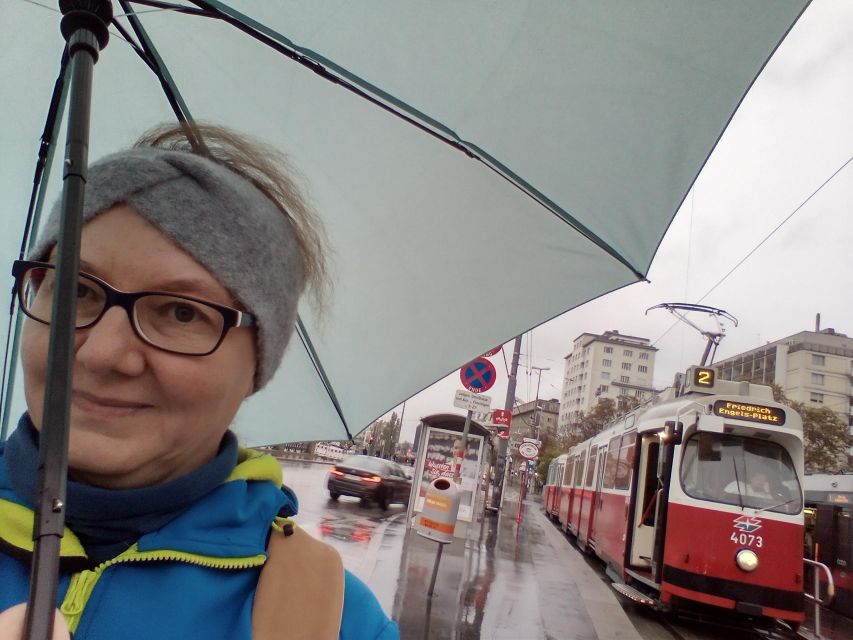
The Hofburg section in the sample route includes about 45 minutes of guided sightseeing and walking. You may reach it by public transport, depending on your chosen route, and then explore part of Vienna’s grand central district on foot.
The Ringstraße option lets you get out and visit both famous and lesser-known buildings along the boulevard. This is a smart choice for a first visit because it connects several sides of Vienna in one area: imperial architecture, public buildings, open streets, and the central palace complex.
The advantage is range. You do not simply look at the Hofburg from one viewpoint. You walk through part of the area while the guide explains what you are seeing and helps you understand how the sites fit together.
The limitation is time. A 45-minute stop cannot cover every major building around the Ringstraße, and a short tour cannot replace a dedicated Hofburg visit. You should treat this as orientation and guided sightseeing, not as admission to every palace room or museum. Museum tickets are separate if you want to go inside.
More walking tours:
- Vienna: Viennese Underworld Guided Walking Tour
★ 4.7 · 1,865 reviews - Vienna: World War II Historical Walking Tour
★ 4.8 · 1,772 reviews - Vienna Historic Center Small Group Walking Tour
★ 5.0 · 1,746 reviews - Vienna: Private Walking Tour with a Local Guide
★ 4.6 · 1,420 reviews
Belvedere’s Garden and the One-Hour Option
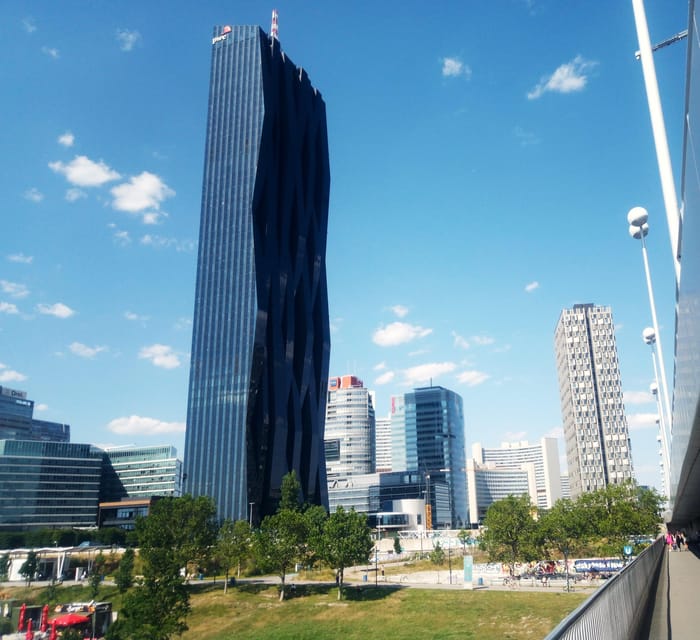
The sample route allows about 20 minutes by tram before a one-hour guided walk at Belvedere Palace. The focus is the garden, and the guide can lead you through the grounds rather than simply dropping you at the entrance.
This is a good use of the tour if you want to see Belvedere without spending your entire visit inside a museum. The garden gives you a change of pace after trams and city streets, while the guided walk helps you notice the setting and the palace buildings.
Admission to the upper and lower Belvedere museums is not included. You can arrange those tickets separately if you want to see the collections. Build in extra time if you add a museum, since the basic tour already gives the garden about an hour.
Belvedere is also one of the listed drop-off points, which may be convenient if you want to continue your day there. Do not assume that every route ends at Belvedere, though. The final point depends on the option selected and the route agreed upon with the guide.
Schönbrunn and the Garden Walk
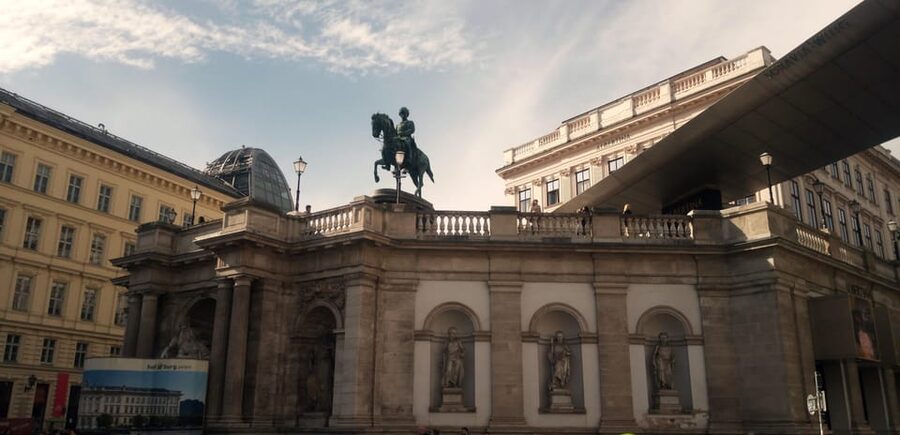
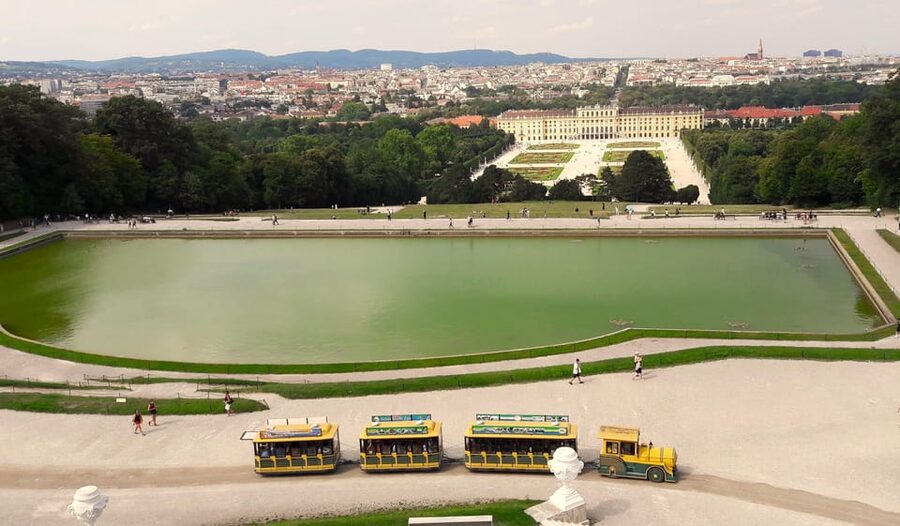
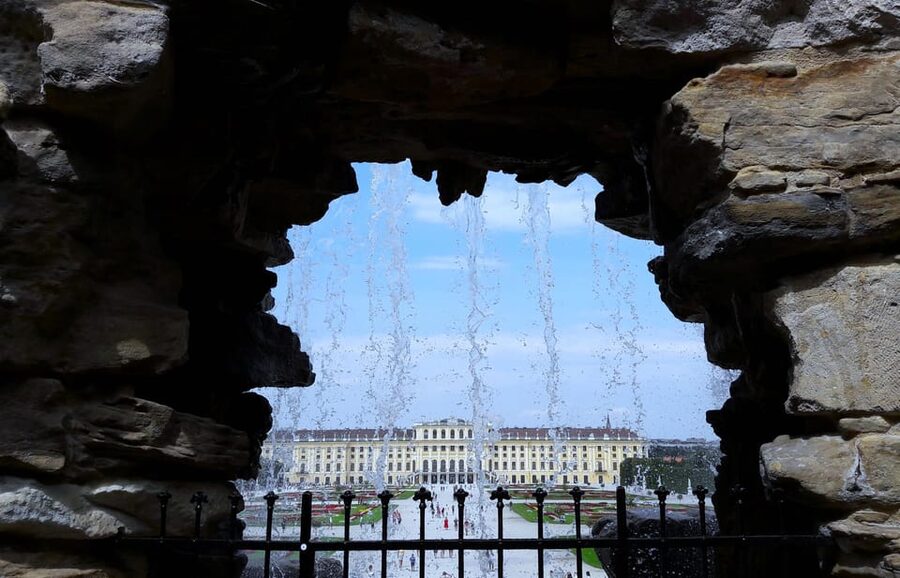
The route can continue by subway for about 20 minutes to Schönbrunn Palace, followed by roughly one hour of guided walking. The experience can include a garden walk, making it a useful choice if you want to see the palace grounds but do not plan to spend the day inside the palace.
Schönbrunn is farther from central Vienna than the Ringstraße and Hofburg, so the transport lesson is especially useful here. You learn how to make the journey, then gain a route you can repeat later if you want more time at the palace.
As with Belvedere and Hofburg, you should not assume interior admission is included. The supplied details specifically exclude tickets for museums and other attractions you may visit during or after the tour. Ask before booking if your main goal is to tour the palace rooms.
The main concern is pace. A route that includes Hundertwasserhaus, Hofburg, Belvedere, and Schönbrunn involves several rides and only brief visits. I would choose Schönbrunn as a major focus rather than trying to squeeze it into a tour already centered on the Ringstraße and Hundertwasserhaus.
Otto Wagner’s Vienna by Subway and Tram
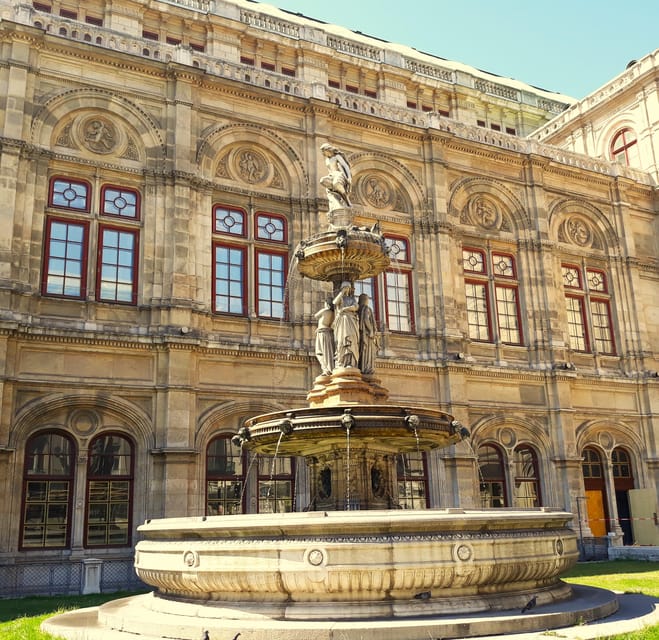
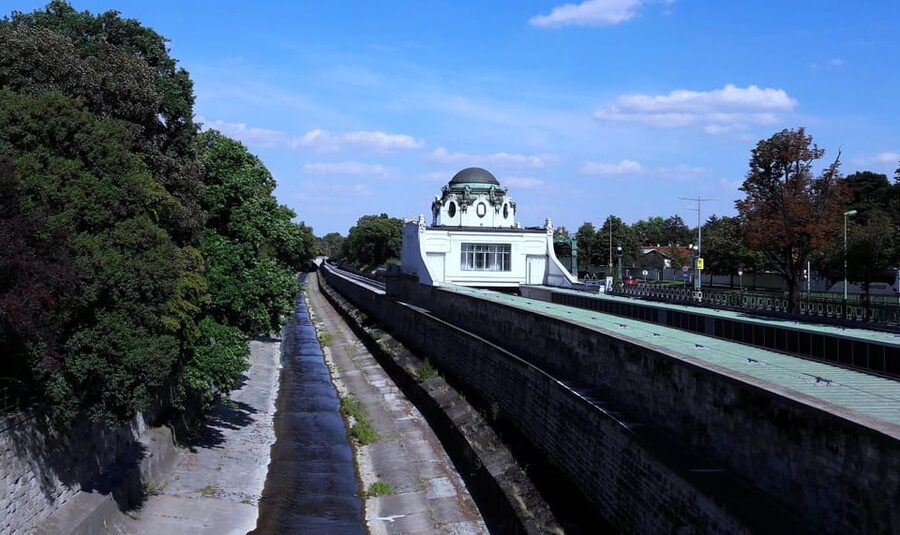
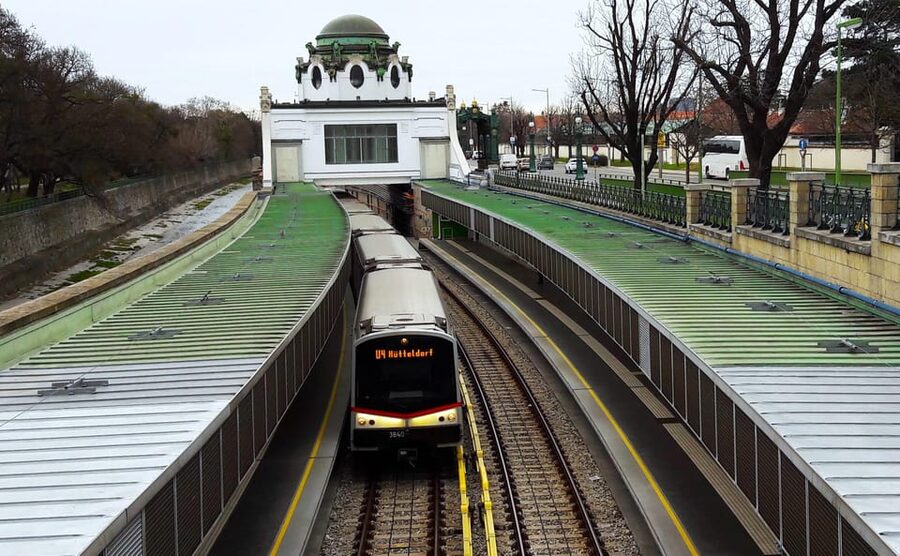
Otto Wagner is one of the most distinctive themes available. The tour highlights his work and his role as an ingenious planner of Vienna’s subway. You may visit Otto Wagner Pavilions or reach the Otto Wagner Hof Pavilion behind Schönbrunn, described as a lesser-known building.
This option is especially appealing if you like the connection between design and daily city life. You are not only looking at an isolated monument. You are learning how transportation helped shape Vienna and how architectural details appear across different parts of the city.
The route may also include the Otto Wagner Pavilions as a separate choice. Since the activity offers special tours as separate options, read the exact option description when booking rather than assuming every Otto Wagner site is part of the standard route.
The experience does not promise detailed historical explanations. You will get guided information, but the focus is on seeing the places and learning to move between them. If you want technical architectural analysis, you may need a specialist tour or extra reading.
What the Transport Lessons Really Add
The public transport element is more than a way to move from one attraction to the next. You learn how the Viennese use the system in ordinary life and how the network came about. You also practice the routes yourself, which makes later independent sightseeing less intimidating.
The sample schedule includes a 15-minute tram ride, a 25-minute public transport connection, a 20-minute tram ride, a 20-minute subway ride, and a final 30-minute public transport journey. These times show why route choice matters. Transport is part of the experience, but it also takes time away from walking and sightseeing.
Tickets for Wiener Linien are not included. You should plan to buy the required ticket separately before or during the tour. The activity does not state which ticket type is best for your route, so ask the guide or a Wiener Linien sales point once you know how much riding you will do.
Headsets are included, which is helpful when the group is walking near traffic or riding a busy tram. The group limit of 10 should also make it easier to hear and ask questions than on a large coach tour.
Cost, Timing, and Who Gets Good Value
At $56 per person, the price is reasonable if you use the guide for two things: sightseeing and public transport training. A private taxi between the same districts would cost more, but this is not simply a cheaper transfer. You are paying for a live guide, planning help, and a small-group walk.
Value falls if you only want transport from one sight to another or if you plan to visit several museums. Public transport tickets and museum admissions are extra, so add those costs before you compare the tour with a standard walking tour.
The duration ranges from two to four hours. Check the available starting time and the exact option, since the route and length can change. A two-hour booking is best for one focused area or a compact introduction. A four-hour booking gives you more room, but I would still avoid trying to visit every listed sight.
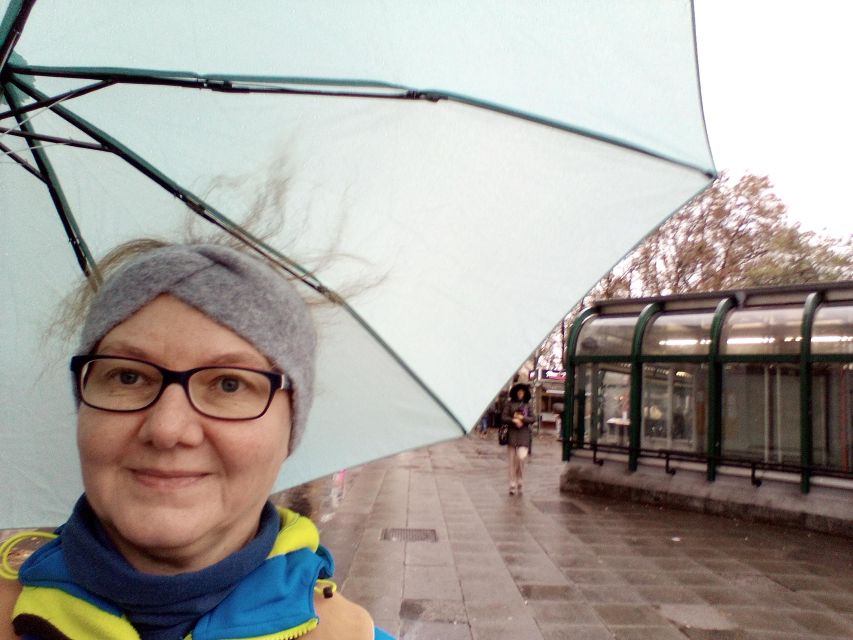
The activity runs rain or shine. Comfortable shoes are essential because you will combine walking, waiting, boarding, and sightseeing. Bring weather protection and allow enough energy for a moving tour rather than a single stationary visit.
Cancellation is flexible up to 24 hours before the start for a full refund, and you can reserve while paying later. Those terms help if your Vienna plans are still shifting, but they do not change the need to check the meeting point for your selected option.
The Strengths and Limits in Plain Terms
The most praised qualities are the guide’s patience, preparation, warmth, and ability to explain public transport. One five-star experience described the tour as an excellent first visit, while another praised how much was seen and how much information was provided.
There is also a clear practical benefit. You finish with more confidence using Vienna’s trams and metro, which can shape the rest of your stay. That may be worth more than another standard walking tour if you have several days in the city.
The lower ratings point to pace and uneven expectations. One three-star experience described a very fast tour with a strong focus on Vienna’s history, although the transport system was explained and used well. Another short assessment was simply satisfactory, suggesting that the experience depends heavily on the route, timing, and match between your expectations and the selected option.
I would not book this expecting a slow, detailed museum tour. I would book it expecting a flexible introduction to Vienna, with short rides, guided walks, and decisions made around the group’s priorities.
Should You Book This Vienna Transport Tour?
Book it if you want to understand Vienna quickly, prefer a small group, and like mixing famous sights with architecture by Otto Wagner and Hundertwasser. It is particularly useful at the start of a multi-day visit, when a little transport confidence can save you time every day afterward.
Choose a focused route before you arrive. Pick the Ringstraße and Hofburg for a first look at central Vienna, Hundertwasser and Otto Wagner for design, Belvedere for gardens and palace views, or Schönbrunn for a longer palace excursion.
Skip it if you want lengthy historical explanations, included museum entry, or a relaxed visit to every major sight. At $56, the tour earns its value through guidance and orientation, not through admissions or an exhaustive palace tour. For the right visitor, it is a practical way to get moving around Vienna like a local.
FAQ
How long does the Vienna public transport tour last?
The tour lasts between two and four hours. Available start times and the exact duration depend on the option you choose.
Which languages are available?
The live guide speaks English or German. In rare cases, the tour may be conducted in both languages.
What sights can I visit?
Possible sights and routes include Hundertwasserhaus, the Ringstraße, Hofburg Palace, Belvedere Palace, Schönbrunn Palace, Otto Wagner Pavilions, the Otto Wagner Hof Pavilion, and other Hundertwasser buildings such as the site at Spittelau.
Are public transport tickets included?
No. Tickets for Wiener Linien public transport are not included in the price.
Are museum tickets included?
No. Tickets for the upper and lower Belvedere museums and other museums are not included. You must arrange those separately if you want to visit them.
Where does the tour meet?
The meeting point depends on the option booked. Possible starting points include the Austrian Parliament and Stubentor.
Is hotel pickup included?
No. Hotel pickup and drop-off are not included.
What should I bring?
Bring comfortable shoes. The tour combines public transport with walking and takes place rain or shine.
How many people are in the group?
The group is limited to 10 participants.
Just added around Vienna
- Mobile puzzle rally tour at the Vienna Central Cemetery★ 4.5 · 3 reviews
- RAXI (E-Rickschaw) big private Vienna tour★ 4.5 · 3 reviews
- 8 days European Highlights PRIVATE TOUR from Budapest including Budapest Vienna Prague and Bratislava★ 5.0 · 3 reviews
- Private Transfer from Vienna to Prague with 1 hour Stop in Kutna Hora★ 4.5 · 3 reviews
- Palais Lobkowitz Audio Guide Tour★ 4.0 · 3 reviews
- Private Tour from Vienna to Melk and Dürnstein★ 4.5 · 3 reviews
- Vienna: Designer Fashion Time Capsule Experience★ 5.0 · 3 reviews
- Private day trip from Munich to Eagle’s Nest & Hallstatt★ 4.7 · 3 reviews
Walking Tours, compared.

Guided Walking Tour of City Center Highlights
Read our review →

Guided Walking Tour of City Highlights & Hidden Gems
Read our review →


Vienna Historic Center Small Group Walking Tour
Read our review →
Browse the lists this tour appears in