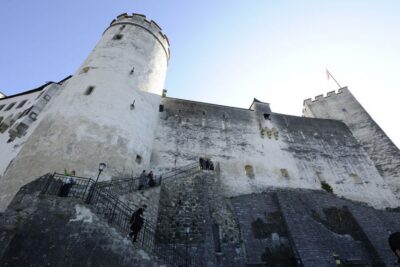
Reviewed · TICKETS
Forchtenstein Castle Admission Ticket & Optional Guided Tour
History gets wonderfully strange here. Forchtenstein Castle packs weapons, royal flags, Ottoman treasures, and Esterházy family portraits into a one-hour visit above Burgenland. I like the original collections, especially the silver furniture and Kunstkammer, and I like how the castle itself remains part of the story rather than serving as a plain container for exhibits.
The main consideration is access. The experience is not suitable for people with mobility impairments, and some areas may not always be open. One recent booking noted that the first level was unavailable, so you should be ready for a visit shaped by current access and exhibition conditions.
In This Review
- Four things to know before you go
- Why Forchtenstein Castle feels different from a standard castle visit
- Starting in the inner courtyard beneath historic secco murals
- The first floor: chapel, oratory, and a serious armory
- The second floor and the castle’s most unusual treasures
- The Gallery of Ancestors and the portrait of Vlad the Impaler
- The Kunstkammer and Prince Paul Esterházy’s collecting habit
- Admission, timing, and what the $22 price gets you
- Access and practical limits
- Who will enjoy this castle most
- Should you book Forchtenstein Castle?
- FAQ
- Where is Forchtenstein Castle located?
- How long does the experience last?
- How much does admission cost?
- What is included in the ticket?
- Is a guided tour available?
- What language is listed for the experience?
- Is an audio guide available?
- What are the main highlights inside the castle?
- Is the experience suitable for people with mobility impairments?
- How far in advance can I cancel?
Four things to know before you go
- The inner courtyard contains the largest display of secco wall paintings north of the Alps, giving you an immediate sense of the castle’s age and decoration.
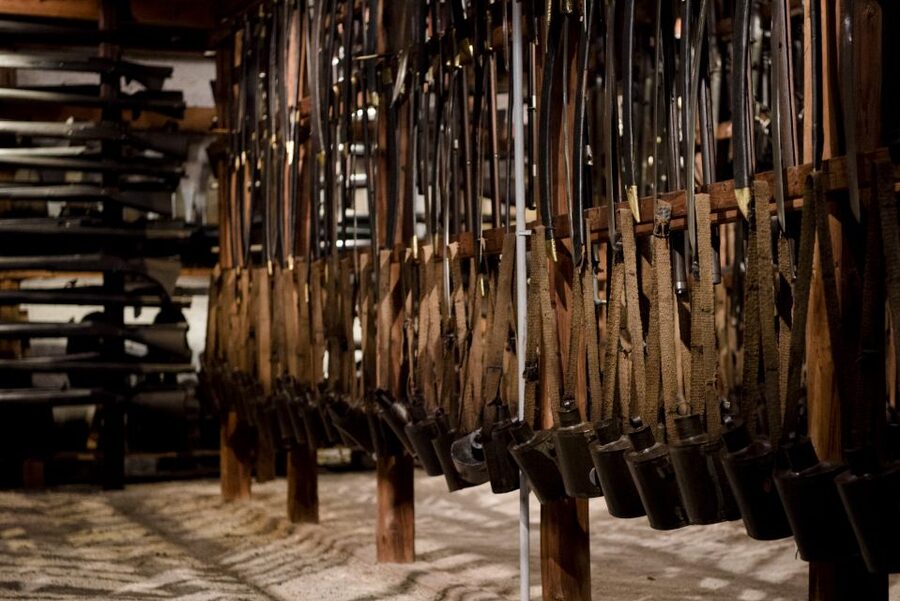
- The armory is one of Europe’s largest private collections of weapons, with the chapel and oratory nearby.
- The Gallery of Ancestors includes the only known full-length portrait of Vlad the Impaler, alongside portraits of fictional family forebears such as Attila the Hun.
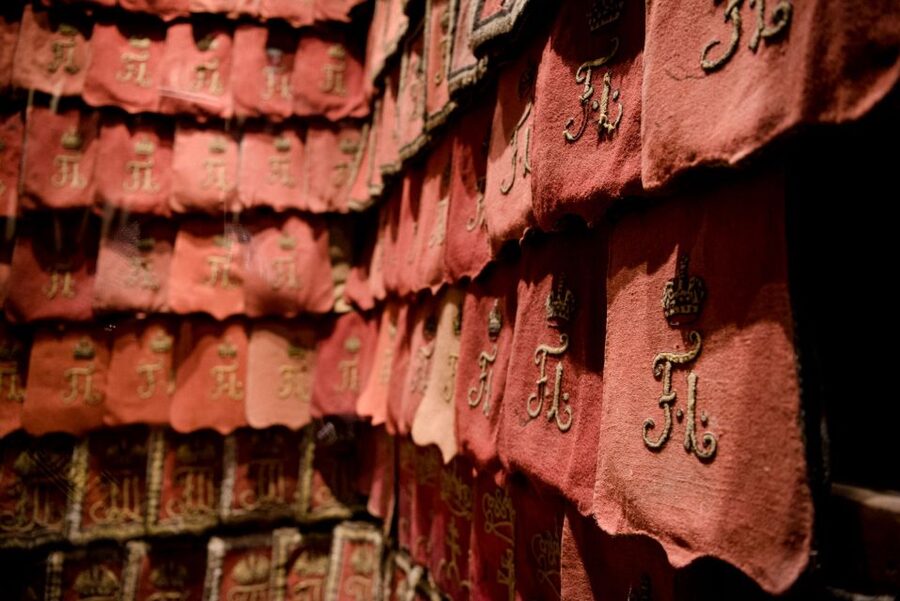
- Three 17th-century coronation flags from Hungary, Croatia, and Serbia are among the most important objects on display.
- A 400-year-old Ottoman tent and Europe’s largest, earliest collection of silver furniture add variety beyond the usual armor and portraits.
- The advertised price is $22 per person for about one hour, with an optional German audio guide listed at €2 and a guided tour option available.
Why Forchtenstein Castle feels different from a standard castle visit
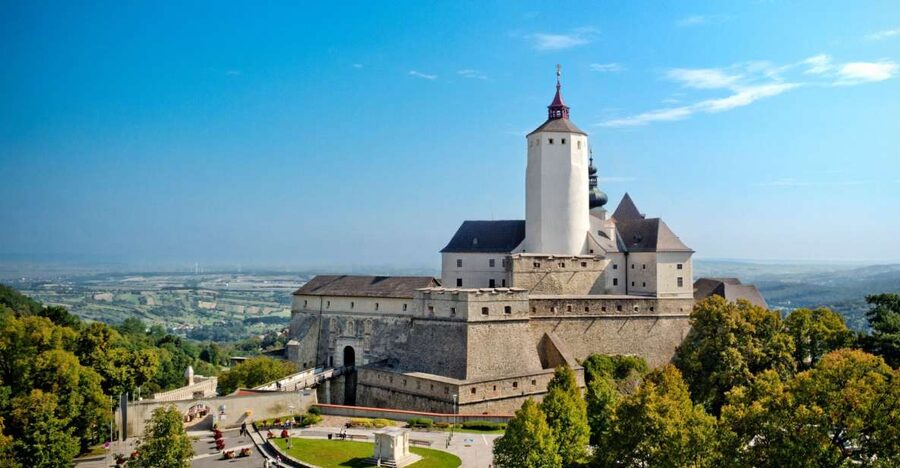
Forchtenstein is not simply a shell of stone walls with a few cannons in the corner. The Esterházy family collections remain central to the visit, so you are looking at the possessions, ambitions, and family image-making of a powerful Central European dynasty.
That gives the castle a slightly unusual rhythm. You move from painted walls to religious spaces, then to weapons, ceremonial objects, portraits, silver furnishings, and curiosities. The collection can feel grand, odd, theatrical, and occasionally boastful, which is exactly what makes it interesting.
I especially like the way the displays show how noble families wanted to be remembered. A family portrait collection does not merely record faces. It can create a family’s past, polish its image, and connect it to famous figures from earlier centuries. At Forchtenstein, that includes imagined ancestors such as Attila the Hun and Vlad the Impaler.
The result is part fortress, part family archive, and part cabinet of curiosities. If you want a fast lesson in how aristocratic collecting worked, this is a useful stop.
More attraction tickets:
- Vienna: Classic Ensemble Vienna in St. Peter’s Church Ticket
★ 4.7 · 4,819 reviews - Vienna Kunsthistorisches Museum Day Admission Ticket
★ 4.6 · 3,690 reviews - Vienna: Tickets for Mozarthaus Vienna with Audio Guide
★ 4.2 · 2,344 reviews
Starting in the inner courtyard beneath historic secco murals
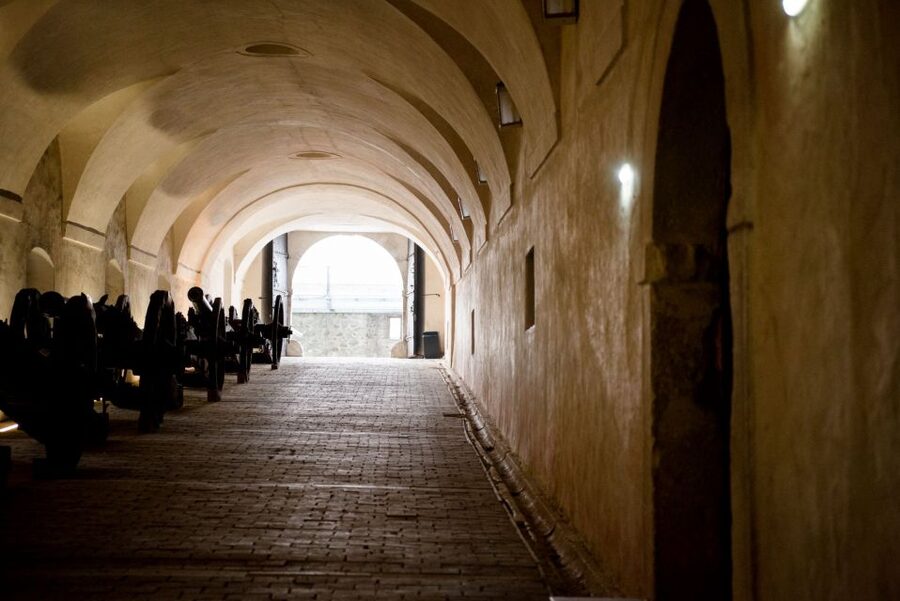
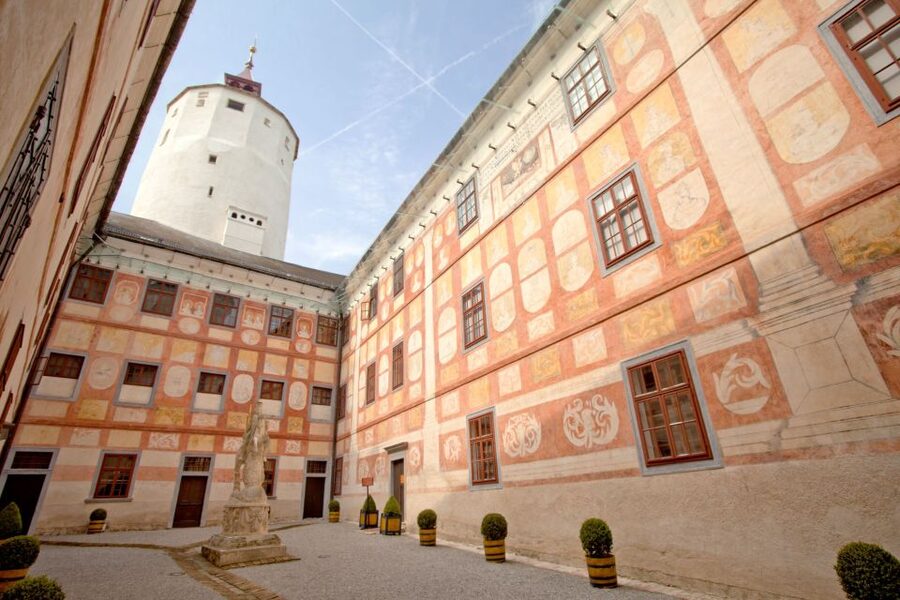
Begin in the inner courtyard, where the castle’s visual impact arrives before the objects do. The secco wall paintings are described as the largest display of their kind north of the Alps. Secco painting is applied to dry plaster, rather than wet plaster, and the murals help turn the courtyard into a formal setting rather than a purely defensive space.
Take a moment here before rushing indoors. The courtyard helps you understand that this was not only a military stronghold. It was also a place designed to impress, receive important people, and present the family’s status.
The scale of the murals is one of the clearest reasons to visit in person. A photograph can show color and pattern, but it cannot fully convey how painted walls change your sense of the enclosed space. You might find that the courtyard becomes one of the most memorable parts of the hour, even though the famous objects wait inside.
The first floor: chapel, oratory, and a serious armory
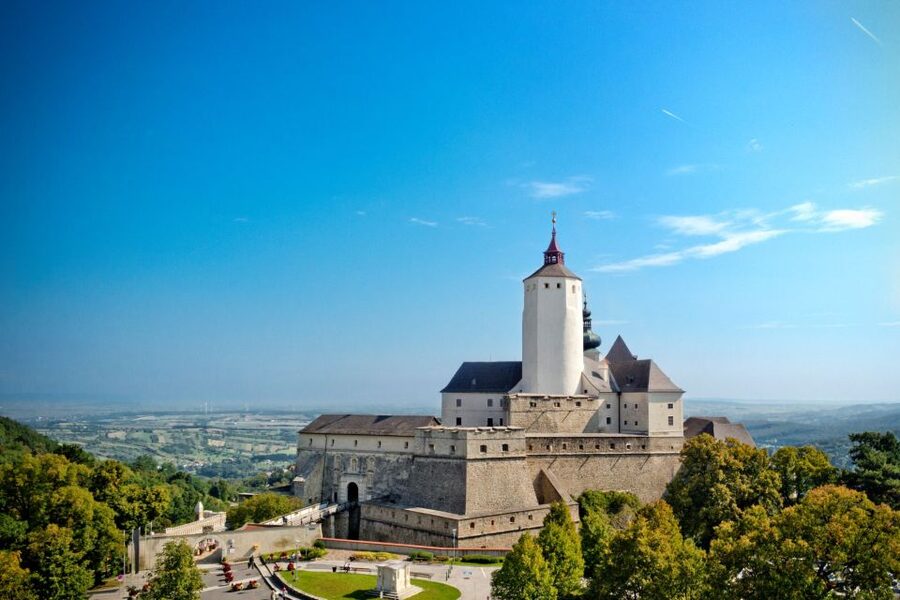
The route continues to the first floor, including the oratory and chapel. These spaces bring a religious side to the visit and remind you that the castle’s owners lived among both sacred and military symbols.
The weapons collection is a major attraction. It is described as one of Europe’s largest private armories, so this is more than a small row of swords. You can expect an extensive presentation of arms that reflects the family’s power, defensive needs, and interest in military display.
I would give the armory your full attention even if weapons are not usually your favorite museum subject. Large collections work best when you look for patterns: the changing forms of armor, the difference between practical equipment and ceremonial pieces, and the way a private family collection can preserve objects that might otherwise be scattered.
There is an important practical caveat. A recent visit found the first level closed, so the exact route can vary. Since the chapel, oratory, and armory are tied to this part of the castle, check current conditions if these are your main reasons for going.
The second floor and the castle’s most unusual treasures
The second floor brings together many of the objects that make Forchtenstein more than an armory visit. Here you encounter ceremonial pieces, family portraits, silver furniture, and the collection known as the Kunstkammer.
The 400-year-old Ottoman tent is a particularly strong example of the collection’s reach. It points to the cultural and political contacts of the region, and it gives you a very different object to consider after the stone rooms and weapons. A tent can reveal movement, ceremony, military power, and luxury all at once.
Then come the three coronation flags from Hungary, Croatia, and Serbia, dating from the 17th century. These are not just colorful textiles. Coronation objects carry political meaning, since they help define the authority of a ruler and the traditions of a state. Seeing all three together makes this part of the collection especially valuable for anyone interested in Central European history.
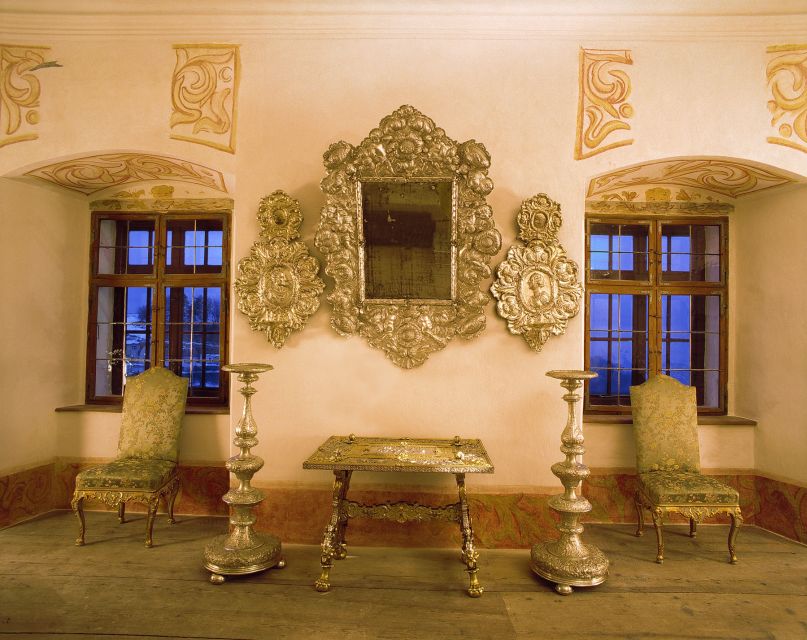
The silver furniture is another unusual highlight. It is described as Europe’s largest and earliest collection of silver furniture. That claim gives the display real weight, but the objects also tell a human story. Furniture made from precious metal was not built for modest comfort. It was a public display of wealth, rank, and the ability to commission objects that few people could own.
A few more trips of this kind worth comparing:
- Vienna Spanish Riding School Guided Tour
★ 4.7 · 6,765 reviews - Vienna: Guided Walking Tour of City Center Highlights
★ 4.7 · 4,989 reviews - Vienna: Vienna Central Cemetery Guided Walking Tour
★ 4.8 · 3,307 reviews - Vienna: Bus & Schönbrunn Palace Skip-the-Line Guided Tour
★ 4.3 · 2,802 reviews
The Gallery of Ancestors and the portrait of Vlad the Impaler
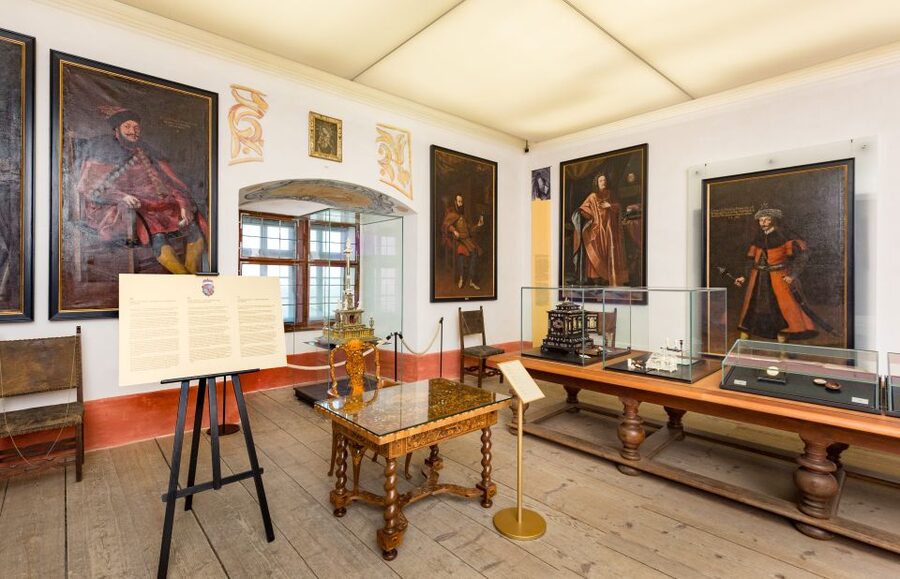
The Gallery of Ancestors gives the castle one of its most memorable oddities. Alongside portraits of actual Esterházy family members, the gallery includes fictional ancestors, among them Attila the Hun and Vlad the Impaler.
The portrait of Vlad is particularly notable because it is described as the only known full-length portrait of him. That does not mean you should expect a simple, reliable photographic likeness. It means the painting has unusual importance as an image connected with one of Europe’s most notorious historical figures.
Forchtenstein’s portrait collection is useful because it shows how noble families constructed identity. A gallery of ancestors can connect a ruling house to heroic, ancient, or fearsome figures, even when the connection is imaginary. The message is clear: the family wanted to look old, powerful, and linked to the larger story of the region.
I find that this section rewards curiosity more than speed. Look beyond the names. Ask why a portrait was included, what image it creates, and how much of the display is family record versus family legend.
The Kunstkammer and Prince Paul Esterházy’s collecting habit
The Kunstkammer dates from the late 16th to the early 18th century and reflects Prince Paul Esterházy’s interest in collecting. A cabinet of curiosities was not a modern museum with neat categories. It brought together unusual, valuable, rare, and sometimes puzzling objects as a way to show learning and reach.
That makes the Kunstkammer a good place to slow down. You might find that the objects make more sense when viewed as evidence of curiosity rather than as parts of one tidy theme. The collection shows what a wealthy prince considered worth preserving and displaying.
This is also where the visit becomes more personal. The armory tells you about military strength, while the Kunstkammer tells you about taste and intellectual ambition. Together, they give you a better picture of the Esterházy world than either collection could do alone.
Admission, timing, and what the $22 price gets you
At $22 per person, the admission is reasonable if you value original objects and can make good use of the full hour. You are not paying only to enter an old fortress. The ticket brings you to murals, an armory, ceremonial flags, a rare portrait, silver furniture, an Ottoman tent, family portraits, and the Kunstkammer.
The value depends on your pace. One hour is enough for a focused visit, but it is not generous if you read every label or spend a long time with each collection. I would plan to arrive 15 minutes before the activity begins, then use the visit in sections rather than trying to absorb every object equally.
The optional guided tour can improve the experience because these collections need context. A guide can explain why fictional ancestors appear in a family gallery, what makes the coronation flags important, and how Prince Paul Esterházy’s collecting fit the period.
The supplied information identifies German as the language for the experience. It also presents an audio guide as German and lists an extra cost of €2, while another part of the booking details says the audio guide is included. Because those details conflict, confirm the current audio arrangement before you go. If you do not speak German, ask ahead about the guided tour or available interpretation rather than assuming another language is offered.
Access and practical limits
The experience is specifically marked as unsuitable for people with mobility impairments. A historic castle with multiple levels, older interiors, and changing access can present real limits, so do not treat this as a minor footnote.
The note about the first level being closed also matters to planning. If you are most interested in the armory, chapel, and oratory, check what will be open on your date. The second-floor collections and courtyard still offer plenty to see, but the visit may feel different if one section is unavailable.
You should also keep the one-hour duration in mind. This is a compact cultural visit, not a full-day castle program. It works well as a focused stop in Burgenland, especially if you want historical objects rather than outdoor activities.
The booking terms are flexible: you can cancel up to 24 hours before the activity for a full refund, and you can reserve now and pay later. Those terms help if your schedule in Austria is still changing, but the real decision is whether the collection matches your interests.
Who will enjoy this castle most
I would recommend Forchtenstein to you if you enjoy:
- Historic weapons and private armories
- Aristocratic portraits and family symbolism
- Religious and ceremonial objects
- Unusual museum pieces, including the Ottoman tent
- Central European political history
- Collections that mix fact, legend, and family image-making
It is also a strong choice if you prefer original interiors and objects to reconstructed castle rooms. One positive assessment specifically praised the authentic original pieces, from the castle itself and its interiors to the armory and weapons. That is the heart of the experience.
You may enjoy it less if you want a long outdoor castle visit, a highly interactive museum, or a tour in a language other than German. The visit is object-focused and compact. It asks you to look closely and think about what the collections reveal.
The overall rating is 4.7 from 16 reviews, and the strongest praise centers on the exhibitions, the castle’s appearance, the views, the authentic objects, and the quality of the guided explanation. One detailed account described the guide as bringing the history vividly to life, though no guide’s name was provided. That praise fits the nature of the collection: good interpretation can turn a room full of things into a story about power, taste, and memory.
Should you book Forchtenstein Castle?
Book it if you want a concentrated hour of unusual Central European history and original aristocratic collections. The Vlad the Impaler portrait, coronation flags, Ottoman tent, silver furniture, and secco murals give you more variety than a typical fortress visit.
I would choose the guided option if you want help connecting the objects, especially if the family portraits and Kunstkammer sound more interesting than a simple weapons display. If you prefer to move at your own pace, admission alone can still offer good value, but confirm the audio guide fee and language details first.
Skip it if mobility is a serious concern, if the first-floor rooms are your main reason for going and they are closed, or if you need an English-language experience that has not been confirmed. For the right visitor, Forchtenstein is a memorable, slightly eccentric look at how one powerful family collected, decorated, and invented its own past.
FAQ
Where is Forchtenstein Castle located?
Forchtenstein Castle is in Burgenland, Austria.
How long does the experience last?
The stated duration is one hour.
How much does admission cost?
The listed price is $22 per person.
What is included in the ticket?
Admission to Forchtenstein Castle is included.
Is a guided tour available?
An optional guided tour is available.
What language is listed for the experience?
German is the listed language.
Is an audio guide available?
An audio guide is mentioned in the activity details. One section lists it at €2, while another says a German audio guide is included, so confirm the current arrangement before booking.
What are the main highlights inside the castle?
Highlights include the inner courtyard murals, the armory, silver furniture, the Gallery of Ancestors, the Ottoman tent, the three coronation flags, and the Kunstkammer.
Is the experience suitable for people with mobility impairments?
No. The activity is marked as not suitable for people with mobility impairments.
How far in advance can I cancel?
You can cancel up to 24 hours before the activity for a full refund.
Just added around Austria
- Mobile puzzle rally tour at the Vienna Central Cemetery★ 4.5 · 3 reviews
- 8 days European Highlights PRIVATE TOUR from Budapest including Budapest Vienna Prague and Bratislava★ 5.0 · 3 reviews
- RAXI (E-Rickschaw) big private Vienna tour★ 4.5 · 3 reviews
- Power of Trees Private Tasting Tour★ 5.0 · 3 reviews
- Salzburg & “The Sound of Music” Full Day Driver-Guided Tour★ 5.0 · 3 reviews
- Private Transfer from Vienna to Prague with 1 hour Stop in Kutna Hora★ 4.5 · 3 reviews
- Palais Lobkowitz Audio Guide Tour★ 4.0 · 3 reviews
- Private Tour from Vienna to Melk and Dürnstein★ 4.5 · 3 reviews
Tickets, compared.
Classic Ensemble Vienna in St. Peter’s Church Ticket
Read our review →
Vienna Kunsthistorisches Museum Day Admission Ticket
Read our review →
Tickets for Mozarthaus Vienna with Audio Guide
Read our review →
Skip-the-Line Entrance Ticket to the Danube Tower
Read our review →