
Reviewed · MUSEUMS
Sigmund Freud Museum Ticket
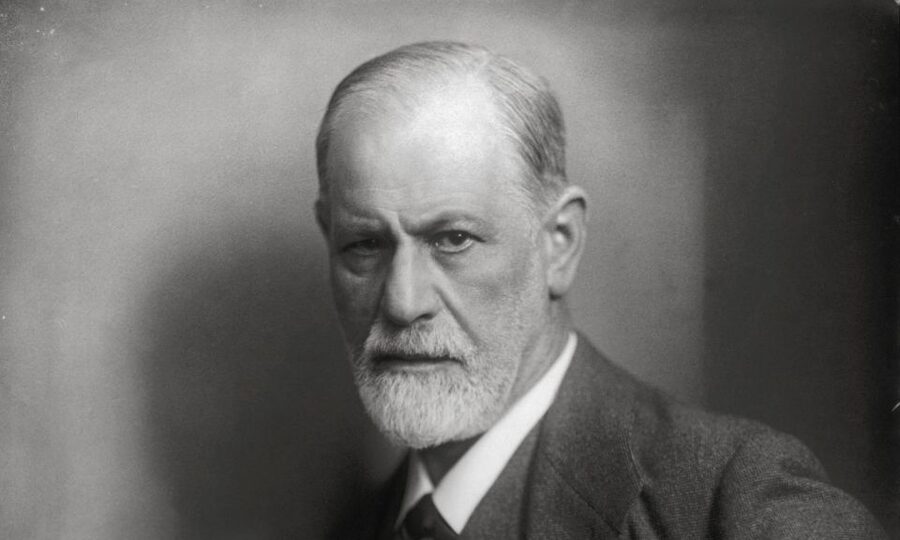
Freud’s address still has a story to tell. At Berggasse 19, you enter through the same doorway used by Sigmund Freud and his patients, then climb the historic stairs to the rooms where he lived, worked, and developed psychoanalysis. I like the museum’s mix of personal history and professional detail, especially the recordings of Sigmund and Anna Freud and the rare family films from the 1930s. I also like the way the museum treats Freud as a father, husband, collector, and brother, not simply as a famous thinker.
The main drawback is that Freud’s original furniture, including the famous couch, is largely gone because he fled Vienna in 1938. Some rooms feel spare, and several visitors found the lighting too dim or the layout hard to follow in chronological order. Still, the newly expanded museum gives you much more than a quick look at an empty apartment, and the Nazi-era story adds weight and honesty to the visit.
In This Review
- Key details before you go
- Entering the house where psychoanalysis began
- Freud’s practice, family rooms, and working life
- Listening to Sigmund and Anna Freud
- Finding the missing couch with augmented reality
- The staircase and the difficult history after 1938
- Contemporary art in Freud’s former office
- How long to spend and when to go
- Is the $18 ticket good value?
- Who will appreciate this museum most?
- Shop, café, and practical booking notes
- Should you book the Sigmund Freud Museum?
- FAQ
- Where is the Sigmund Freud Museum located?
- What does the ticket include?
- How much does admission cost?
- How long is the ticket valid?
- How long should I allow for the visit?
- Can I see Freud’s original couch?
- Is the museum wheelchair accessible?
- Is photography allowed inside?
- Can I cancel my ticket?
- Does the museum have a café and shop?
Key details before you go
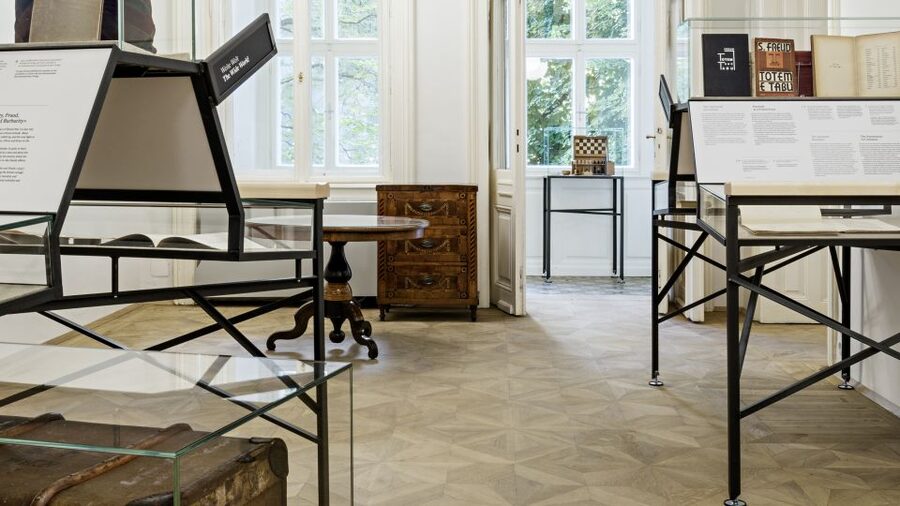
- Enter through Freud’s original doorway: You use the historic entrance at Berggasse 19, then follow the same stair route toward the former family rooms.
- Hear the Freuds themselves: Audio recordings of Sigmund and Anna Freud add a human voice to the exhibits.
- Use your phone at the missing couch: The AR installation places Sigmund Freud’s Couch in its former location and explains what happened to it.
- Allow 1.5 to 3 hours: A brisk visit can take about an hour, but the written material, films, and art displays reward a slower pace.
- Expect a serious final section: The museum explains Freud’s escape to London, the fate of his sisters, and the Nazi persecution connected with Berggasse 19.
- Finish with coffee and books: The museum shop and café offer books, gifts, Viennese coffee, cake, and wine.
Entering the house where psychoanalysis began
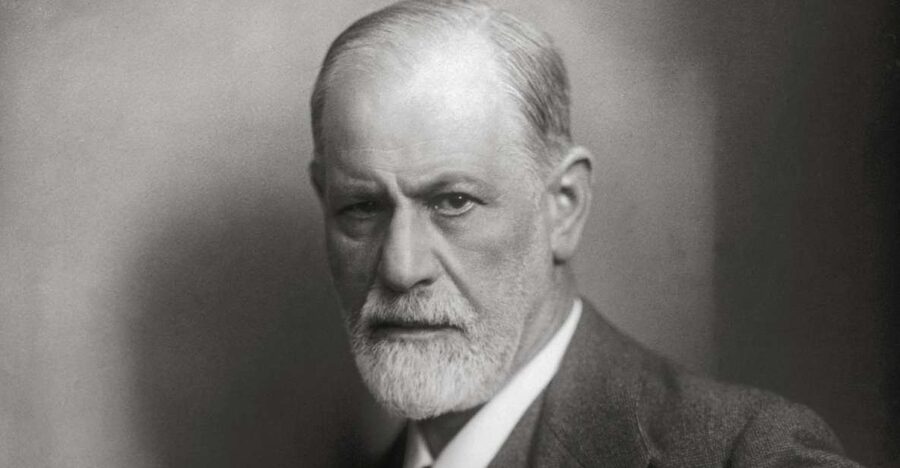
The museum sits at Berggasse 19, one of Vienna’s most famous intellectual addresses. That matters because this is not a replica built to resemble Freud’s home. You walk into the actual building and use the entrance associated with Freud, his family, and the patients who came to see him.
The setting gives the visit its first strong impression. You are not simply looking at a portrait of a historical figure behind glass. You are moving through the house connected with Freud’s daily life and professional practice. The stairs, rooms, and address provide a physical link to the turn-of-the-century Viennese world in which psychoanalysis took shape.
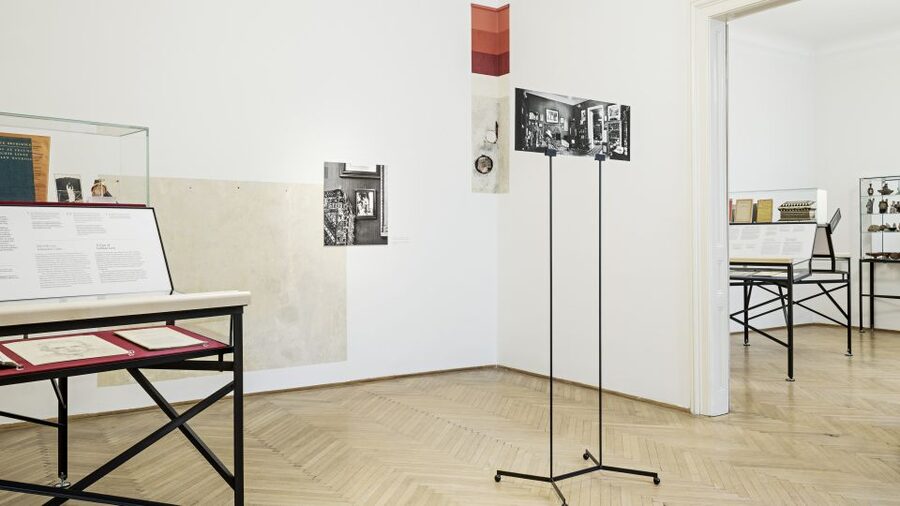
The museum’s route takes you to the mezzanine, where the Freud family lived. Exhibits then spread across the building, bringing together Freud’s medical work, writing, correspondence, family life, and the later history of the house. The layout is easy enough to manage, but it does not always guide you through Freud’s life in perfect order. If you prefer a strict timeline, pay close attention to the captions and take your time before moving from one room to the next.
More Attraction Tickets in Vienna
- Vienna: Classic Ensemble Vienna in St. Peter’s Church Ticket
★ 4.7 · 4,819 reviews - Vienna Kunsthistorisches Museum Day Admission Ticket
★ 4.6 · 3,690 reviews - Vienna: Tickets for Mozarthaus Vienna with Audio Guide
★ 4.2 · 2,344 reviews
Freud’s practice, family rooms, and working life
The most important part of the museum is the chance to see the rooms linked with Freud’s practice and home life. The exhibits explain his professional stations and the development of his ideas, while also showing the people and interests that surrounded him.
You will see rare first editions, special printings, offprints, and presentation copies. These objects help explain how Freud’s theories moved from private study and medical work into wider intellectual life. They are particularly useful if you know Freud mainly through a few famous terms but have never followed the development of his work.
I like the balance between theory and biography. The museum does not leave Freud floating in the abstract world of psychology. You learn about his medical practice, correspondence, family, collecting interests, and world travels. One section gives concise summaries of five major developments in psychoanalysis, which is helpful if you want a clear outline rather than a room full of difficult academic language.
The personal material may be the most affecting part of the visit. Freud’s daughter Anna grew up here, and the museum gives attention to the family members who shared this home. This makes the address feel less like a shrine to one famous man and more like a family residence caught up in major European events.
Listening to Sigmund and Anna Freud
Audio material gives the museum an unusual advantage. You can hear recordings of Sigmund Freud and Anna Freud, rather than relying only on photographs and printed quotations. Hearing their actual voices brings a little movement to rooms that otherwise contain mostly documents, labels, and objects.
The recordings are especially valuable if you are interested in the gap between public reputation and private personality. Freud can seem like a distant figure in textbooks. His voice, family connections, and personal papers help you picture the man behind the theories.
A practical warning: some audio exhibits may not always be working. One account specifically noted that several audio stations were out of order. I would not make the recordings your only reason for visiting, but they are worth seeking out when available.
The museum also shows rare film material from the 1930s. These family videos are among the most memorable parts of the visit because they offer a glimpse of Freud and his family away from the formal world of medical writing. Give yourself time to watch them instead of treating them as background decoration.
Finding the missing couch with augmented reality
Freud’s couch is probably the object most people expect to see. The catch is that the original couch is not in Vienna. Freud took much of his personal and professional material with him when he fled to London, and the museum cannot simply place the famous furniture back in its old room.
The museum handles this absence with an AR installation called Sigmund Freud’s Couch. You use your phone in the very place where the couch once stood, and the installation explains its whereabouts. It is a smart way to address what is missing without pretending the room contains original furniture.
This is also a good reminder that the museum’s empty spaces are part of the story. Freud left Vienna in 1938 under pressure from Nazi persecution, and the loss of furniture and belongings reflects that sudden departure. Some visitors may wish the rooms had been furnished in period style. I understand that wish, but a recreated interior could also soften the difficult truth of what happened.
Bring a charged phone if you want to use the AR feature. The provided information confirms that your phone is needed to start it, but it does not specify a separate device loan or a different viewing method.
More museums:
- Vienna: Skip-the-Line Sisi Museum, Hofburg and Gardens Tour
★ 4.8 · 5,918 reviews - Tickets for the Albertina Exhibitions
★ 4.7 · 2,126 reviews - Vienna: Chocolate Workshop in Chocolate Museum w/ Tasting
★ 4.5 · 1,802 reviews - Vienna: St. Stephen’s Cathedral & Dom Museum Wien Tickets
★ 4.5 · 1,652 reviews
The staircase and the difficult history after 1938
A newly built staircase connects the museum’s floors and gives the building a stronger historical structure. As you move through it, the displays explain the history of the house and its occupants, including the period after Freud’s expulsion from Vienna.
This section changes the tone of the visit. The address was not only Freud’s home and workplace. It also became connected with the persecution of Jewish residents during the Nazi period, when Jewish people were collected at Berggasse 19 before deportation. The museum does not treat Freud’s escape as a complete ending. It shows what happened to the people who remained.
The gallery in the foyer focuses on Freud’s flight into exile in London with his closest family. It also covers his brother Alexander and the fate of his sisters Rosa, Marie, Pauline, and Adolfine, who were murdered in Nazi extermination camps.
I find this section essential, even if it is painful. It places Freud’s personal story inside the larger history of Jewish Vienna. His immediate family reached London, but his sisters did not escape. That contrast prevents the museum from becoming a simple celebration of a great intellectual. It asks you to remember both the life Freud built and the lives destroyed around him.
Contemporary art in Freud’s former office
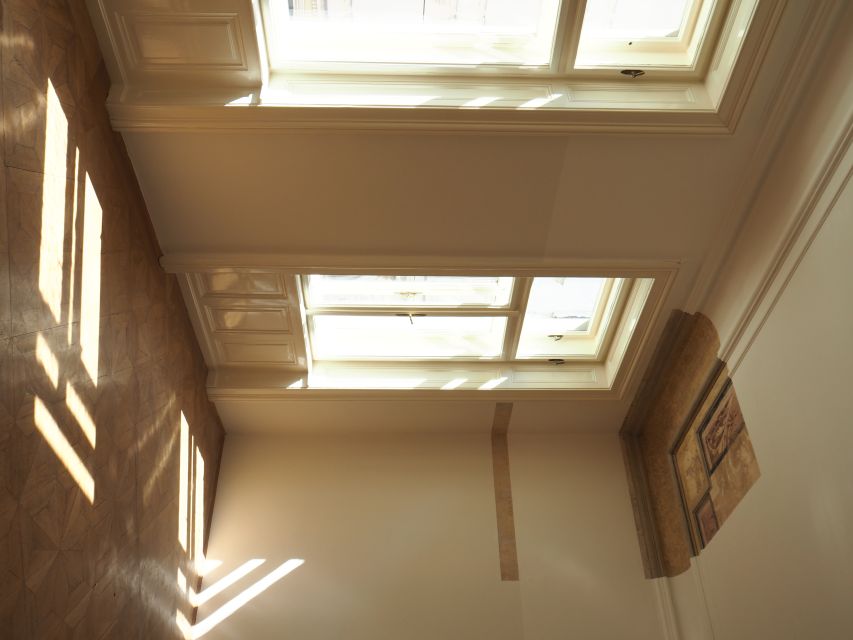
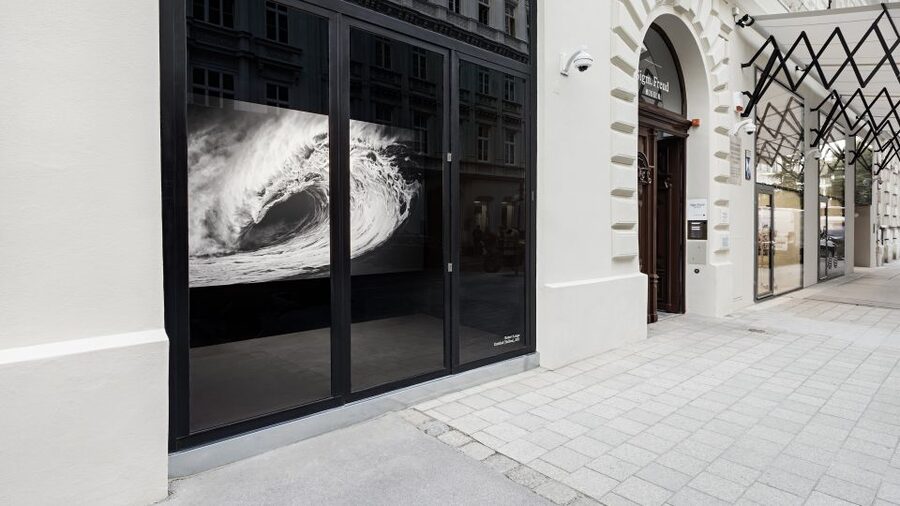
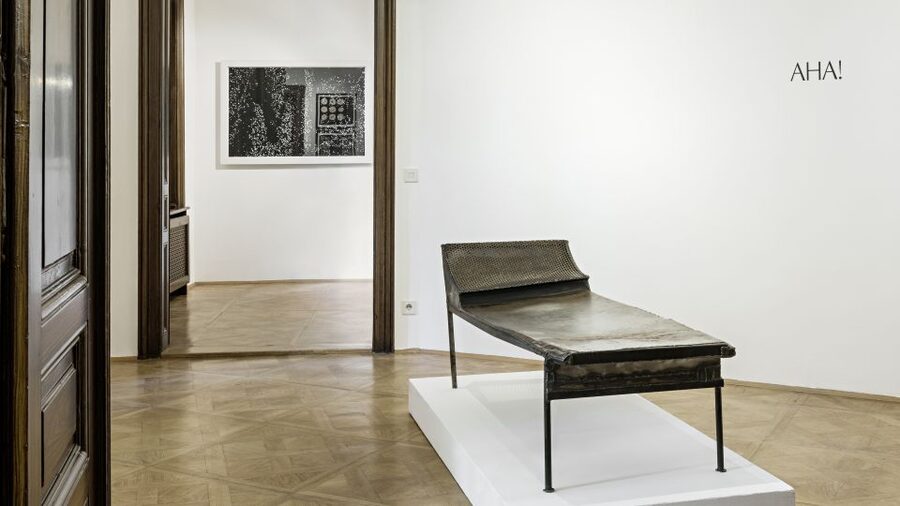
The visit does not end with biography. Freud’s former office contains the permanent exhibition Hidden Thoughts of a Visual Nature, a presentation of conceptual art from the Sigmund Freud Museum collection.
The works include pieces by John Baldessari, Joseph Kosuth, Susan Hiller, Franz West, Haim Steinbach, and others. This modern art section may surprise you if you expect only medical objects and old documents. Its purpose is to connect Freud’s interest in hidden mental processes with artists who explore perception, language, thought, and interpretation.
You do not need a background in contemporary art to get something from the room. Read the labels and give each work a little space. Some pieces may feel more open-ended than the historical exhibits, but that shift fits the museum’s larger interest in how people think, remember, and assign meaning.
For some visitors, this will be an engaging final chapter. If you came only for Freud’s furniture and personal belongings, it may feel like a detour. I would treat it as a bonus, not the main reason to buy the ticket.
How long to spend and when to go
The ticket is valid for one day, and the museum experience is self-guided rather than a fixed tour with a stated group size. Plan on about 1.5 hours for a solid visit. If you read most captions, watch the films, listen to the audio material, and spend time with the art, you could easily stay close to three hours.
An hour is possible, but it will be a skim. One visitor found an hour worthwhile, while another spent almost three hours. I would reserve at least 90 minutes so you do not have to rush the family films or the section on Nazi persecution.
Earlier entry is a sensible choice if you want quieter rooms. An 11 a.m. visit was described as calm at first, with more people arriving later. The museum can become warm in hot weather, so light clothing helps during a summer heatwave. Opening hours can change, so check them before setting out.
The museum is easy to reach by public transport. One visitor noted a tram stop about four minutes away, with a direct connection toward Wien Hauptbahnhof. The museum also has lockers and a toilet, useful if Berggasse 19 is one stop on a full day of sightseeing.
Is the $18 ticket good value?
At $18 per person, this is not Vienna’s cheapest small museum stop. The value depends on your interest, and on how long you are willing to read.
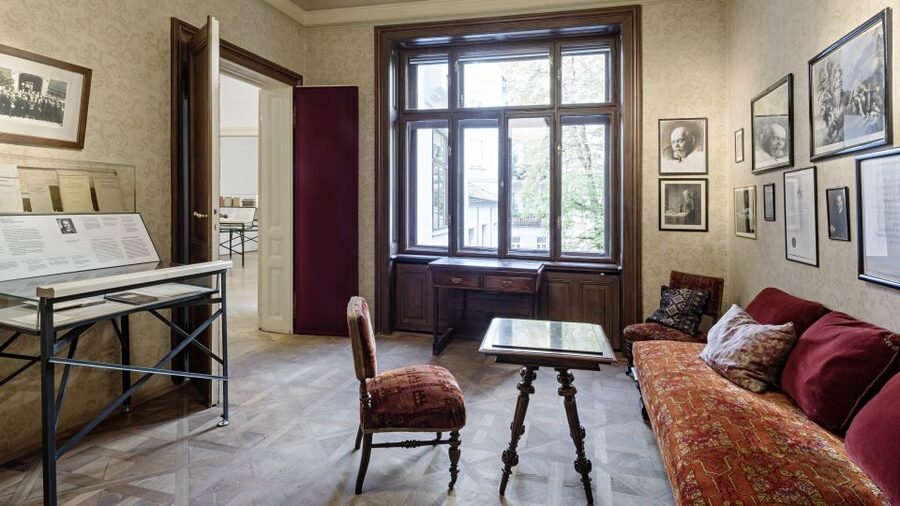
For anyone interested in psychology, psychiatry, psychoanalysis, modern European history, or Jewish Vienna, the price is fair. You receive access to the former home and practice, biographical displays, original publications, recordings, films, an AR installation, the contemporary art collection, and the historical account of Freud’s exile and family.
The ticket is less convincing if you expect a fully furnished period apartment. Freud’s famous couch and much of the original furniture are absent. Some rooms are plainly presented, and the lighting can be low. One visitor felt the fee was high for the size of the museum, while many others considered it good value because of the amount of information and the quality of the displays.
I would compare it with the price of a typical Vienna coffee and cake stop. The café makes that comparison easy, but the real value is the concentration of original material and the setting. You are paying for context, documents, and a difficult family story, not for a grand palace interior.
Who will appreciate this museum most?
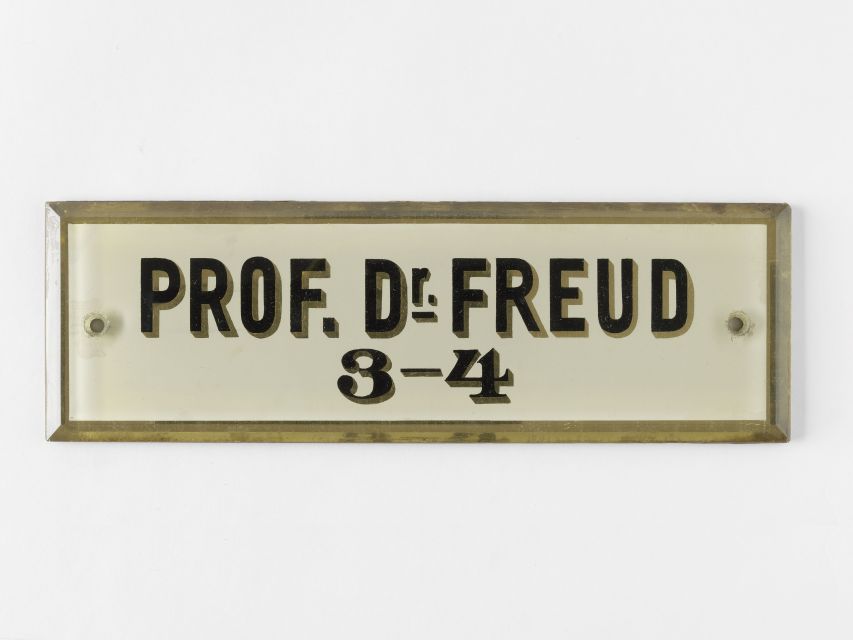
You will get the most from Berggasse 19 if you already have some interest in Freud or want to understand why his name became so important. Mental health professionals and psychology students may find the former practice, notes, publications, and summaries especially useful. Several clinicians described the visit as deeply meaningful, even as a kind of professional pilgrimage.
History-minded visitors should also make time for it. The story of Freud’s exile and the fate of his sisters gives the museum value beyond psychoanalysis. You see how a famous Viennese life was shaped by the Nazi takeover and by the unequal chances of escape.
Families can visit, but younger children may not enjoy all the reading. An eight-year-old found the puzzle stickers hidden around the rooms, including clues about Freud’s dog, entertaining. That small activity can make the visit more approachable for children, though the serious historical sections are aimed at adults.
If you want a dramatic, object-filled museum, set your expectations carefully. The presentation is thoughtful and information-heavy, but not every room is bright or fully furnished. The experience works best when you are curious and willing to read.
Shop, café, and practical booking notes
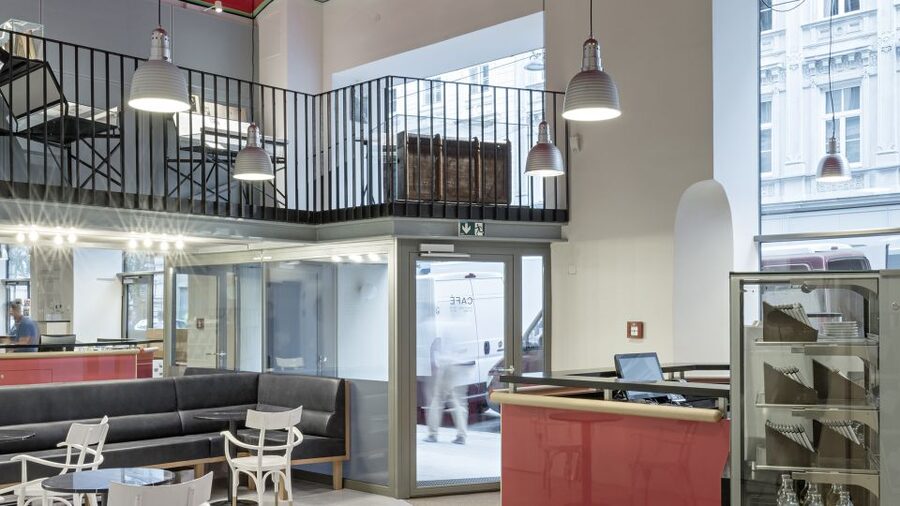
The visit ends at a museum shop and café. The book selection is a strength, especially if you want to continue reading about Freud, psychoanalysis, or the period. The gift range appears more limited than the book selection, though a Freud-themed board game and other items may tempt families.
You can have Viennese coffee with cake, or choose Viennese wine instead. This is a pleasant way to pause after the serious final galleries, but you do not need to plan your entire visit around the café.
Present your ticket voucher at the main entrance. The ticket includes museum admission, and the booking offers skip-the-ticket-line access. You can cancel up to 24 hours in advance for a full refund, and reserve now while paying later, which is useful when your Vienna schedule is still shifting.
The museum is wheelchair accessible. Flash photography is not allowed, so keep your camera light off and follow the house rules around the exhibits.
Should you book the Sigmund Freud Museum?
I would book it if Freud, psychology, Jewish Vienna, or twentieth-century European history interests you. The strongest parts are the original address, the family material, the actual voices, the 1930s films, and the honest account of what happened after Freud left.
I would not book it expecting to sit beside the original couch or walk through a perfectly restored apartment. Those absences are real, and the lighting and chronology may frustrate you. But they do not cancel the museum’s value. At Berggasse 19, the missing furniture becomes part of the story, and the building connects Freud’s ideas with the family life and political violence that shaped his final years in Vienna.
Allow 90 minutes at minimum, go earlier if you prefer quieter galleries, and save time for the staircase section and the films. If you do that, the $18 ticket feels justified, particularly for anyone who wants more than a famous name and a few familiar theories.
FAQ
Where is the Sigmund Freud Museum located?
It is located at Berggasse 19 in Vienna, Austria.
What does the ticket include?
The ticket includes admission to the Sigmund Freud Museum.
How much does admission cost?
The listed price is $18 per person.
How long is the ticket valid?
The ticket is valid for one day.
How long should I allow for the visit?
You can see the museum in about an hour, but 1.5 to 3 hours allows time for the exhibits, films, recordings, and art collection.
Can I see Freud’s original couch?
The original couch is not displayed at the museum. Instead, you can use your phone to access the AR installation Sigmund Freud’s Couch in the place where it once stood.
Is the museum wheelchair accessible?
Yes, the museum is wheelchair accessible.
Is photography allowed inside?
Photography is allowed subject to the museum’s rules, but flash photography is not allowed.
Can I cancel my ticket?
Yes. You can cancel up to 24 hours in advance for a full refund.
Does the museum have a café and shop?
Yes. The museum has a shop and café offering books, gifts, Viennese coffee, cake, and Viennese wine.
Just added around Vienna
- Mobile puzzle rally tour at the Vienna Central Cemetery★ 4.5 · 3 reviews
- RAXI (E-Rickschaw) big private Vienna tour★ 4.5 · 3 reviews
- 8 days European Highlights PRIVATE TOUR from Budapest including Budapest Vienna Prague and Bratislava★ 5.0 · 3 reviews
- Private Transfer from Vienna to Prague with 1 hour Stop in Kutna Hora★ 4.5 · 3 reviews
- Palais Lobkowitz Audio Guide Tour★ 4.0 · 3 reviews
- Private Tour from Vienna to Melk and Dürnstein★ 4.5 · 3 reviews
- Vienna: Designer Fashion Time Capsule Experience★ 5.0 · 3 reviews
- Private day trip from Munich to Eagle’s Nest & Hallstatt★ 4.7 · 3 reviews
Museums, compared.

Skip-the-Line Sisi Museum, Hofburg and Gardens Tour
Read our review →
Vienna Kunsthistorisches Museum Day Admission Ticket
Read our review →

Chocolate Workshop in Chocolate Museum w/ Tasting
Read our review →
St. Stephen’s Cathedral & Dom Museum Wien Tickets
Read our review →

Browse the lists this tour appears in