
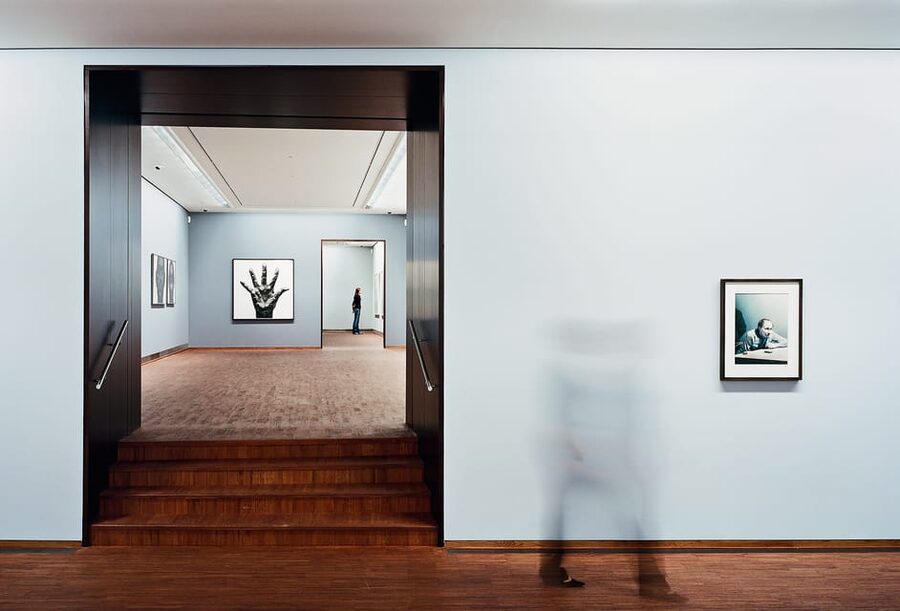
Reviewed · HOFBURG & IMPERIAL PALACES
Tickets for the Albertina Exhibitions
Great art, inside a former palace. The Albertina brings Monet, Picasso, Klimt, and Expressionist masters together with lavish rooms once occupied by Habsburg archdukes and archduchesses. I especially like the museum’s mix of famous paintings and imperial interiors, plus the chance to see temporary exhibitions under one ticket. The main drawback is that the most celebrated names can be represented by fewer works than the publicity suggests, and busy days can make the layout harder to follow.
I also like the Albertina’s central location, its clear room-by-room presentation, and its manageable scale compared with some giant European museums. At $23 per person, it is good value if you give it at least two hours and visit both the permanent collection and a temporary show. Bring patience, and ideally some cash, since lockers and the cloakroom have been reported to accept cash only.
In This Review
- Key things to know before visiting
- Why the Albertina works so well in Vienna
- The Monet to Picasso collection
- The Habsburg rooms are not an afterthought
- Temporary exhibitions add value
- What the museum feels like inside
- Audio guides and practical rules
- Getting to Albertinaplatz 1
- Is $23 good value?
- Who will enjoy the Albertina most?
- A practical visit plan
- Should you book the Albertina ticket?
- FAQ
- Where is the Albertina Museum?
- What does the Albertina admission ticket include?
- How long is the ticket valid?
- Is an audio guide included?
- Are backpacks and umbrellas allowed?
- How can I reach the Albertina by public transport?
Key things to know before visiting
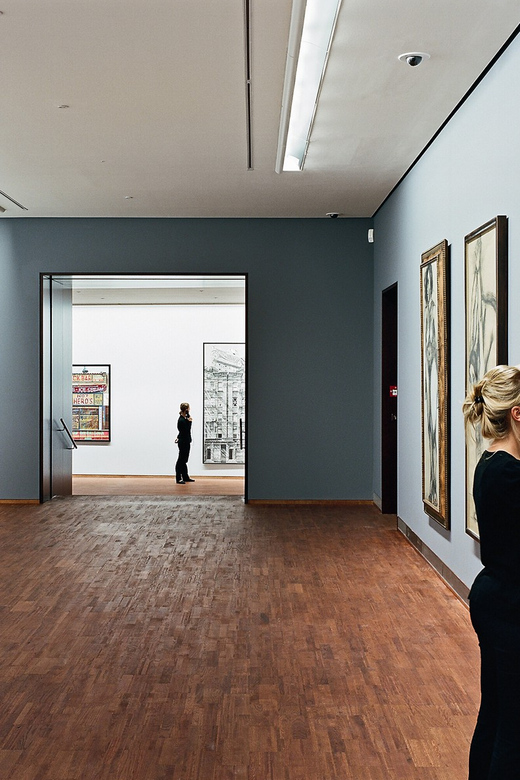
- Monet to Picasso: The permanent display follows the development of modern art through Impressionism, Expressionism, the Russian avant-garde, Austrian art, and Picasso’s changing styles.
- Habsburg State Rooms: Twenty restored rooms add chandeliers, fireplaces, Louis-seize furniture, wall coverings, and palace atmosphere to the museum visit.
- Central Vienna address: Albertinaplatz 1 is close to the Opera, Kärntner Straße, Stephansplatz, and several subway and tram lines.
- Temporary exhibitions included: Your admission covers the Albertina and the temporary exhibition program on display during your visit.
- Allow two hours minimum: You can move quickly through the museum, but a leisurely visit can occupy half a day.
- Plan for practical restrictions: Backpacks and umbrellas are not allowed inside, and audio guides cost extra.
Why the Albertina works so well in Vienna
Vienna gives you grand palaces, famous music, and a long list of museums. The Albertina is unusually satisfying because it combines two different visits in one building: a first-rate art museum and a former Habsburg residence.
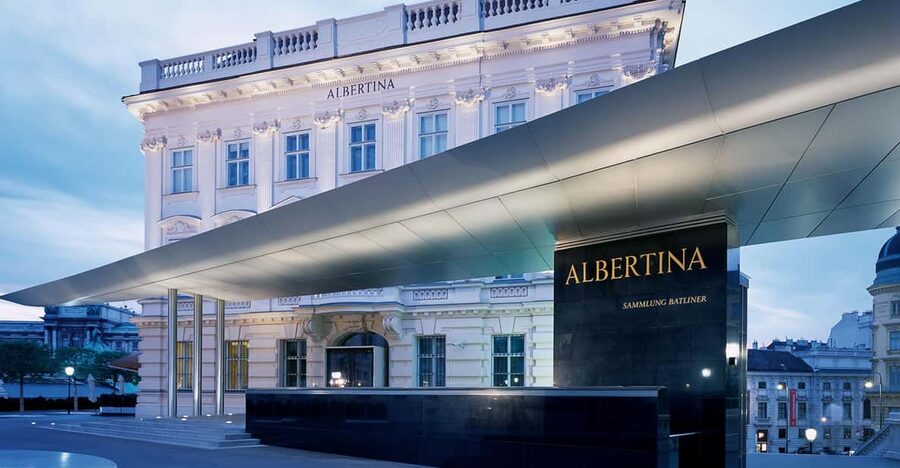
The setting helps. The museum sits at Albertinaplatz in the historic center, above the level of the street and close to the Vienna State Opera. You can pair it with a walk along Kärntner Straße, a stop at Stephansplatz, or an afternoon coffee nearby without giving up much sightseeing time.
The building itself once served as the residence of Habsburg archdukes and archduchesses for roughly a century. That past is not treated as a footnote. The restored state rooms form part of the visit, so you are not simply walking through plain gallery boxes filled with paintings.
The Albertina was named one of the Seven Urban Wonders of the World in 2018. That title is a little grand for a museum visit, but the location and architecture do explain its appeal. You get art, palace rooms, and a central address in a compact package.
More Attraction Tickets in Vienna
- Vienna: Classic Ensemble Vienna in St. Peter’s Church Ticket
★ 4.7 · 4,819 reviews - Vienna Kunsthistorisches Museum Day Admission Ticket
★ 4.6 · 3,690 reviews - Vienna: Tickets for Mozarthaus Vienna with Audio Guide
★ 4.2 · 2,344 reviews
The Monet to Picasso collection
The main permanent display, titled Monet to Picasso, is the Albertina’s anchor. It presents a broad survey of modern art, beginning with French Impressionism and continuing through German Expressionism, the Russian avant-garde, Austrian art, and Picasso’s early and late work.
This is not just a room of famous names. The value comes from seeing how styles change across the collection. You can follow the movement away from strict observation toward broken color, bold distortion, abstraction, and experimental forms.
The display includes works associated with Claude Monet, Edgar Degas, Natalia Goncharova, Marc Chagall, Oskar Kokoschka, and Pablo Picasso. The Picasso section covers early Cubist pictures as well as paintings from his later experimental period, giving you more than a single snapshot of the artist.
I would set your expectations carefully. If you arrive hoping for a huge Monet or Picasso survey, you may find the number of works by each artist modest. The strength is the sequence and variety, not the size of any single artist’s room.
The museum also includes Austrian art, with Gustav Klimt among the names that draw particular attention. One visit may include several Klimt works, along with paintings by artists who are less familiar outside Austria. That is one reason I would not rush straight toward the biggest names. The quieter rooms can offer some of the most rewarding discoveries.
You might also find Van Gogh, Seurat, and other major figures in the presentation, depending on the current display and loans. The exact arrangement can change, so check the museum’s current information before making a special trip for one particular painting.
The Habsburg rooms are not an afterthought
After the art galleries, make time for the Habsburg State Rooms. These twenty rooms are among the Albertina’s most distinctive features, and they are included with admission.
The decoration is classicist and formal. Look for precious wall coverings, chandeliers, fireplaces, stoves, marquetry, and Louis-seize furniture linked to French court workshops in Paris and Versailles. The effect is more domestic than a vast ceremonial palace, which gives you a different sense of imperial life.
The rooms are especially useful if you have already visited Schönbrunn Palace. Schönbrunn gives you a larger royal complex and grander grounds, while the Albertina offers a concentrated look at rooms used by members of the Habsburg family in the center of Vienna.
You do not need to be an art specialist to enjoy this part. The rooms provide a visual break after several galleries, and they make the museum’s address feel meaningful rather than accidental. I would treat them as one of the main reasons to buy the ticket, not as something to skip if you are focused on paintings.
The contrast is part of the fun. One room may present delicate furniture and polished decorative details, while the next leads you back into modern art, large drawings, or bold color. The building’s old and new identities keep the visit from feeling repetitive.
Temporary exhibitions add value
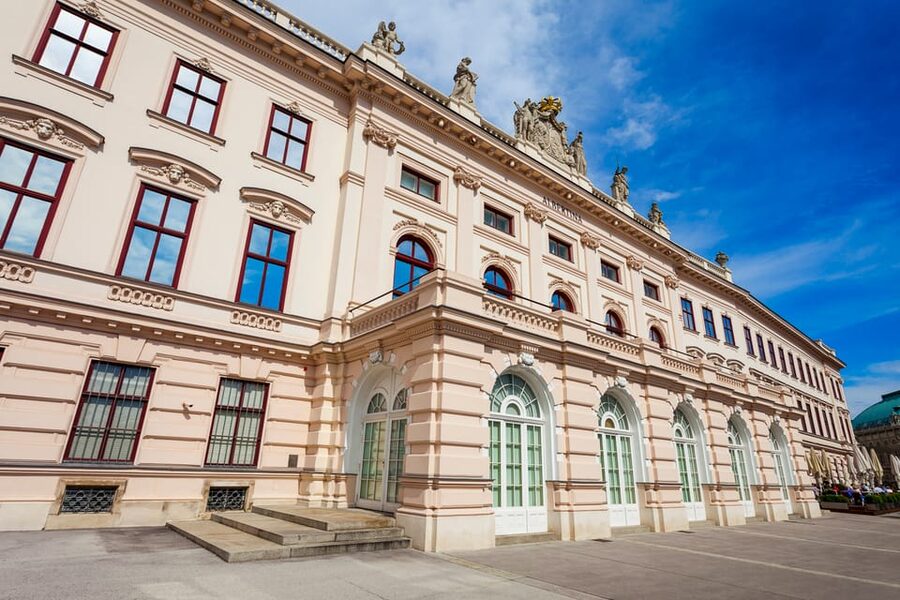
Admission includes the temporary exhibition on display during your visit, with up to five parallel exhibitions presented at different times. This can make the $23 ticket a better deal than a permanent collection ticket alone, especially if one of the current subjects matches your interests.
The 2026 program includes a wide range of subjects:
- Lisette Model: Retrospective, through February 22, 2026
- Fascination Paper: Rembrandt to Kiefer, through March 22, 2026
- Leiko Ikemura: Motherscape, through April 6, 2026
- Honoré Daumier: Mirror of Society, February 6 through May 25, 2026
- Care Matters: An Exhibition of the VERBUND COLLECTION, March 12 through June 28, 2026
- Richard Prince: Retrospective, April 17 through August 16, 2026
- Helga Philipp: Spaces of Motion, May 1 through September 20, 2026
- Collecting for the Future: 250 Years of the ALBERTINA Museum, June 16 through October 11, 2026
- Travel Photography, July 15 through October 26, 2026
- Picasso and Bacon: What It Means to Be Human, September 18, 2026 through January 31, 2027
- Shara Hughes, October 9, 2026 through February 28, 2027
- Women Artists of the Albertina, October 30, 2026 through January 17, 2027
This list makes clear that the Albertina is not only a museum of nineteenth and early twentieth-century painting. Photography, contemporary art, works on paper, social commentary, and collection history all appear in the program.
The temporary shows can also change the ideal length of your visit. A quick look at Monet to Picasso may take two hours, but a major retrospective could add another hour or more if you read the labels carefully.
More Hofburg and imperial palace visits:
- Vienna: Skip-the-Line Sisi Museum, Hofburg and Gardens Tour
★ 4.8 · 5,918 reviews - Vienna: Imperial Treasury in the Hofburg Palace
★ 4.4 · 1,791 reviews - Vienna: Imperial Crypt Entrance Ticket
★ 4.6 · 1,507 reviews - Vienna: Hofburg and Empress Sisi Museum Guided Tour
★ 4.7 · 1,460 reviews
What the museum feels like inside
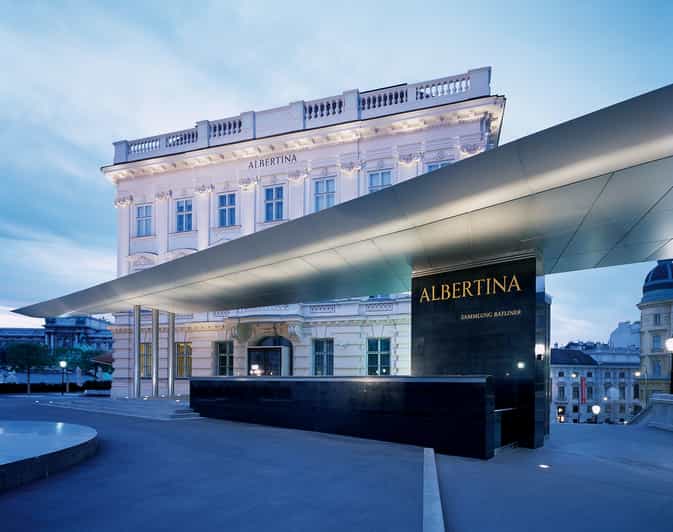
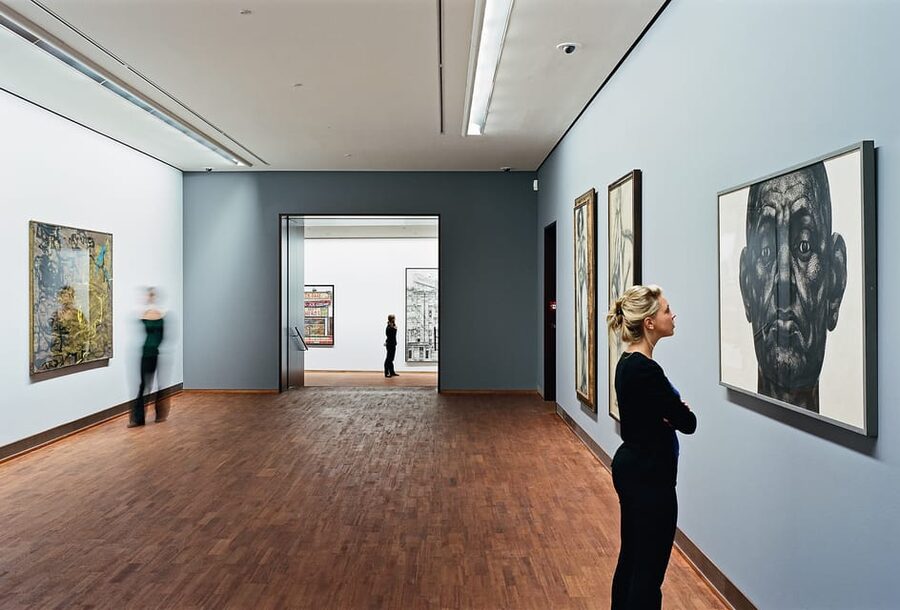
The Albertina is spacious enough to make close viewing possible on a normal day. Several sections use open rooms and good lighting, so paintings are generally easy to see without fighting through a crowd.
That said, the museum can become much busier later in the day. A morning arrival around 11:00 or 11:30 has worked well for a quieter start, while afternoons can fill up. Public holidays and special exhibitions may also change the pace.
The numbered areas help you follow the intended route, but the layout is not always obvious. Signage for the exit and the next section can be limited, and some visitors find the route confusing. I recommend looking at the floor plan or asking staff for directions before you begin. That small step can save you from wandering through the same corridor twice.
Descriptions beside the works are generally useful and explain the subject, style, or background without requiring an art degree. If you like reading every label, plan on several hours. If you prefer to focus on familiar artists and the palace rooms, two hours may be enough.
The museum’s scale is a plus for many people. You can see a substantial collection without the exhausting size of the Louvre or the Kunsthistorisches Museum. I like that balance: enough material for serious art fans, but not so much that a first-time museum visitor feels defeated.
Audio guides and practical rules
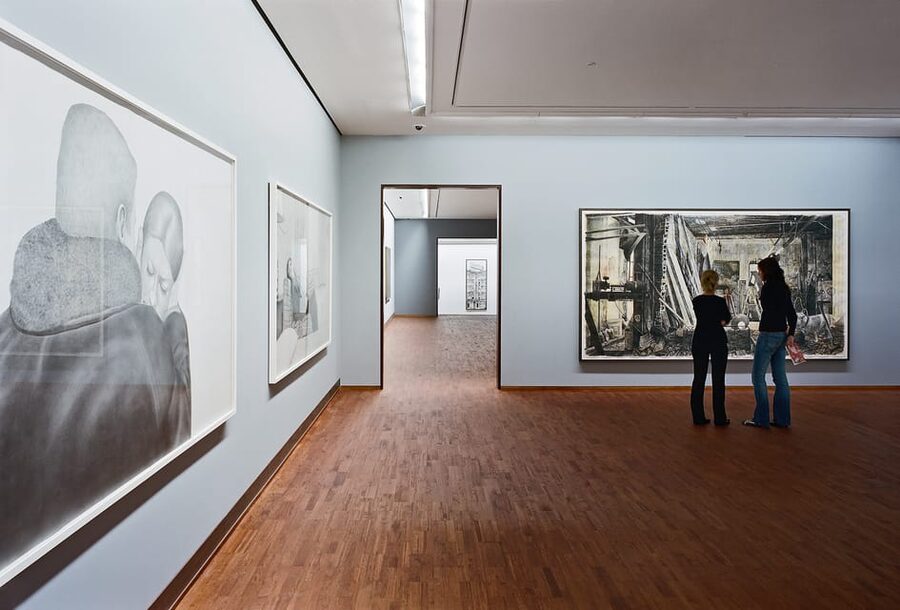
An audio guide is available for an additional fee in German, English, French, Italian, Czech, Russian, Japanese, and Spanish. The available language range varies by time and season, so a specific language is not guaranteed.
The guide does not describe every painting. It focuses on selected works, which is useful if you want a guided path but less satisfying if you expect a full explanation of the collection. You can still enjoy the museum without it because written information accompanies many works.
Backpacks and umbrellas are not allowed in the galleries. Use the cloakroom or lockers, and bring some cash because cash-only payment has been reported for these services. This is an easy detail to miss, especially on a rainy Vienna day when you are carrying an umbrella.
The on-site Demel Café is another popular stop, but it is not a budget refreshment option. A coffee and bottled water can cost close to €8, so I would save the café for the pastry experience and use nearby cafés if you simply need a cheap drink.
Getting to Albertinaplatz 1
The museum’s address is Albertinaplatz 1, A-1010 Vienna. It is easy to reach by public transport:
- U1, U2, or U4 to Karlsplatz or Oper
- U3 to Stephansplatz
- Tram 1, 2, D, 62, 65, or Badner Bahn to Staatsoper or Kärntner Ring
- Citybus 3A to Albertina
The central location makes the Albertina a strong rainy-day choice. You can move from an outdoor walk into the museum with little trouble, and the surrounding sights give you plenty to do before or after your visit.
If you have a combo ticket that includes another Albertina venue, check the details carefully. Some visitors have found the extra cost worthwhile, particularly when both locations have exhibitions they want to see. The main Albertina and Albertina Modern are separate venues, so do not assume that one building automatically covers both.
Is $23 good value?
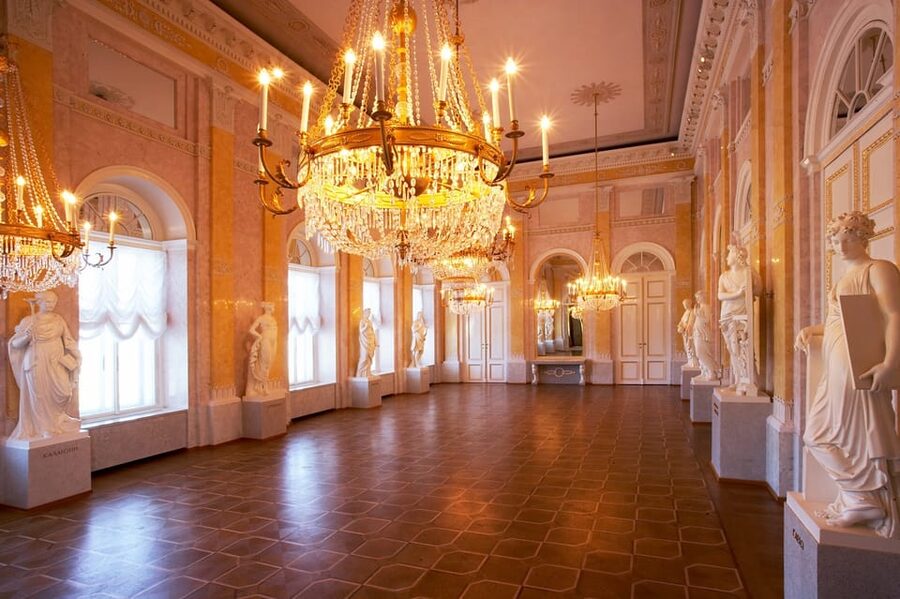
At $23 per person, the ticket is fairly priced for central Vienna if you use it fully. You receive admission to the Albertina, the permanent Monet to Picasso display, the Habsburg State Rooms, and the temporary exhibition program.
The value depends on your pace. A quick visit focused only on Monet and Picasso may feel expensive if you leave after an hour. A two to four-hour visit, including the palace rooms and a temporary exhibition, makes the price easier to justify.
The ticket also gives you flexible validity from one to 365 days, with starting times shown according to availability. You can reserve now and pay later, and cancellation is allowed up to 24 hours before the visit for a full refund. Opening hours can change on public holidays, and temporary closures may occur for events, so check the official Albertina website before you go.
Buying ahead can also help when the museum’s own ticket supply is limited. It does not always mean you walk straight into the galleries. At times, you may still need to exchange the booking for a ticket at the counter, so allow a little time rather than assuming instant entry.
Who will enjoy the Albertina most?
I would recommend the Albertina to:
- First-time Vienna visitors who want major art without spending all day in one enormous museum
- People who enjoy Impressionism, Expressionism, Picasso, Klimt, or Austrian art
- Architecture fans who want palace interiors alongside paintings
- Families and mixed-interest groups, since the building offers art and decorative rooms
- Rainy-day sightseers looking for a central indoor activity
- Visitors already planning Schönbrunn who want a different Habsburg setting
It may be less satisfying if you want a museum devoted almost entirely to one artist. It can also disappoint if your main goal is a huge collection of Monet or Picasso. The Albertina offers context and variety, not a single-artist pilgrimage.
Art beginners should not feel out of place. Familiar names provide an easy entry point, while the chronological and stylistic range lets you learn as you go. Art specialists will find more to study, especially in the drawings, Austrian works, and temporary exhibitions.
A practical visit plan
Give yourself at least two hours. Start with the permanent Monet to Picasso display while your attention is fresh, then take the temporary exhibition at a slower pace.
After that, visit the Habsburg rooms. This order lets you see the art first and then enjoy the palace interiors as a change of rhythm. If a temporary exhibition particularly interests you, reverse the order and arrive early for that show.
Look beyond the famous names. Monet, Picasso, Klimt, and Van Gogh may be your reason for coming, but less familiar Austrian artists and works on paper can give the visit its personal surprise.
Finally, do not plan the Albertina as a rushed stop between trains or major palace visits. The museum is not enormous, but its contents reward time. The best visit leaves room for a slow look at a few paintings, not just a checklist of famous names.
Should you book the Albertina ticket?
Yes, if you want a compact, high-quality museum visit that combines modern art with Habsburg interiors. The central location, changing exhibition program, and broad collection make it one of Vienna’s most useful choices for a two-hour cultural stop.
Book it especially if you enjoy Impressionism, Picasso, Klimt, or temporary exhibitions. Check the current show before paying, arrive earlier in the day if possible, carry cash for the cloakroom, and allow more than two hours if you read labels or use the audio guide.
Skip it only if your Vienna schedule is already packed with museums or if you expect a vast collection devoted solely to Monet and Picasso. For most visitors, the mix of art, architecture, and location makes the $23 admission a sound choice.
FAQ
Where is the Albertina Museum?
The Albertina is at Albertinaplatz 1, A-1010 Vienna, in the historic center.
What does the Albertina admission ticket include?
The ticket includes admission to the Albertina, the permanent Monet to Picasso display, the Habsburg State Rooms, and the temporary exhibition available during your visit.
How long is the ticket valid?
The ticket can be valid from one to 365 days. Check availability for the applicable starting times.
Is an audio guide included?
No. Audio guides can be booked separately in German, English, French, Italian, Czech, Russian, Japanese, and Spanish. Specific languages are not guaranteed.
Are backpacks and umbrellas allowed?
No. Backpacks and umbrellas are not allowed inside the museum galleries.
How can I reach the Albertina by public transport?
Take the U1, U2, or U4 to Karlsplatz or Oper, or the U3 to Stephansplatz. Trams 1, 2, D, 62, 65, and Badner Bahn stop at Staatsoper or Kärntner Ring. Citybus 3A stops at Albertina.
More Museums
- Vienna: Chocolate Workshop in Chocolate Museum w/ Tasting
★ 4.5 · 1,802 reviews - Sigmund Freud Museum Ticket
★ 4.6 · 1,668 reviews - Vienna: St. Stephen’s Cathedral & Dom Museum Wien Tickets
★ 4.5 · 1,652 reviews - Vienna: Museum of Illusions Vienna Admission Ticket
★ 4.0 · 1,058 reviews
Just added around Vienna
- Mobile puzzle rally tour at the Vienna Central Cemetery★ 4.5 · 3 reviews
- 8 days European Highlights PRIVATE TOUR from Budapest including Budapest Vienna Prague and Bratislava★ 5.0 · 3 reviews
- RAXI (E-Rickschaw) big private Vienna tour★ 4.5 · 3 reviews
- Private Transfer from Vienna to Prague with 1 hour Stop in Kutna Hora★ 4.5 · 3 reviews
- Palais Lobkowitz Audio Guide Tour★ 4.0 · 3 reviews
- Private Tour from Vienna to Melk and Dürnstein★ 4.5 · 3 reviews
- Vienna: Designer Fashion Time Capsule Experience★ 5.0 · 3 reviews
- Vienna Sight & Gourmet Tour – individual private tour★ 4.5 · 3 reviews
Hofburg & Imperial Palaces, compared.

Skip-the-Line Sisi Museum, Hofburg and Gardens Tour
Read our review →

Entry Ticket Upper Belvedere, Klimt’s Kiss & Permanent Collection
Read our review →
Skip-the-Line Hofburg and Empress Sisi Museum Tour
Read our review →
Combo Ticket: Kunsthistorisches Museum & Imperial Treasury
Read our review →
“Sisi’s Amazing Journey” Virtual Reality Experience
Read our review →Browse the lists this tour appears in