
Reviewed · VIENNA TOURS
The best of Vienna on foot
Vienna reveals itself one grand building at a time. This 150-minute walk covers more than ten central sights, from the Maria Theresa Memorial to St. Stephen’s Cathedral, while an Italian-speaking guide adds stories, history, and practical advice for the rest of your stay. I like the way the route gives you a quick grip on Vienna’s imperial center, and I also like the chance to ask questions instead of simply following a prerecorded script.
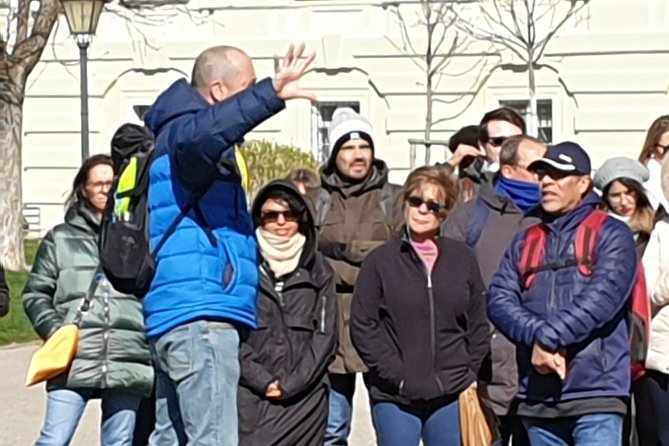
The strongest part is the guiding. Raffaele is praised for being prepared, friendly, and never dull, while Mara earned high marks for clear explanations, precise historical context, and amusing anecdotes. The main consideration is that this is a long outdoor walk that runs in rain, cold, or wind, and the information describes it as wheelchair accessible while also saying it is not suitable for people with mobility impairments. Check the details carefully before booking.
In This Review
- Key points at a glance
- Starting at the Maria Theresa Memorial
- Maria Theresa and the imperial center
- The Albertina and Vienna State Opera
- The Capuchin Crypt and the Habsburg legacy
- Hofburg Palace and Franz Josef’s Vienna
- Heldenplatz, the Plague Column, and baroque Vienna
- Finishing at St. Stephen’s Cathedral
- What the guiding adds
- Is $40 a fair price?
- Who should choose this walk?
- Should you book The Best of Vienna on Foot?
- FAQ
- Where does the Vienna walking tour begin?
- Where does the tour finish?
- How long does the tour last?
- What language is the tour offered in?
- What sights are included on the route?
- Is a guide included?
- Is there time for photographs?
- Are food and drinks included?
- Does the tour operate in bad weather?
- Can I cancel the booking?
Key points at a glance
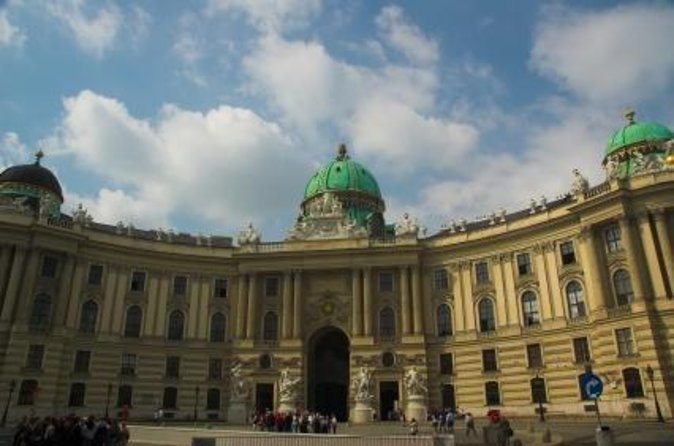
- More than ten central sights in 150 minutes: You see the Maria Theresa Memorial, Hofburg, Heldenplatz, Albertina, Vienna State Opera, Capuchin Crypt, Plague Column, and St. Stephen’s Cathedral.
- A useful first-day orientation: The route gives you history, monument names, cultural pointers, restaurant advice, and public transport tips in one sitting.
- Italian-speaking official guides: Raffaele and Mara are specifically praised for clear, lively explanations and a good sense of humor.
- A finish at Vienna’s main landmark: The walk ends at St. Stephen’s Cathedral, giving you an easy place to continue sightseeing afterward.
- Photo time is built in: You are not expected to march past every facade. The guide allows time for pictures and questions.
- Weather matters: The tour runs rain or shine, and one cold-weather outing lasted nearly three hours because of the pace and group interaction.
Starting at the Maria Theresa Memorial
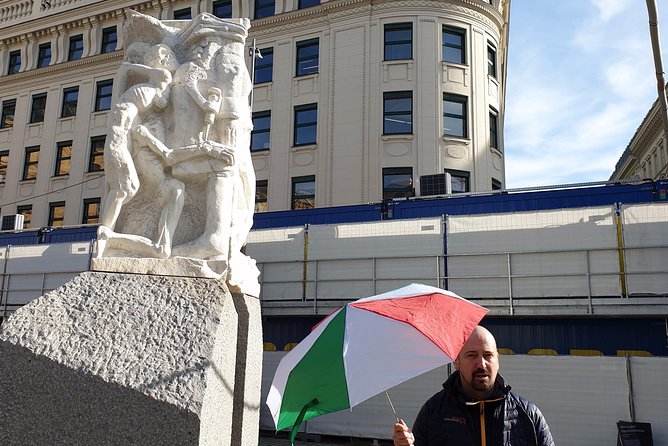
The meeting point is the fountain at the Maria Theresa Memorial on the square. Look for the Italian-colored umbrella, red, white, and green. This is a helpful marker in a broad public space, especially if you are arriving by public transport or meeting the group for the first time.
Beginning here puts you beside one of Vienna’s grandest open areas. The memorial and surrounding buildings set the tone at once: imperial scale, formal architecture, and a city center built to impress. You do not begin with a narrow side street or a minor attraction. You start with a clear sense of Vienna as the former center of Habsburg power.
The guide then uses the city itself as the classroom. Instead of spending the entire walk inside one museum, you move between palaces, churches, squares, and public monuments. That makes this a good first activity after arrival, when you want names and bearings before choosing where to spend more time.
You should arrive prepared for an outdoor tour. Large bags and luggage are not allowed, and pets are not permitted. The walk is offered in Italian, so you will get the most from it if you are comfortable listening to historical explanations in that language.
A few more trips of this kind worth comparing:
- Vienna: Vivaldi’s Four Seasons Concert in Karlskirche
★ 4.7 · 14,951 reviews - Vienna: Spanish Riding School Training
★ 3.9 · 9,281 reviews - Vienna: Skip-the-cashier-desk-line Giant Ferris Wheel Ride
★ 4.5 · 7,859 reviews
Maria Theresa and the imperial center
The Maria Theresa Memorial is more than a meeting point. It introduces the Habsburg world that shapes much of central Vienna. The tour uses this area to frame the city’s political and cultural past before leading you toward the major buildings of the old center.
I like this approach because grand Vienna can seem like a collection of oversized facades until someone explains how the pieces fit together. The tour aims to connect the monuments with the people who used them and the events that shaped the city. You will hear specific dates, stories, and facts rather than receiving only broad comments about beautiful architecture.
The walk also brings in Vienna’s popular culture and the special role of the city’s residents. That detail matters. Vienna is not presented only as a palace city frozen in the age of emperors. The guide also offers a sense of how the city lives today, at least through local customs, cultural life, restaurants, and daily transport.
The Albertina and Vienna State Opera
The route continues toward the Albertina and Vienna State Opera. These are two of the most recognizable cultural buildings in the center, and seeing them from outside gives you a practical introduction before you decide if you want to return for a performance, exhibition, or longer visit.
The Vienna State Opera is especially useful as a reference point. It helps you understand where the central cultural district begins and gives the guide a natural chance to discuss Vienna’s place in European music and performance. The description does not promise an interior visit or a show, so plan on exterior sightseeing only during this walk.
The Albertina adds another layer. It is one of the city’s major art institutions, but the value here is the building’s setting and its connection to the old imperial center. You have time to take photographs, which is important in this part of town. The architecture is large and formal, and a rushed snapshot would not do it much justice.
This section also shows the practical limit of a city-center orientation. You will learn where these places are and why they matter, but you will not have time for a full museum visit. Think of the walk as a map and a preview, not a substitute for going inside.
The Capuchin Crypt and the Habsburg legacy
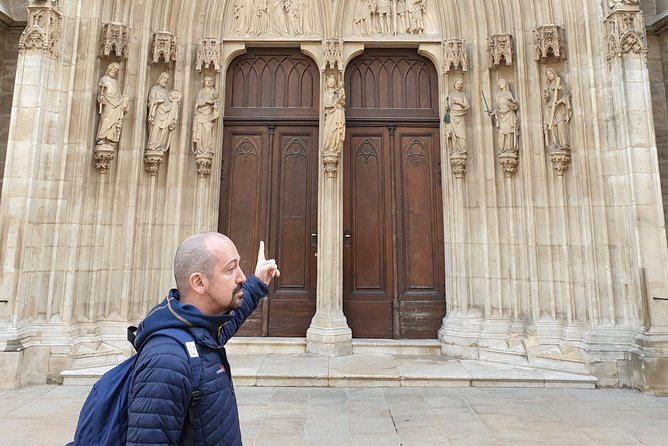
The tour passes in front of the Capuchin Crypt, the burial place of the Habsburg monarchs. Even from outside, this stop gives the imperial story a more personal edge. Palaces can feel polished and distant. A royal burial place reminds you that the dynasty was made up of real people, families, succession struggles, and ceremonies.
The crypt is also a useful point for questions. If you are curious about the Habsburg monarchs, Franz Josef, or Empress Sissi, this is the moment to ask. The experience includes an official guide and time for questions, so you are not limited to whatever facts fit the planned route.
Do not expect entry into the crypt unless that is separately arranged. The advertised walk takes you in front of it. That is still worthwhile for orientation, but you should reserve more time elsewhere if seeing the interior is a priority.
A completely different kind of day out in Vienna:
- Vienna: Schönbrunn Palace & Gardens Skip-the-Line Tour
★ 4.7 · 7,739 reviews - Vienna: Light of Creation Votive Church Immersive Light Show
★ 4.8 · 6,779 reviews - Vienna Spanish Riding School Guided Tour
★ 4.7 · 6,765 reviews - Vienna: Classical Concert in the World-Famous Musikverein
★ 4.6 · 6,673 reviews
Hofburg Palace and Franz Josef’s Vienna
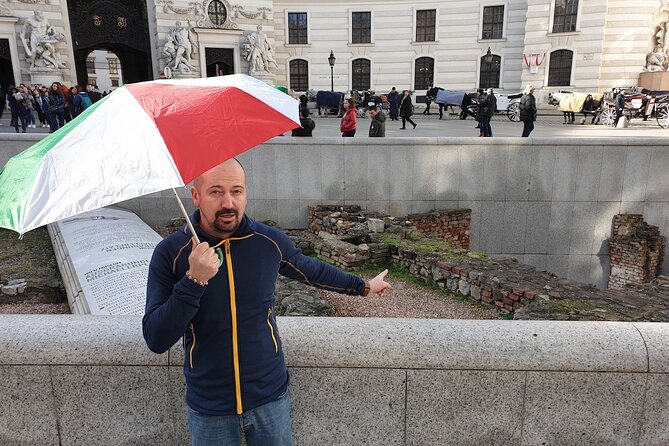
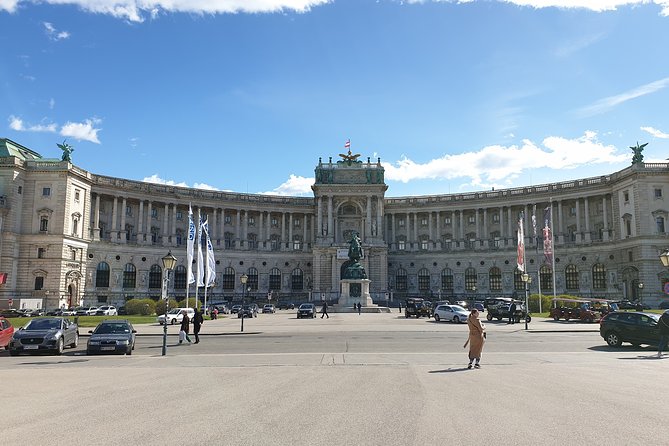
The walk then reaches the Hofburg, the imperial palace associated with Emperor Franz Josef and Empress Sissi. This is one of the tour’s central stops, both geographically and historically. The palace complex is large, and a guided explanation helps you understand that it is not just one building with one purpose.
The Hofburg also gives the guide room to explain how power worked in imperial Vienna. You can connect the residence with the surrounding streets, ceremonial spaces, and monuments rather than viewing it as an isolated palace. The route leads toward Heldenplatz, another major open space linked to the city’s imperial identity.
A walk past the Hofburg is a strong use of time for a first visit. You receive the basic story and the physical layout, then you can return later for a more focused visit. If you already know Vienna well, this portion may feel familiar, but the guide’s anecdotes and historical links can still add value.
The names Raffaele and Mara matter here because the quality of a walking tour depends heavily on delivery. Raffaele is described as prepared, personable, and never boring. Mara is praised for complete explanations, funny anecdotes, and precise historical framing. Those qualities are especially useful at the Hofburg, where a dry list of dates would quickly turn the palace into background scenery.
Heldenplatz, the Plague Column, and baroque Vienna
Heldenplatz adds another grand outdoor stop, with space to pause and take in the scale of the imperial center. The tour also passes the Plague Column, one of Vienna’s most striking public monuments. These places help show how the city used architecture to express power, faith, memory, and civic identity.
The baroque buildings along the route are a major part of the visual appeal. You will have time to photograph them, but remember that the tour lasts 150 minutes. The pace must keep moving if the group is to reach the cathedral at the planned finish.
This is where comfortable shoes become important. The activity is a walking tour, not a hop-on, hop-off circuit, and there is no food or drink included. One especially cold outing was made harder by strong wind, although the guide kept the explanations engaging and accepted a group request to stop at a punch kiosk. That stop was an extra rather than a standard inclusion, so you should not count on it being part of every departure.
The weather policy is clear: the tour operates rain or shine and is canceled only in the event of an environmental disaster. Bring clothing suitable for the forecast. Vienna’s elegant streets are less charming when you are cold, wet, or trying to hold an umbrella over a camera.
Finishing at St. Stephen’s Cathedral
The final stop is St. Stephen’s Cathedral, Vienna’s best-known landmark. Ending here gives the walk a satisfying finish and leaves you in one of the most useful parts of the center for further sightseeing.
The cathedral is not simply a photo stop. It is the point where the various strands of the tour come together: imperial history, religious life, city identity, and Vienna’s famous architecture. The route begins with the imperial world around Maria Theresa and ends at a building that has long served as a visual and cultural symbol of the city.
The tour description does not include a cathedral interior visit, so plan on viewing the outside during the walk. The location is still convenient. After the tour, you can ask the guide for suggestions about what to do next, and the experience specifically includes advice on restaurants, cultural life, and public transport.
That practical follow-up is one of the better reasons to schedule this early in your stay. You can ask where to eat, how to move around Vienna, or which cultural activities may fit your plans. The answers will be more useful because you have just walked through the central districts being discussed.
What the guiding adds
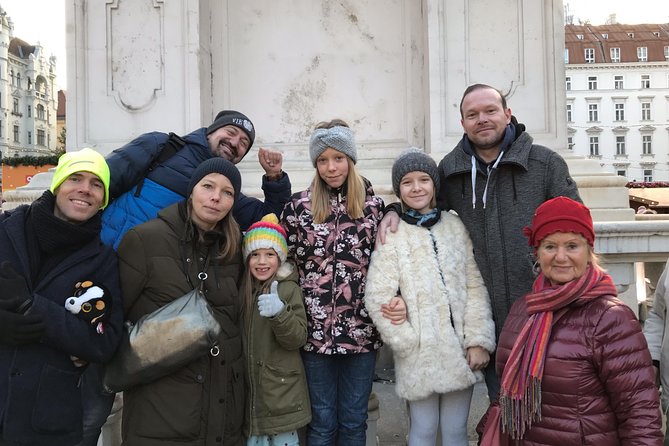
A good city walk should do more than identify buildings. It should help you notice why they were built, what they represent, and how to place them on your mental map. This experience aims to do that through dates, stories, anecdotes, and conversation.
The praise for the guides centers on three things: preparation, clear explanations, and an easy manner. That combination matters in a city with so many formal monuments. Raffaele is described as friendly and never boring. Mara is singled out for making a nearly three-hour walk pleasant despite freezing conditions and sharp wind.
The official guide also gives you room to ask questions. That can change the experience from a fixed lecture into a conversation. You might ask about the Habsburgs at the Capuchin Crypt, music near the opera house, the meaning of a baroque monument, or transport after the cathedral.
The tour is listed in Italian only. That is a strength if Italian is your preferred language, since you can follow the stories without switching between languages. It is not the right choice if you need an English or multilingual explanation.
Is $40 a fair price?
At $40 per person, the value depends on how you use the 150 minutes. You are paying for an official guide, a compact route through more than ten major sights, time for photographs, and the chance to ask questions. Food, drinks, and admission to interiors are not included.
For a first visit, that is a reasonable price if you want a quick orientation and practical help for the rest of your stay. The tour covers enough ground to save you time later, especially when you are trying to understand where the Hofburg, opera house, Albertina, Capuchin Crypt, and cathedral sit in relation to one another.
The value is weaker if you prefer to explore slowly, enter every building, or stop for long meals. You will see many exteriors, but you will need separate visits for museums, the crypt, or the cathedral interior. The tour works best as a foundation, not as a complete replacement for Vienna sightseeing.
Free cancellation up to 24 hours before departure reduces the risk of booking early. You can also reserve and pay later, which is useful when your schedule is still shifting.
Who should choose this walk?
I would point this tour toward first-time visitors who want a clear introduction to central Vienna. It also suits Italian-speaking couples, families, and small groups who prefer a live guide over an audio recording.
It is a good fit if you enjoy history but do not want a lecture without scenery. You keep moving, see the city’s major monuments, and get stories as the buildings appear in front of you.
You should think twice if you have mobility limitations. The activity information says wheelchair accessible, but it also says it is not suitable for people with mobility impairments. That conflict should be settled with the provider before you reserve. The rain-or-shine policy is another concern for anyone who finds outdoor walking difficult in poor weather.
Do not bring luggage or a large bag, and do not plan to bring a pet. Since food and drinks are not included, carry only what is permitted and make your meal plans before or after the walk.
Should you book The Best of Vienna on Foot?
Book it if you want a lively Italian-language introduction to Vienna’s imperial center, especially at the start of your visit. The route is well chosen, the finish at St. Stephen’s Cathedral is convenient, and the guide’s historical explanations appear to be the main reason this experience earns such a strong 4.8 rating from 126 bookings.
I would be most inclined to choose it with a guide such as Raffaele or Mara, whose praised style combines facts, humor, and patience. Schedule it when you have enough energy for two and a half hours outside, wear suitable shoes, and leave time afterward to enter the sights that catch your attention.
Skip it if you need an English tour, want extensive interior access, or cannot manage a weather-exposed walking route. For everyone else, $40 buys a useful first chapter in Vienna, with enough practical advice to shape the rest of your stay.
FAQ
Where does the Vienna walking tour begin?
It begins at the fountain of the Maria Theresa Memorial on the square. Look for an umbrella in the Italian colors, red, white, and green.
Where does the tour finish?
The tour finishes at St. Stephen’s Cathedral.
How long does the tour last?
The advertised duration is 150 minutes, or two and a half hours.
What language is the tour offered in?
The live tour guide speaks Italian.
What sights are included on the route?
The route passes the Maria Theresa Memorial, Capuchin Crypt, Albertina, Vienna State Opera, Hofburg, Heldenplatz, Plague Column, St. Stephen’s Cathedral, and other central Vienna sights.
Is a guide included?
Yes. A certified official tour guide is included, along with the chance to ask questions.
Is there time for photographs?
Yes. The tour includes time to take photographs of Vienna’s buildings and monuments.
Are food and drinks included?
No. Food and drinks are not included.
Does the tour operate in bad weather?
Yes. It takes place rain or shine and is canceled only in the event of an environmental disaster.
Can I cancel the booking?
Yes. You can cancel up to 24 hours in advance for a full refund. You can also reserve now and pay later.
Just added around Vienna
- Mobile puzzle rally tour at the Vienna Central Cemetery★ 4.5 · 3 reviews
- RAXI (E-Rickschaw) big private Vienna tour★ 4.5 · 3 reviews
- 8 days European Highlights PRIVATE TOUR from Budapest including Budapest Vienna Prague and Bratislava★ 5.0 · 3 reviews
- Private Transfer from Vienna to Prague with 1 hour Stop in Kutna Hora★ 4.5 · 3 reviews
- Palais Lobkowitz Audio Guide Tour★ 4.0 · 3 reviews
- Private Tour from Vienna to Melk and Dürnstein★ 4.5 · 3 reviews
- Vienna: Designer Fashion Time Capsule Experience★ 5.0 · 3 reviews
- Private day trip from Munich to Eagle’s Nest & Hallstatt★ 4.7 · 3 reviews
Vienna Tours, compared.
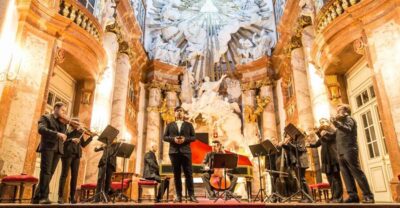
Vivaldi’s Four Seasons Concert in Karlskirche
Read our review →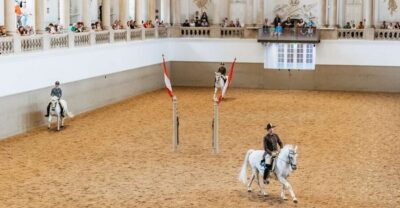
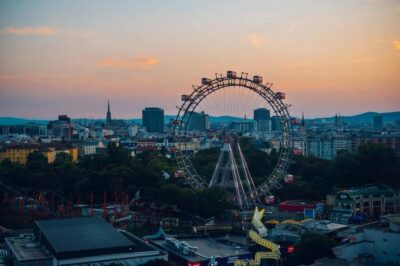
Skip-the-cashier-desk-line Giant Ferris Wheel Ride
Read our review →
Schönbrunn Palace & Gardens Skip-the-Line Tour
Read our review →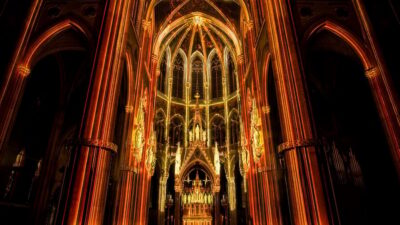
Light of Creation Votive Church Immersive Light Show
Read our review →
Classical Concert in the World-Famous Musikverein
Read our review →