
Reviewed · SCHöNBRUNN PALACE TOURS
Vienna: Imperial Carriage Museum in Schönbrunn Palace Ticket
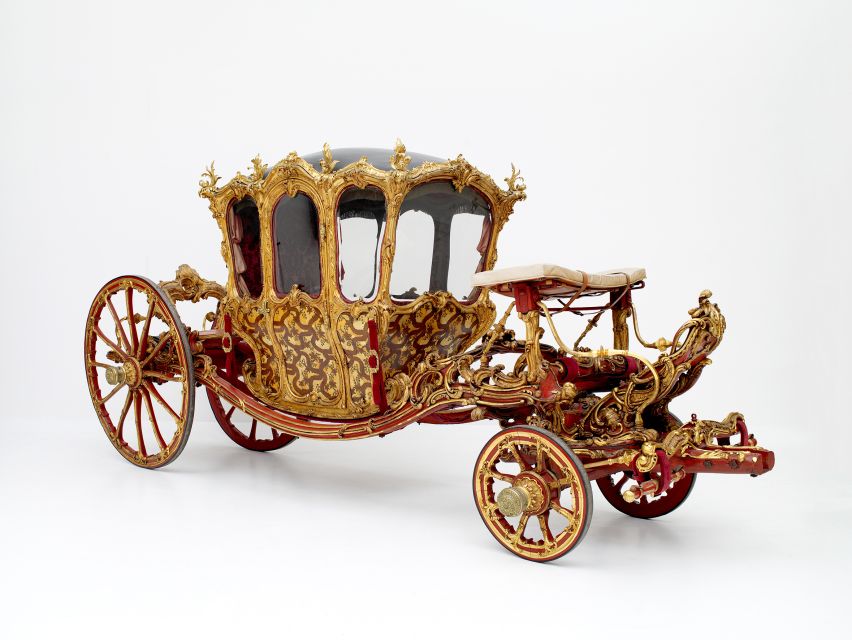
Royal wheels tell better stories. Vienna’s Imperial Carriage Museum brings rulers such as Maria Theresia, Napoleon, Franz Joseph, and Empress Elisabeth into view through the vehicles they used in public, private, and ceremonial life. I like the Baroque imperial coach for its sheer scale and decoration, and I like the Sisi Trail because it adds personal objects and clothing to the carriages.
The museum is a strong choice if you already plan to visit Schönbrunn Palace. It gives you a focused look at Habsburg court life without requiring a full day, and the $14 price is reasonable for a one-day admission. The main drawback is practical: you need a printed voucher, and the booking process may require you to exchange that printout for a museum ticket.
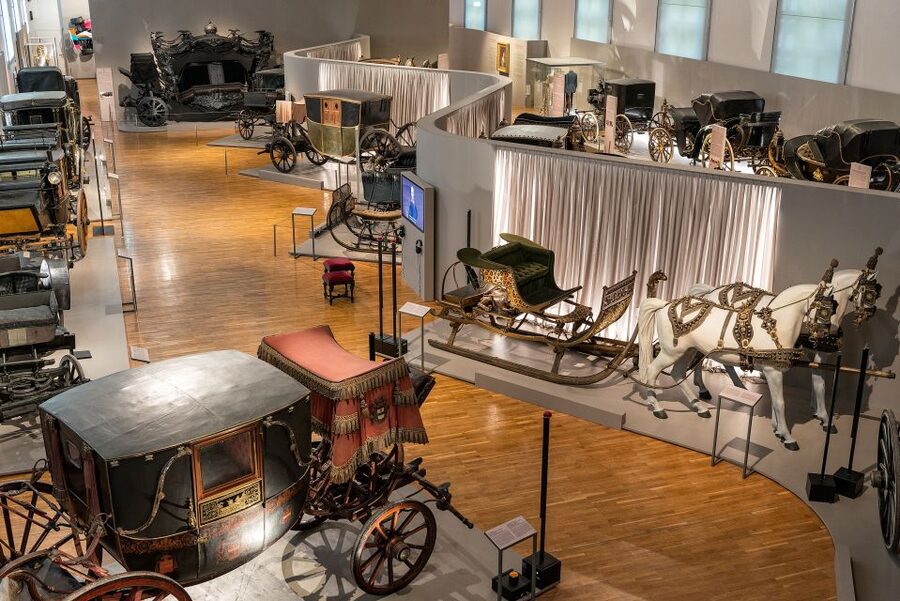
The collection is not only about grand coaches. You will also find traveling coaches, state carriages, and small children’s carriages connected with Habsburg princes and princesses. If you care more about people and daily life than polished palace rooms, this museum gives you a useful extra layer.
In This Review
- Key details before you go
- Why carriage museums can be worth your time
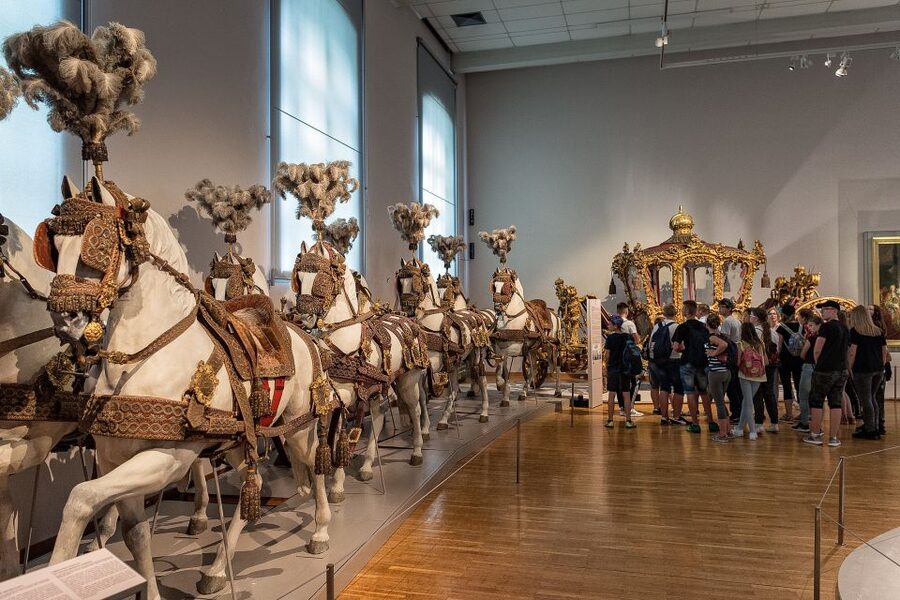
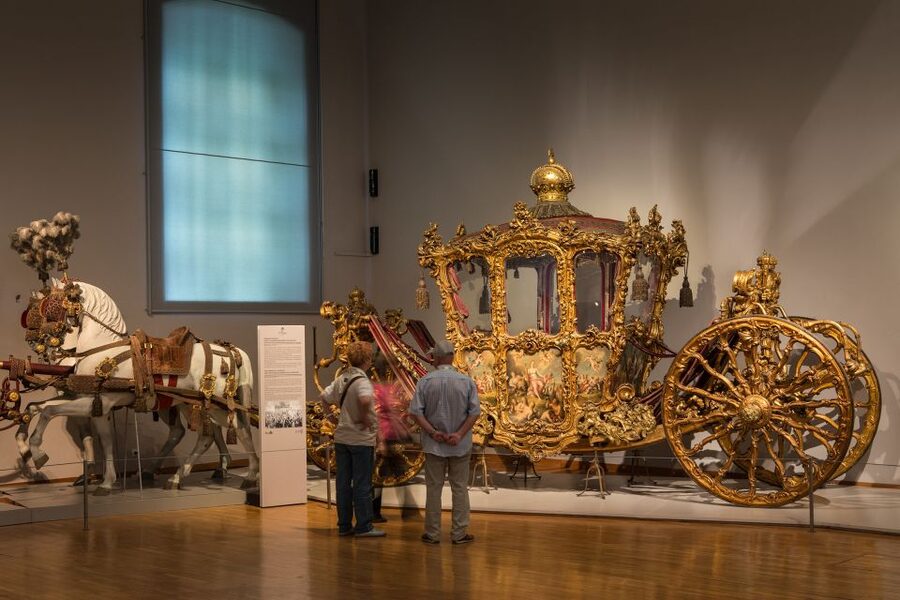
- The Baroque imperial coach is the visual centerpiece
- Maria Theresia, Napoleon, and Franz Joseph in motion
- The Sisi Trail adds personal detail
- From state carriages to children’s coaches
- How the audio guide changes the visit
- Making the $14 ticket worthwhile
- The printed voucher warning matters
- Who will enjoy this museum most
- Is the Imperial Carriage Museum worth booking?
- FAQ
- Where is the Imperial Carriage Museum located?
- How much does admission cost?
- How long is the ticket valid?
- Is an audio guide included?
- Do I need to print my voucher?
- Can I cancel the booking?
Key details before you go
- See the Baroque imperial coach: This is the collection’s biggest visual prize, built for ceremony rather than comfort.
- Follow the Sisi Trail: Empress Elisabeth’s carriages appear alongside original dresses, her only surviving saddle, and her riding chapel.
- Meet famous rulers through transport: Maria Theresia, Napoleon, Franz Joseph, and other Habsburg figures are tied to specific vehicles.
- Choose the audio guide carefully: It is included only when you book the audio guide option, and the Italian version has been described as concise and functional.
- Allow one day for validity, not one full day inside: Your ticket is valid for one day, but this museum works well as part of a Schönbrunn visit.
- Print your voucher before arriving: A digital booking alone may not be enough for entry.
Why carriage museums can be worth your time
At first glance, a carriage museum may sound like a niche stop for transport fans. I see it differently. A carriage shows how power worked before modern cars and planes. The size, decoration, suspension, and seating tell you who was expected to see the ruler, who was allowed inside, and how much ceremony surrounded a short journey.
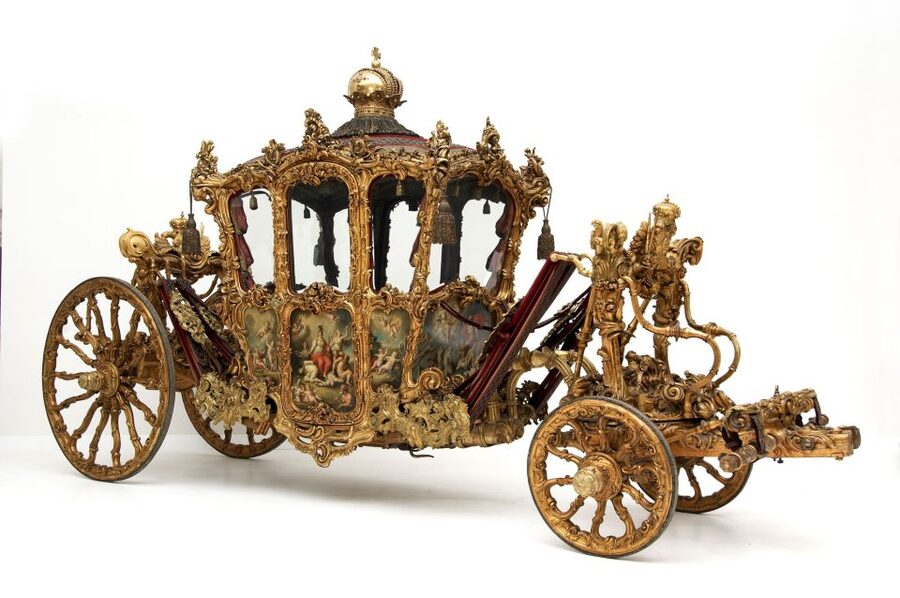
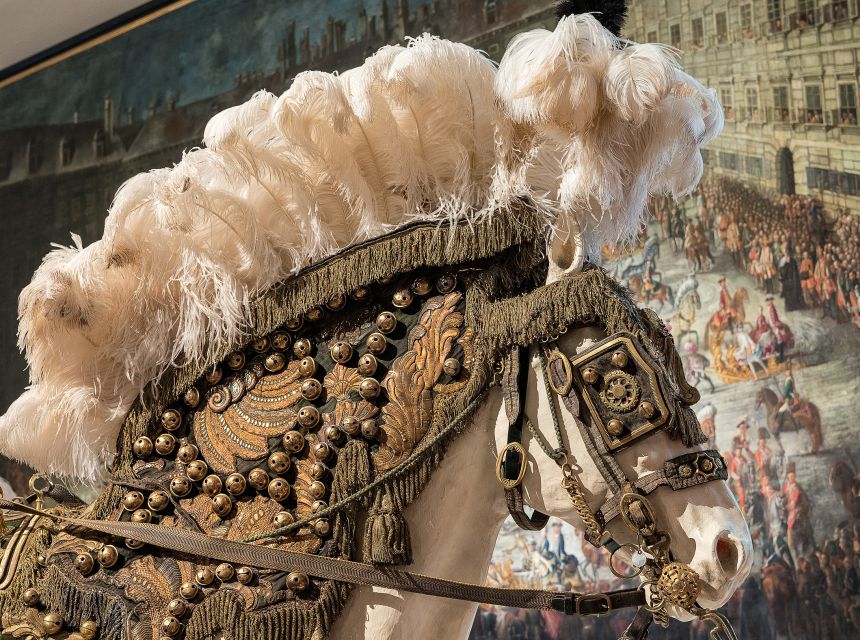
A state coach was not simply a vehicle. It was a moving stage. When Maria Theresia or Franz Joseph traveled in public, the coach helped announce rank. The Baroque imperial coach makes this point clearly, with a design meant to be admired from the outside as much as used from within.
The museum also helps correct the usual palace picture. Palace rooms can make royal life seem fixed and formal. Carriages show movement: weddings, coronations, official visits, military events, funerals, and private travel. You get a sense of how the court carried its public image from one place to another.
That is why I consider the collection more useful than a quick look at decorative objects. It connects furniture, clothing, ceremony, and biography in one place.
More Attraction Tickets in Vienna
- Vienna: Classic Ensemble Vienna in St. Peter’s Church Ticket
★ 4.7 · 4,819 reviews - Vienna Kunsthistorisches Museum Day Admission Ticket
★ 4.6 · 3,690 reviews - Vienna: Tickets for Mozarthaus Vienna with Audio Guide
★ 4.2 · 2,344 reviews
The Baroque imperial coach is the visual centerpiece
Start with the Baroque imperial coach. It is the carriage to seek out first if your time is limited. Its purpose was not modest travel. This was a grand ceremonial object, built to make the imperial presence visible.
The coach matters because it shows the gap between royal comfort and royal display. A carriage could be expensive, elaborate, and slow, yet still be uncomfortable compared with modern transport. Its value was political and symbolic. Every ornament helped communicate status.
Look at the scale and finish before moving on to smaller vehicles. The contrast is useful. Once you have seen the formal coach, the traveling coaches and children’s carriages become easier to understand. The collection shifts from public theater to practical movement and family life.
I would not rush this first section. Even if you are not interested in carriage construction, spend a few minutes asking what the coach was designed to communicate. That question turns a decorated object into a clear piece of court history.
Maria Theresia, Napoleon, and Franz Joseph in motion
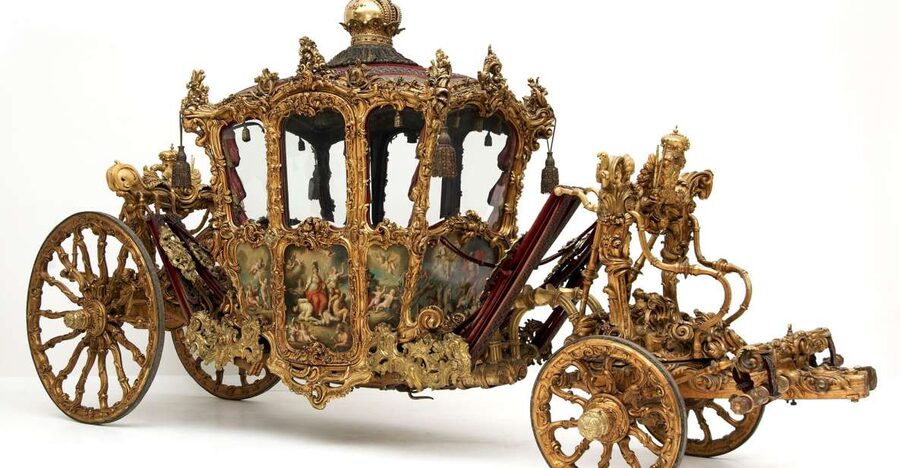
The museum follows the lives of several major figures through their vehicles. Maria Theresia, Napoleon, and Franz Joseph each represent a different part of Europe’s imperial story, and the carriage collection places them in a shared setting.
Maria Theresia’s carriages connect to the scale of Habsburg rule and the demands placed on an eighteenth-century monarch. Her vehicles point to an age when court travel was both a public event and a serious logistical task.
Napoleon’s presence adds another angle. His carriage links the collection to the wars, alliances, and political changes that reshaped Europe. Seeing a vehicle connected with him is valuable because it makes a distant figure more tangible. You are not only reading about a ruler in a history book. You are looking at an object associated with how he presented himself and moved through the world.
Franz Joseph brings the story closer to the late Habsburg period. His carriages connect the museum with the long final chapter of imperial Vienna. For you, the benefit is a clear chronological thread. The collection does not present isolated coaches only. It lets you move through changing styles of rule, ceremony, and travel.
The museum does not replace a full history tour of Vienna. It does give you a compact way to connect famous names with physical objects.
The Sisi Trail adds personal detail
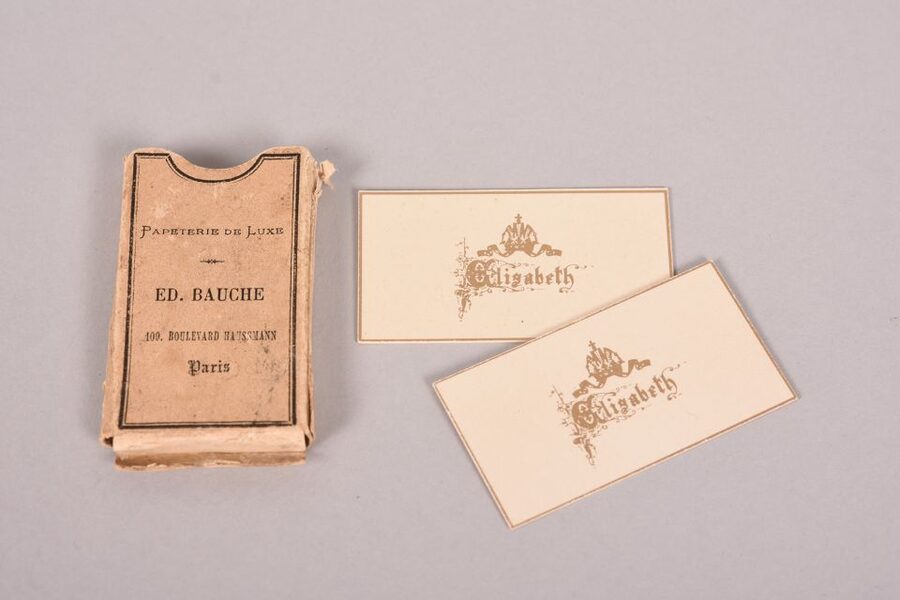
The Sisi Trail is likely to be the most engaging section for many people. Empress Elisabeth, widely known as Sisi, is presented through her carriages and personal belongings. This makes the experience more intimate than a simple display of state vehicles.
You can see her only extant saddle, which is an unusually direct link to her life. A saddle is more personal than a coach. It points to how she moved and what activities mattered to her, rather than only how the court displayed her.
The riding chapel adds another unusual detail. It helps show that Sisi’s world was not limited to palace ceremonies. Her connection with riding and travel becomes part of the exhibition’s story.
The original dresses add visual impact, but their real value is human scale. A dress gives you a better sense of the person inside the imperial portrait. It also lets you compare formal appearance with the practical objects connected with her everyday interests.
I like this section because it avoids presenting Elisabeth as only a glamorous figure. Her carriages, saddle, riding chapel, and dresses create a fuller portrait. You may still want more background on Sisi’s life, but the objects give you a strong starting point.
More ways to see Schonbrunn:
- Vienna: Schönbrunn Palace & Gardens Skip-the-Line Tour
★ 4.7 · 7,739 reviews - Vienna: Skip-the-Line Schönbrunn Palace & Gardens Tour
★ 4.8 · 5,411 reviews - Vienna: Bus & Schönbrunn Palace Skip-the-Line Guided Tour
★ 4.3 · 2,802 reviews - Vienna: Mozart and Strauss Concert at Schönbrunn
★ 4.5 · 2,364 reviews
From state carriages to children’s coaches
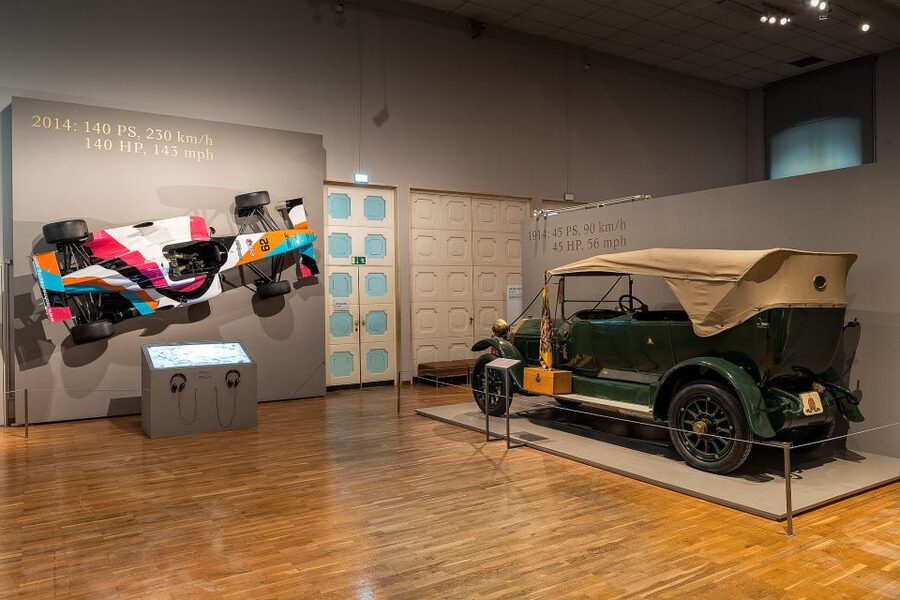
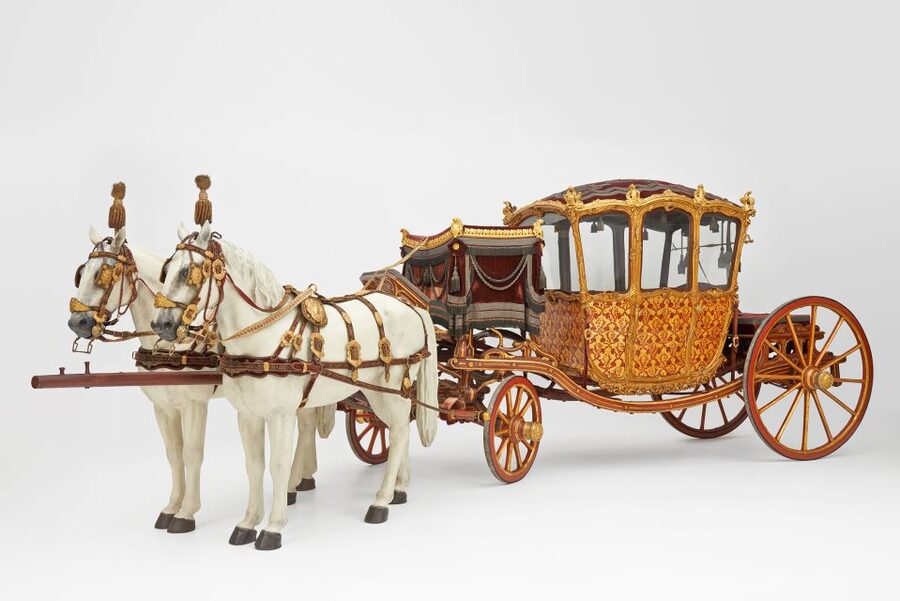
After the major imperial vehicles, pay attention to the less imposing examples. The state carriages show official ceremony, while the traveling coaches suggest longer or more practical journeys. These differences matter because imperial life was not one endless parade.
The children’s carriages are especially charming. They bring the Habsburg princes and princesses into the story and soften the formal mood of the larger coaches. A small carriage can make royal family life feel surprisingly ordinary, even though the surroundings were anything but ordinary.
This part of the collection is useful for families, since children may respond more readily to small carriages than to court protocol. It also gives adults a break from grand imperial symbolism. You can compare the vehicles by size, purpose, and level of decoration.
Do not judge the collection only by its largest coach. The smaller objects often explain how the court operated day to day. They show that transport served many purposes, from ceremony to family travel.
How the audio guide changes the visit
An audio guide is available only if you book that option. I would consider it if you want names, dates, and connections explained as you move through the display, especially since the collection covers several rulers and periods.
The Italian audio guide has been described as concise and functional. That is a fair expectation for the museum as a whole. It should help you understand what you are seeing, but you should not assume it will provide a long, story-filled guided tour.
If you prefer to move at your own pace, the audio guide gives you control. You can pause, skip sections, or spend longer with the Sisi Trail. If you already know Habsburg history well, the basic entrance ticket may be enough.
A live guided tour is not included. You may bring your own guide, subject to the museum’s rules. A state-certified guide receives free entrance, and for a group of at least 10 people, one guide per booked group can receive a free ticket when accompanying the group to the museum. For groups under 10, that free-ticket rule does not apply. An additional guide or companion counts as a paying member.
These rules matter most for organized groups. For a couple or small family, they are unlikely to affect the price, but group leaders should check the arrangement before booking.
Making the $14 ticket worthwhile
At $14 per person, this is not the cheapest museum stop in Vienna, but it offers solid value if you have an interest in imperial history, Sisi, or decorative arts. You are paying for access to a specialized collection rather than a large general museum.
The value improves when you combine it with time at Schönbrunn Palace. The meeting point is the Imperial Carriage Museum in Schönbrunn Palace, so you do not need to build a separate cross-city outing around it. A museum visit can fill in the story after palace rooms have shown you the setting of court life.
The ticket is valid for one day. That gives you flexibility around the rest of your Schönbrunn plans, though you should check the available starting times before finalizing your day.
I would be more cautious if you have little interest in royal history or objects. The museum is focused. You will not find a broad survey of Viennese art, local neighborhoods, or ordinary city life. Its strength is also its limit.
For history-minded visitors, the price is fair. For someone choosing between many famous Vienna museums, the best reason to select this one is a specific interest in the Habsburgs or Sisi.
The printed voucher warning matters
The most important practical point is easy to miss: a printed voucher is required. The booking information indicates that you may need to exchange the printed voucher for an admission ticket at the museum.
That can become a real nuisance if you arrive with only a phone confirmation. One booking problem led to a visitor spending hours looking for somewhere to print the ticket before reaching the museum. I would not risk that. Print the voucher before leaving home, or arrange printing at your hotel or another reliable location.
This is not a criticism of the collection itself, but it can affect your whole morning in Vienna. Schönbrunn is a planned destination, and losing several hours to a missing printout is poor value.
The experience allows free cancellation up to 24 hours before the visit, and the reserve-now, pay-later option can help if your Vienna schedule is still changing. Those policies are useful, but they do not remove the printed-voucher requirement.
Who will enjoy this museum most
I would recommend the museum to you if you fit one or more of these groups:
- You are visiting Schönbrunn and want more than the palace rooms.
- You enjoy Habsburg history and want objects connected with specific rulers.
- You are interested in Empress Elisabeth beyond the familiar romantic image.
- You like ceremonial design, clothing, or historic transport.
- You are traveling with children who may enjoy the smaller carriages.
- You prefer a focused museum that can be visited within a larger sightseeing day.
I would place it lower on your list if you have only a short time in Vienna and no interest in imperial subjects. The collection is specialized, so it works best when you know why you are going.
The Sisi Trail makes the museum more approachable for first-time visitors. The imperial coach gives it grandeur. The traveling and children’s carriages add variety. Together, these sections keep the visit from feeling like a room full of similar vehicles.
Is the Imperial Carriage Museum worth booking?
Yes, if you are already going to Schönbrunn or you want a close look at Habsburg ceremony and personal life. The Baroque imperial coach, the Sisi Trail, and the original personal objects give the $14 ticket a clear purpose.
Book the audio guide if you want added explanation, and print your voucher before you arrive. If you are part of a large group, check the guide-ticket rules carefully.
I would skip it only when your Vienna schedule is packed or your interests lie far from palaces, rulers, costumes, and historic transport. For everyone else, this is a focused, reasonably priced museum that turns imperial travel into something you can actually see.
FAQ
Where is the Imperial Carriage Museum located?
It is located at Schönbrunn Palace in Vienna, Austria. The meeting point is the Imperial Carriage Museum itself.
How much does admission cost?
The listed price is $14 per person.
How long is the ticket valid?
The ticket is valid for one day. You should check availability for the starting times when planning your visit.
Is an audio guide included?
An audio guide is included only when you book the audio guide option. A guided tour is not included.
Do I need to print my voucher?
Yes. A printed voucher is required, and you may need to exchange it at the museum for an admission ticket.
Can I cancel the booking?
You can cancel up to 24 hours in advance for a full refund. A reserve-now, pay-later option is also available.
More Carriage Rides
- Vienna: 30-Minute Fiaker Ride in the Old Town
★ 4.5 · 1,092 reviews - Vienna: Secrets of the Fiaker & Horse-Drawn Carriage Ride
★ 4.8 · 743 reviews - Vienna: Culinary Horse-Drawn Carriage Experience
★ 4.7 · 291 reviews - Vienna: Carriage Ride Through Schönbrunn Palace Gardens
★ 4.6 · 96 reviews
More Hofburg and Imperial Palace Visits
- Vienna: Skip-the-Line Sisi Museum, Hofburg and Gardens Tour
★ 4.8 · 5,918 reviews - Tickets for the Albertina Exhibitions
★ 4.7 · 2,126 reviews - Vienna: Imperial Treasury in the Hofburg Palace
★ 4.4 · 1,791 reviews - Vienna: Imperial Crypt Entrance Ticket
★ 4.6 · 1,507 reviews
Just added around Vienna
- Mobile puzzle rally tour at the Vienna Central Cemetery★ 4.5 · 3 reviews
- 8 days European Highlights PRIVATE TOUR from Budapest including Budapest Vienna Prague and Bratislava★ 5.0 · 3 reviews
- RAXI (E-Rickschaw) big private Vienna tour★ 4.5 · 3 reviews
- Private Transfer from Vienna to Prague with 1 hour Stop in Kutna Hora★ 4.5 · 3 reviews
- Palais Lobkowitz Audio Guide Tour★ 4.0 · 3 reviews
- Private Tour from Vienna to Melk and Dürnstein★ 4.5 · 3 reviews
- Vienna: Designer Fashion Time Capsule Experience★ 5.0 · 3 reviews
- Vienna Sight & Gourmet Tour – individual private tour★ 4.5 · 3 reviews
Schönbrunn Palace Tours, compared.

Schönbrunn Palace & Gardens Skip-the-Line Tour
Read our review →
Skip-the-Line Schönbrunn Palace & Gardens Tour
Read our review →
Bus & Schönbrunn Palace Skip-the-Line Guided Tour
Read our review →
Skip the Line Schönbrunn Palace and Gardens Guided Tour
Read our review →
Schönbrunn Palace & Garden Skip-the-Line Guided Tour
Read our review →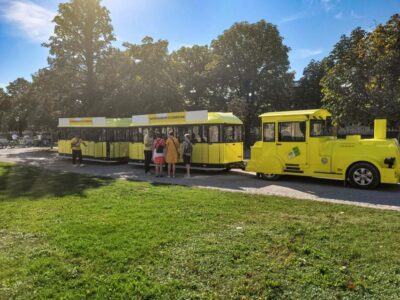
Panorama Train Tickets to explore Schönbrunn Palace
Read our review →
Skip-the-Line Schönbrunn Palace and Gardens Tour
Read our review →Browse the lists this tour appears in