
Reviewed · CITY TOURS
Jewish Vienna: City Synagogue Guided Tour
One surviving synagogue tells Vienna’s Jewish story. This one-hour visit to the Stadttempel Synagogue combines striking 19th-century design with a clear look at Jewish life in Vienna, from prayer customs and holidays to the damage caused by WWII. I especially like the access to an active Jewish place of worship and the guides’ strong connection to the local community. The main drawback is the careful security process, dress code, and occasional risk of a delayed start.
The $23 price feels fair if you want more than a quick look at a historic building. The tour gives you context that is hard to gain on your own, including the synagogue’s survival during the Novemberpogrom of 1938. Still, this is a serious cultural visit rather than a casual sightseeing stop, and you should arrive prepared.
In This Review
- Key Points Before You Book
- Why the Stadttempel Matters in Vienna
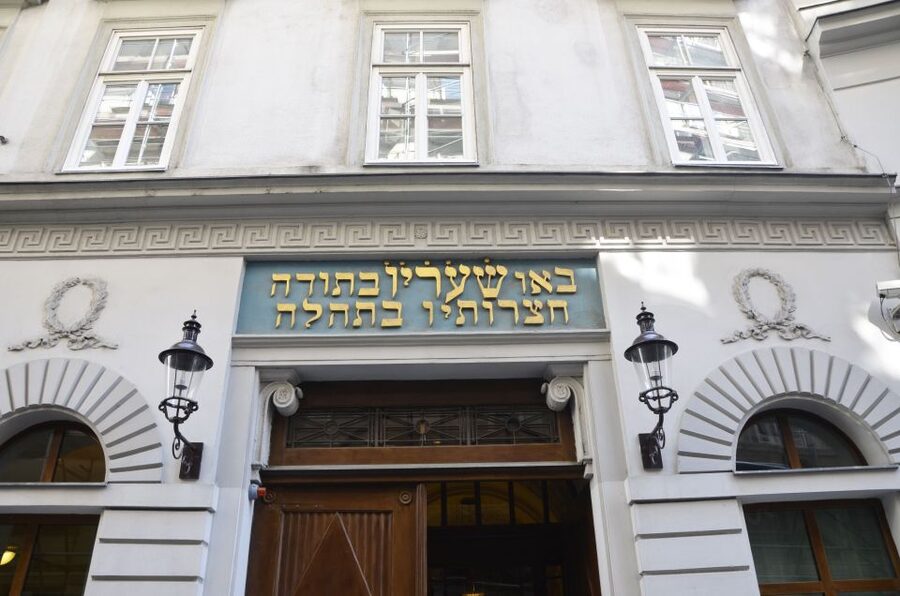
- Entering the Synagogue at Seitenstettengasse 4
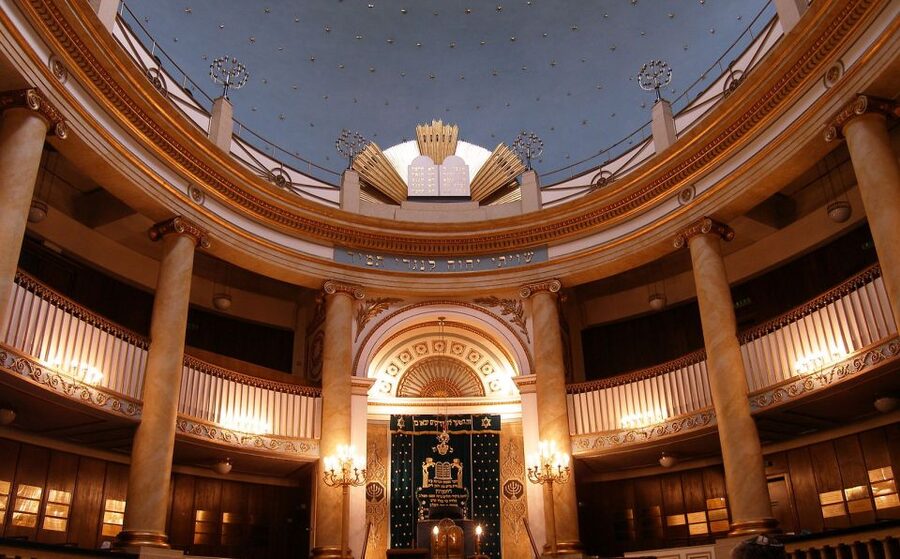
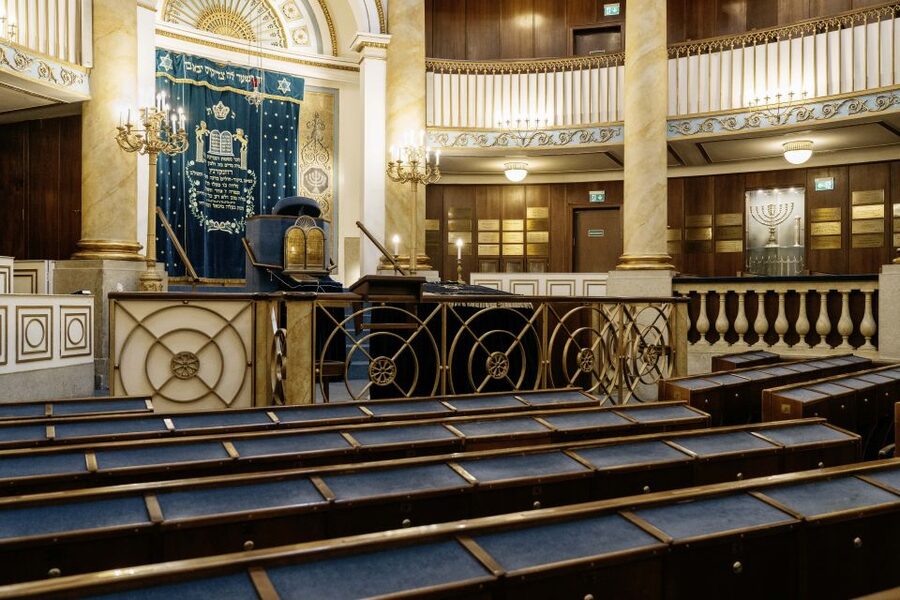
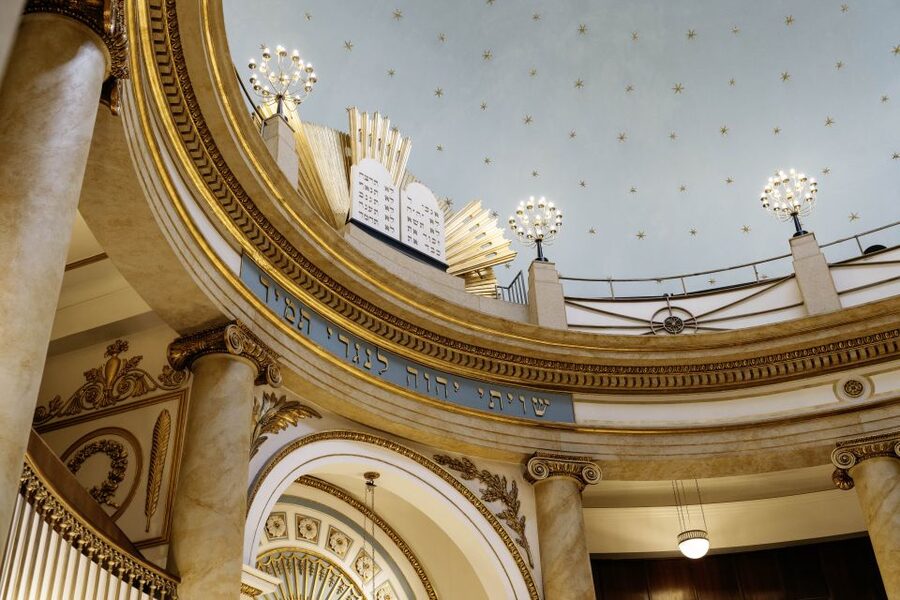
- The 1826 Architecture and Kornhäusel’s Design
- The Synagogue’s WWII Story
- From Medieval Vienna to Jewish Life Today
- What the One-Hour Format Really Gives You
- The Guide Makes the Difference
- Is $23 Good Value?
- Who Should Book This Experience?
- Should You Book the Stadttempel Tour?
- FAQ
- How long does the Jewish Vienna City Synagogue tour last?
- Where does the tour meet?
- What languages are available?
- What should I bring?
- Are large bags and luggage allowed?
- Is there a dress code?
- Is the synagogue wheelchair accessible?
Key Points Before You Book
- The Stadttempel dates from 1826: Emperor Francis I granted permission for its construction, and architect Joseph Kornhäusel designed the building.
- It was the only synagogue in Vienna to survive the Novemberpogrom of 1938: That fact gives the visit special weight.
- You enter an active synagogue: This is a working religious site, not simply a museum display.
- The one-hour tour reaches beyond the building: Guides explain Jewish life in Vienna from medieval times to the present.
- English and German tours are available: The live guide format allows questions and discussion.
- Security and clothing rules matter: Bring a passport or ID, arrive 15 minutes early, and avoid large bags, sleeveless shirts, and short skirts.
Why the Stadttempel Matters in Vienna
Vienna is often associated with imperial palaces, grand concert halls, and coffeehouses. Its Jewish story is just as important, but it is not always as visible on a first visit. The Stadttempel offers a direct way to address that gap.
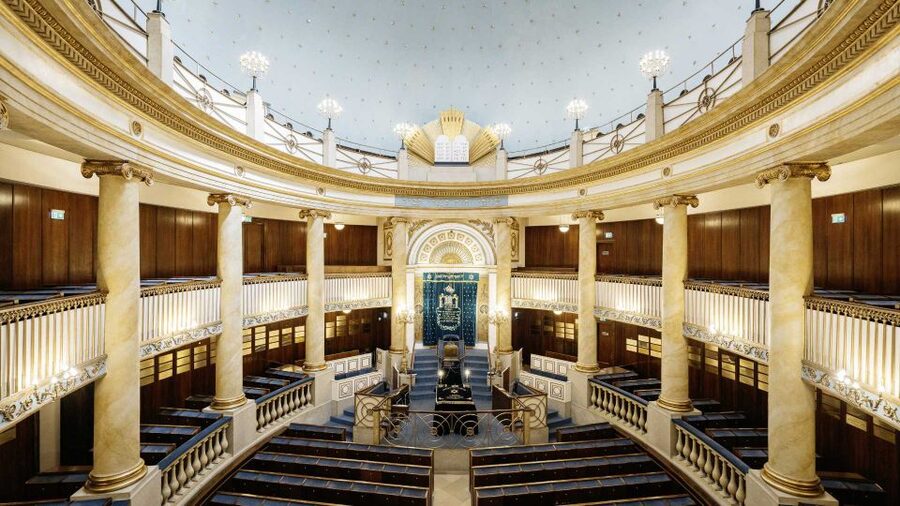
The synagogue was built in 1826 with the emperor’s permission. That detail tells you something about the legal and social limits Jewish residents faced at the time. The building was not merely a place for worship. It was also a sign of the community’s place in the city and the restrictions under which that place was granted.
Architect Joseph Kornhäusel designed the synagogue. His work gives the interior and exterior a distinctly 19th-century character. You are not simply walking into an old building. You are entering a site that links imperial Vienna, Jewish religious life, and the difficult changes that followed.
I like this tour because it gives the building a human setting. The guide does not focus only on dates and architectural terms. The discussion also covers how people pray, how Jewish holidays are observed, and how the Jewish community has changed over time.
More City Tours in Vienna
- Vienna: Guided Walking Tour of City Center Highlights
★ 4.7 · 4,989 reviews - Vienna: City Cruise with Optional Lunch
★ 3.4 · 3,982 reviews - Vienna: City Cruise
★ 3.3 · 2,978 reviews
Entering the Synagogue at Seitenstettengasse 4
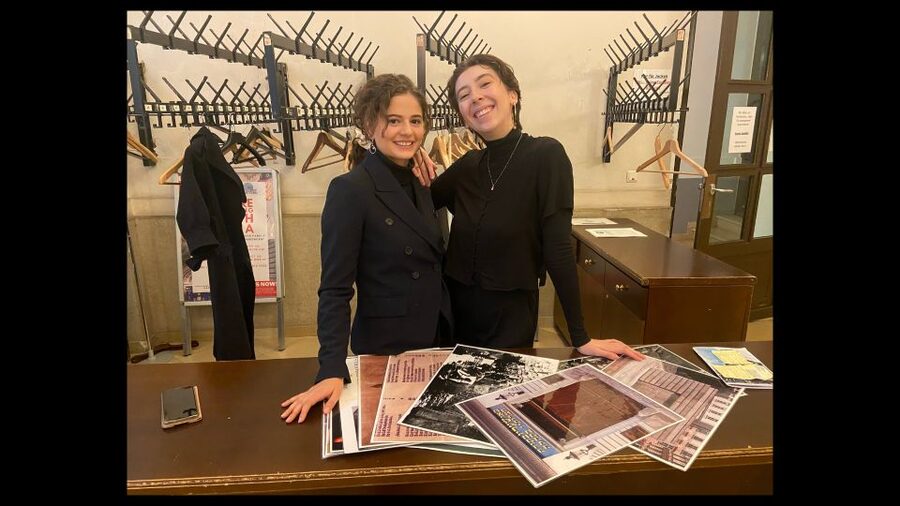
The meeting point is inside the City Synagogue at Seitenstettengasse 4. You should arrive at least 15 minutes before the scheduled time, and I would allow extra time beyond that for security.
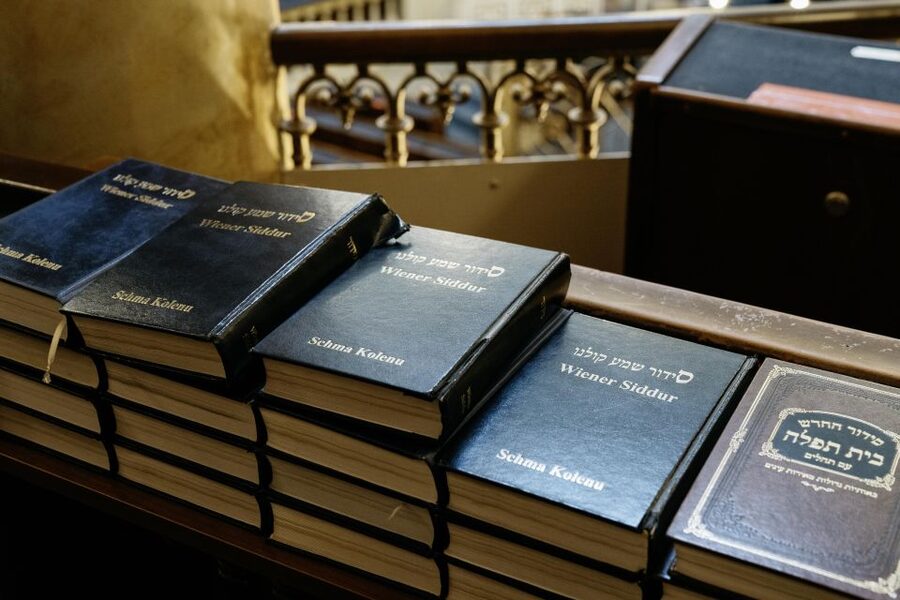
This is not the sort of attraction where you casually stroll through the door with a large daypack. You need a passport or ID card, and a student card if you are using student identification for the booking. Large bags and luggage are not allowed, as well as sharp objects, weapons, food, drinks, bikes, and recording equipment.
The clothing rules are also worth taking seriously. Short skirts and sleeveless shirts are not allowed. Choose modest clothing so you do not have to worry about being turned away or feeling uncomfortable during the visit.
These checks may feel more involved than those at a typical museum. That is understandable given the synagogue’s function as an active place of worship and the security concerns surrounding Jewish institutions. Plan for it rather than treating it as an unexpected delay.
The tour ends back at the synagogue, so you do not need to arrange transportation between different sites. It is an easy activity to fit between nearby sights in central Vienna, though the exact starting times depend on availability.
The 1826 Architecture and Kornhäusel’s Design
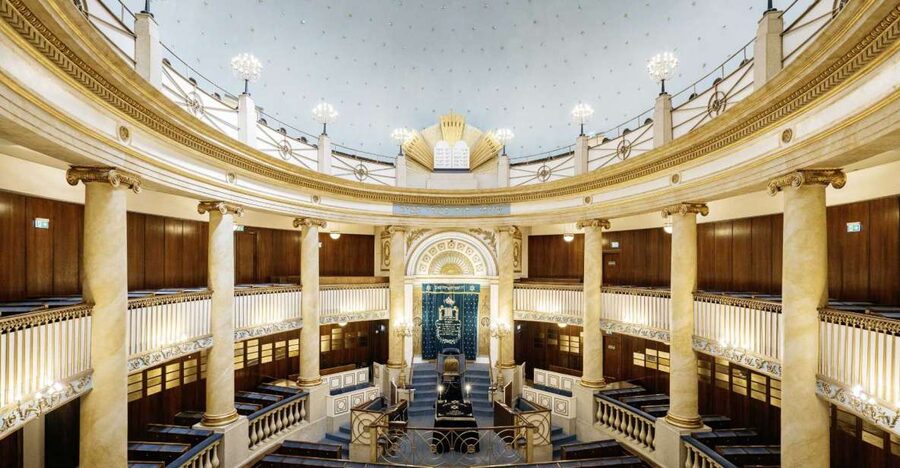
Once inside, the building itself becomes the first major subject. Joseph Kornhäusel was a respected architect, and the synagogue reflects the formal design taste of early 19th-century Vienna.
The guide explains what makes the structure important, rather than leaving you to admire it without context. That is useful because religious architecture can be difficult to read if you do not know what you are looking at. The tour connects the design to the synagogue’s role and to the history of Vienna’s Jewish population.
You should expect the architecture discussion to be part of a wider story, not a stand-alone design lecture. The building matters because it has continued to serve the Jewish community and because of what happened to other Jewish institutions in Vienna.
The visit is especially useful for people who enjoy architecture but want more than an attractive interior. You get the background needed to understand why permission to build the synagogue mattered, how the structure fits into Vienna’s past, and why its survival is so unusual.
The Synagogue’s WWII Story
The most serious part of the visit concerns the synagogue’s survival during the Novemberpogrom of 1938. The Stadttempel was the only synagogue in Vienna to survive that attack.
That fact changes the way you see the building. It is not simply an old landmark that happened to remain standing. It is also one of the few physical places in the city where Jewish religious life continued through the catastrophe and its aftermath.
A good guide can make this history understandable without reducing it to a list of dates. The tour gives you a chance to ask questions and to consider what the synagogue’s survival means for the Jewish community today.
One particularly useful feature is the use of images to provide context. The guide can show how Jewish life in Vienna looked across different periods, including the community that existed before WWII. This helps you picture a larger Jewish presence than the surviving buildings alone might suggest.
You should allow the tour’s WWII discussion to receive the attention it deserves. If you want only a light architectural stop, this may feel more serious than expected. If you want to understand Vienna honestly, the subject is essential.
A few more trips of this kind worth comparing:
- Vienna: Vivaldi’s Four Seasons Concert in Karlskirche
★ 4.7 · 14,951 reviews - Vienna: Spanish Riding School Training
★ 3.9 · 9,281 reviews - Vienna: Skip-the-cashier-desk-line Giant Ferris Wheel Ride
★ 4.5 · 7,859 reviews - Vienna: Schönbrunn Palace & Gardens Skip-the-Line Tour
★ 4.7 · 7,739 reviews
From Medieval Vienna to Jewish Life Today
The tour can reach well beyond the synagogue itself. One guide described in the supplied information was a young Jewish man studying psychology at university, who used images and a broad historical overview to explain Jewish life in Vienna from medieval times to the present.
That wider approach is one of the strongest reasons to book. You will not just hear when the building was completed. You can learn how Jewish residents fit into the city across different eras, how the community developed, and how WWII changed it.
The guide also invites questions and offers suggestions for other sites and museums. That makes the visit useful early in your stay. You can use the advice to shape the rest of your Vienna sightseeing instead of discovering Jewish-related locations only by accident.
I would recommend asking questions as they come to you. The tour covers Judaism, prayer customs, and Jewish holidays, subjects that may be unfamiliar even if you have visited synagogues elsewhere. The live format gives you a chance to clarify terms and avoid relying on assumptions.
Because the subject is broad, the exact balance may depend on the guide. Some groups may hear more about architecture, while others may spend more time on Jewish history or current community life. The English guide has been praised for being engaging and well prepared, but you should expect the German and English schedules to operate separately.
What the One-Hour Format Really Gives You
One hour is short, but it works well for this experience. You receive a focused introduction without giving up half a day of sightseeing.
The limited length also means the guide must choose carefully. You will get the main architectural, religious, and historical points, along with time for questions, but this cannot cover every chapter of Vienna’s Jewish past in detail.
I see the compact schedule as an advantage for most visitors. It fits neatly into a day that may already include the Hofburg, museums, churches, and other central sights. At the same time, anyone hoping for an exhaustive academic study should treat this as an introduction and follow it with a museum or additional site.
The tour is listed as wheelchair accessible, which makes it a practical option for many visitors with mobility needs. Because security and building access can involve specific procedures, it is still sensible to confirm any personal requirements when booking.
The Guide Makes the Difference
The guide is central to the experience. You are not given a headset and sent through a silent exhibit. A live English or German guide explains the site, answers questions, and connects the synagogue to Vienna’s Jewish community.
The strongest praise focuses on the guides’ preparation and ability to explain difficult subjects clearly. One English guide used photographs to give a broader view of Jewish life across time and recommended other museums and sites. That kind of extra direction can add real value to a short tour.
There is one practical caution. English and German tours may be scheduled at the same time, and a delay in one group can affect the other. One participant reported arriving early but waiting about 20 minutes because the German guide was late and the English tour did not begin until that group had started.
I would not treat that as a reason to avoid the tour, but I would not schedule a tight appointment immediately afterward. Build in a little breathing room. The tour itself lasts one hour, yet the security check and a possible delayed start can make the total time longer.
Is $23 Good Value?
At $23 per person, this is a reasonably priced guided visit for Vienna. The entry fee is included, and you receive a full hour with a live guide rather than paying only to enter a building.
The value comes from the explanation. You can look at historic architecture on your own, but you may miss why the synagogue received imperial permission, how it functioned within Jewish life, and why its survival in 1938 matters so much.
The price is especially fair if you have a personal interest in Jewish history, WWII, religious traditions, or Vienna’s less visible past. It is also useful if you want a starting point for further visits, since the guide may suggest museums and other locations.
The value is less certain if your main goal is a quick photograph or a broad city tour. The rules are strict, the subject is serious, and the visit is limited to one synagogue. You are paying for access and interpretation, not a long list of attractions.
Free cancellation up to 24 hours before the activity and the option to reserve now and pay later make planning easier. Those terms are helpful if your Vienna schedule is still changing, though you should still check the available start times before building the rest of your day around it.
Who Should Book This Experience?
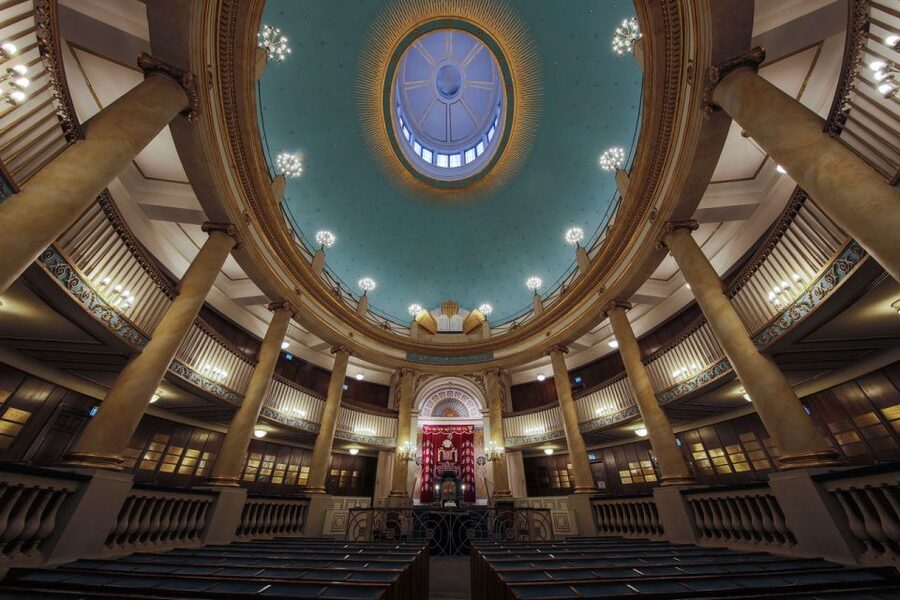
I would choose this tour if you want to understand Vienna beyond its imperial image. It suits visitors who appreciate religious sites, social history, architecture, and guided conversations.
It is also a good choice for students and families with older children who can engage with WWII and the history of discrimination. The guide’s explanations of prayer and holidays can make Judaism more accessible without turning the visit into a formal lecture.
You should also book if you are already planning to visit museums about Vienna’s Jewish community. The synagogue can give you a useful starting framework, making later exhibits easier to place.
I would be more cautious if you dislike security checks, have restrictive sightseeing clothes, or need to carry a large bag. The clothing and entry rules are not minor suggestions. They affect whether you can take part.
The tour is conducted in English or German. If you need another language, this experience may not be suitable, since no other language is listed.
Should You Book the Stadttempel Tour?
Book it if you want a thoughtful, compact visit to one of Vienna’s most important Jewish sites. The combination of Kornhäusel’s 1826 design, the synagogue’s survival during the Novemberpogrom, and the guide’s explanation of Jewish customs gives you much more than a quick architectural look.
I especially value the connection to an active Jewish community and the chance to ask direct questions. Arrive early, dress modestly, carry identification, leave large bags behind, and avoid scheduling something immediately afterward in case security or a parallel tour causes a delay.
At $23, this is a strong choice for culturally curious visitors who want a serious look at Vienna’s past and present. Skip it only if you are seeking a casual sightseeing stop with few rules and little historical discussion.
FAQ
How long does the Jewish Vienna City Synagogue tour last?
The tour lasts one hour. You should also allow extra time before the start for security screening.
Where does the tour meet?
Meet the guide inside the City Synagogue at Seitenstettengasse 4. The activity ends back at the same location.
What languages are available?
Live guided tours are available in English and German.
What should I bring?
Bring a passport or ID card. A student card is also listed as an item to bring.
Are large bags and luggage allowed?
No. Luggage and large bags are not allowed. Food, drinks, bikes, pets, weapons, sharp objects, and audio recording equipment are also prohibited.
Is there a dress code?
Yes. Short skirts and sleeveless shirts are not allowed. Dress modestly for the visit.
Is the synagogue wheelchair accessible?
Yes, the activity is listed as wheelchair accessible.
Just added around Vienna
- Mobile puzzle rally tour at the Vienna Central Cemetery★ 4.5 · 3 reviews
- 8 days European Highlights PRIVATE TOUR from Budapest including Budapest Vienna Prague and Bratislava★ 5.0 · 3 reviews
- RAXI (E-Rickschaw) big private Vienna tour★ 4.5 · 3 reviews
- Private Transfer from Vienna to Prague with 1 hour Stop in Kutna Hora★ 4.5 · 3 reviews
- Palais Lobkowitz Audio Guide Tour★ 4.0 · 3 reviews
- Private Tour from Vienna to Melk and Dürnstein★ 4.5 · 3 reviews
- Vienna: Designer Fashion Time Capsule Experience★ 5.0 · 3 reviews
- Vienna Sight & Gourmet Tour – individual private tour★ 4.5 · 3 reviews
City Tours, compared.

Guided Walking Tour of City Center Highlights
Read our review →

Guided Walking Tour of City Highlights & Hidden Gems
Read our review →
City Sightseeing Tour in an Electro Vintage Car
Read our review →
Skip-the-Line Schonbrunn Palace Guided Tour and Vienna Historical City Tour
Read our review →

Browse the lists this tour appears in