
Reviewed · MUSEUMS
MAK – Museum of Applied Arts, Vienna, Ticket
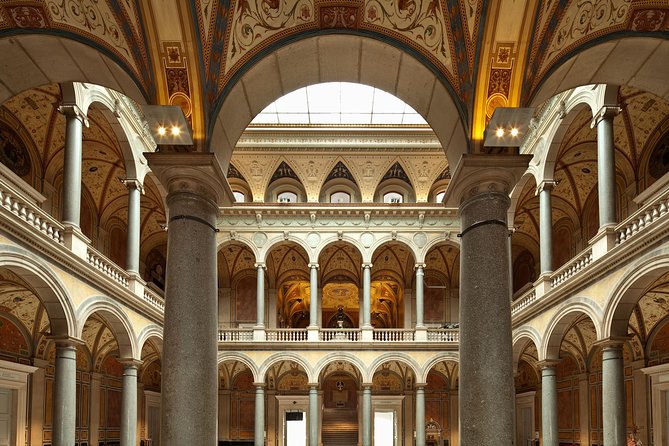
Vienna hides its boldest ideas in plain sight. The MAK gives you five centuries of art, design, fashion, and architecture inside a grand Ringstraße building, with permanent displays and temporary shows included in one ticket. I like the mix of old and new, and I especially like that the exhibition rooms themselves were shaped by contemporary artists. One caution: this is a design museum, not a classic parade of paintings, so some rooms may feel more rewarding than others.
I also like the chance to see Klimt works on permanent display and the free digital MAK Guide, which lets you explore at your own pace. The free cloakroom, Wi-Fi, and admission for children and teens under 19 make the visit easier on both your schedule and your wallet. At about $21.72 per person, it is fair value if you plan to stay for the permanent collection and at least one temporary exhibition, but less convincing for a quick one-hour stop.
In This Review
- Key things to know before visiting
- What kind of museum is the MAK?
- The Ringstraße building deserves your attention
- Five centuries of applied art in one visit
- Why Vienna 1900 matters here
- Temporary exhibitions add value to the ticket
- A realistic one to two hour route
- Skip-the-line access and the best time to go
- Is $21.72 a fair price?
- Who will enjoy the MAK most?
- Practical details for a smoother visit
- Should you book the MAK ticket?
- FAQ
- How much does the MAK Museum ticket cost?
- What does the ticket include?
- Are children admitted free?
- When is the MAK open?
- How long should I allow for the visit?
- Can I cancel the ticket for a refund?
Key things to know before visiting
- Klimt is a major draw: Permanent displays include works by Gustav Klimt, making the museum worthwhile even for art lovers focused on Vienna around 1900.
- The collection crosses five centuries: You will move from older decorative arts to modern and contemporary design, fashion, and architecture.
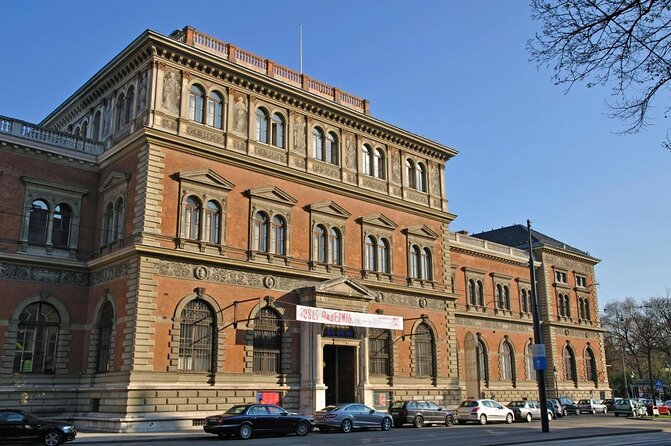
- The building is part of the experience: The MAK occupies a magnificent museum on Vienna’s Ringstraße, and the rooms were designed by contemporary artists.
- One ticket covers more than the basics: Admission includes the permanent collection and all temporary exhibitions.
- Plan for one to two hours: That gives you time to see the main rooms without turning the visit into an all-day project.
- Tuesday through Sunday only: The museum is open from 10 a.m. to 6 p.m. and is closed on Mondays according to the stated schedule.
What kind of museum is the MAK?
The MAK, or Museum of Applied Arts, is for people who enjoy the meeting point between useful objects and fine art. Its focus is not simply on paintings hung in orderly rows. You will find art, furniture, fashion, architecture, and design placed in conversation with one another.
That makes the museum a good choice if you want to understand how people shape their surroundings. A chair, textile, building plan, or decorative object can say as much about an era as a portrait. The collection reaches from the Middle Ages to today, so you can watch ideas about beauty, function, and daily life change over time.
I would not visit expecting a traditional museum route where every room offers familiar masterpieces. The MAK asks you to look at materials, patterns, objects, and design choices. Some exhibits may grab you immediately, while others may feel technical or less exciting.
That unevenness is part of the bargain. The museum covers a wide field, and its appeal depends on your interests. If you enjoy design and cultural history, the variety can keep the visit fresh. If you mainly want famous paintings, you may prefer another Vienna museum.
More Attraction Tickets in Vienna
- Vienna: Classic Ensemble Vienna in St. Peter’s Church Ticket
★ 4.7 · 4,819 reviews - Vienna Kunsthistorisches Museum Day Admission Ticket
★ 4.6 · 3,690 reviews - Vienna: Tickets for Mozarthaus Vienna with Audio Guide
★ 4.2 · 2,344 reviews
The Ringstraße building deserves your attention
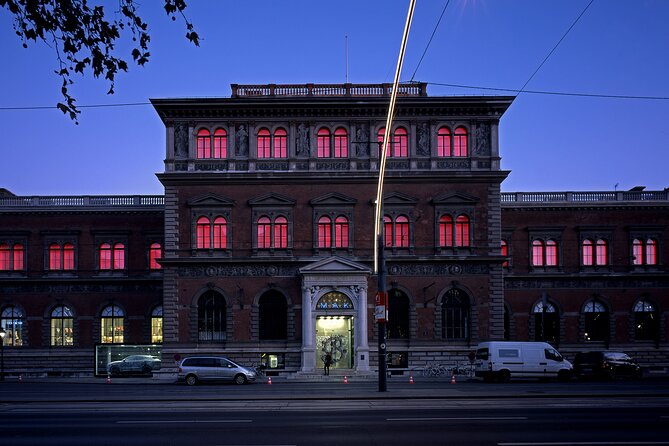
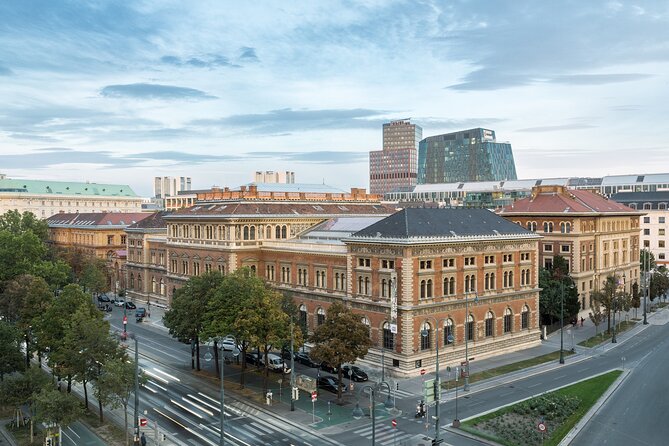
Before focusing on individual objects, take a moment to notice the building itself. The MAK occupies a grand setting on Vienna’s Ringstraße, one of the city’s defining ceremonial avenues. The architecture gives the visit a sense of occasion before you even reach the galleries.
The interior is not treated as a neutral container. The exhibition rooms were designed by contemporary artists, so the presentation changes from room to room. This helps explain why the MAK can feel different from a more conventional museum. The walls, lighting, colors, and layout take an active role in how you see the collection.
I recommend allowing a little time to get your bearings rather than rushing straight toward the most famous work. The building is one of the most praised parts of the experience, and it would be a mistake to treat it as a simple entrance hall.
The setting also helps connect the museum to Vienna around 1900. This was a period when artists, architects, and designers challenged old rules and experimented with new forms. The MAK offers a useful place to consider that cultural shift through objects and design, not only through paintings.
Five centuries of applied art in one visit
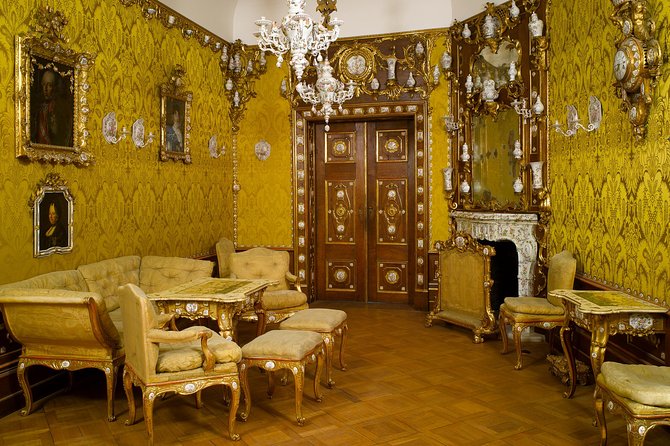
The permanent collection is arranged around a broad sweep of time. You might encounter older decorative works, furniture from the 1900s and 1930s, modern design, fashion, and architecture. The point is not just to compare centuries, but to see how each period answered practical and artistic needs.
The museum’s name matters here. Applied arts are objects made for use as well as appreciation. A piece of furniture must work as furniture. A textile must function as a textile. Yet materials, shape, ornament, and craftsmanship can turn a practical object into a work of art.
This approach gives you a different way to read history. Instead of asking only who painted a picture, you can ask how people lived, what they valued, and how new technology or taste changed the objects around them.
The older material may appeal most to visitors interested in craft and historical design. The newer displays may be more useful if you want to think about contemporary concerns. Since the museum’s rooms present selected highlights rather than every item in its collection, you get a focused experience instead of a storage-room tour.
Still, the range can create a few quiet stretches. One person may spend several minutes studying a chair or pattern, while another walks past it. The MAK rewards curiosity, but it does not guarantee that every gallery will suit every taste.
Why Vienna 1900 matters here
Vienna around 1900 experienced a major cultural shift. Artists and designers began pushing away from older academic rules, and the city became a place for new ideas in art, architecture, and design. The MAK helps you see this change across several creative fields at once.
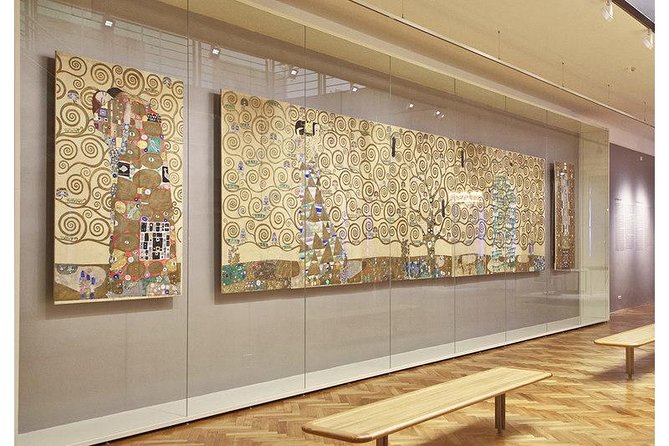
Klimt is an important reason to visit. Permanent displays include Klimt works, and they were singled out as a high point of the experience. If Klimt is on your Vienna wish list, the MAK gives you another setting in which to see his work beyond the city’s better-known painting museums.
The museum also includes furniture and design from the early twentieth century. These objects show how modern ideas entered everyday life. A chair or cabinet may look simple at first, but its shape can reveal a deliberate break with older decoration.
I find this cross-connection more useful than seeing isolated masterpieces without context. You can look at a Klimt work, then consider how similar changes in line, pattern, or ornament appeared in objects made for homes and public spaces.
Do not expect the museum to present a single, perfectly tidy story of Vienna 1900. Its displays cover several fields and periods. Instead, use the collection as a set of clues. Look for changing patterns, new materials, and different ideas about what an object should do.
More museums:
- Vienna: Skip-the-Line Sisi Museum, Hofburg and Gardens Tour
★ 4.8 · 5,918 reviews - Tickets for the Albertina Exhibitions
★ 4.7 · 2,126 reviews - Vienna: Chocolate Workshop in Chocolate Museum w/ Tasting
★ 4.5 · 1,802 reviews - Sigmund Freud Museum Ticket
★ 4.6 · 1,668 reviews
Temporary exhibitions add value to the ticket
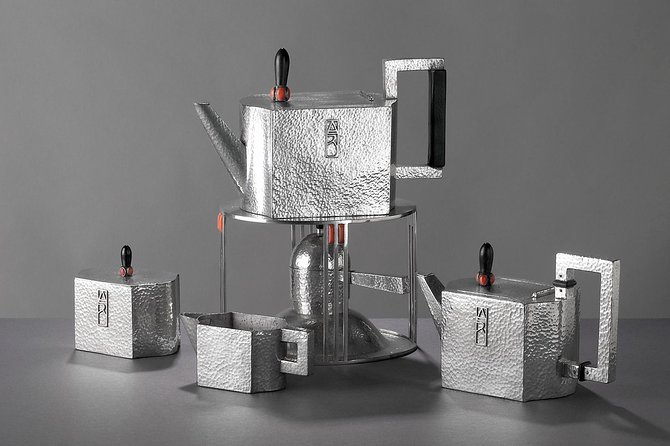
The ticket includes all temporary exhibitions as well as the permanent collection. That is important because the temporary program can change the character of your visit. Exhibitions may focus on art, design, fashion, or architecture and are intended to address current issues.
If a temporary show catches your interest, the $21.72 ticket becomes much better value. You are not paying only to walk through the permanent galleries. You can also spend time with the museum’s current ideas and projects.
The exact temporary exhibitions depend on the date of your visit, so check the current program before booking if a particular subject matters to you. The available information does not identify which exhibitions will be on display during your visit, so I would not build your plans around one title without confirming it.
This is also where the museum can feel most current. The permanent collection connects you with earlier periods, while the special shows bring design and architecture into present-day debates. That old-to-new movement is one of the MAK’s strongest features.
A realistic one to two hour route
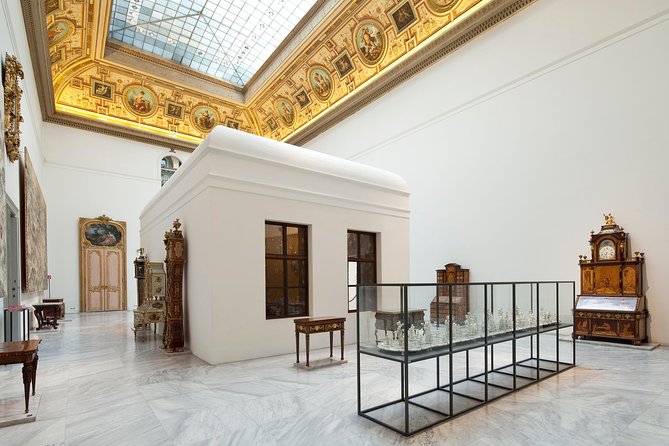
For a first visit, I would set aside around two hours if your schedule allows. One hour is enough for a brisk look, especially if you focus on the building, Klimt, and a few highlights. Two hours gives you room to read labels, use the digital guide, and see a temporary exhibition without racing.
A practical route might look like this:
- Begin with the building and the room designs.
- Look for the permanent collection highlights that interest you most.
- Give extra time to Klimt and the Vienna 1900 material.
- Move into the temporary exhibitions.
- Finish with any design, fashion, or architecture rooms you skipped at the start.
The free Digital MAK Guide can help you make sense of the displays. It is particularly useful if you want more background but do not want to join a guided tour. The experience is listed as available in English, though the supplied information does not specify every language offered by the digital guide.
The museum’s free cloakroom is a small but welcome convenience. You can leave belongings behind and move through the rooms with less fuss. Free Wi-Fi is also included, though I would use your phone sparingly. The objects and room designs deserve more attention than constant photo checking.
Skip-the-line access and the best time to go
The ticket includes skip-the-line entry, and your ticket is held at the MAK for collection on the day. That makes entry straightforward and gives you some peace of mind if you are planning your day around the museum.
The value of skip-the-line access will depend on the date. One April visit was reportedly quiet enough that the entrance advantage was not essential. Still, the ticket guaranteed entry and made arrival effortless. I would see this feature as a convenience rather than the main reason to buy.
The museum is open Tuesday through Sunday from 10 a.m. to 6 p.m. Plan carefully if Monday is your museum day, because the stated opening schedule does not include it. A morning visit gives you the largest possible window, while a late afternoon visit works best if you are content with a quicker look.
The experience has a stated maximum of 15 participants, although this is an admission experience rather than a conventional guided group tour. In practice, the important point is that you can explore independently instead of being tied to a guide’s pace.
Is $21.72 a fair price?
At $21.72 per person, the MAK ticket is not a bargain-basement museum admission, but it can be good value. The price includes the permanent collection, temporary exhibitions, the digital guide, cloakroom, Wi-Fi, and skip-the-line access.
The strongest value comes when you use the ticket fully. Stay closer to two hours, see both the permanent and temporary displays, and take time with the Vienna 1900 material. If you enter only for a quick look and leave after 45 minutes, the cost feels less attractive.
Families get a useful break because children and teens under 19 enter free. That can make the MAK easier to add to a Vienna itinerary with older children who are interested in objects, design, or architecture.
Food and drinks are not included. There is an excellent restaurant associated with the museum experience, but you should treat it as a separate expense. It may be a pleasant way to extend your visit, especially if you already plan to spend time in the building, but do not assume refreshments are part of the admission price.
Who will enjoy the MAK most?
I would recommend the MAK to:
- Art lovers who want more than paintings.
- Visitors interested in furniture, fashion, architecture, or decorative arts.
- Anyone studying Vienna around 1900 and the cultural changes of that period.
- Klimt fans who want to see permanent works in another important Vienna setting.
- Families with children or teens under 19.
- Museum visitors who prefer to explore independently.
- People with one to two hours available near the Ringstraße.
I would be more cautious if your main goal is a museum packed with famous paintings. The MAK has important and beautiful material, but its focus is broader and more object-based. The experience may feel less immediately accessible if you do not enjoy design or historical craft.
It is also not the best pick if your day is already overloaded with museums. Some rooms may be fascinating, while others may leave you cold. Choose it because the subject interests you, not simply because you feel obliged to check off another Vienna attraction.
Practical details for a smoother visit
Book ahead if you want a confirmed visit and the convenience of skip-the-line entry, though a quiet day may not require it. The experience is often booked about 28 days in advance, which suggests that some people plan it well before arriving in Vienna.
You can collect your ticket at the MAK on the day of your visit. Confirmation is provided at booking, and the museum is near public transportation. The supplied information does not give a specific station or route, so check your own route planner before setting out.
Service animals are allowed, and most people can participate. The free cloakroom is useful for keeping the visit comfortable, especially if you are carrying shopping bags or extra layers.
You can cancel for a full refund up to 24 hours before the experience start time. Changes made less than 24 hours before the start time are not accepted, and cancellations inside that window are not refunded. The cut-off follows local Vienna time.
Should you book the MAK ticket?
Book it if you want a thoughtful change from Vienna’s major painting museums. The building is beautiful, the collection covers an unusually broad span, Klimt adds a strong reason to go, and the ticket includes temporary exhibitions as well as the permanent displays.
I would plan on two hours and visit Tuesday through Sunday during the 10 a.m. to 6 p.m. window. The ticket is easiest to justify when you use the digital guide, see both types of exhibition, and take time with the building itself.
Skip it if your interests stop at conventional fine art or if your itinerary has no room for a design-focused museum. For the right visitor, though, the MAK offers a rewarding look at how Vienna’s artistic ideas moved into furniture, fashion, architecture, and daily objects.
FAQ
How much does the MAK Museum ticket cost?
The listed price is $21.72 per person.
What does the ticket include?
Admission includes the permanent collection and all temporary exhibitions. It also includes the free Digital MAK Guide, cloakroom, Wi-Fi, and skip-the-line entry.
Are children admitted free?
Yes. Children and teens under 19 receive free admission.
When is the MAK open?
The museum is open Tuesday through Sunday from 10 a.m. to 6 p.m. The stated schedule covers January 1, 2025 through December 31, 2026.
How long should I allow for the visit?
The estimated visit lasts one to two hours. One hour works for a quick visit, while two hours gives you more time for the permanent collection and temporary exhibitions.
Can I cancel the ticket for a refund?
Yes. You can cancel at least 24 hours before the experience start time for a full refund. Cancellations or changes made less than 24 hours before the start time are not accepted.
Just added around Vienna
- Mobile puzzle rally tour at the Vienna Central Cemetery★ 4.5 · 3 reviews
- RAXI (E-Rickschaw) big private Vienna tour★ 4.5 · 3 reviews
- 8 days European Highlights PRIVATE TOUR from Budapest including Budapest Vienna Prague and Bratislava★ 5.0 · 3 reviews
- Private Transfer from Vienna to Prague with 1 hour Stop in Kutna Hora★ 4.5 · 3 reviews
- Palais Lobkowitz Audio Guide Tour★ 4.0 · 3 reviews
- Private Tour from Vienna to Melk and Dürnstein★ 4.5 · 3 reviews
- Vienna: Designer Fashion Time Capsule Experience★ 5.0 · 3 reviews
- Private day trip from Munich to Eagle’s Nest & Hallstatt★ 4.7 · 3 reviews
Museums, compared.

Skip-the-Line Sisi Museum, Hofburg and Gardens Tour
Read our review →
Vienna Kunsthistorisches Museum Day Admission Ticket
Read our review →

Chocolate Workshop in Chocolate Museum w/ Tasting
Read our review →

St. Stephen’s Cathedral & Dom Museum Wien Tickets
Read our review →
Browse the lists this tour appears in