
Reviewed · MUSEUMS
Private Tour with an Art Historian of the Leopold Museum: Gustav Klimt, Egon Schiele and Viennese Art Nouveau
Vienna’s boldest art is waiting upstairs. I like this private Leopold Museum tour because an art historian helps you focus on Klimt, Schiele, and other key figures instead of wandering through a large collection without a plan. I also like that museum admission is included, and the guide can adjust the pace to your interests. The main drawback is the price, $216.27 per person, which makes the tour a better fit for serious art lovers than casual museum browsers.
You meet at the foot of the large staircase outside the Leopold Museum’s main entrance. From there, the tour lasts about 2 hours 15 minutes and ends where it began. Julia has earned especially warm praise for her lively explanations, though the experience is offered in English and requires a moderate level of physical fitness.
In This Review
- Key points before you book
- Why the Leopold Museum deserves your time
- Meeting your guide at Museumsplatz 1
- Following Klimt beyond the golden surface
- Facing Egon Schiele’s difficult subjects
- Seeing Vienna through more than three famous names
- What 2 hours 15 minutes really gives you
- The value of a $216.27 private museum tour
- Julia’s teaching style and what to expect
- Who should book this experience
- Practical details that can affect your day
- Should you book the Leopold Museum art tour?
- FAQ
- Where does the private Leopold Museum tour begin?
- Where does the tour end?
- How long does the tour last?
- Is museum admission included?
- Is this a private activity?
- What language is the tour offered in?
- Can I use an electronic voucher?
- What is the cancellation policy?
Key points before you book
- A private guide keeps the visit focused: Only your group takes part, so you can ask questions and spend more time on the artists or themes that interest you.
- Schiele is the museum’s sharpest edge: His nude self-portraits and exhibitionist works raise difficult questions about censorship, sexuality, and the line between art and pornography.
- Klimt is part of a larger Viennese story: The tour places him within the Secession movement and the cultural changes of early 20th-century Vienna.
- Julia receives especially strong praise: Her approach combines broad Austrian history with close attention to details in individual paintings.
- Admission is included: You do not need to arrange a separate museum ticket for the tour.
- Plan for stairs and punctuality: The meeting point is in front of the museum, at the bottom of its large entrance staircase, and the museum is not stroller accessible.
Why the Leopold Museum deserves your time
Many people know Vienna through the golden paintings of Gustav Klimt at the Belvedere. The Leopold Museum gives you a different, and in some ways more revealing, picture of Austrian modern art.
Its collection grew from the private holdings of Rudolf and Elisabeth Leopold. That is remarkable in itself. The museum includes paintings, furniture, and handicrafts gathered through one couple’s collecting life, with a particularly strong concentration of Austrian art from the late 19th and early 20th centuries.
The result is more than a Klimt stop. You can use the collection to see how Viennese artists moved away from academic rules and toward more personal, sometimes unsettling forms of expression. The tour connects painters, ideas, and social changes rather than treating each work as an isolated object.
That context matters. Klimt’s decorative surfaces can look beautiful at first glance, but his art also reflects a period questioning old institutions and conventions. Egon Schiele pushed that challenge much further, using angular bodies, exposed poses, and direct gazes that can still make you uncomfortable.
The museum is therefore a good choice if you want art that asks something of you. It is less suited to someone seeking only attractive paintings and quick photographs.
More Private Tours in Vienna
- Vienna: Private Walking Tour with a Local Guide
★ 4.6 · 1,420 reviews - Vienna: Private Walking Tour with a Guide
★ 4.7 · 962 reviews - Vienna: Wine Tasting Experience in a Private Wine Cellar
★ 4.8 · 413 reviews
Meeting your guide at Museumsplatz 1
The address is Museumsplatz 1, 1070 Vienna, in the MuseumQuartier area. You should arrive punctually at the front entrance. The guide waits at the bottom of the large staircase leading to the museum door, a useful detail because meeting someone directly at a busy museum entrance can otherwise be confusing.
You can show either a paper voucher or the electronic version on your phone. The museum is close to public transportation, but the supplied information does not specify a particular station or route, so check your route before setting out.
The physical requirements are modest but real. You should be comfortable with the entrance stairs and with walking through a museum for more than two hours. The site is not stroller accessible, and pets are not permitted on the activity.
Because this is a private activity, only your own party joins the guide. That makes a practical difference. You can stop to ask why a face is distorted, how a painting relates to Secession art, or what separates Schiele’s work from Klimt’s without worrying about holding up a larger group.
Following Klimt beyond the golden surface
Gustav Klimt is often reduced to ornamental gold, patterned clothing, and elegant women. A good museum visit gives you more than that familiar image.
Here, the useful question is how Klimt fits into Vienna’s artistic break with the past. The Viennese Secession movement challenged traditional exhibition systems and academic expectations. The artists wanted room for new forms, new subjects, and a closer connection between fine art and design.
That broader setting helps explain why the Leopold Museum includes not only paintings, but also furniture and handicrafts. Art Nouveau was not limited to a framed canvas. It reached into interiors, objects, and the way people imagined modern life.
The guide’s role is especially useful with Klimt because his work can invite quick conclusions. You may notice pattern and ornament first, then miss the historical argument beneath it. A guide can direct your attention toward composition, symbolism, material, and the artist’s place in the Secession movement.
The tour also introduces other Austrian artists, including Hans Makart, Oskar Kokoschka, and Richard Gerstl. That wider view keeps Klimt from becoming a solitary celebrity. You see a network of artists with very different temperaments and artistic goals.
Facing Egon Schiele’s difficult subjects
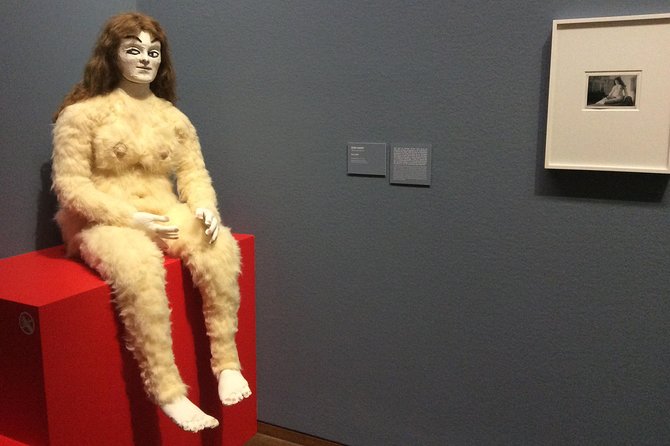
Egon Schiele is central to the Leopold Museum, which maintains a permanent display of his work. His art is not polite, and the experience is stronger if you arrive ready to think rather than simply admire.
Schiele’s figures often look tense, exposed, and deliberately unfinished. Bodies twist. Faces stare out with little effort to please. The images can feel intimate, confrontational, or disturbing, sometimes all at once.
That discomfort is part of the point. Schiele’s work raises questions that remain current: How much exposure belongs in art? When does a nude become pornographic? Can a work be artistically important and morally troubling at the same time?
The tour treats those questions as part of the viewing experience. You are not asked to accept every painting or excuse every subject. Instead, the discussion can help you understand why Schiele’s work caused such strong reactions and why it still provokes debate.
This is one reason I see the private format as valuable. If a particular work troubles you, you can ask about it directly. If you want to spend more time on Schiele than on decorative Art Nouveau, the pace can shift in that direction.
The museum’s permanent Schiele presentation also gives the tour a clear anchor. Rather than hoping a temporary show happens to match your interests, you have a dependable focus on one of Austria’s most important and controversial artists.
More museums:
- Vienna: Skip-the-Line Sisi Museum, Hofburg and Gardens Tour
★ 4.8 · 5,918 reviews - Vienna Kunsthistorisches Museum Day Admission Ticket
★ 4.6 · 3,690 reviews - Tickets for the Albertina Exhibitions
★ 4.7 · 2,126 reviews - Vienna: Chocolate Workshop in Chocolate Museum w/ Tasting
★ 4.5 · 1,802 reviews
Seeing Vienna through more than three famous names
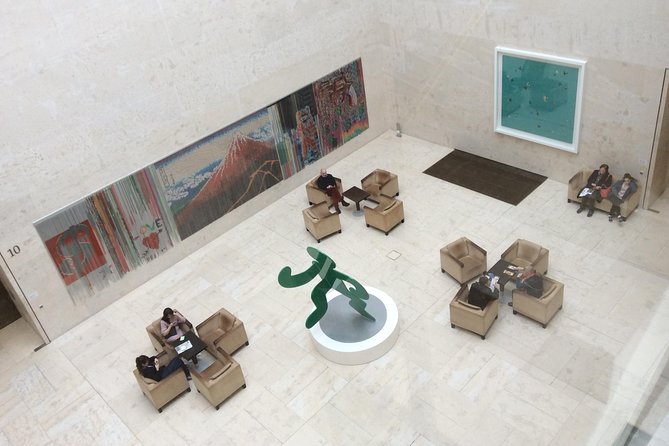
The title points to Klimt, Schiele, and Viennese Art Nouveau, but the discussion can reach further. Julia has guided visitors through Makart, Kokoschka, Gerstl, and other artists connected to the city’s changing art scene.
That range is one of the strongest features of the experience. You learn that Austrian modernism was not one neat style. Some artists favored rich decoration. Others used nervous lines, distorted forms, or raw emotion. Their differences make the period easier to understand.
Oskar Kokoschka, described in one account as eccentric, adds another layer to the story. Richard Gerstl brings yet another artistic personality into view. These names may be less familiar than Klimt and Schiele, but they help you see why the period cannot be summarized by one golden painting or one famous nude.
The guide also connects art to Austria itself. One especially useful description of Julia’s method is her balance between high-level history and specific facts. That means you can gain a sense of the country’s cultural changes while still looking closely at an individual face, gesture, line, or hidden detail.
I would value that balance if you want to understand the art rather than collect a list of names. It also makes the tour suitable for different levels of preparation. You do not need a university background in art history, but you should bring curiosity and a willingness to look carefully.
What 2 hours 15 minutes really gives you
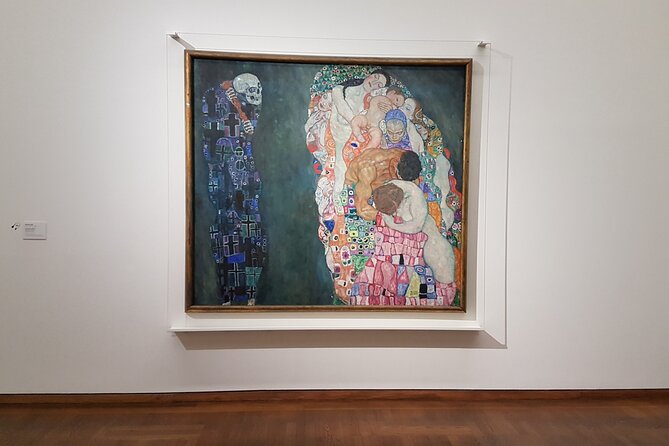
Two hours and 15 minutes is long enough for a serious introduction, but not long enough to cover every room or answer every possible question. One guide noted that a short visit could not address all the questions raised about art, collecting, and life in Vienna.
That is not a flaw so much as a planning point. The experience is designed to select important works and explain them well. It is not a complete museum survey.
You should expect a concentrated visit, with time spent on major artists and themes rather than a rushed march through every object. The private setup helps because your guide can respond to your interests. Still, the museum’s collection is broad enough that you may leave wanting more time.
For many people, that is the right result. A focused introduction can make a later independent visit more rewarding. You will have a framework for noticing connections instead of treating the museum as a long succession of unfamiliar pictures.
If you have already visited the Leopold Museum, the private guide can also give your return visit a new purpose. One couple who had seen the museum before booked the tour specifically to gain fresh insight, and found the added interpretation worthwhile.
The value of a $216.27 private museum tour
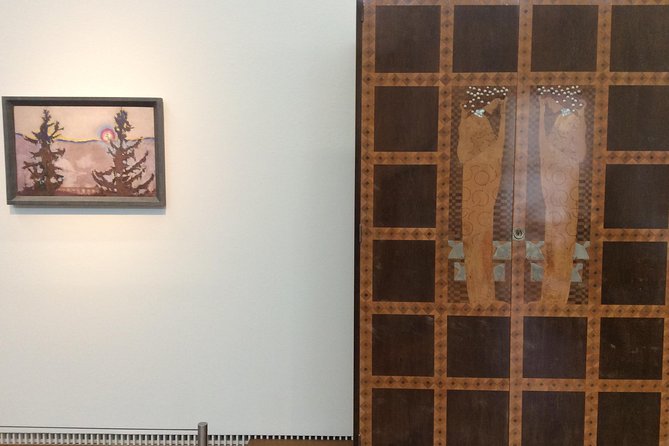
At $216.27 per person, this is not a budget museum ticket. The price needs to be judged against what you want from the visit.
A regular museum visit gives you freedom to move at your own speed, but you must provide the structure. You need to decide which artists matter most, work out the historical links, and identify the details worth a closer look. This tour packages those decisions with an art historian and includes museum admission.
The private format also changes the value calculation. If several people in your party share a strong interest in Austrian art, a group discount may improve the cost per person. The activity is private, so you are paying for time and attention reserved for your group rather than joining a large public talk.
I would not recommend this price to someone who plans to spend only 30 minutes in the museum or who prefers to form an opinion without background information. You can visit on your own for less.
I would consider it reasonable for a couple, family, or small group that wants a serious discussion of Klimt and Schiele, especially if the Leopold Museum is competing with the Belvedere and other major sights in a short Vienna visit. The strongest value comes from the guide’s ability to sort the collection and explain why the works matter.
The tour is offered in English. You should also note that it is commonly reserved well ahead of time, with an average booking lead of about 24 days. That does not guarantee availability on every date, but it is a good reason to plan early if the museum is important to your itinerary.
Julia’s teaching style and what to expect
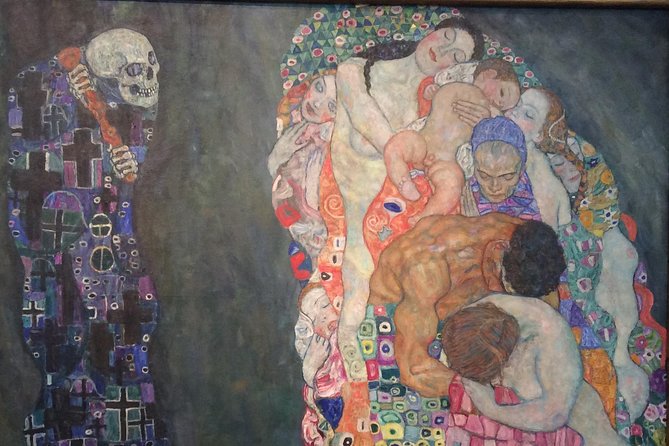
Julia is the guide most specifically praised in the supplied material. Her strength is not simply knowing facts. She explains complex ideas in an engaging way and shows clear enthusiasm for Austrian art.
Several details point to a consistent teaching style. She combines broad historical background with close reading of individual works, explains hidden details and meaning, and welcomes questions about art, collecting, and Vienna. Her responses also suggest that she is comfortable adapting the discussion to a group’s particular interests.
That matters in a museum full of famous names. A guide can easily turn the visit into a lecture. Julia’s approach appears more conversational, with questions from the group helping shape the time.
You should still be realistic about the length. Two and a quarter hours can pass quickly when the discussion is lively. If you arrive with a short list of questions, you will make better use of the private format.
Who should book this experience
I would choose this tour for:
- First-time Vienna visitors who want an introduction to Austrian modern art.
- Art lovers who already know Klimt but want to place him beside Schiele, Kokoschka, Gerstl, and Makart.
- Visitors who find museum collections overwhelming and prefer a clear route through key works.
- Couples or small groups who want to ask questions without a large tour group listening.
- Anyone interested in the boundary between art, nudity, provocation, and public taste.
I would skip it if you want a fast, self-guided museum visit, need stroller access, dislike stairs, or are mainly interested in Klimt’s most famous decorative paintings. The Schiele material can also be confronting, so this is not an art tour built around easy viewing.
The museum is especially useful if you have already seen the Belvedere. Instead of repeating the same Klimt-centered experience, you get a broader look at Vienna’s modernist movement and its less comfortable artistic voices.
Practical details that can affect your day
The tour begins and ends at the Leopold Museum. Admission is included, and confirmation arrives when you book. You can use a paper or electronic voucher.
Meet at the bottom of the main entrance staircase, not simply somewhere inside the museum. Arrive on time, since a private guide is scheduled for your group and the activity has a fixed duration.
The museum is near public transportation, but no specific transport route is provided. The activity is not stroller accessible, is not suitable for pets, and asks participants to have moderate physical fitness.
Free cancellation is available if you cancel at least 24 hours before the scheduled start time. Changes or cancellations made inside that 24-hour window are not accepted for a refund, and the cut-off follows Vienna local time.
Should you book the Leopold Museum art tour?
Book it if you want Vienna’s art explained rather than simply displayed. The best reasons are the private format, included admission, strong focus on Klimt and Schiele, and Julia’s praised ability to connect large historical ideas with small visual details.
Think twice if $216.27 per person feels high for a museum visit or if you prefer complete independence. For an art-curious visitor with limited time, though, the tour can turn the Leopold Museum from a collection of famous names into a clearer story about Vienna, artistic rebellion, and the uneasy power of modern art.
FAQ
Where does the private Leopold Museum tour begin?
It begins at the Leopold Museum, Museumsplatz 1, 1070 Vienna. Meet in front of the main entrance, at the bottom of the large staircase leading to the entrance door.
Where does the tour end?
The activity ends back at the meeting point outside the Leopold Museum.
How long does the tour last?
The tour lasts approximately 2 hours and 15 minutes.
Is museum admission included?
Yes. Admission to the Leopold Museum is included in the tour price.
Is this a private activity?
Yes. Only your group participates in the activity.
What language is the tour offered in?
The tour is offered in English.
Can I use an electronic voucher?
Yes. You can present either a paper voucher or an electronic voucher.
What is the cancellation policy?
You can cancel at least 24 hours before the experience start time for a full refund. Cancellations or changes made less than 24 hours before the start time are not accepted for a refund.
Just added around Vienna
- Mobile puzzle rally tour at the Vienna Central Cemetery★ 4.5 · 3 reviews
- 8 days European Highlights PRIVATE TOUR from Budapest including Budapest Vienna Prague and Bratislava★ 5.0 · 3 reviews
- RAXI (E-Rickschaw) big private Vienna tour★ 4.5 · 3 reviews
- Private Transfer from Vienna to Prague with 1 hour Stop in Kutna Hora★ 4.5 · 3 reviews
- Palais Lobkowitz Audio Guide Tour★ 4.0 · 3 reviews
- Private Tour from Vienna to Melk and Dürnstein★ 4.5 · 3 reviews
- Vienna: Designer Fashion Time Capsule Experience★ 5.0 · 3 reviews
- Vienna Sight & Gourmet Tour – individual private tour★ 4.5 · 3 reviews
Museums, compared.

Skip-the-Line Sisi Museum, Hofburg and Gardens Tour
Read our review →
Vienna Kunsthistorisches Museum Day Admission Ticket
Read our review →

Chocolate Workshop in Chocolate Museum w/ Tasting
Read our review →

St. Stephen’s Cathedral & Dom Museum Wien Tickets
Read our review →

Browse the lists this tour appears in