Reviewed · TOURS
Small Group Tour: Balkans & Central Europe from Athens to Vienna
Ten countries, one long road, countless surprises. This 21-day journey links Greece, Albania, North Macedonia, Kosovo, Montenegro, Bosnia and Herzegovina, Serbia, Hungary, Slovakia, and Austria in one carefully arranged trip. I like the small maximum of 10 people and the way the route mixes major sights with places such as Skenduli House, Rahovec’s vineyards, and Tirana’s food markets. The main concern is the pace: you cover a lot of ground, and several days involve long drives and border crossings.
I also like that private transport, breakfasts, hotels, road costs, and entrance tickets are handled for you. The local food stops, especially byrek, qofte, raki, and the farm visit at Mrizi i Zanave, add a human touch. Still, at $7,734.19 per person, this is a serious purchase, and the included hotels are three-star properties, while lunches, dinners, drinks, and many personal expenses remain yours.
In This Review
- Key points to know before booking
- Athens to Meteora: a dramatic Greek opening
- Gjirokaster and Berat: Albania’s strongest cultural stretch
- Ohrid’s lake and Tirana’s everyday Albania
- Kruja, Prizren, and Kosovo’s historic crossroads
- Northern Albania, Montenegro, and the Adriatic edge
- Mostar and Sarajevo: beauty beside difficult memory
- Serbia from the Drina River to Novi Sad
- Subotica, Budapest, and the final Central European run
- What the $7,734 price really covers
- Who will enjoy this trip most
- Should you book the Athens to Vienna route?
- FAQ
- How long is the tour?
- How many countries does the route visit?
- What time does the tour start?
- What type of transportation is included?
- Are hotels and breakfast included?
- Are lunch and dinner included?
- Can I book a single room?
- What is the maximum group size?
- Is the tour refundable if I cancel?
Key points to know before booking
- A 21-day route from Athens to Vienna: You see a wide slice of southeastern and Central Europe without arranging separate buses, hotels, or border transfers.
- Small-group travel capped at 10 people: The format should feel more personal than a large coach tour, with an option to upgrade to a fully private trip.
- UNESCO sites arrive early and often: Delphi, Meteora, Gjirokaster, Berat, Ohrid, Kotor, Mostar, Dečani, and Buda Castle all feature in the route.
- Food is part of the experience: Tirana includes local market tastings, while farm produce, wine regions, and regional dishes appear throughout the trip.
- Breakfast and transport are included, not full board: You receive 20 breakfasts, but you need to budget for most lunches, dinners, drinks, snacks, and souvenirs.
- Expect a moving trip, not a restful one: Overnight stops change often, and border procedures can affect the day’s rhythm.
Athens to Meteora: a dramatic Greek opening
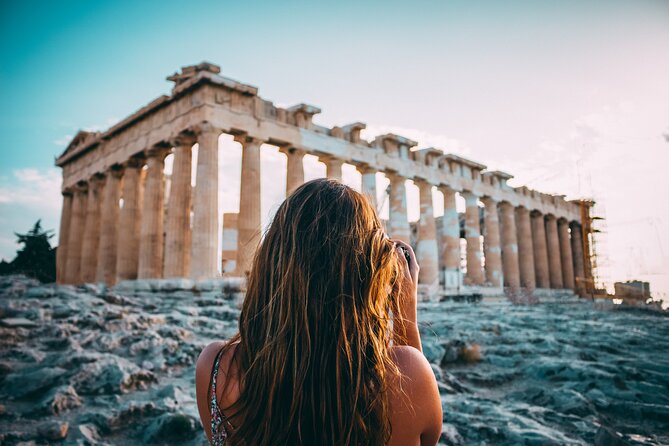
Your tour begins with pickup from your Athens hotel at 9:00 a.m. Athens itself is not included as part of the sightseeing program, so plan to explore the capital before the road trip starts. That is useful if you want time for the Acropolis and central Athens on your own.
The first major stop is Delphi, one of Greece’s great ancient sites. You have about an hour to see the Temple of Apollo, the Treasury of the Athenians, the theater, the stadium, and the museum. The bronze Charioteer of Delphi, dated to 475 B.C., is one of the day’s finest details. An hour is enough for an introduction, but not enough for a slow archaeological visit.
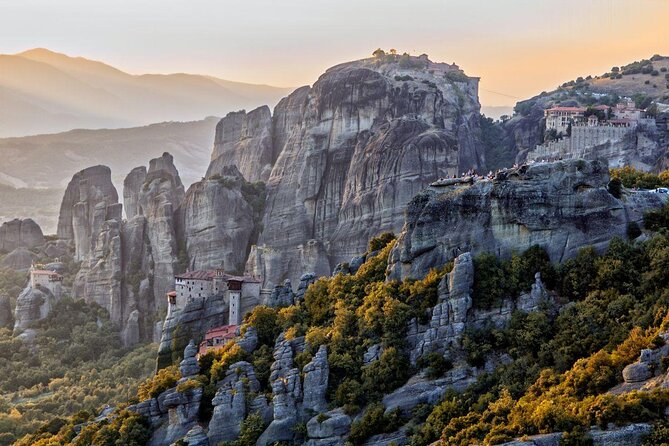
Meteora follows, with about two hours to take in the monasteries built on tall rock formations. The timing is designed around the sunset, which gives the first day a memorable finish. You do not appear to have a monastery interior visit specified here, so check what is open and included before you arrive.
Day two brings Ioannina, where Byzantine and Ottoman traces shape the old town. Ioannina Castle gives you a closer look at the city’s layered past, and free time around City Hall lets you stop for Greek food or coffee. The drive to Gjirokaster comes later, so this is another day where sightseeing and road time share the schedule.
Other days out in Austria people book alongside this one:
- Vienna: Vivaldi’s Four Seasons Concert in Karlskirche
★ 4.7 · 14,951 reviews - Vienna: Spanish Riding School Training
★ 3.9 · 9,281 reviews - Vienna: Skip-the-cashier-desk-line Giant Ferris Wheel Ride
★ 4.5 · 7,859 reviews
Gjirokaster and Berat: Albania’s strongest cultural stretch
Gjirokaster is one of the tour’s best choices. Its steep stone streets and fortress-like homes give the town a clear sense of place, and the medieval bazaar offers handmade crafts and local goods. The visit to Skenduli House is especially valuable because the home remains largely original, giving you a more intimate view of how families lived than a grand monument alone can provide.
Berat offers a different look at Albanian architecture. Its hillside homes create the famous pattern of stacked windows, while Berat Castle remains a living neighborhood rather than a deserted ruin. Churches, mosques, old houses, and traces of the communist period all appear within the same stop.
The National Iconographic Museum Onufri adds depth to the visit. Onufri’s distinctive reddish color in religious painting is a small but memorable detail, and the museum helps explain why Berat matters beyond its attractive streets. The Gorica Bridge and neighborhood provide a good walking break across the river.
You should expect uneven stone surfaces and hills in both Gjirokaster and Berat. Comfortable shoes matter more here than stylish luggage.
Ohrid’s lake and Tirana’s everyday Albania
The route pauses near Lake Ohrid at Drilon National Park and Tushemisht before entering North Macedonia. Drilon’s spring-fed water and willow-lined lake offer a quiet change from castles and old towns. At Saint Naum Monastery, the clear spring water and mountain setting create one of the trip’s more peaceful stops.
Ohrid receives three hours, which is generous by this itinerary’s standards. The old city, lake, churches, viewpoint near Saint John, Saint Nicholas Church, and Halveti Hayati Tekke show the area’s Orthodox and Ottoman influences. Ohrid and the lake have UNESCO status, and the city’s long religious tradition gives the walk more weight than a simple lakeside stop.
Day seven returns to Tirana for a food-focused outing with a local companion. At Tregu Çam, you try byrek, a filled pastry commonly made with cheese, meat, or spinach. Later, Pazari i Ri brings qofte, bread, Albanian gjize, and a taste of raki.
This is one of the most personal parts of the program because food opens a door into ordinary life. Vegetarians have a listed alternative of bread with gjize, but you should still explain dietary needs before the tour begins.
Bunk’Art 2 occupies a former nuclear bunker linked to Enver Hoxha’s communist regime. The museum uses video exhibits to explain the communist army and daily life under the system. It is a worthwhile counterpoint to the ancient and medieval sites, although the listed visit time of one minute is clearly too short to represent a full museum visit. Treat the stated times as rough schedule markers, not guaranteed time inside every attraction.
Kruja, Prizren, and Kosovo’s historic crossroads
Kruja brings another strong Albanian history lesson. Its castle sits high on rocky ground, and the old bazaar is a good place to look for carpets, jewelry, and handmade souvenirs. The tour leader also points out paths once used to leave the castle unseen, adding a practical detail to the fortress visit.
After the border crossing, Prizren offers a lively change in mood. The river, stone bridges, old houses, and Ottoman-era buildings make the town easy to explore on foot. Sinan Pasha Mosque is the key interior visit, while Kalaja Fortress gives you a broad view over the city.
You have free time in Prizren, which is important after several guided stops. Use it for a meal, a slow walk, or a look at local filigree work, a craft closely associated with the town.
The next day includes Gjakova’s rebuilt bazaar and the Dečani Monastery. Dečani is still home to Orthodox monks and is known for its 14th-century frescoes. Access to religious sites can involve checks and rules, so follow your tour leader’s instructions and dress respectfully.
Rahovec adds a wine-country stop. Grapes have been grown in the area since Illyrian times, and the soft hills support local vineyards. This is a good example of the route’s strength: you are not only checking off capitals, but also seeing the food and production traditions around them.
A completely different kind of day out in Austria:
- Vienna: Schönbrunn Palace & Gardens Skip-the-Line Tour
★ 4.7 · 7,739 reviews - Vienna: Light of Creation Votive Church Immersive Light Show
★ 4.8 · 6,779 reviews - Vienna Spanish Riding School Guided Tour
★ 4.7 · 6,765 reviews - Vienna: Classical Concert in the World-Famous Musikverein
★ 4.6 · 6,673 reviews
Northern Albania, Montenegro, and the Adriatic edge
Mrizi i Zanave is one of the most distinctive stops. This slow-food farm gathers and preserves local products, and its story includes the reuse of old communist buildings and the creation of jobs for more than 400 people in the surrounding area. You have time for lunch or farm purchases, although the meal itself is not included.
Shkodra follows with Rozafa Castle and broad views toward the lake and rivers. Venetian influence appears in the city’s architecture, while the castle connects the modern town to settlements dating back more than two thousand years.
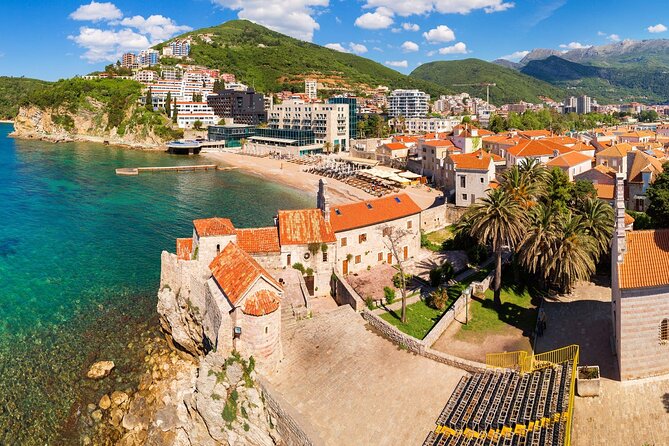
Montenegro begins with a viewpoint over Sveti Stefan. The island is now an exclusive resort and cannot be visited as part of this stop, but the coastal view is still worth the photograph. Budva then offers a compact old town with churches, stone lanes, and a clear contrast between its historic center and modern districts.
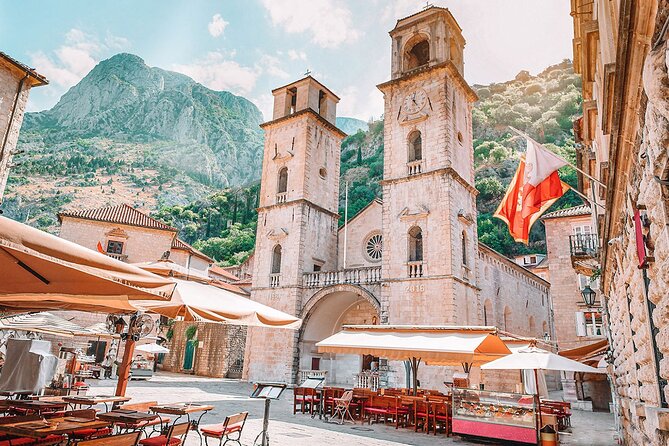
Kotor is another highlight. Its UNESCO-listed old town is built as a maze of narrow streets, originally useful for confusing attackers and now useful for confusing anyone who has not brought a map. The visit includes Saint Luke’s Church, but the schedule allows only about an hour, so do not expect a full exploration of the bay or fortress slopes.
Mostar and Sarajevo: beauty beside difficult memory
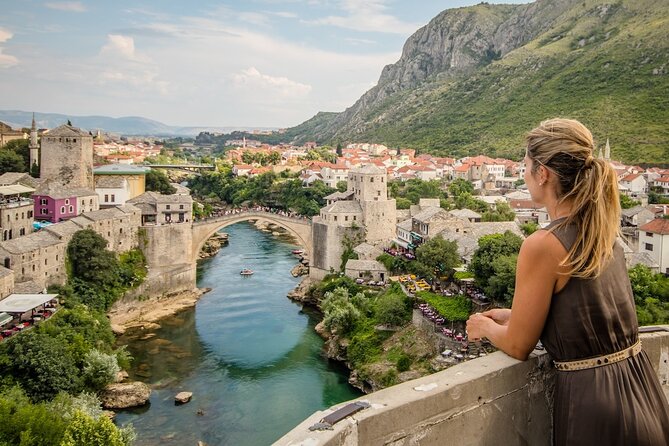
Mostar’s Old Bridge is one of the route’s essential sights. The 16th-century bridge, old bazaar, mosques, Turkish-style lanes, and reminders to not forget make the town visually striking and historically serious.
Blagaj Tekija, outside Mostar, offers a quieter stop beside blue water and a cliff. The visit is brief, but it breaks up the busy old-town sightseeing.
Sarajevo requires a thoughtful pace. Bullet holes and cannon marks remain visible in parts of the city, and the tour addresses both the Yugoslav War and the city’s earlier development. You see Ottoman and Austro-Hungarian quarters, markets, mosques, churches, and synagogues in a city often described as a European Jerusalem.
Latin Bridge connects the walk to the event that helped trigger World War I. Sarajevo also gives you a chance to try local meat dishes and desserts during free time. Some walking takes place on uneven ground, especially around war-related ruins, so this is not the best section for anyone who has difficulty walking on rough streets.
Serbia from the Drina River to Novi Sad
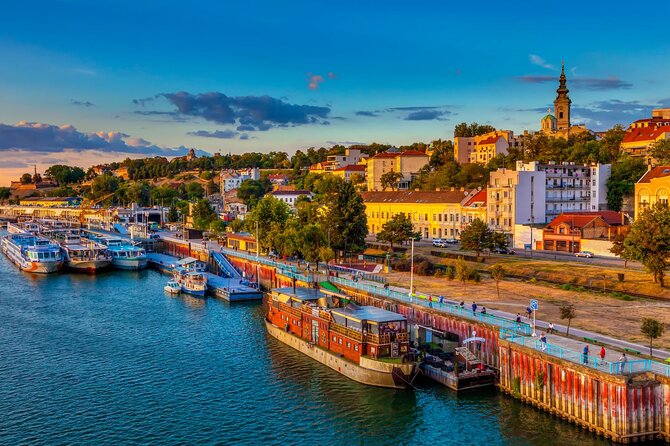
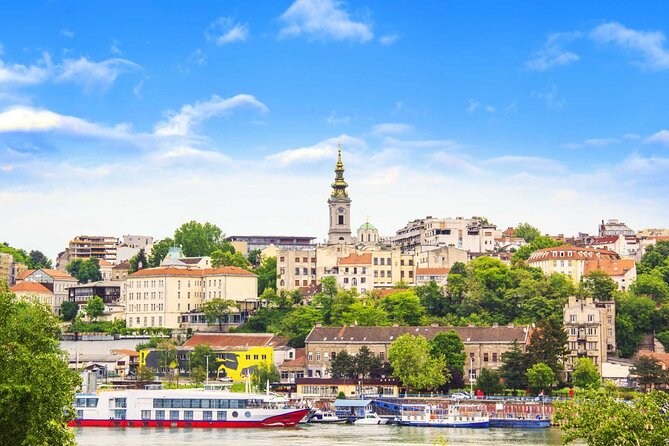
Zvornik is a simple stop on the route to Belgrade, useful for lunch and a walk beside the Drina River. Belgrade then provides a larger city experience, with Kalemegdan Park, the fortress above the meeting point of the Sava and Danube, Knez Mihailova Street, and Republic Square.
The two-hour visit gives you a good first look, but Belgrade has enough museums, nightlife, and neighborhoods to fill several days. Here, the tour’s structure helps with orientation but cannot replace independent city time.
Sremski Karlovci focuses on Serbian wine and Baroque architecture. The Four Lions fountain carries a local legend that anyone who drinks from it will return and marry there. You also have time for wine tasting, though tasting costs are not clearly included, so ask before ordering.
Novi Sad receives two hours and includes Petrovaradin Fortress, the old pedestrian streets, Zmaj Jovina, and Dunavska. The city’s mixture of Austro-Hungarian and Ottoman influences is easy to notice in the architecture and street plan. Overnighting here is a sensible choice because it avoids making the city a rushed day trip from Belgrade.
Subotica, Budapest, and the final Central European run
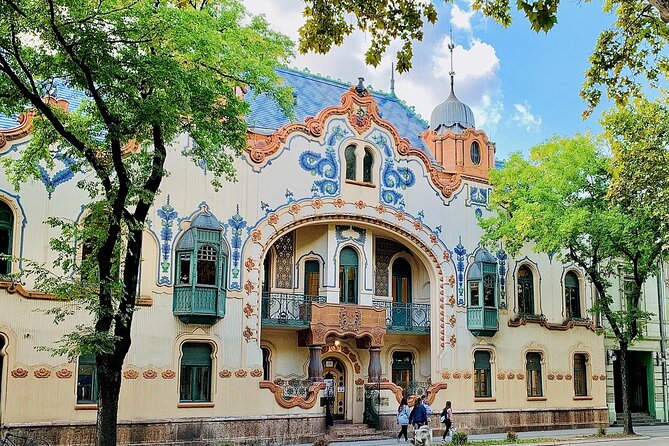
Subotica is one of the more unusual stops late in the journey. Its decorated Austro-Hungarian buildings, grand City Hall, fountains, and relaxed food scene make it feel different from the Balkan towns earlier in the trip. Three hours gives you enough time for a walk and a meal before crossing into Hungary.
Budapest begins with a short arrival period, followed by a full sightseeing day. You see Saint Stephen’s Basilica, the Opera, Parliament, Heroes’ Square, Fisherman’s Bastion, and Buda Castle. The route covers both Buda and Pest, with the Danube and its bridges tying the city together.
The free evening is important. Budapest looks particularly attractive after dark, and you can choose your own restaurant or walk rather than follow another fixed group meal. Buda Castle is the listed paid entry, while many other stops are viewed from outside.
Győr offers a gentler day. The Town Hall tower, Cathedral of the Virgin Mary, synagogue, Baross Gabor pedestrian street, cafes, and restaurants fill the schedule. You have time to try Hungarian food and the locally mentioned blueberry beer, but drinks are not part of the package.
Bratislava is the last major sightseeing stop. The medieval Old Town Hall, Michael’s Gate, Bratislava Castle, Danube views, and traditional coffee shops make it a pleasant final chapter. The walk up to the castle may feel tiring after three weeks on the road, but the view gives the effort a clear reward.
On day 21, your tour leader drops you at your Vienna hotel. Vienna itself is not toured, so add extra nights if you want museums, palaces, or classical music.
What the $7,734 price really covers
The price is high, but it includes the parts of a multi-country trip that are often hardest to arrange: private transportation, hotel pickup in Athens, hotel drop-off in Vienna, fuel, road taxes, international vehicle insurance, tourist taxes, a tour leader, entrance fees for listed sites, and 20 breakfasts.
Accommodation is in three-star hotels, based on double, twin, triple, or quadruple occupancy. A single room costs an additional 45 euros per night. Lunches, dinners, drinks, snacks, souvenirs, and anything not listed are extra.
I would compare the price against the cost of arranging ten countries independently, especially with border crossings and private road transport. The tour offers convenience and a small group, but it is not a luxury package and does not remove all daily spending.
Who will enjoy this trip most
You are a good fit if you want a wide regional overview, prefer having transport arranged, and enjoy changing scenery almost every day. It also suits couples and small groups who want local food, UNESCO sites, and historic towns without managing every hotel and transfer.
This is less suitable if you prefer slow travel, long museum visits, beach time, or several nights in each city. The route is demanding, and the border crossings can make the schedule less predictable.
The experience has an overall rating of 5 from five posted ratings, with particularly strong praise for personal guiding, friendly staff, comfortable accommodation, and the hands-on feel of the trip. One couple used it for a honeymoon and valued the guide’s personal stories, restaurant suggestions, and local access. Those are the qualities worth prioritizing when you ask questions before departure. The operator is Choose Balkans, and the group size is capped at 10.
Should you book the Athens to Vienna route?
Book it if your priority is seeing a large part of the Balkans in one organized sweep. The strongest moments are Gjirokaster, Berat, Ohrid, Tirana’s food walk, Mostar, Sarajevo, Kotor, and the smaller Serbian towns.
Think twice if the price strains your budget or if you need a relaxed schedule. The package is non-refundable and cannot be changed after booking, so confirm the room arrangement, included entries, meal expectations, and daily driving pattern first. For an ambitious first visit to this part of Europe, the route offers remarkable range. Just arrive ready to walk, ride, cross borders, and keep moving.
FAQ
How long is the tour?
The tour lasts approximately 21 days, beginning with hotel pickup in Athens and ending with hotel drop-off in Vienna.
How many countries does the route visit?
The itinerary is designed to visit 10 countries across the Balkans and Central Europe, including Greece, Albania, North Macedonia, Kosovo, Montenegro, Bosnia and Herzegovina, Serbia, Hungary, Slovakia, and Austria.
What time does the tour start?
The stated start time is 9:00 a.m.
What type of transportation is included?
Private transportation is included, along with fuel, road taxes, international vehicle insurance, and tourist taxes.
Are hotels and breakfast included?
Yes. Accommodation and breakfast are included for all overnight stays in three-star hotels. The package includes 20 breakfasts.
Are lunch and dinner included?
No. Lunches, dinners, drinks, snacks, souvenirs, and personal spending are not included.
Can I book a single room?
Yes. Single-room occupancy is available for an additional 45 euros per night per person in three-star accommodation.
What is the maximum group size?
The small-group option has a maximum of 10 people. A fully private tour upgrade is also available when booking.
Is the tour refundable if I cancel?
No. The experience is non-refundable and cannot be changed for any reason after booking.
Just added around Austria
- Mobile puzzle rally tour at the Vienna Central Cemetery★ 4.5 · 3 reviews
- Power of Trees Private Tasting Tour★ 5.0 · 3 reviews
- 8 days European Highlights PRIVATE TOUR from Budapest including Budapest Vienna Prague and Bratislava★ 5.0 · 3 reviews
- RAXI (E-Rickschaw) big private Vienna tour★ 4.5 · 3 reviews
- Salzburg & “The Sound of Music” Full Day Driver-Guided Tour★ 5.0 · 3 reviews
- Private Transfer from Vienna to Prague with 1 hour Stop in Kutna Hora★ 4.5 · 3 reviews
- Palais Lobkowitz Audio Guide Tour★ 4.0 · 3 reviews
- Private Tour from Vienna to Melk and Dürnstein★ 4.5 · 3 reviews
Tours, compared.

Schönbrunn Palace & Gardens Skip-the-Line Tour
Read our review →

Skip-the-Line Sisi Museum, Hofburg and Gardens Tour
Read our review →
Skip-the-Line Schönbrunn Palace & Gardens Tour
Read our review →

Guided Walking Tour of City Center Highlights
Read our review →