
Reviewed · HOFBURG & IMPERIAL PALACES
Vienna: Belvedere Palace Skip-the-Line Tour
Klimt’s The Kiss is only part of the story. This 90-minute guided visit to Vienna’s Upper Belvedere combines priority entry, major works by Klimt, Monet, Van Gogh, and Schiele, plus the palace’s grand rooms and gardens. I especially like the way the tour connects the art with Austrian politics and palace life, rather than treating the museum as a string of famous paintings.
I also like the choice of regular, small-group, or private tours. A group of up to 24 keeps the price reasonable, while the maximum of eight should feel easier for questions and conversation. The main consideration is pace: one hour and a half goes quickly, and a very detailed guide may give you more information than you can comfortably absorb.
In This Review
- Key points to know before you go
- Why the Upper Belvedere deserves your time
- Meeting the guide at the black gate
- Priority entry and the first palace rooms
- The Marble Hall and Austria’s modern past
- Klimt’s The Kiss and the Upper Belvedere collection
- The gardens and views beyond the galleries
- Guide quality is the biggest variable
- Picking the right group size
- Is $62 good value?
- Who should book this Belvedere tour?
- Should you book it?
- FAQ
- Where does the Belvedere Palace tour meet?
- How long does the tour last?
- What does the $62 price include?
- Is transportation to the palace included?
- Which artworks will I see?
- Can I choose a small-group or private tour?
- Which languages are available?
- Can I cancel for a refund?
- What happens if I arrive late?
Key points to know before you go
- The Kiss is the star attraction: You see Klimt’s best-known work along with other important paintings by Klimt, Monet, Van Gogh, and Schiele.
- Priority entry saves time: The tour includes skip-the-line admission to the Upper Belvedere, useful when the palace is busy.
- The guides are the real strength: Guides including Anastasia, Siri, Michael, Anna, Alexis, and Sisi have been praised for making art accessible and linking it to Vienna’s past.
- The Marble Hall adds political history: This grand room is tied to the signing of the Austrian State Treaty.
- The gardens are part of the experience: You get palace views, formal outdoor spaces, and a different perspective on the building after the galleries.
- Choose your group carefully: Regular tours allow up to 24 people, small groups up to eight, and private tours offer the most personal format.
Why the Upper Belvedere deserves your time
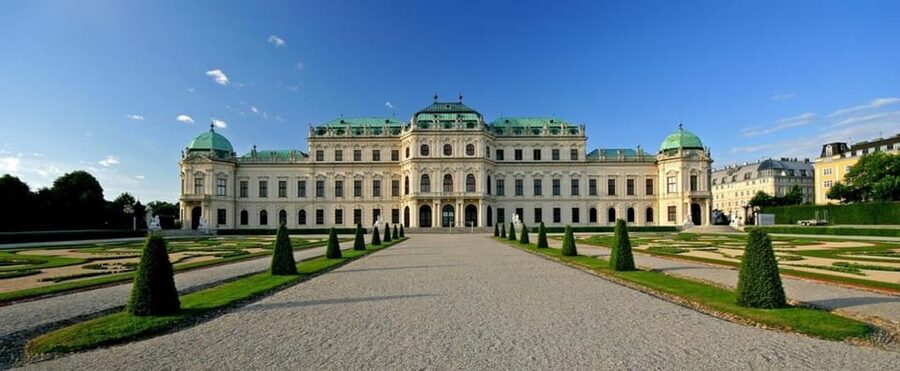
The Belvedere is not simply a place to see one famous Klimt painting. The Upper Belvedere gives you a concentrated look at Austrian art, European modernism, and the setting of a former Baroque palace. That combination makes it one of Vienna’s most rewarding museum stops, especially if you want more than a quick photograph of The Kiss.
I like the fact that the building itself is part of the tour. You move through formal palace spaces and museum rooms, so the visit shifts between architecture, politics, and painting. The setting helps explain why these works matter. You are not viewing Klimt in an empty white box, but in a palace built for ceremony and display.
The tour is also useful if art museums sometimes leave you cold. A good guide gives you a way into the paintings by explaining the people, symbols, artistic choices, and social setting behind them. Several guides have been praised for making the material approachable, even for people with little background in art.
More Hofburg and imperial palace visits:
- Vienna: Skip-the-Line Sisi Museum, Hofburg and Gardens Tour
★ 4.8 · 5,918 reviews - Tickets for the Albertina Exhibitions
★ 4.7 · 2,126 reviews - Vienna: Imperial Treasury in the Hofburg Palace
★ 4.4 · 1,791 reviews
Meeting the guide at the black gate
Your meeting point is in front of the Upper Belvedere’s main entrance, at the black gate beside the Hop on Hop off Bus stop. Look for the guide holding a green umbrella. That detail matters because the palace entrance area can be busy, and you do not want to spend the first minutes searching for a meeting point.
Transportation is not included, so you need to make your own way to the palace. Build in extra time. The tour does not refund late arrivals or missed departures, which makes punctuality especially important.
Once the group is together, the guide handles the palace admission. The included audio device and headphones should make it easier to follow explanations in a busy museum. This is a small but useful feature, particularly in a group of 24, when standing close to the guide may not always be possible.
Priority entry and the first palace rooms
The skip-the-line ticket is one of the clearest practical benefits. The Upper Belvedere is a major Vienna attraction, and waiting outside for admission can eat into a short sightseeing day. Priority entry does not make the building empty, but it gets you to the art more efficiently.
The opening part of the tour introduces the palace and its role in Vienna. You will begin to see why the Belvedere works best with a guide. The building has a formal, ceremonial character, and the rooms are connected to the power and ambitions of the people who created the complex.
Guides generally focus on the main highlights rather than trying to describe every object in every room. That is the sensible approach during a 90-minute visit. The museum holds more than you can properly absorb in one pass, so a strong guide helps you decide where to place your attention.
The style can vary by guide. Siri has been praised for giving clear background on both the palace and its paintings, while Anna has been singled out for keeping a 90-minute tour lively enough to feel much shorter. Michael has impressed guests by linking art with politics, society, and Austrian history.
The Marble Hall and Austria’s modern past
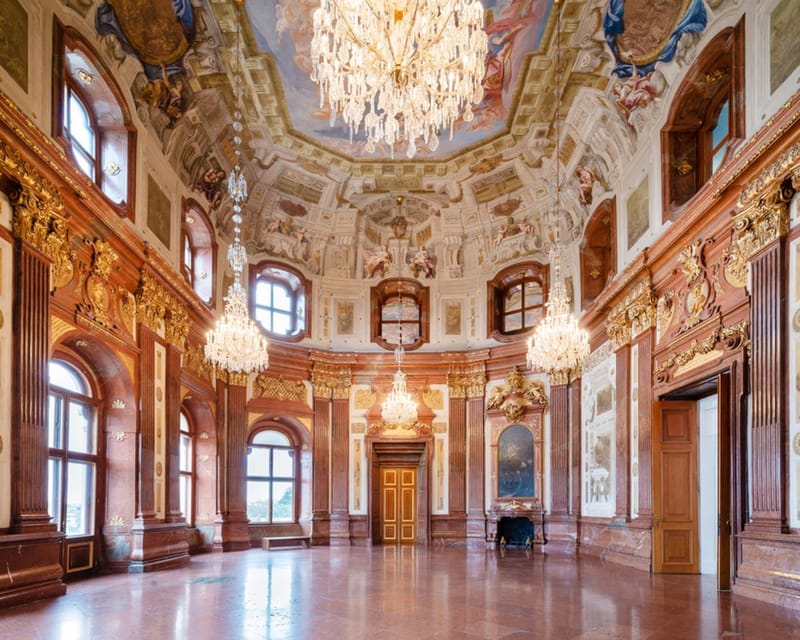
The Marble Hall gives the tour a welcome change of pace. Its grand design provides a physical reminder that the Belvedere was built for courtly display, not originally as a public art museum. The room is also connected with the signing of the Austrian State Treaty, an important event in Austria’s postwar story.
I appreciate this part of the visit because it widens the focus beyond decoration. You are looking at architecture that carried political meaning, then hearing about a modern event that took place within those walls. It gives the palace a continuing role in Austria’s public life.
If your main goal is Klimt, the Marble Hall may feel like a pause before the museum’s biggest art moments. That is not a flaw, but it is worth knowing. The tour aims to explain the entire setting, not rush straight to The Kiss.
More skip-the-line tickets:
- Vienna: Schönbrunn Palace & Gardens Skip-the-Line Tour
★ 4.7 · 7,739 reviews - Vienna: Skip-the-Line Schönbrunn Palace & Gardens Tour
★ 4.8 · 5,411 reviews - Vienna: Bus & Schönbrunn Palace Skip-the-Line Guided Tour
★ 4.3 · 2,802 reviews - Vienna: Skip-the-Line Entrance Ticket to the Danube Tower
★ 4.5 · 2,303 reviews
Klimt’s The Kiss and the Upper Belvedere collection
Eventually, the tour reaches the painting most people have come to see: Gustav Klimt’s The Kiss. This is the emotional center of the visit, and it deserves time. The work’s gold surface, decorative patterns, and intimate subject make it easy to recognize, but a guide can help you notice the details that a quick look from a crowded room might miss.
One useful point from the feedback is that some people wanted more emphasis on the final room containing The Kiss and other Klimt works. That is an important expectation to set. The overall tour can be packed with background, and the final gallery may not receive as much time as you would like if you want a long, quiet look at Klimt.
I would treat the guided portion as an introduction, not your only chance to study the painting. If time and museum rules allow, plan to return to the key works after the tour and look at them at your own pace. One guest specifically recommended beginning with the guided visit and finishing with time to wander independently. That is probably the best way to use the experience.
The collection also includes works connected with Claude Monet, Vincent van Gogh, and Egon Schiele. Seeing these artists in the same visit helps place Klimt within a wider European art story. You get a sense of different approaches to color, line, portraiture, and modern life instead of leaving with a single-image souvenir.
The guide’s interpretation makes a major difference here. Alexis was praised for connecting art appreciation with Austrian history and politics, while Sirius was appreciated for an art history background that added extra meaning to the paintings. Sisi has also been praised for explaining the palace, its past, and its major works in detail.
The gardens and views beyond the galleries
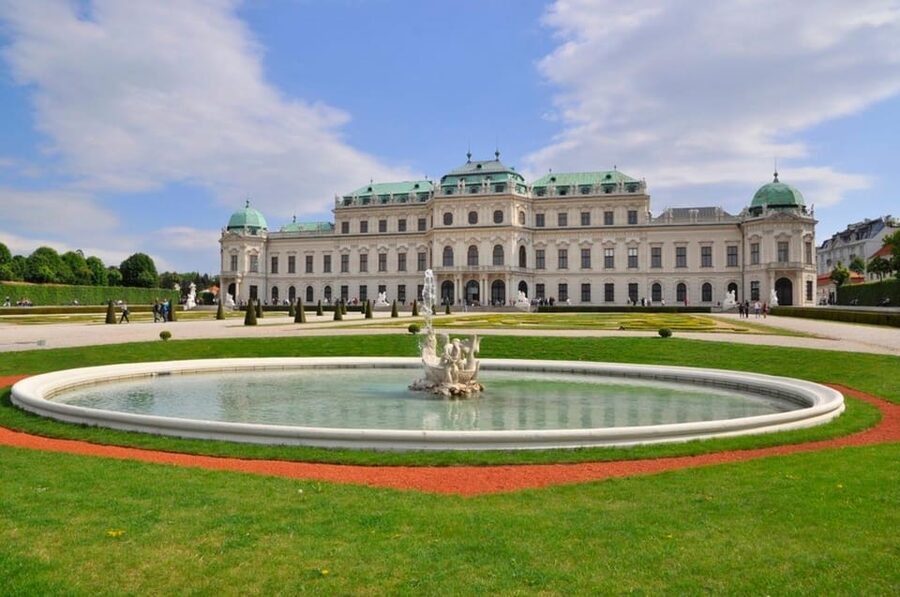
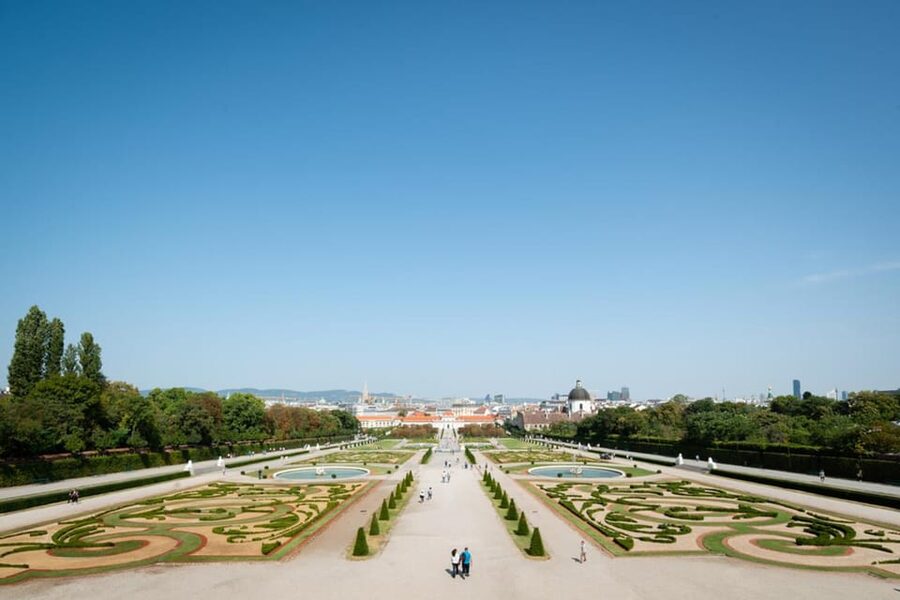
The palace gardens add breathing room after the museum rooms. Their formal design and views toward Vienna show the Belvedere as a complete setting, not just an indoor collection. You can appreciate the building’s Baroque character more clearly once you have seen it from outside.
This part may be shorter than the indoor gallery visit, depending on the guide and the day’s plan. The supplied details promise beautifully landscaped gardens and views of Vienna, but the tour’s main focus remains the Upper Belvedere and its art. If you want a long garden walk, allow separate time after the guided portion.
I like having the outdoor setting included because museums can become visually tiring. The gardens give you a chance to reset and understand the palace’s position in Vienna. They also make the tour feel less like a standard indoor museum route.
Guide quality is the biggest variable
The strongest pattern in the feedback is the quality of the guides. Guests have repeatedly praised their preparation, enthusiasm, humor, and ability to answer questions. That praise is specific, too. Anastasia has been described as helpful and deeply informed, while another private-tour guest valued her ability to explain the art and even assist with photographs.
Michael receives especially strong praise for placing paintings in political, social, and historical context. That approach suits you if you want to understand why the art developed as it did, rather than simply learning titles and dates.
Siri appears frequently in the feedback, with praise for her clear explanations and pleasant pace. One person found the tour detailed but occasionally too full of information, which is the one recurring caution worth keeping in mind. A passionate art guide can make 90 minutes fly by, but that same enthusiasm can become tiring if you prefer short explanations and plenty of quiet viewing.
Anna has been praised for stories about the palace and artists, as well as for making the time pass quickly. Dieter has been described as patient and careful in his explanations. These comments suggest that the experience is shaped heavily by the individual guide, but the overall standard appears high.
The guides can lead tours in Italian, English, Spanish, German, Russian, Korean, Chinese, Serbian, Croatian, Ukrainian, and Polish. Check the available language and departure time when booking, since not every tour necessarily runs in every language at every time.
Picking the right group size
The regular option allows up to 24 participants. This is the sensible choice if you want the lowest listed price and do not mind a larger group. With the audio equipment, you should still be able to hear the guide, though a big group can make questions and close viewing less personal.
The small-group option is capped at eight. I would choose this format if you care about asking questions, staying near the guide, or having a calmer exchange around the paintings. It can also be a better fit if your group includes someone who wants extra explanation.
A private tour offers the most control and personal attention. Natalia’s private visit was considered very good value by one guest because it allowed for extensive learning and personal assistance with photographs. The price for a private option is not provided here, so compare the final cost before deciding.
For most people, the small group is likely the sweet spot. You get the benefit of a guide without the full size of a standard group. Still, the regular tour can be perfectly reasonable if your main aim is priority entry and a clear orientation to the palace.
Is $62 good value?
At $62 per person, this is not the cheapest way to enter the Belvedere. You are paying for more than the admission ticket, though. The price includes priority entry, a licensed guide, the audio equipment, and 90 minutes of structured explanation.
The value is strongest if you are short on time, unsure how to approach art, or eager to understand the palace beyond its famous painting. A guide can help you avoid wandering past important works and can connect the Marble Hall, the palace gardens, and the galleries into one clear visit.
The value is weaker if you prefer to read labels quietly and spend a long time with just a few paintings. You may feel hurried by the fixed schedule, especially if the guide gives detailed commentary. In that case, independent admission may suit you better, assuming you can arrange it and are comfortable managing the visit yourself.
The free cancellation policy gives you some flexibility. You can cancel up to 24 hours in advance for a full refund, and the reserve-now, pay-later option lets you hold a place without paying immediately. Those terms are useful when your Vienna schedule is still changing, but they do not protect you from arriving late.
Who should book this Belvedere tour?
I would recommend it to first-time visitors who want a clear introduction to the Upper Belvedere. It is also a strong choice for couples, families with older children, and anyone who knows The Kiss but wants help understanding the rest of the collection.
You will get the most from it if you enjoy stories and context. The guides do not simply point at paintings. They explain the palace, the art, and the political setting, which helps turn a famous museum stop into a more meaningful part of your Vienna visit.
The tour may be less suitable for serious art fans who want long periods of silent viewing. It may also feel too information-heavy if you prefer a light overview. For those visitors, choose the smallest available group and tell the guide what interests you most.
Give yourself enough time to reach the black gate, look for the green umbrella, and avoid the no-refund problem that comes with lateness. After the 90-minute tour, leave room to revisit The Kiss, view the other Klimt works, or spend more time in the gardens if you still have energy.
Should you book it?
I would book this tour if you want efficient entry and strong art-and-history explanations in one visit. The 4.9 rating from 197 reviews reflects a very consistent response to the guides, especially their ability to make difficult art subjects clear and enjoyable.
Choose the small-group format if the price fits your budget. Choose the regular group if keeping costs down matters most, and choose private only when personal attention is worth the extra expense. If your priority is a slow, self-directed museum visit, skip the tour and allow yourself more independent time.
For most visitors, the tour is a good use of 90 minutes and $62. Just remember that The Kiss deserves a second look after the guide has finished.
FAQ
Where does the Belvedere Palace tour meet?
The meeting point is in front of the main entrance of the Upper Belvedere Palace, at the black gate next to the Hop on Hop off Bus stop. The guide will be holding a green umbrella.
How long does the tour last?
The tour lasts 90 minutes, or one and a half hours.
What does the $62 price include?
The price includes skip-the-line entrance to the Upper Belvedere, a licensed tour guide, and an audio device with headphones.
Is transportation to the palace included?
No. Transportation to the palace is not included, so you must make your own way to the meeting point.
Which artworks will I see?
The tour includes Klimt’s The Kiss and works by Klimt, Monet, Van Gogh, Schiele, and other artists in the Upper Belvedere collection.
Can I choose a small-group or private tour?
Yes. You can choose a regular group of up to 24 people, a small group of up to eight people, or a private group tour.
Which languages are available?
The tour is offered in Italian, English, Spanish, German, Russian, Korean, Chinese, Serbian, Croatian, Ukrainian, and Polish.
Can I cancel for a refund?
Yes. You can cancel up to 24 hours in advance for a full refund.
What happens if I arrive late?
There are no refunds for late arrivals or missed tours, so arrive at the meeting point before the scheduled start time.
Just added around Vienna
- Mobile puzzle rally tour at the Vienna Central Cemetery★ 4.5 · 3 reviews
- RAXI (E-Rickschaw) big private Vienna tour★ 4.5 · 3 reviews
- 8 days European Highlights PRIVATE TOUR from Budapest including Budapest Vienna Prague and Bratislava★ 5.0 · 3 reviews
- Private Transfer from Vienna to Prague with 1 hour Stop in Kutna Hora★ 4.5 · 3 reviews
- Palais Lobkowitz Audio Guide Tour★ 4.0 · 3 reviews
- Private Tour from Vienna to Melk and Dürnstein★ 4.5 · 3 reviews
- Vienna: Designer Fashion Time Capsule Experience★ 5.0 · 3 reviews
- Private day trip from Munich to Eagle’s Nest & Hallstatt★ 4.7 · 3 reviews
Hofburg & Imperial Palaces, compared.

Skip-the-Line Sisi Museum, Hofburg and Gardens Tour
Read our review →


Entry Ticket Upper Belvedere, Klimt’s Kiss & Permanent Collection
Read our review →
Skip-the-Line Hofburg and Empress Sisi Museum Tour
Read our review →
Combo Ticket: Kunsthistorisches Museum & Imperial Treasury
Read our review →Browse the lists this tour appears in