
Reviewed · HOFBURG & IMPERIAL PALACES
Vienna: Imperial Treasury & New Hofburg Palace Combo Ticket
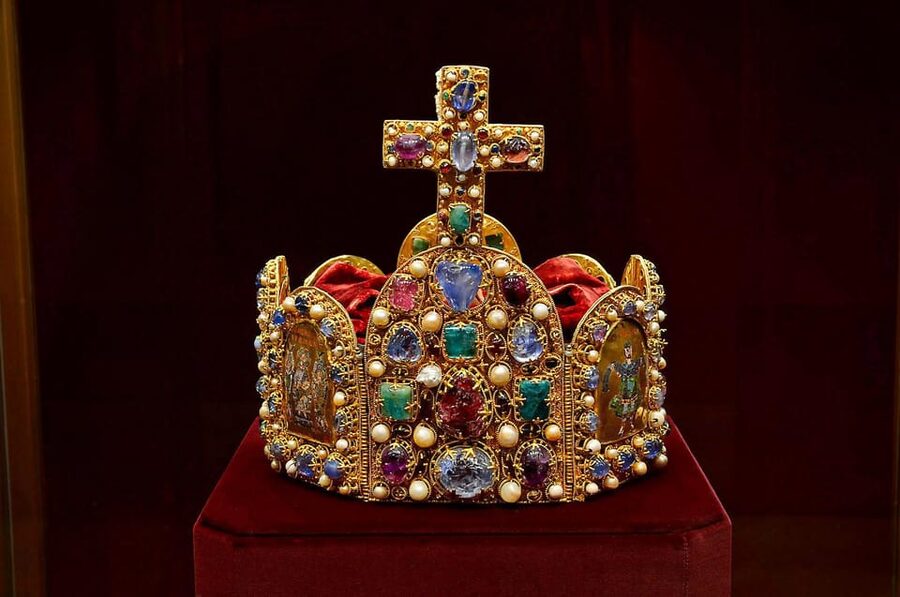
Royal treasure comes with serious history. This $40 combo ticket links the Imperial Treasury in the Swiss Wing with the New Hofburg Palace museums, giving you a useful look at Habsburg power from glittering crowns to battlefield armor. I especially like the chance to see the Austrian Imperial Crown and the Holy Roman Empire’s Reichskrone, and I like having ten days to use the ticket rather than rushing through everything in one afternoon. The main drawback is that the ticket can require a paper-ticket exchange, and the New Hofburg collections are better explained than the Treasury.
This is a self-guided museum visit, not a live tour. I love the freedom to start at either entrance and return on another day, but you should know that the New Hofburg portion is far larger and more information-heavy than the Treasury. If you prefer a guide who tells the story in person, this is not the right choice.
In This Review
- Key points to know before you go
- Two Hofburg stops, two very different moods
- Starting at the Swiss Wing Treasury
- The New Hofburg and its Habsburg story
- The Imperial Armoury: armor on horseback
- Historic Musical Instruments and Mozart’s fortepiano
- Weltmuseum Wien and the wider ticket
- How the audio guide changes the visit
- Price, timing, and practical value
- Who will enjoy this combination most
- Should you book the Imperial Treasury and New Hofburg combo?
- FAQ
- How long is the ticket valid?
- Where can I start the visit?
- Is a live tour guide included?
- Which audio guide languages are available?
- What museums and collections are included?
- Is the experience suitable for children under 14?
Key points to know before you go
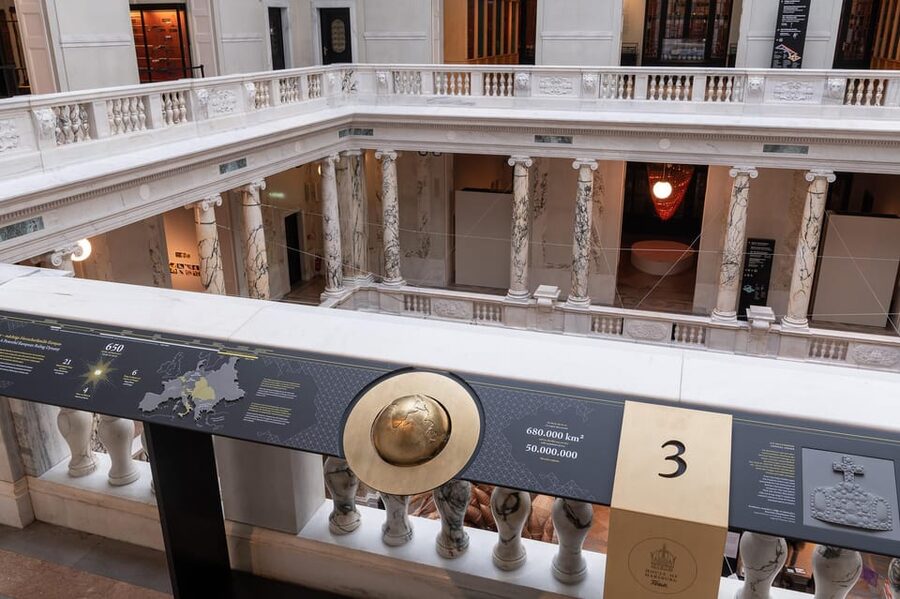
- The Imperial Treasury holds the Austrian Imperial Crown, the Reichskrone, and the Holy Lance, among the most important objects in the Habsburg collections.
- The New Hofburg ticket covers several collections, including the Imperial Armoury, historic musical instruments, and entry to Weltmuseum Wien.
- The House of Habsburg audio guide is available in ten languages, including English, German, Spanish, French, Chinese, Japanese, Korean, Czech, and Hungarian.
- Mozart’s fortepiano and a wax bust of Joseph Haydn add a welcome musical and personal touch to the palace museums.
- The ticket is valid for ten days after first activation, so you can split the visit if the armor, instruments, and palace history begin to blur together.
- The experience is wheelchair accessible but not suitable for children under 14, and there is no live guide.
Two Hofburg stops, two very different moods
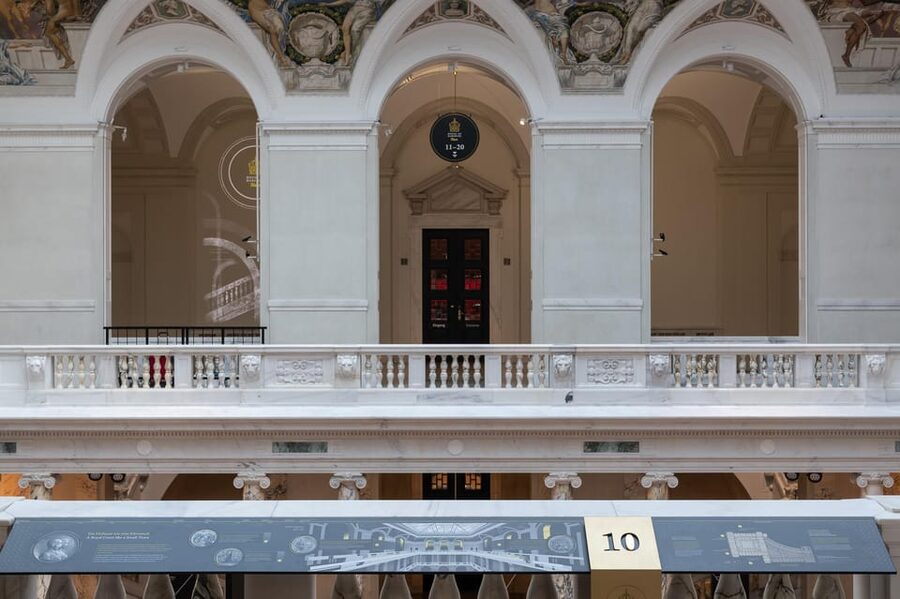
The Imperial Treasury and New Hofburg Palace sit within the broad Hofburg complex, but they offer different kinds of museum time.
The Treasury is compact, formal, and packed with symbols of authority. You move through the oldest part of the Hofburg, the Swiss Wing, where crowns, jewels, ceremonial objects, and imperial treasures show how the Habsburgs presented their power. The rooms are about rank and ritual as much as beauty.
The New Hofburg feels more like a group of major museums under one grand roof. Here, you can move from the House of Habsburg exhibition to rows of armor, then to historic instruments. The scale is larger, and you need more time to make sense of it.
The combination works because the Treasury shows the dynasty’s public image while the New Hofburg gives you more of its military, cultural, and family story. You see what the rulers wore, what they collected, how they fought, and how later generations remembered them.
More Attraction Tickets in Vienna
- Vienna: Classic Ensemble Vienna in St. Peter’s Church Ticket
★ 4.7 · 4,819 reviews - Vienna Kunsthistorisches Museum Day Admission Ticket
★ 4.6 · 3,690 reviews - Vienna: Tickets for Mozarthaus Vienna with Audio Guide
★ 4.2 · 2,344 reviews
Starting at the Swiss Wing Treasury
You can begin at the Imperial Treasury entrance in the Schweizerhof, also called the Swiss Wing. This is the oldest part of the Hofburg complex, which gives the visit a strong sense of place before you even reach the displays.
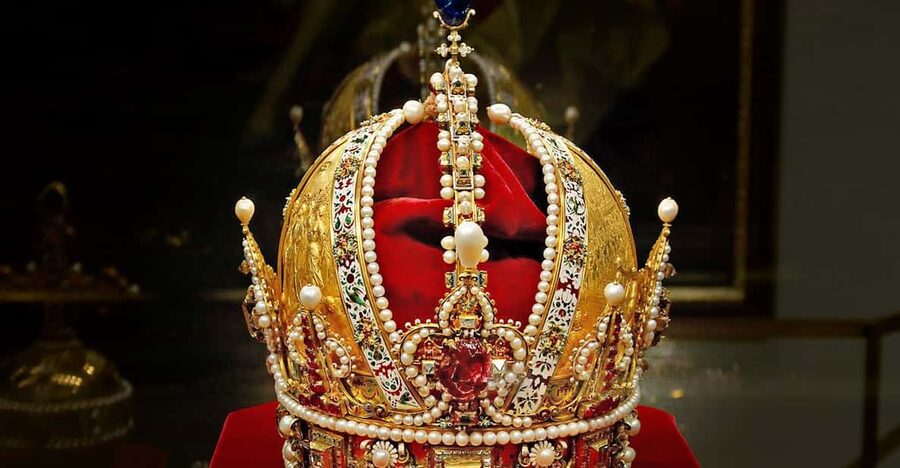
The star object is the Austrian Imperial Crown. It is not simply an attractive piece of gold and jewels. It represents the imperial office and the political world built around it. Seeing it in person gives you a better sense of how much ceremony surrounded the Habsburg rulers.
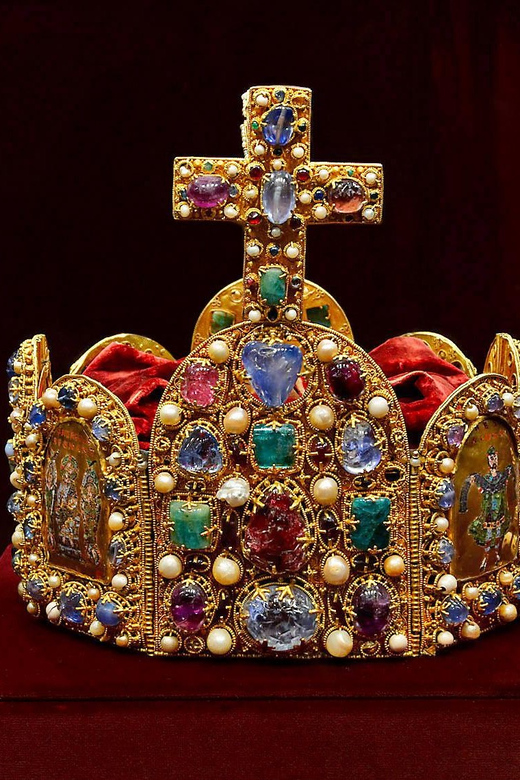
The Treasury also displays the Reichskrone, or Holy Roman Crown, along with the Holy Lance. These objects connect the Habsburg story to the Holy Roman Empire and to the older religious and political traditions that supported imperial rule.
The jewels are another major reason to come. One of the most eye-catching pieces is an emerald described as one of the largest in the world. You will also find precious objects that show the wealth available to the dynasty at its height.
I would allow enough time to look closely rather than simply walk past the cases. The displays can be visually dense, with crowns, textiles, religious objects, and ceremonial pieces competing for attention. If you enjoy jewels and regalia, this may be the highlight of the whole visit. If your interest is mainly architecture, warfare, or personal stories, the New Hofburg will probably hold you longer.
One practical point matters here: there is no audio guide included for the Treasury. That makes the experience quieter and more independent, but it also means you need to read the labels to understand the objects. Several comments about the Treasury were highly positive, especially regarding the jewels and crowns, while one critical assessment found the textiles and older objects less compelling. Your reaction will depend heavily on whether royal ceremony interests you.
The New Hofburg and its Habsburg story
The New Hofburg entrance is at Weltmuseum Wien on Heldenplatz. You can start here instead of at the Treasury, which is helpful if your sightseeing route brings you to the grand open square first.
The New Hofburg audio-guided House of Habsburg tour gives the palace visit a clearer thread. It covers the dynasty from its late medieval beginnings through the modern era, including its founding figures and Empress Sisi. That broad time span helps you understand how a family became one of Europe’s most powerful ruling houses, then gradually lost its position.
The audio guide is available in ten languages. English, German, Spanish, French, Czech, Hungarian, Korean, Chinese, and Japanese are listed as options. I would choose this part of the ticket for the audio experience, since it adds structure to a large museum complex and helps explain why the objects matter.
The palace itself is part of the story. You are not looking at an isolated museum building. The New Hofburg was part of the Habsburg residence, and the collections are presented in a setting tied directly to the dynasty. That connection gives the displays more weight than a standard military or musical instrument museum might have elsewhere.
Still, expect a substantial visit. One account found the New Hofburg large enough to fill three hours or more. You do not need to see every case, but you should avoid squeezing it into a short gap between other appointments.
The Imperial Armoury: armor on horseback
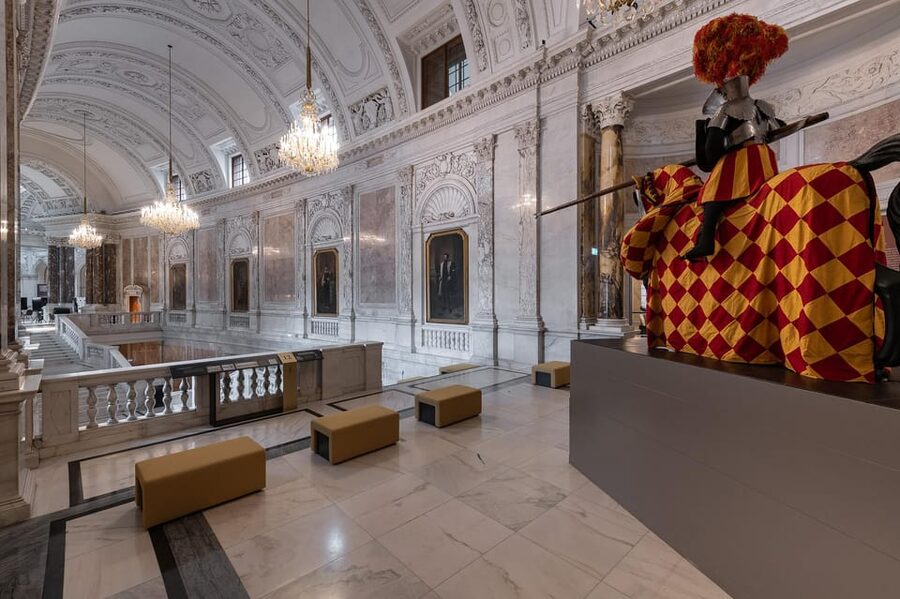
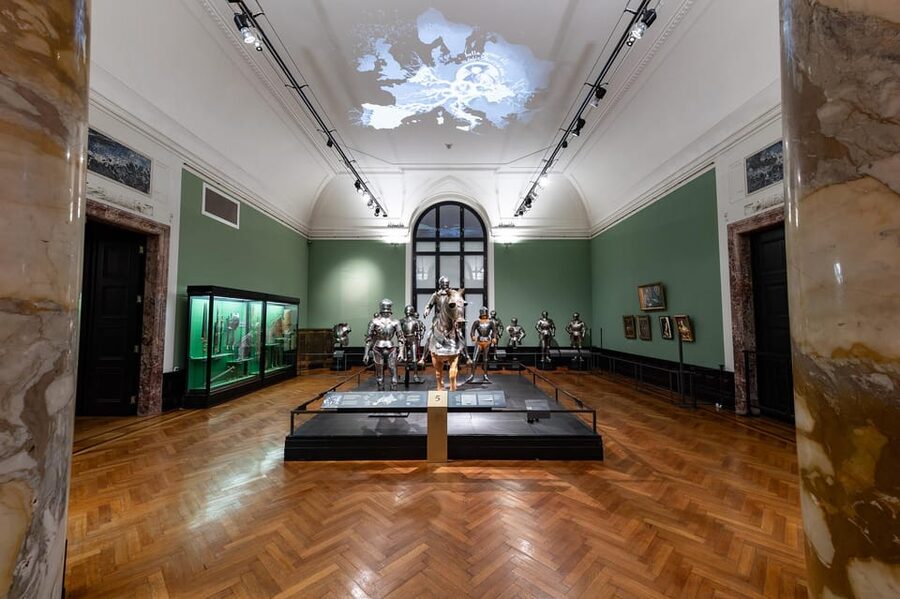
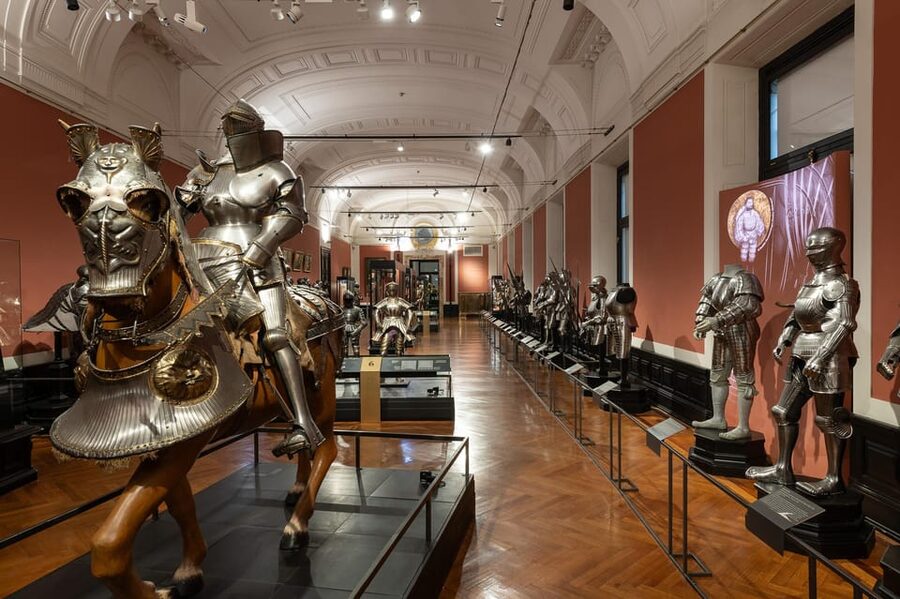
The Imperial Armoury is likely to be the biggest surprise for many people. The collection includes suits of armor, weapons, and armor displayed on horseback. That presentation helps you picture warfare as a public display of wealth and status, not just a matter of protection in battle.
The mounted armor is especially effective. A suit of armor by itself can seem like a heavy metal costume. Set on a horse, it becomes a statement about military power, breeding, wealth, and ceremony. The scale also helps you understand how much equipment and preparation went into presenting a noble warrior.
The collection is not a quick side room. It contains enough material to occupy serious museum time, and it may appeal even if you normally skip weapons museums. One 17-year-old visitor enjoyed this section greatly, which suggests it has more visual impact than the formal Treasury displays for younger audiences.
You should also set your expectations correctly. The New Hofburg is not only a palace interior with royal apartments. A large part of the appeal comes from objects connected to fighting and court display. If you want an intimate look at everyday imperial life, the armor may feel like too much of the visit. If you enjoy military history, the scale and variety make the ticket more attractive.
More Hofburg and imperial palace visits:
- Vienna: Skip-the-Line Sisi Museum, Hofburg and Gardens Tour
★ 4.8 · 5,918 reviews - Tickets for the Albertina Exhibitions
★ 4.7 · 2,126 reviews - Vienna: Imperial Treasury in the Hofburg Palace
★ 4.4 · 1,791 reviews - Vienna: Imperial Crypt Entrance Ticket
★ 4.6 · 1,507 reviews
Historic Musical Instruments and Mozart’s fortepiano
The Collection of Historic Musical Instruments gives the visit a change of pace after the armor. Instead of focusing on dynastic power through crowns and weapons, this section shows how music fitted into court life and European culture.
The most memorable object for many people will be the fortepiano that Mozart once played. That connection gives the instrument a human scale. You are no longer looking only at a formal court object. You are looking at something associated with a specific musician and performance tradition.
The collection also includes the only wax bust showing Joseph Haydn as he appeared in life. That detail makes the display feel more personal. It is a small reminder that the Habsburg world was shaped not only by emperors and armies, but also by musicians, composers, and the culture supported by the court.
This section is a good reason to choose the combo even if you are uncertain about the Treasury. The visit gives you several different subjects under one ticket, so a less appealing room does not define the entire day.
Weltmuseum Wien and the wider ticket
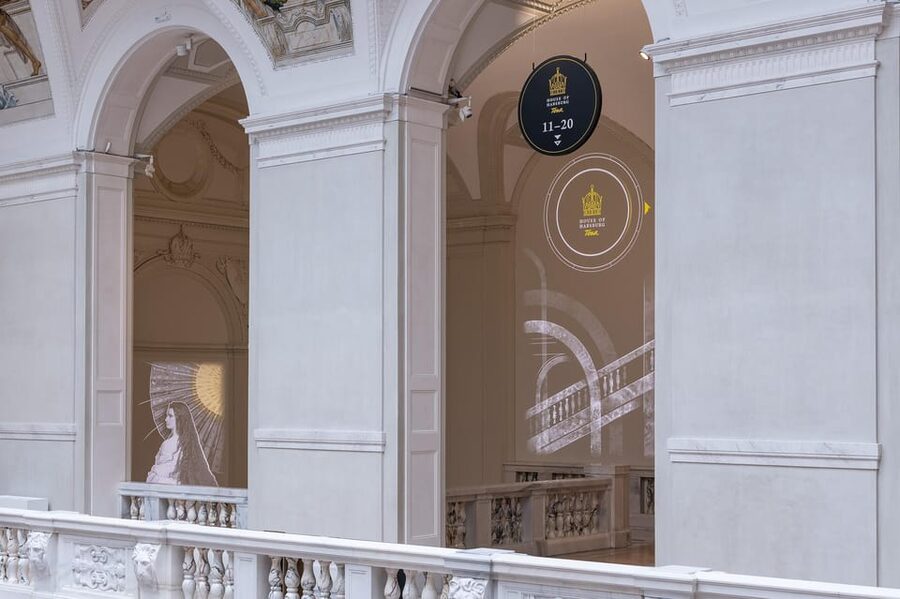
Entry to Weltmuseum Wien is included. The supplied information identifies it as part of the New Hofburg visit, alongside the Imperial Armoury and historic instruments. Since the ticket covers several collections, check the exact route and available exhibition areas when you arrive.
This is one reason the ticket can offer better value than a single museum admission. At $40 per person, the price is not low, especially if you only plan to glance at the Treasury and leave. But if you use the New Hofburg museums properly, the cost begins to make more sense.
The ten-day validity is important. You can activate the ticket at one location, visit the Treasury when you have a shorter window, and return to the New Hofburg later. That is much better than forcing crowns, armor, instruments, and Habsburg history into one overloaded session.
I would not treat the ten days as a reason to postpone all planning. The two entrances are not interchangeable in terms of finding your way around. The Imperial Treasury can be hard to locate, and one person found the lack of clear signage frustrating. Look for Schweizerhof for the Treasury and Weltmuseum Wien at Heldenplatz for the New Hofburg.
How the audio guide changes the visit
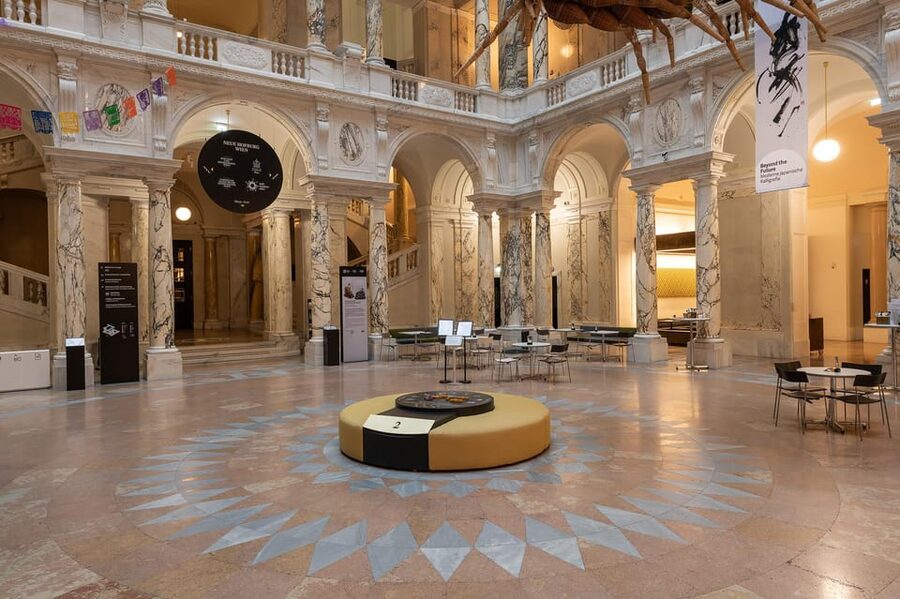
The New Hofburg audio guide is one of the strongest practical features. A large palace museum can become a march past expensive objects if you do not know what you are seeing. The guide supplies a narrative about the House of Habsburg, from its founders to Empress Sisi and the dynasty’s decline.
Several useful points emerge from the experience. The audio guide is described as informative, and it makes the New Hofburg more enjoyable than the Treasury, where no similar device is provided. That difference matters if you like context rather than visual display alone.
At the same time, this is not a live tour. You cannot ask the guide to explain a confusing object or adjust the pace for your interests. You control the timing, which is ideal for independent visitors, but less satisfying if you want conversation or a personal interpretation.
I would use the audio guide for the Habsburg story, then spend extra time in the armor and instrument rooms that catch your attention. The combination of directed listening and free browsing works better than trying to listen to every word.
Price, timing, and practical value
The listed price is $40 per person. That is a fair price only if you intend to use the New Hofburg portion fully. The Treasury alone may not satisfy every visitor at that cost, particularly if your interest in old textiles and ceremonial objects is limited.
The value improves if you:
- Spend several hours in the New Hofburg museums.
- Use the audio guide in one of the listed languages.
- Visit both the Treasury and New Hofburg rather than choosing one.
- Return within the ten-day validity period.
- Have a strong interest in crowns, armor, music, or Habsburg politics.
The value is weaker if you want a short, guided palace visit or mainly want to see Empress Sisi’s private rooms. The material here focuses on the House of Habsburg, armor, instruments, and the Treasury. One comment referred to a Sisi apartment visit as interesting but quick, so do not assume this combo is the same as a dedicated Sisi apartments experience.
Allow at least several hours if you want to do both sites carefully. The New Hofburg alone can occupy three hours or more for a thorough visit. The Treasury is more compact, but the crowns and jewels deserve unhurried attention.
Ticket exchange can be a nuisance. The voucher does not always eliminate the need to queue for paper tickets, and staff may not immediately make the covered areas clear. Give yourself extra time and confirm which entrance applies to each section before setting off.
Who will enjoy this combination most
I would recommend this ticket to you if you enjoy European dynasties, royal ceremony, military objects, or classical music. It is also a good choice if you prefer self-guided museum time and want to set your own pace.
History-minded teenagers may find the armor more engaging than the Treasury. The mounted suits and weapons have immediate visual appeal, while the audio guide helps connect them to the wider Habsburg story.
The ticket also suits visitors with a flexible Vienna schedule. Ten-day validity gives you room to split the experience, which is useful when a palace museum begins to feel like too much information in one sitting.
I would think twice if your main goal is a guided tour, a small collection of only the finest royal jewels, or a quick visit. The Treasury is not universally appealing, and the New Hofburg requires patience. Children under 14 are not suitable for this activity according to the stated conditions.
The experience is wheelchair accessible. Cancellation is free up to 24 hours before the visit, and you can reserve now and pay later, which may help if your Vienna plans are still changing.
Should you book the Imperial Treasury and New Hofburg combo?
Book it if you want a broad look at Habsburg power and can spare several hours, or if you can return within ten days. The New Hofburg is the stronger half for many people, thanks to its audio guide, large armor collection, musical instruments, and clear connection to the dynasty’s rise and fall.
The Treasury is best for you if crowns, jewels, imperial ceremony, and religious relics are your main interests. It is worth seeing the Austrian Imperial Crown, the Reichskrone, the Holy Lance, and the great emerald, but do not expect an audio explanation or a fast, entertainment-focused museum.
At $40, this is not a bargain for a brief stop. It becomes good value when you use the full range of collections and treat the ten-day validity as a real benefit. Start at whichever entrance is more convenient, confirm the route before you begin, and save enough energy for the New Hofburg’s armor and instruments.
FAQ
How long is the ticket valid?
The ticket is valid for ten days from its first activation.
Where can I start the visit?
You can start at the New Hofburg Palace entrance at Weltmuseum Wien on Heldenplatz, or at the Imperial Treasury entrance in the Schweizerhof.
Is a live tour guide included?
No. The experience is self-guided. An audio guide for the House of Habsburg Tour at the New Hofburg is included.
Which audio guide languages are available?
The audio guide is available in German, English, Czech, Hungarian, Spanish, French, Korean, Chinese, and Japanese.
What museums and collections are included?
Admission includes the Imperial Treasury, New Hofburg Palace, Weltmuseum Wien, the Collection of Old Musical Instruments, and the Imperial Armoury.
Is the experience suitable for children under 14?
No. The activity is listed as not suitable for children under 14. It is wheelchair accessible.
Just added around Vienna
- Mobile puzzle rally tour at the Vienna Central Cemetery★ 4.5 · 3 reviews
- RAXI (E-Rickschaw) big private Vienna tour★ 4.5 · 3 reviews
- 8 days European Highlights PRIVATE TOUR from Budapest including Budapest Vienna Prague and Bratislava★ 5.0 · 3 reviews
- Private Transfer from Vienna to Prague with 1 hour Stop in Kutna Hora★ 4.5 · 3 reviews
- Palais Lobkowitz Audio Guide Tour★ 4.0 · 3 reviews
- Private Tour from Vienna to Melk and Dürnstein★ 4.5 · 3 reviews
- Vienna: Designer Fashion Time Capsule Experience★ 5.0 · 3 reviews
- Private day trip from Munich to Eagle’s Nest & Hallstatt★ 4.7 · 3 reviews
Hofburg & Imperial Palaces, compared.

Skip-the-Line Sisi Museum, Hofburg and Gardens Tour
Read our review →

Entry Ticket Upper Belvedere, Klimt’s Kiss & Permanent Collection
Read our review →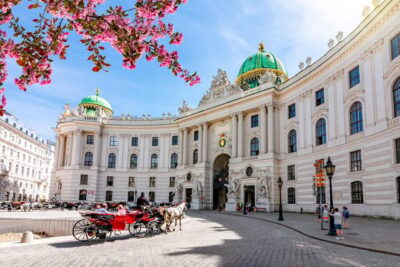
Skip-the-Line Hofburg and Empress Sisi Museum Tour
Read our review →
Combo Ticket: Kunsthistorisches Museum & Imperial Treasury
Read our review →Browse the lists this tour appears in