
Reviewed · MUSEUMS
Vienna: Jewish Museum Vienna and Museum Judenplatz Tickets
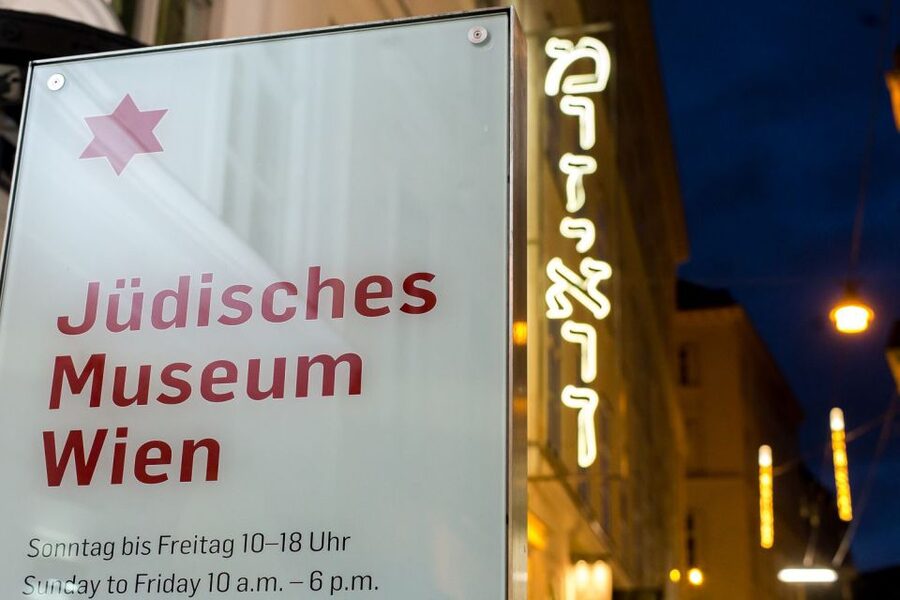
Vienna’s Jewish story rewards a slower morning. I like the way the Jewish Museum Vienna connects everyday Jewish life with persecution, survival, and the postwar community, rather than treating the past as a sealed chapter. I also like that one ticket covers both Dorotheergasse and Museum Judenplatz, two central museums with very different strengths.
The main consideration is that parts of the Dorotheergasse exhibition feel text-heavy. One visitor found it a little like reading a book, and that is fair. The audio guide helps, but you should allow time for reading and reflection rather than expecting a fast, spectacle-filled museum visit.
In This Review
- Key points to know before you go
- What this ticket actually covers
- Starting at Dorotheergasse, inside the old palace
- Why the exhibition begins after 1945
- Moving backward from the Middle Ages to the Holocaust
- The audio guide and the pace of the visit
- Museum Judenplatz and the medieval synagogue
- Temporary exhibitions and changing material
- What makes the visit worthwhile
- Who should visit, and who may want something else
- Is $17 good value?
- Should you book the Jewish Museum Vienna ticket?
- FAQ
- What does the ticket include?
- Where is the Jewish Museum Vienna located?
- Where is Museum Judenplatz located?
- How long is the ticket valid?
- Is an audio guide included?
- What can I see at Museum Judenplatz?
- What does the permanent exhibition cover?
- Are there temporary exhibitions?
- Is the experience wheelchair accessible?
- Can I cancel for a full refund?
Key points to know before you go
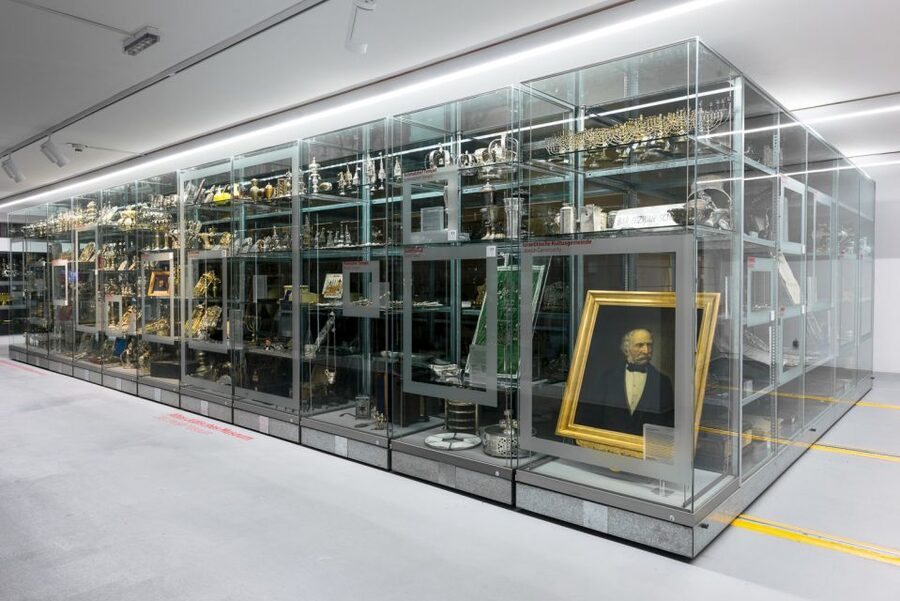
- Two museums, one ticket: Visit the palace near St. Stephen’s Cathedral, then continue to Museum Judenplatz for the remains and 3D reconstruction of the medieval synagogue.
- A modern starting point: The Dorotheergasse exhibition begins with Jewish Vienna from 1945 to today before moving backward into earlier centuries.
- A clear view of persecution and survival: The displays address discrimination, suffering, and the Holocaust without reducing Jewish life to tragedy alone.
- Useful audio support: English and German audio guides add context to the objects and displays.
- Easy to spread across several days: The ticket is valid for three days from first activation, with ticket information also stating four days from the date of issue, so check your booking details carefully.
- Good value at $17: If you visit both locations, the price is modest for two museums in central Vienna.
What this ticket actually covers
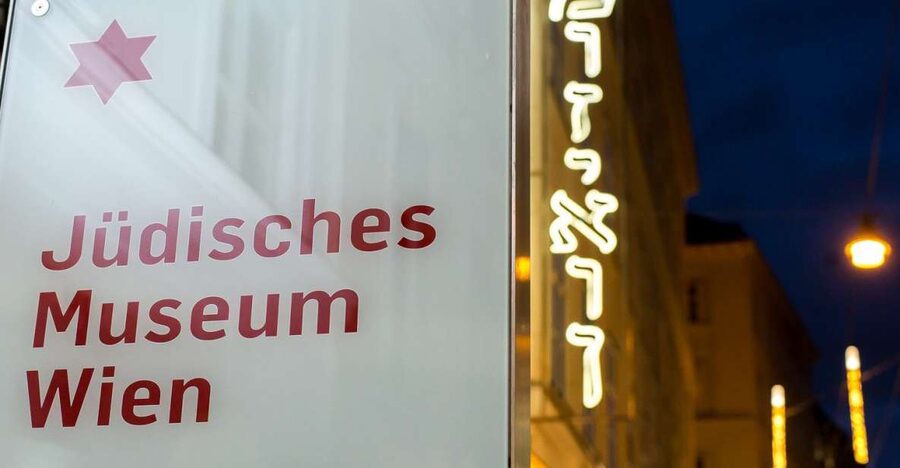
This is a two-site museum visit rather than a single guided tour. Your ticket includes the Jewish Museum Vienna at Dorotheergasse 11 and Museum Judenplatz at Judenplatz 8, both in Vienna’s first district.
The two locations sit close to major sights, including St. Stephen’s Cathedral, so you can fit them into a central Vienna walking day. The ticket is valid for three days from first activation. The supplied ticket information also says it is valid for four days from the date of issue, which is worth checking on your voucher before planning a multi-day visit.
At $17 per person, the value depends on using both sites. A quick visit to only one museum makes the price less compelling, but the two locations work well together. One gives you a broad view of Jewish Vienna across the centuries. The other focuses on the medieval community and the synagogue remains at Judenplatz.
You can cancel up to 24 hours before the visit for a full refund, and the reserve-now, pay-later option keeps your plans flexible. The museums are wheelchair accessible. Audio guides are available in English and German.
More Attraction Tickets in Vienna
- Vienna: Classic Ensemble Vienna in St. Peter’s Church Ticket
★ 4.7 · 4,819 reviews - Vienna Kunsthistorisches Museum Day Admission Ticket
★ 4.6 · 3,690 reviews - Vienna: Tickets for Mozarthaus Vienna with Audio Guide
★ 4.2 · 2,344 reviews
Starting at Dorotheergasse, inside the old palace
The main museum is at Dorotheergasse 11, in an old palace near St. Stephen’s Cathedral. That setting gives the visit a distinctly Viennese feel. You are not entering a large modern complex on the edge of town. You are stepping into the historic center, where the museum’s subject is tied directly to the city around you.
The museum’s permanent exhibition is called Our City! Jewish Vienna, Then to Now. Its design asks you to think about Jewish life as part of Vienna’s urban story, not as a separate subject sitting outside it.
That framing matters. Jewish Vienna is presented through homes, communities, religious life, collecting, work, and cultural activity, as well as through expulsion, discrimination, and murder. You get a fuller picture of people who built lives in the city and maintained those lives through repeated pressure.
The collection is placed in historical context, and the displays connect objects with their original settings. That can mean a synagogue, a private collection, or a collector such as Max Berger or Martin Schlaff. These details help explain why an object is in the museum and what happened to it before reaching the display case.
Why the exhibition begins after 1945
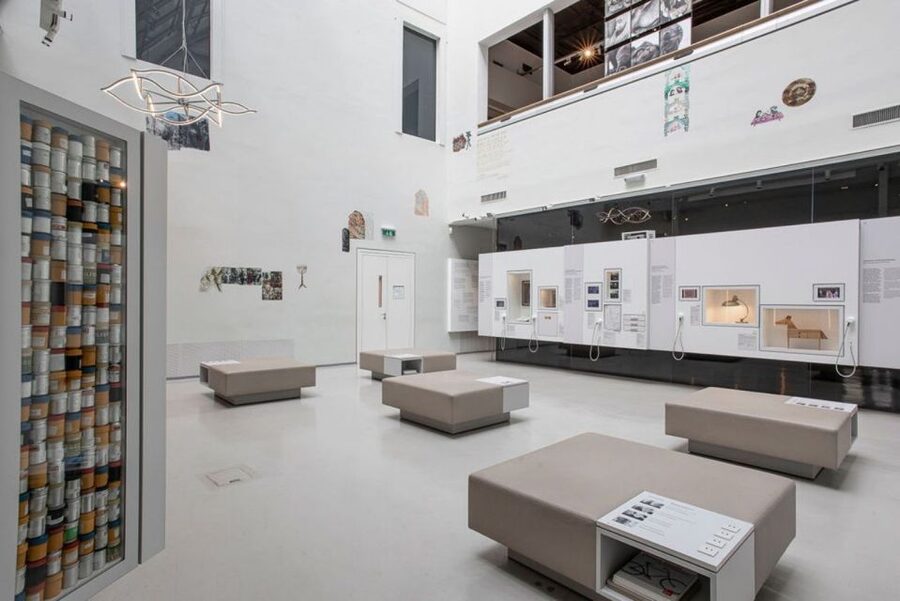
On the ground floor, the permanent exhibition starts with Jewish Vienna from 1945 to the present. This is an unusual and useful choice. Many museums begin with the distant past and move toward the Holocaust, but here you first see what happened after the destruction.
The postwar section shows how a Jewish community that had been almost completely destroyed developed again over time. The community remained modest in size, but it was not presented as silent or frozen. It became varied and active despite resistance from Austrian postwar policies.
This section gives the later historical material an important frame. You see that 1945 was not a clean ending. The Holocaust left survivors, absences, damaged institutions, and difficult political questions. Jewish life in Vienna continued, but not without obstacles.
I find this opening especially valuable if you know little about postwar Austria. It helps you understand that the story does not stop when the war ends. The museum also links the past with present-day Jewish life, making the visit relevant beyond a standard historical timeline.
Do not rush this floor. The information can be dense, and some displays ask you to read carefully. If you prefer museums built around large objects and dramatic visual effects, this section may feel quiet. If you want a careful account of how a community rebuilt itself, it earns your time.
Moving backward from the Middle Ages to the Holocaust
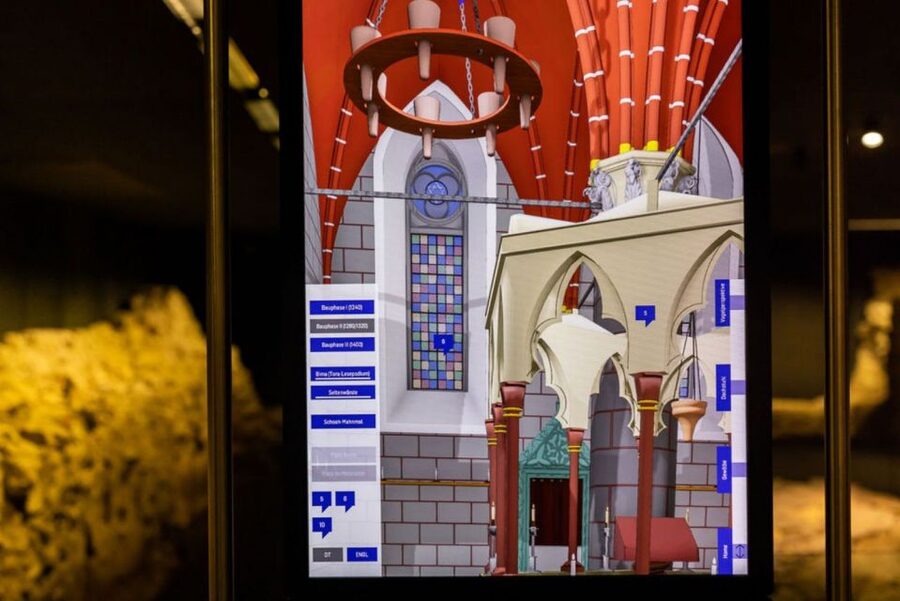
After the present-day section, the exhibition takes you back to Jewish Vienna from the Middle Ages through the Holocaust. This reverse movement can feel slightly unexpected, but it works. You first meet Jewish Vienna as a living community, then learn how earlier events shaped the city and its people.
The displays cover Jewish history, religion, and traditions in Austria. The objects are not shown as isolated antiques. They are presented with information about their use, ownership, and original setting.
That approach is one of the museum’s strongest features. A religious item, household object, or document can tell you more when you know the community that used it. The museum’s collection becomes a record of ordinary life, not simply a collection of beautiful things.
The historical material also makes clear that Jewish communities faced recurring discrimination and danger long before the Second World War. At the same time, the museum does not reduce Jewish history to a list of disasters. It gives space to work, faith, family, culture, and the effort required to maintain a community under pressure.
The treatment of suffering is frank but not morbid. That balance matters, especially for families. The material is serious, but the visit is not built around shock. Children, teenagers, and adults can all find a useful level of entry, provided younger visitors are ready for difficult subjects.
More museums:
- Vienna: Skip-the-Line Sisi Museum, Hofburg and Gardens Tour
★ 4.8 · 5,918 reviews - Tickets for the Albertina Exhibitions
★ 4.7 · 2,126 reviews - Vienna: Chocolate Workshop in Chocolate Museum w/ Tasting
★ 4.5 · 1,802 reviews - Sigmund Freud Museum Ticket
★ 4.6 · 1,668 reviews
The audio guide and the pace of the visit
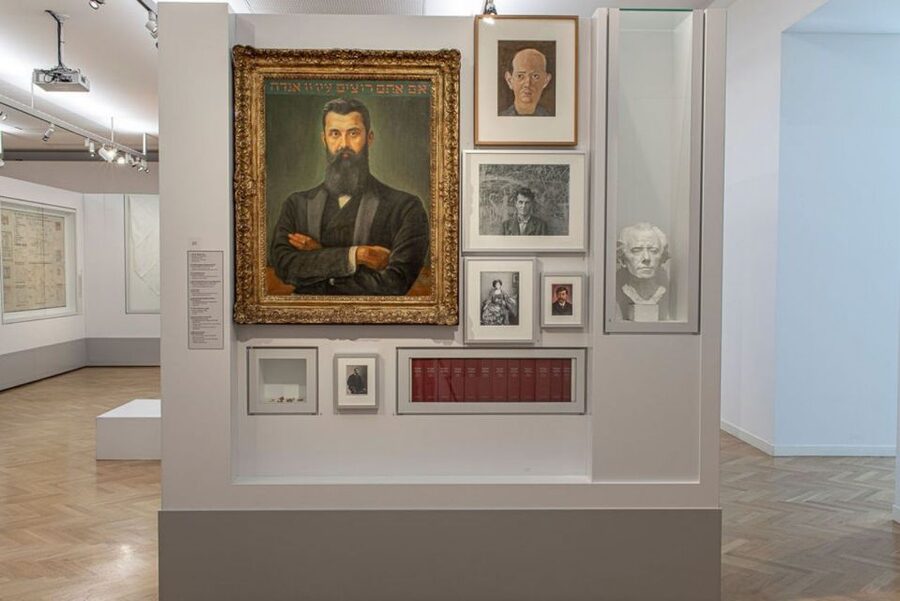
The English and German audio guides add another layer to the museum. I recommend using one if you want help connecting the objects with their wider setting. It is particularly useful when the written panels begin to feel dense.
Still, the audio guide does not turn the museum into a short, effortless experience. You will need to look, listen, and read. Plan for a slower pace, with occasional pauses to sit and think.
The museums have places to sit, which is helpful because the subject matter is demanding and the exhibitions reward attention. You can visit both locations in a morning if you move steadily, but that leaves less time for the smaller details. I would allow a full morning for a solid first visit, or split the museums across two days if the ticket timing works for your plans.
Some people may find the presentation too much like reading a book. That criticism should not be ignored. The museum asks you to do real interpretive work. It is less suited to someone looking for a quick visual hit and better suited to someone who wants clear historical explanation.
Museum Judenplatz and the medieval synagogue
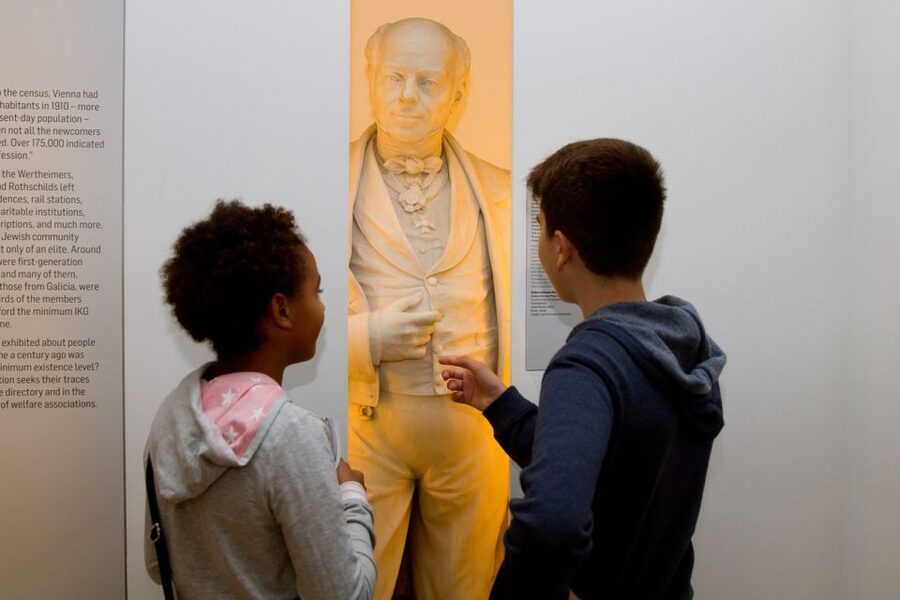
Museum Judenplatz offers a different experience. Its focus is the medieval Jewish community and the foundations of the synagogue that once stood there.
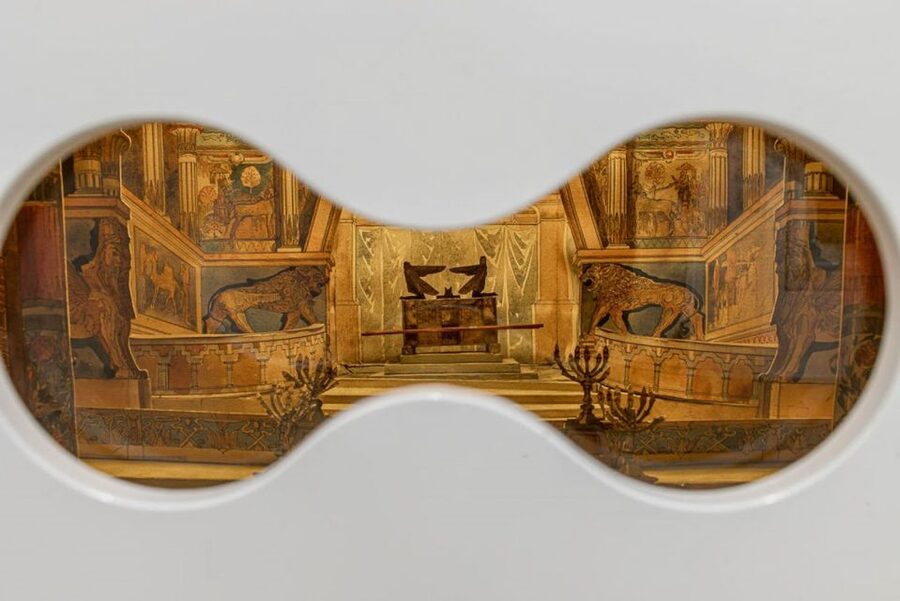
The remains are powerful because they are physical and specific. Instead of only reading about medieval Jewish life, you can see the vestiges of the building itself. A 3D reconstruction helps you picture the synagogue as it may have appeared, giving shape to a site that otherwise might be difficult to understand.
This location works best after, or alongside, the broader Dorotheergasse museum. The first site gives you the long story. Judenplatz brings you to one important place within that story.
The setting also makes the history feel close to the city’s present streets. You are looking at archaeological remains in central Vienna, not a reconstructed village designed only for museum use. That contrast between modern surroundings and medieval foundations is part of the experience.
Museum Judenplatz is smaller and more focused, so it can be easier to absorb. It also gives you a break from the larger timeline. I would not treat it as an optional extra. It is included in the ticket and provides the clearest physical connection to Vienna’s medieval Jewish community.
Temporary exhibitions and changing material
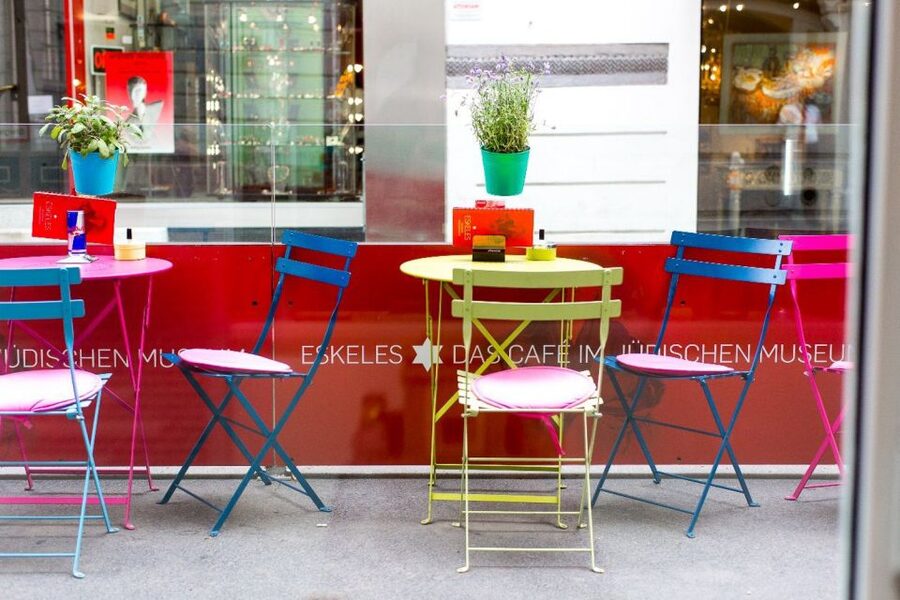
Both Dorotheergasse and Museum Judenplatz host temporary exhibitions and events. These shows cover different parts of Jewish history, culture, religion, and memory.
Because temporary displays change, I would check what is scheduled at the time of your visit. They may add a fresh angle to the permanent exhibitions or focus on a subject that matters especially to you.
This is also why the multi-day validity can be useful. You do not have to force both museums into one hurried block between cathedral visits and coffee stops. If your schedule allows, you can visit one site, think about it, then return to the second on another day.
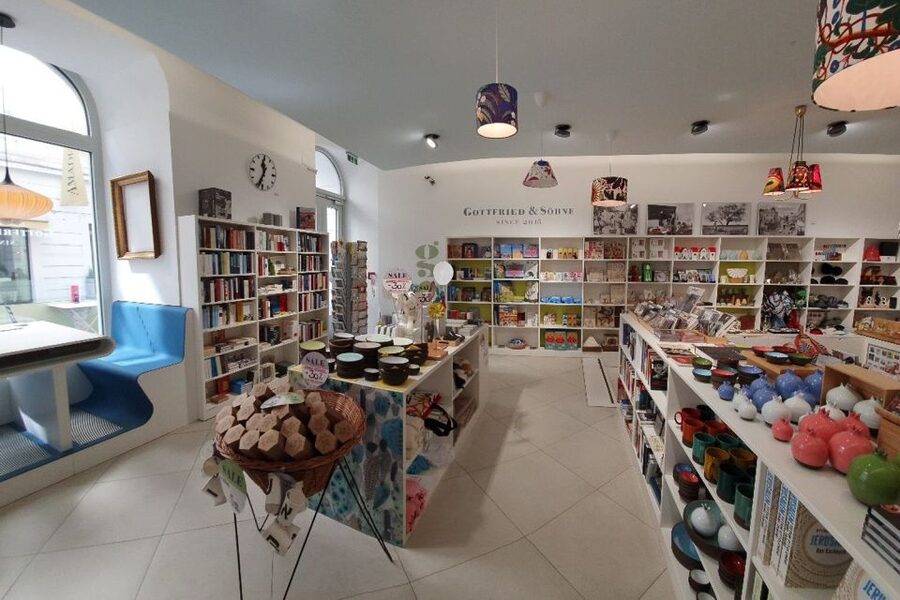
The museum shop is another worthwhile stop. It sells books, including fine editions, although English-language choices may be limited at times. If you want to read more in English, check availability before assuming the shop will have the title you want.
What makes the visit worthwhile
The strongest reason to go is the fuller version of Vienna you take away with you. The city is often sold through imperial buildings, music, coffeehouses, and grand public spaces. Those subjects matter, but they do not tell the whole story.
The Jewish Museum adds a necessary viewpoint. It shows Jewish people as part of Vienna’s civic, religious, and cultural life, while also facing exclusion and violence. The result is not a side note to Austrian history. It is part of the city’s history.
I also value the museum’s honesty. The displays confront suffering and the Holocaust directly, yet they do not present Jewish life only through loss. You see the effort to build and maintain a community across centuries, then the enormous damage caused by persecution and war.
This can be a thought-provoking visit in the present political climate. It asks you to remember what happened without turning memory into a slogan. You leave with questions, which is a good sign for a history museum.
Who should visit, and who may want something else
I would recommend this experience to anyone who wants more than Vienna’s familiar imperial story. It is especially useful if you know little about Jewish life in Austria or Central Europe. The exhibitions provide a strong starting point for further reading.
Families with older children and teenagers can also benefit. The museums are considered suitable for children, teens, and adults, though parents should be ready to explain difficult material about persecution and the Holocaust.
History readers, museum lovers, and visitors interested in religion or cultural identity will get the most from the displays. The two locations also suit independent visitors because the audio guide provides support without requiring a scheduled group tour.
You may want to choose another attraction if you have only a few minutes or dislike text-heavy exhibitions. The museums are not designed as a quick photo stop. Their value comes from taking time with the explanations and allowing the subjects to develop.
If you want a guided experience, note the names Miki, Wolfgang, and Victoria, who have been praised for adding context and explaining the subject with care. The ticket information itself promises audio guides in English and German, not a personal guide, so confirm what type of visit you are booking.
Is $17 good value?
At $17, the ticket is fairly priced if you visit both museums. You receive access to the main Jewish Museum Vienna and Museum Judenplatz, along with permanent displays, temporary exhibitions available during your visit, and audio support in English or German.
The value improves if you use the ticket over more than one day. The stated validity details are slightly inconsistent, with one part saying three days from first activation and another saying four days from issue. Check the final ticket wording, then plan around the shorter period if you want to avoid a surprise.
There is no need to add paid transport to the plan based on the information provided. Both meeting points are in central Vienna, and the museums can be paired with other first-district sights.
I would not buy this ticket solely for a quick look at the synagogue remains. Museum Judenplatz is important, but the main museum supplies the wider meaning and makes the combined price worthwhile.
Should you book the Jewish Museum Vienna ticket?
Yes, if you want to understand Vienna beyond its imperial surface. Book it if you can give the subject a calm morning, use the audio guide, and visit both locations rather than treating Judenplatz as an afterthought.
The best plan is to begin at Dorotheergasse, take time with the postwar section, then work back through the earlier history. Continue to Judenplatz for the medieval synagogue foundations and 3D reconstruction. If temporary exhibitions interest you, use the multi-day validity to avoid rushing.
Skip it only if your schedule is so tight that you can spare just a few minutes, or if you strongly prefer museums with little reading. For most visitors who want an honest, thoughtful account of Jewish Vienna, $17 buys a meaningful addition to a city visit.
FAQ
What does the ticket include?
It includes entry to both the Jewish Museum Vienna on Dorotheergasse and Museum Judenplatz.
Where is the Jewish Museum Vienna located?
The main museum is at Dorotheergasse 11, 1010 Vienna, Austria.
Where is Museum Judenplatz located?
Museum Judenplatz is at Judenplatz 8, 1010 Vienna, Austria.
How long is the ticket valid?
The activity information says the ticket is valid for three days from first activation. The ticket description also says tickets are valid for four days from the date of issue, so check your booking details for the exact validity period.
Is an audio guide included?
Yes. Audio guides are included in English and German.
What can I see at Museum Judenplatz?
You can see the foundations and remains of the medieval synagogue, along with a 3D reconstruction.
What does the permanent exhibition cover?
The permanent exhibition, Our City! Jewish Vienna, Then to Now, covers Jewish life in Vienna from the Middle Ages to the present, including the Holocaust and the postwar community.
Are there temporary exhibitions?
Yes. Both museum locations offer temporary exhibitions and events.
Is the experience wheelchair accessible?
Yes, the activity information states that it is wheelchair accessible.
Can I cancel for a full refund?
Yes. You can cancel up to 24 hours in advance for a full refund.
Just added around Vienna
- Mobile puzzle rally tour at the Vienna Central Cemetery★ 4.5 · 3 reviews
- 8 days European Highlights PRIVATE TOUR from Budapest including Budapest Vienna Prague and Bratislava★ 5.0 · 3 reviews
- RAXI (E-Rickschaw) big private Vienna tour★ 4.5 · 3 reviews
- Private Transfer from Vienna to Prague with 1 hour Stop in Kutna Hora★ 4.5 · 3 reviews
- Palais Lobkowitz Audio Guide Tour★ 4.0 · 3 reviews
- Private Tour from Vienna to Melk and Dürnstein★ 4.5 · 3 reviews
- Vienna: Designer Fashion Time Capsule Experience★ 5.0 · 3 reviews
- Private day trip from Munich to Eagle’s Nest & Hallstatt★ 4.7 · 3 reviews
Museums, compared.

Skip-the-Line Sisi Museum, Hofburg and Gardens Tour
Read our review →
Vienna Kunsthistorisches Museum Day Admission Ticket
Read our review →

Chocolate Workshop in Chocolate Museum w/ Tasting
Read our review →

St. Stephen’s Cathedral & Dom Museum Wien Tickets
Read our review →
Browse the lists this tour appears in