
Reviewed · MUSEUMS
Vienna: Klimt Villa (Gustav Klimt Atelier & Museum) Ticket
Klimt’s last studio still feels close. The Klimt Villa gives you a rare look at the room where Gustav Klimt worked from 1911 until his death in 1918, along with the garden that surrounded his creative life. I especially like the preserved studio and the serious Klimt Lost exhibition, which adds difficult but necessary context about stolen art and restitution.
The garden is another pleasure, particularly from mid-May through late June when the historic Damask roses bloom. The main drawback is scale: this is a focused museum, not a large collection filled with original Klimt paintings. The first-floor gallery can also be closed for a private event, and the garden café only opens on fair-weather weekends from May through September.
In This Review
- Key points to know before you go
- Why Klimt’s last studio matters
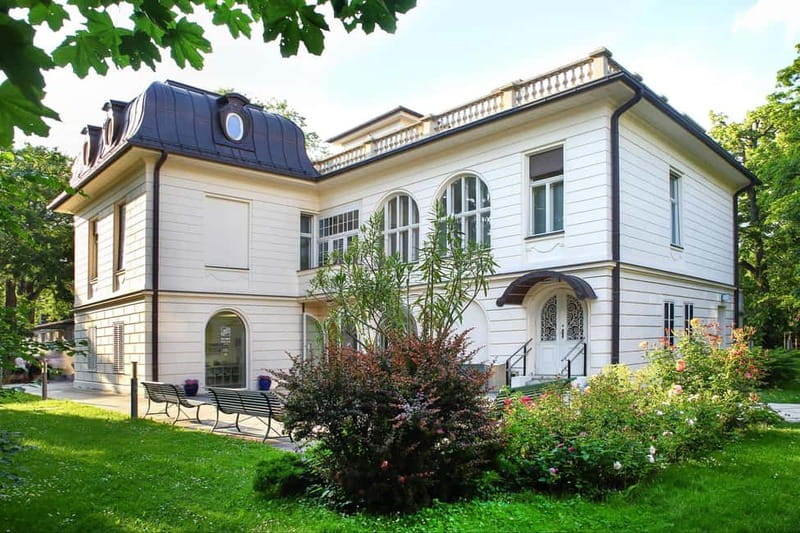
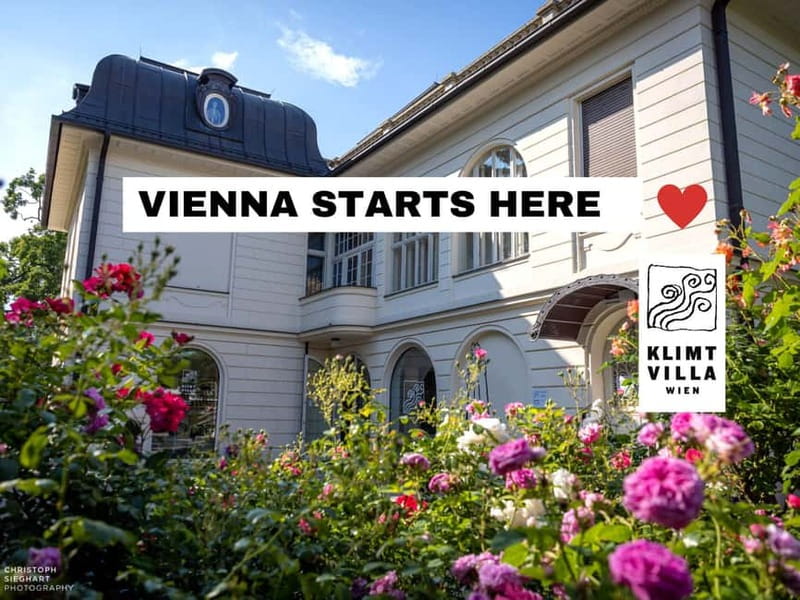
- Entering the two-story neo-baroque villa
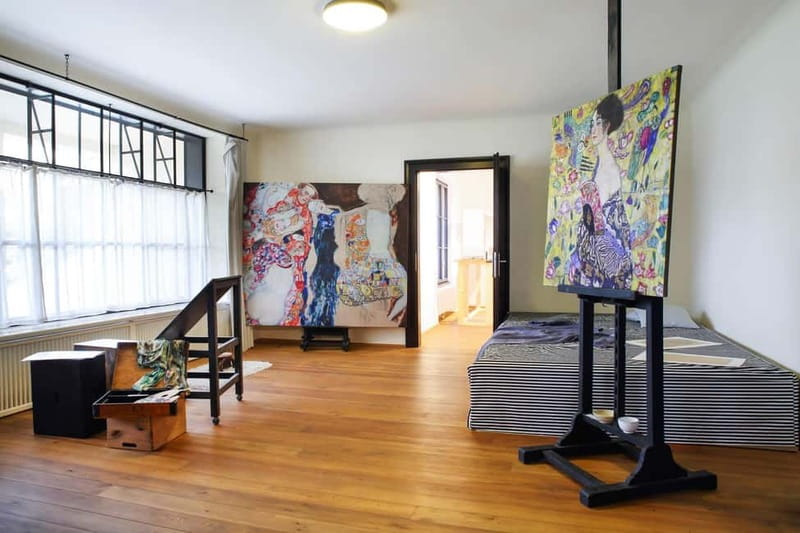
- Seeing the reconstructed studio and reception room
- Taking time with Klimt Lost
- Walking among the Klimt Roses
- Checking the first-floor print gallery
- Is the $11 ticket good value?
- Practical details that can make the visit smoother
- Who should book the Klimt Villa?
- Should you book this Vienna Klimt experience?
- FAQ
- Where is the Klimt Villa located?
- What does the Klimt Villa ticket include?
- How long is the ticket valid?
- Can I see Gustav Klimt’s final studio?
- Is the Klimt Lost exhibition included?
- Is there an audio guide?
- Is the Garden Café always open?
- Is the Klimt Villa wheelchair accessible?
Key points to know before you go
- Klimt’s final workplace: See the reconstructed studio and reception room where he worked from 1911 to 1918.
- Klimt Lost exhibition: Learn how National Socialism led to the persecution of Klimt’s collectors, the looting of artworks, and long fights for restitution.
- Klimt Rose season: The restored garden’s Damask roses usually bloom from mid-May through late June.
- Small admission price: At $11 per person, the ticket is good value for anyone interested in Klimt, Viennese Modernism, or art provenance.
- Optional audio support: A smartphone guide is available in 13 languages, while labels and descriptions are in German and English.
- Easy, flexible visit: Your ticket is valid for one day, with free cancellation up to 24 hours ahead and a reserve-now, pay-later option.
Why Klimt’s last studio matters
Gustav Klimt is often associated with gold leaf, elaborate patterns, and portraits such as Adele Bloch-Bauer. The Klimt Villa shows a quieter side of his career. Here, you are not simply looking at finished pictures on a wall. You are seeing the setting connected to the final years of his working life.
Klimt used this site from 1911 until 1918. During that period, he worked on major pieces including Adele Bloch-Bauer II, Friederike Beer, The Bride, Adam and Eve, and Lady with Fan. The villa therefore carries value even though the original masterpieces are elsewhere.
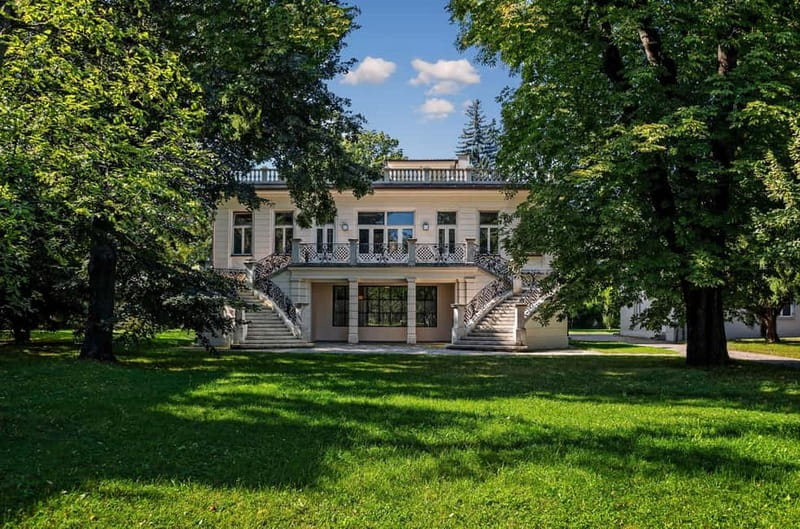
The building’s own story is unusual. Klimt’s original workplace began as a ground-floor garden house. After his death, the site changed into the neo-baroque, two-story villa you see today. A room-in-room construction helped preserve the original place of work within the later building.
That detail changes how you read the museum. The building is not simply an old house decorated to resemble an artist’s studio. Its design was shaped around the need to protect and present Klimt’s working rooms. The reconstructed studio and reception room are the visit’s central sights.
Do not expect a large selection of original Klimt paintings. The experience is about place, memory, and context. If you want Klimt’s most famous canvases, you will need other museums in Vienna. If you want to understand where his late work was made, this small stop offers something those galleries cannot.
More Attraction Tickets in Vienna
- Vienna: Classic Ensemble Vienna in St. Peter’s Church Ticket
★ 4.7 · 4,819 reviews - Vienna Kunsthistorisches Museum Day Admission Ticket
★ 4.6 · 3,690 reviews - Vienna: Tickets for Mozarthaus Vienna with Audio Guide
★ 4.2 · 2,344 reviews
Entering the two-story neo-baroque villa
You start at the Klimt Villa Ticket Shop. The activity ends back at the same meeting point, so the visit is simple to organize around other plans in Vienna. Your ticket is valid for one day, and you should check availability for the current starting times before booking.
The villa itself helps set the mood. Its neo-baroque form reflects the building’s later transformation, while the preserved studio points back to the more modest garden house that Klimt used. This contrast is one of the most interesting parts of the visit: a working artist’s setting was gradually turned into a place of public memory.
The interior is best taken at a calm pace. Move first toward the studio and reception room, then give yourself time for the historical exhibition. Afterward, walk through the garden and check the upper-floor gallery if it is open.
The museum does not present itself as a long, exhausting attraction. That is good news if you are building a full day in Vienna. You can spend a meaningful hour or two here, depending on how closely you read the displays and how long you linger in the garden. A precise visit length is not given, so plan around your own pace rather than a fixed schedule.
Seeing the reconstructed studio and reception room
The studio is the heart of the Klimt Villa. The room-in-room construction helped retain the original place of work, making this more than a standard display of furniture or reproductions.
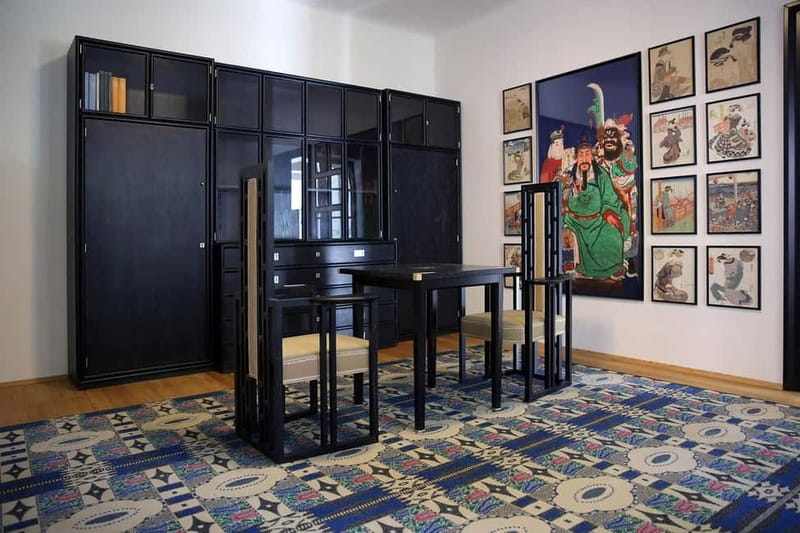
The reception room adds another useful layer. It lets you picture the villa as a place where Klimt received people, worked on commissions, and lived within the routines of his final years. The rooms are valuable because they connect his art to an actual working environment.
I like this part best for travelers who already know a little about Klimt, but it also works for newcomers. You do not need to identify every painting to appreciate the room itself. The physical setting makes Klimt’s career feel less abstract.
At the same time, keep your expectations in check. A preserved studio cannot show you every stage of the creative process, and the museum is not a substitute for a major Klimt collection. The attraction succeeds through atmosphere and historical connection rather than quantity.
The studio visit also works well as a counterpoint to Vienna’s grand museums. Large institutions show Klimt as a celebrated modern artist. The villa shows the person at work in a particular place, during the last chapter of his life.
Taking time with Klimt Lost
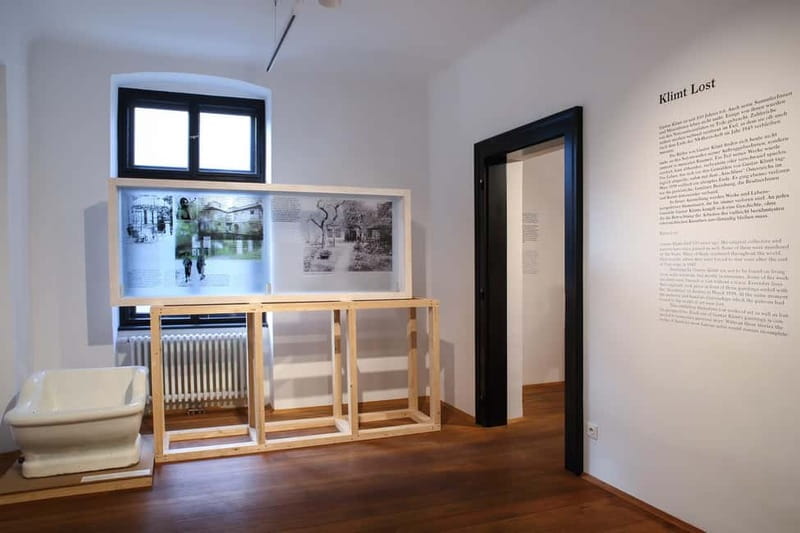
Klimt Lost is the most sobering part of the experience. The exhibition examines the persecution and looting of Klimt’s collectors and works during National Socialism. It also follows the later lives of surviving collectors and their often decade-long efforts to recover art and obtain justice.
This subject matters because Klimt’s paintings are not only beautiful objects. Many have complicated ownership histories. A museum visit that focuses only on style and fame can leave out the people who lost homes, collections, and family possessions. Klimt Lost puts those human stories back into the picture.
The exhibition asks you to think about what happens after art is stolen. Some works disappeared. Others survived but changed hands under coercion or through arrangements shaped by persecution. The long legal and personal fights over restitution show why ownership questions can remain unsettled for decades.
I recommend reading this section carefully rather than treating it as a quick passage between the studio and the garden. It may feel heavier than the rest of the visit, but that is part of its value. It gives you a more honest understanding of the history surrounding Klimt’s collectors and works.
Labels and descriptions are available in German and English. An optional smartphone guide service adds support in 13 languages. The listed audio-guide languages include English, French, German, Italian, Spanish, Polish, Korean, Chinese, Czech, Portuguese, Hungarian, Russian, Japanese, Greek, Romanian, Turkish, Danish, Dutch, and Hindi. Check the current guide options when you arrive, since the general information describes the service as available in 13 languages while the full language list is broader.
More museums:
- Vienna: Skip-the-Line Sisi Museum, Hofburg and Gardens Tour
★ 4.8 · 5,918 reviews - Tickets for the Albertina Exhibitions
★ 4.7 · 2,126 reviews - Vienna: Chocolate Workshop in Chocolate Museum w/ Tasting
★ 4.5 · 1,802 reviews - Sigmund Freud Museum Ticket
★ 4.6 · 1,668 reviews
Walking among the Klimt Roses
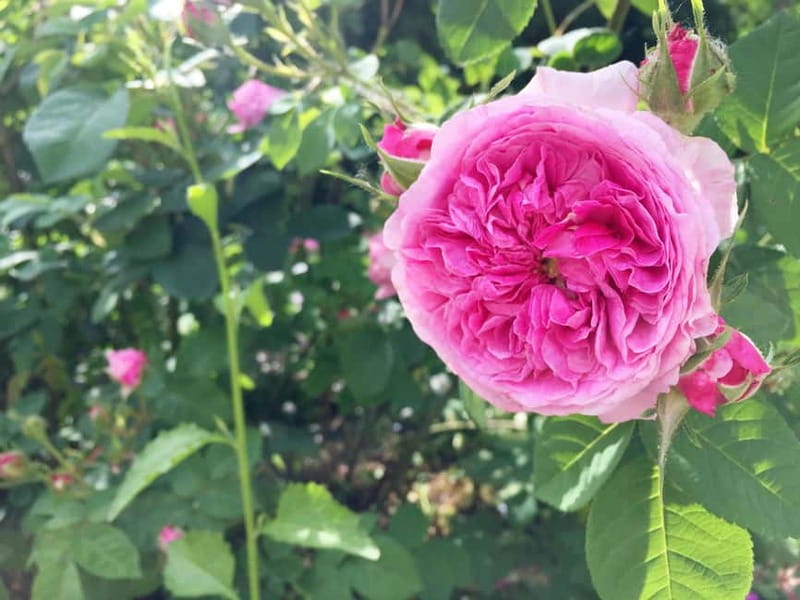
The garden gives the visit breathing room after the indoor displays. It is spacious, restored over time, and designed to keep the site’s historic character. You get a sense of the floral setting that once surrounded Klimt’s studio and influenced his work.
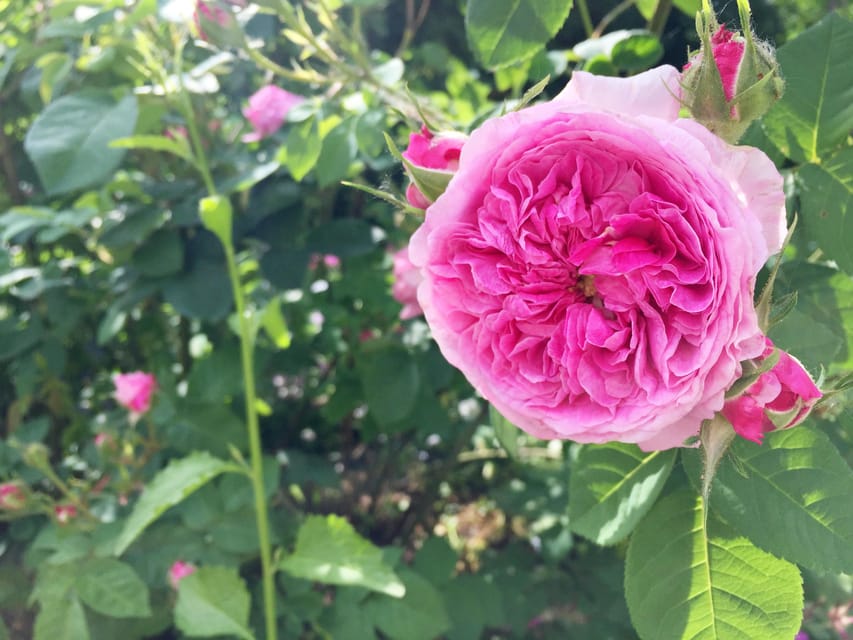
The most distinctive plants are the Damask roses, originally planted around 1900. They are now cultivated as the Klimt Rose. Their main blooming period is usually mid-May through late June, so this is the best time to visit if flowers are a priority.
Do not assume the garden will look exactly the same in every season. The roses are the special feature, but their bloom is limited. Outside that period, you can still walk through the grounds, though you will miss the garden’s most recognizable seasonal display.
The garden is also useful if you need a quiet pause after Klimt Lost. You can reflect on the exhibition without rushing straight into another indoor room. The combination of art, difficult history, and plants gives the villa a different rhythm from a conventional gallery visit.
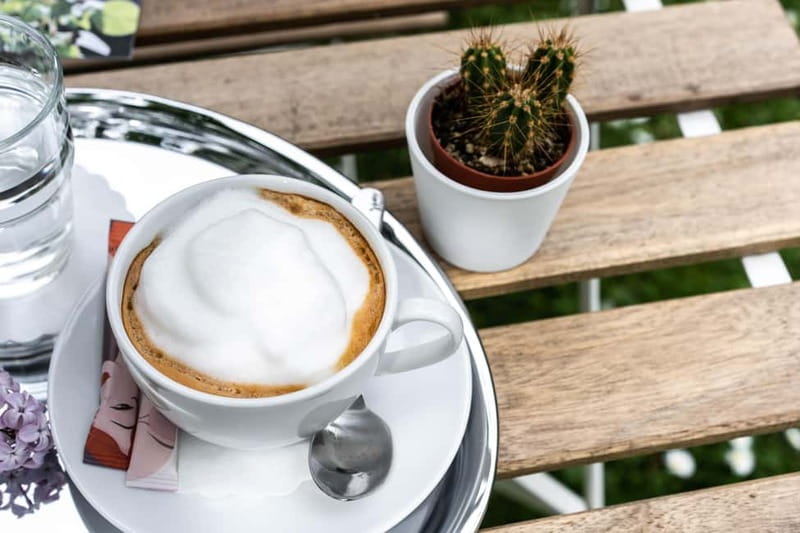
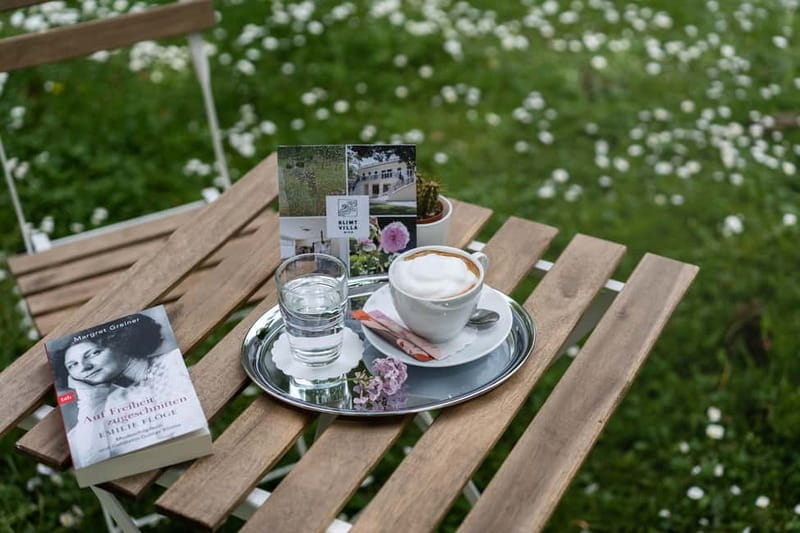
From May through September, the Garden Café opens on weekends in fair weather. Coffee and cake in the garden fit the setting perfectly, but treat this as a bonus rather than a guaranteed part of your plan. Food and drinks are not allowed inside the museum, and poor weather can close the café.
Checking the first-floor print gallery
The first-floor gallery offers high-quality light prints and reproductions of works by Gustav Klimt, Egon Schiele, and Oskar Kokoschka. It provides a window into the three major names associated with Viennese Modernism.
This area is useful if you want to compare Klimt’s decorative style with the sharper, more unsettled work connected with Schiele and Kokoschka. Because these are print editions and reproductions rather than a major display of original paintings, the gallery is best viewed as an added resource, not the main reason to buy the ticket.
Access is not guaranteed. The room may be reserved for a private event, so do not build your entire visit around it. The studio, reception room, garden, and Klimt Lost exhibition remain the dependable core of the experience.
If the gallery is open, it can be a good place to find a souvenir or a visual reminder of Vienna’s modern-art tradition. If it is closed, the $11 ticket still covers the main museum areas and garden.
Is the $11 ticket good value?
At $11 per person, the Klimt Villa is reasonably priced for Vienna. The ticket includes entrance to the villa and garden, Klimt’s final studio, and the Klimt Lost exhibition. You are paying for a compact, focused experience rather than a full museum day.
The value is strongest if you care about one or more of these subjects:
- Gustav Klimt’s working life
- Vienna around the period of Viennese Modernism
- The history of stolen art and restitution
- Historic gardens and artist homes
- A short cultural stop with a low admission cost
The price is less compelling if you want to see many original Klimt paintings. This site is not presented as a large collection, and its main strength is the preserved setting. You should pair it with other Vienna museums if your main goal is to study Klimt’s paintings in person.
The flexible booking terms also help. You can reserve now and pay later, and cancellation is free up to 24 hours before the visit for a full refund. That makes it easier to fit the villa into a changing Vienna schedule.
Practical details that can make the visit smoother
Start at the Klimt Villa Ticket Shop, then follow the indoor route before heading into the garden. Since the ticket is valid for one day, you have some flexibility around the available starting time.
Large bags and luggage are not allowed. Food and drinks must stay outside the museum, and smoking is prohibited indoors. Assistance dogs are allowed, but other pets are not.
The villa is wheelchair accessible. For language help, exhibition text is available in German and English, with an optional smartphone guide service. Bring a charged phone if you plan to use that guide.
The booking and admission process is designed to be straightforward. The ticket information indicates that entry is handled at the site, and the booking process has been described as working smoothly, with no waiting at admission and friendly, helpful staff. That is especially useful if you prefer a simple museum stop without a complicated arrival routine.
Allow extra time if you plan to visit during rose season or use the café. The garden can turn a quick indoor visit into a more relaxed outing, especially on a fair-weather weekend.
Who should book the Klimt Villa?
I would recommend this experience to anyone who wants to see where Klimt worked rather than only viewing his art in a formal gallery. It is also a strong choice for people interested in the ethical questions behind museum collections and restitution.
The villa suits a mixed-interest group because the visit has several layers. One person can focus on the studio, another on the history exhibition, and another on the garden and café. The $11 cost keeps the risk low if one part appeals more than the others.
Art-history beginners should find the visit manageable, especially with the optional guide. Fans of Klimt will appreciate the direct connection to his final years, while visitors with limited time can see the main rooms without committing to a full-day museum.
You may want to skip it if you are seeking a large number of original paintings, a lengthy guided tour, or a guaranteed café and gallery visit. The museum is focused, and two secondary features depend on conditions or availability.
Should you book this Vienna Klimt experience?
Yes, if you value atmosphere, a real connection to an artist’s working life, and a thoughtful account of stolen art. The preserved studio gives the Klimt Villa its special purpose, while Klimt Lost prevents the visit from becoming a purely decorative celebration of a famous painter.
Book during mid-May to late June if the Klimt Roses are important to you. Choose a weekend from May through September if you would like the possibility of coffee and cake in the garden, but remember that fair weather is required.
For $11, this is an easy cultural addition to a Vienna itinerary. Just arrive expecting a compact historic site with context and atmosphere, not a major Klimt painting collection.
FAQ
Where is the Klimt Villa located?
The Klimt Villa is in Vienna, Austria. You begin at the Klimt Villa Ticket Shop, and the activity ends back at the meeting point.
What does the Klimt Villa ticket include?
The ticket includes entrance to the Klimt Villa and its garden, access to Gustav Klimt’s final studio, and entry to the Klimt Lost exhibition.
How long is the ticket valid?
The ticket is valid for one day. Starting times depend on availability, so check the available options when booking.
Can I see Gustav Klimt’s final studio?
Yes. The visit includes Klimt’s final studio, along with the reception room. The preserved studio is the main highlight of the villa.
Is the Klimt Lost exhibition included?
Yes. Access to Klimt Lost is included in the ticket. The exhibition examines the persecution and looting of Klimt’s collectors and works during National Socialism, followed by the long efforts to seek restitution and justice.
Is there an audio guide?
An optional smartphone guide service is available. The listed language options include English, French, German, Italian, Spanish, Polish, Korean, Chinese, Czech, Portuguese, Hungarian, Russian, Japanese, Greek, Romanian, Turkish, Danish, Dutch, and Hindi.
Is the Garden Café always open?
No. The Garden Café opens on weekends from May through September in fair weather. Its opening is not guaranteed on every visit.
Is the Klimt Villa wheelchair accessible?
Yes, the activity is wheelchair accessible. Large bags and luggage are not allowed, food and drinks are not allowed inside, smoking is prohibited indoors, and assistance dogs are permitted.
Just added around Vienna
- Mobile puzzle rally tour at the Vienna Central Cemetery★ 4.5 · 3 reviews
- RAXI (E-Rickschaw) big private Vienna tour★ 4.5 · 3 reviews
- 8 days European Highlights PRIVATE TOUR from Budapest including Budapest Vienna Prague and Bratislava★ 5.0 · 3 reviews
- Private Transfer from Vienna to Prague with 1 hour Stop in Kutna Hora★ 4.5 · 3 reviews
- Palais Lobkowitz Audio Guide Tour★ 4.0 · 3 reviews
- Private Tour from Vienna to Melk and Dürnstein★ 4.5 · 3 reviews
- Vienna: Designer Fashion Time Capsule Experience★ 5.0 · 3 reviews
- Private day trip from Munich to Eagle’s Nest & Hallstatt★ 4.7 · 3 reviews
Museums, compared.

Skip-the-Line Sisi Museum, Hofburg and Gardens Tour
Read our review →
Vienna Kunsthistorisches Museum Day Admission Ticket
Read our review →

Chocolate Workshop in Chocolate Museum w/ Tasting
Read our review →

St. Stephen’s Cathedral & Dom Museum Wien Tickets
Read our review →

Browse the lists this tour appears in