
Reviewed · ATTRACTION TICKETS IN VIENNA
Entrance ticket Heidi Horten Collection Vienna
Vienna has a bold new art stop. The Heidi Horten Collection brings together major names from Klimt and Picasso to Warhol, Basquiat, and Rothko in a compact museum beside the State Opera and Albertina. I like the excellent central location and the free audio guide, which helps connect an unusual mix of 20th-century and contemporary art. The main caution is that the museum follows Heidi Horten’s personal taste rather than a traditional art-history sequence, so the displays may feel exciting to some and scattered to others.
At about $14.38 per person, this is a reasonably priced stop for anyone interested in modern art. You can spend one focused hour here, or two hours if you take your time with the audio material and temporary exhibition. The museum’s open architecture and dramatic presentation add real character, but the sound, light, and installation displays can make the visit feel busy.
In This Review
- Key points before you go
- A modern art museum in Vienna’s best location
- What to expect from Klimt ⇄ Warhol
- The Line: following one simple mark through art
- Light, sound, and sensory displays
- How long the visit takes
- Is $14.38 a fair price?
- Questions about the collection’s background
- Who will enjoy this museum most?
- Practical advice for your visit
- Should you book the Heidi Horten Collection?
- FAQ
- Where is the Heidi Horten Collection located?
- How much does admission cost?
- How long should I spend at the museum?
- Is the ticket available on a mobile phone?
- Is an audio guide included?
- What is Klimt ⇄ Warhol?
- When is The Line on display?
- Can I cancel the ticket for a refund?
Key points before you go
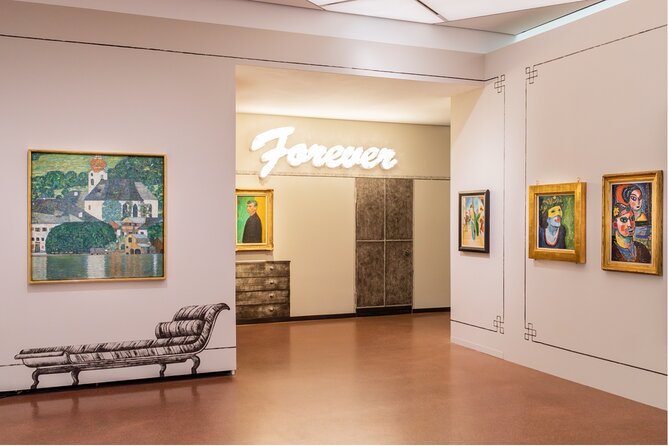
- A compact collection with major names: See works connected with Bacon, Baselitz, Basquiat, Chagall, Fontana, Haring, Klee, Klein, Klimt, Lichtenstein, Magritte, Nolde, Picasso, Rothko, and Warhol.
- The permanent exhibition is called Klimt ⇄ Warhol: It traces a broad path through modern and contemporary art rather than following a strict period-by-period museum plan.
- The Line runs from September 19, 2025, through March 8, 2026: The exhibition explores how artists use the line, with works by Paul Klee, Lucio Fontana, Roy Lichtenstein, Egon Schiele, Jackson Pollock, Agnes Martin, Andy Warhol, and Chiharu Shiota.
- The building is part of the experience: Open sightlines, unusual interior design, and an artful presentation make the museum feel different from Vienna’s more traditional galleries.
- The audio guide is included: You can use the museum’s free guide, also available through Smartify, to get more context than the labels alone provide.
- Plan on one to two hours: The museum is small enough to fit between major sights, especially the Albertina, Opera, and central Vienna walking routes.
A modern art museum in Vienna’s best location
The Heidi Horten Collection sits in the heart of Vienna, close to the State Opera and the Albertina. That location matters. You can easily add it after a visit to the Albertina, before a concert, or during a walk through the central district without setting aside half a day for transport.
The museum is also near public transportation, and most people can take part without special planning. Service animals are allowed. Your ticket is mobile, so you can keep it on your phone and avoid carrying another paper document through the city.
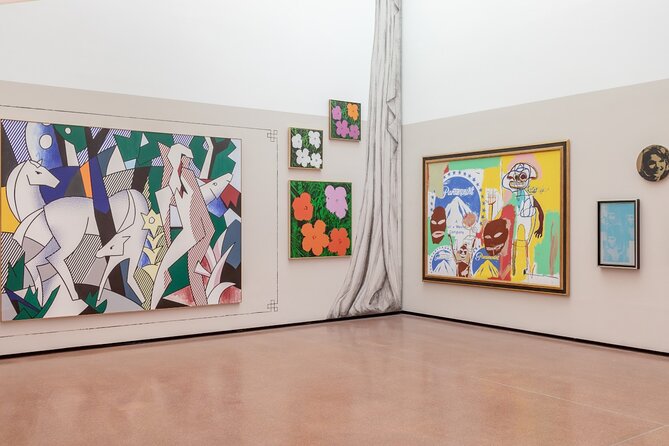
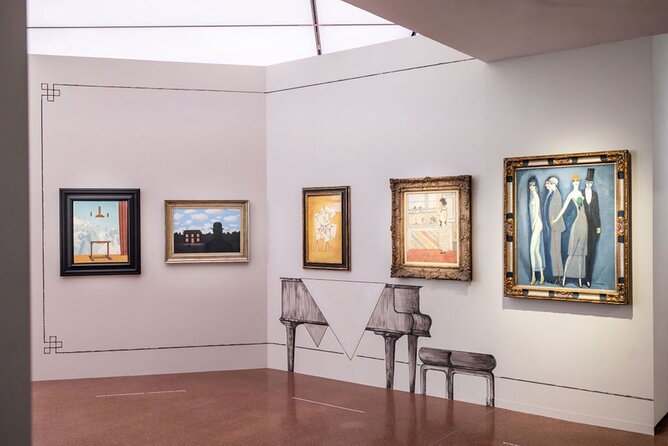
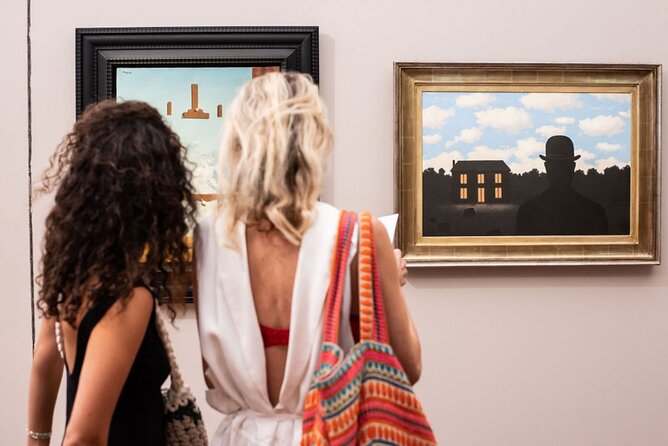
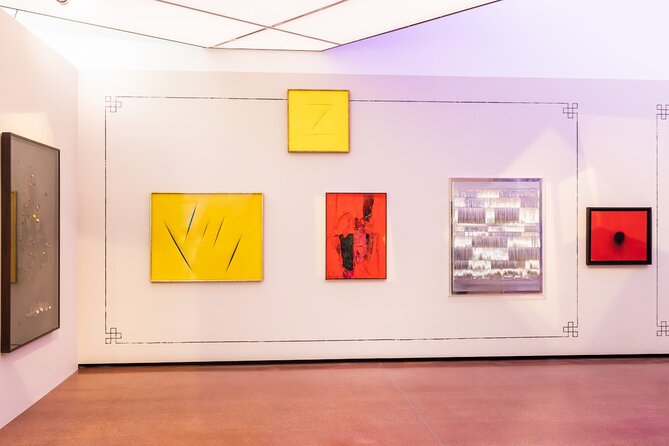
The setting is one of the museum’s strongest features. The architecture is spectacular, with open spaces and sightlines between rooms. Instead of placing every painting in a plain white box, the museum uses the interior itself to shape the visit. Walls, colors, furniture, and visual details become part of the presentation.
I enjoy this approach when I want art to feel less formal. It can make the visit more inviting, especially if you are not already comfortable in museums. At the same time, the design can compete with the art. A visitor looking for quiet, orderly rooms and long historical explanations may find the presentation distracting.
More Attraction Tickets in Vienna
- Vienna: Classic Ensemble Vienna in St. Peter’s Church Ticket
★ 4.7 · 4,819 reviews - Vienna Kunsthistorisches Museum Day Admission Ticket
★ 4.6 · 3,690 reviews - Vienna: Tickets for Mozarthaus Vienna with Audio Guide
★ 4.2 · 2,344 reviews
What to expect from Klimt ⇄ Warhol
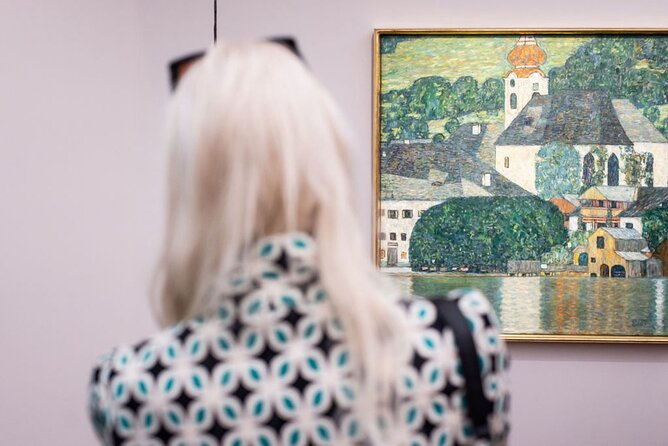
The permanent exhibition, Klimt ⇄ Warhol: Modern Masterpieces: Empowering Minds, Inspiring Hearts, occupies the ground floor. Its title gives you the basic idea. The display reaches from Vienna around 1900 into modern and contemporary art, with famous and less familiar artists sharing the same broad conversation.
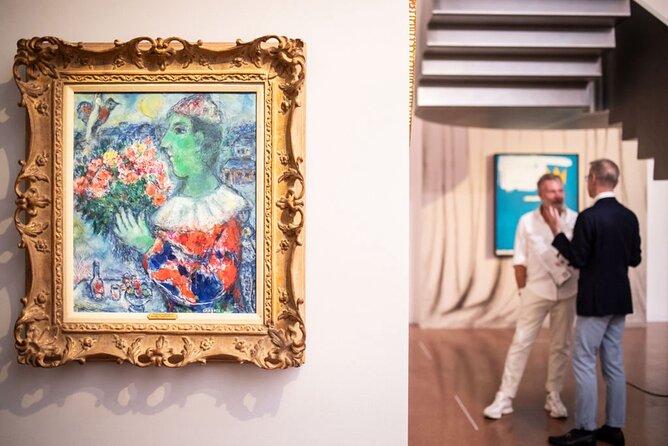
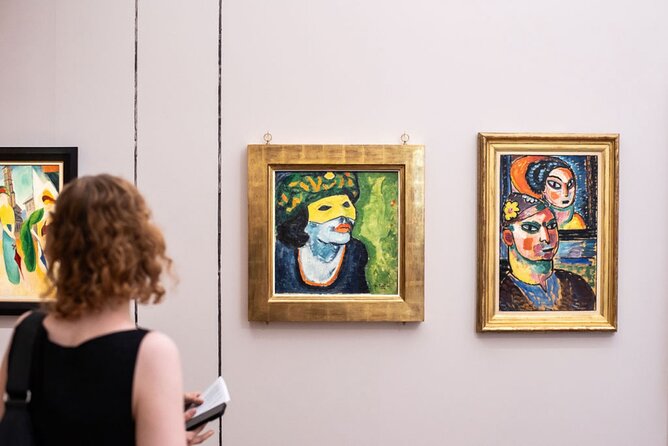
You may encounter names such as Gustav Klimt, Pablo Picasso, Francis Bacon, Jean-Michel Basquiat, Marc Chagall, Georg Baselitz, Keith Haring, Paul Klee, Yves Klein, Roy Lichtenstein, René Magritte, Emil Nolde, Mark Rothko, and Andy Warhol. The appeal is the chance to see powerful works by artists who normally appear in separate museums and separate chapters of art history.
The collection is based largely on Heidi Horten’s personal preferences. That is important to understand before you arrive. This is not a national museum arranged to tell the complete story of modern art. It is a selection built around one collector’s eye.
That can be liberating. You are not expected to march through a fixed timeline. A Klimt may lead to a Warhol, then to a Basquiat or Richter, with visual connections based on color, emotion, shape, or impact. If you enjoy making your own connections, the layout gives you plenty to consider.
It can also feel like an assortment rather than a single argument. The styles, dates, and subjects vary widely. Some people will find that thrilling. Others may want more explanation about why a particular work appears beside another.
The audio guide is especially useful here. It gives you a way to add structure to a display that can otherwise feel loose. I recommend using it instead of relying only on the room labels. The guide is included in the admission price, and the museum also provides access through Smartify, so you can consult it from home if you want to prepare in advance.
One interesting feature is public involvement in the selection of some works. A visitor account describes the opportunity to vote for creative works, which adds a more open and participatory note to a private collection. That does not turn the museum into a democratic survey of art, but it can make the display feel more approachable.
The Line: following one simple mark through art
If you visit between September 19, 2025, and March 8, 2026, the temporary exhibition is The Line. Its subject sounds simple, but the line can mean almost anything in art: a drawn outline, a nervous scratch, a geometric boundary, a gesture, a written mark, or a path through space.
The exhibition follows the line from Vienna around 1900 through the art of the 1960s and into the present. It includes artists from Europe, Africa, Asia, North America, and South America. That wider reach gives the show a broader frame than the permanent display.
Works listed for the exhibition include pieces by Paul Klee, Lucio Fontana, Roy Lichtenstein, Egon Schiele, Jackson Pollock, Agnes Martin, Andy Warhol, and Chiharu Shiota. These artists use line in very different ways. Klee may suggest movement and playful structure. Schiele’s lines can feel tense and expressive. Pollock turns repeated marks into an entire field of motion. Agnes Martin uses restraint and repetition. Fontana treats the surface itself as something to cut or alter.
That variety makes The Line a good choice if you like exhibitions organized around an idea rather than a single artist or period. You do not need to know every name in advance. The central theme gives you an easy question to carry from room to room: What is this line doing?
The museum’s education program also deserves attention. One account describes an art historian leading an entertaining session that ended with visitors putting an idea onto canvas. Another describes staff responding with humor when someone stood too close to a work. Those details suggest a friendly approach to art education rather than a stern one.
Exhibition dates matter here. The Heidi Horten Collection changes its temporary displays, so check the scheduled show before booking if The Line is the reason you want to go. The museum has also announced another exhibition after The Line, with different works from Heidi Goëss-Horten’s collection planned from March 27, 2026.
Light, sound, and sensory displays
The museum has also presented exhibitions built around light, sound, and smell, including Light Sound Senses. These displays explore how art affects perception through more than paintings and sculpture.
This is where personal taste matters most. If you enjoy installations, unusual materials, sensory effects, and photo-friendly rooms, you may find these rooms playful and memorable. If you want a quiet painting gallery, the sound can spill into other spaces and make the visit feel less calm.
One strong criticism of the museum’s design concerns the open plan. Because rooms connect visually and acoustically, a noisy installation can echo across the ground floor. Narrow traffic areas and floor markings may also make movement feel slightly awkward when the museum is busy.
I would not treat this as a reason to skip the collection, but I would set your expectations correctly. The Heidi Horten Collection is not trying to imitate the Albertina or a classical Viennese picture gallery. It wants the building, installations, and art to work together. That approach succeeds for some people and feels overworked to others.
The museum also openly welcomes photographs and social media sharing. If you enjoy finding an unusual background for a picture, the building and installations provide plenty of visual material. If you prefer art to be presented without a strong demand for attention, the promotional tone may feel a bit much.
A few more trips of this kind worth comparing:
- Vienna: Vivaldi’s Four Seasons Concert in Karlskirche
★ 4.7 · 14,951 reviews - Vienna: Spanish Riding School Training
★ 3.9 · 9,281 reviews - Vienna: Skip-the-cashier-desk-line Giant Ferris Wheel Ride
★ 4.5 · 7,859 reviews - Vienna: Schönbrunn Palace & Gardens Skip-the-Line Tour
★ 4.7 · 7,739 reviews
How long the visit takes
The suggested visit length is one to two hours. That is about right for most people.
In one hour, you can see the major rooms, focus on the best-known artists, and listen to selected audio guide entries. This works well if the museum is one stop in a full central Vienna day.
Allow closer to two hours if you want to hear more of the guide, examine unfamiliar artists, and spend time in the temporary exhibition. The space is not enormous, but a compact museum can still take time when the display invites comparisons between very different artists.
I would avoid rushing through the permanent collection just to say you have seen the famous names. The less familiar works may be the pleasant surprise. One particularly positive account praised European artists who are not always well known outside specialist circles and found the museum small but easy to spend substantial time in because the art was memorable.
The museum also makes sense as a flexible backup plan. If rain interrupts your walking day, or you finish at the Albertina earlier than expected, this is close enough to add without complicated planning.
Is $14.38 a fair price?
At $14.38, the ticket is fair for central Vienna, especially since it includes the entrance fee, audio guide, and taxes. You are paying for a focused museum visit, not a full-day attraction, so the value depends on your interest in modern and contemporary art.
I see the best value in three areas:
- You get a strong list of international artists in one compact building.
- The temporary exhibition is included with admission.
- The audio guide gives the collection more context without an extra charge.
The price becomes less attractive if you only want traditional Viennese art or expect a complete survey of art history. The collection reflects personal taste, and some pieces may not connect with you.
A 4.7 out of 5 rating from 39 ratings, along with a 92 percent recommendation rate, suggests that the overall experience works well for most people. Still, the sharp disagreement in individual reactions is useful. Some praise the quality, thoughtful presentation, location, and kind staff. Others object to the lack of a clear sequence, the unusual interior, the open-plan noise, and the museum’s handling of questions about the collection’s funding.
That disagreement is not a flaw in the information. It tells you exactly what sort of museum this is. You are buying access to a private collection presented in a distinctive building, not a neutral, traditional institution.
Questions about the collection’s background
The collection has a complicated public context because of the history surrounding its founder and the source of the family’s wealth. The museum addresses this subject in its exhibitions, though some people feel that the available financial information remains limited.
The institution says it is funded through admission income, the museum shop, and other services, with significant support from the founder’s private foundation. It also says this support reflects a wish to preserve the museum and keep the collection accessible.
You may consider that explanation sufficient, or you may want greater public detail. Either reaction is reasonable. If the ethical and financial background of a private collection is important to your museum choices, read the museum’s own information before you visit and decide how much weight you want to give that issue.
The art itself is not separate from that context. A private collection often reflects personal preference, available resources, and the circumstances in which works were acquired. The museum’s strength is that it shows those preferences openly. Its weakness is that the display may not provide the same critical distance or institutional breadth you expect from a public museum.
Who will enjoy this museum most?
I would recommend the Heidi Horten Collection to you if you enjoy:
- Modern and contemporary art
- Pop art, especially Warhol and Lichtenstein
- Klimt and other Vienna around 1900 artists
- Unusual museum architecture
- Temporary exhibitions built around a visual idea
- Short museum visits in central Vienna
- Audio guides and informal art education
- Making your own connections between very different works
You may want to choose another museum if you prefer a strict timeline, a large collection with extensive historical context, or quiet rooms with minimal design. The Leopold Museum, Albertina, and Kunsthistorisches Museum offer different experiences, so comparing your interests before buying is sensible.
Families and first-time museum visitors may appreciate the lively presentation and accessible audio material. Serious art students may find individual works rewarding but want more information about provenance, historical setting, and institutional interpretation.
The staff’s friendly tone is a plus. Accounts of art educators offering hands-on activities and using humor around the artworks suggest that the museum takes public engagement seriously. That makes the visit less intimidating if you are visiting with someone who is unsure about contemporary art.
Practical advice for your visit
Book about five days ahead on average if you want to follow the usual pattern, though the ticket is not tied to a tour group. Your confirmation arrives when you book, and the ticket is mobile.
Keep your phone charged. You need it for the mobile ticket, and it is useful for the audio guide. The guide is included, so skipping it means leaving part of the ticket’s value unused.
Give yourself extra time if you want to see The Line carefully. The one-hour visit is enough for a quick look, but two hours will feel more comfortable for the permanent and temporary displays together.
There is no private transport or food included. That is not a major issue in this part of Vienna, where the museum’s central location makes it easy to combine with other sights and nearby cafés. Snacks are not part of the experience, so plan that separately.
Free cancellation is available until 24 hours before the start time. Cancel at least a full day ahead for a complete refund. Inside that 24-hour window, refunds are not available and changes are not accepted.
Should you book the Heidi Horten Collection?
Book it if you want a compact, stylish modern art museum with famous names, unusual presentation, and a central location. At $14.38, it is a sensible addition to a Vienna day, especially when The Line is running or when you are already near the Albertina and Opera.
Skip it if you want a calm, traditionally arranged museum or a full explanation of how 20th-century art developed. The collection can feel personal, scattered, and design-heavy.
My practical verdict is simple: modern art fans should make room for it, while traditional museum lovers should check the current exhibition first. Use the audio guide, allow up to two hours, and treat the unusual layout as part of the museum’s character rather than expecting another Albertina.
FAQ
Where is the Heidi Horten Collection located?
It is in central Vienna, next to the State Opera and close to the Albertina. The museum is near public transportation and can be reached on foot, by bicycle, or by scooter.
How much does admission cost?
The entrance ticket costs about $14.38 per person. The price includes admission, the audio guide, and all fees and taxes.
How long should I spend at the museum?
Plan for approximately one to two hours. One hour works for a quick visit, while two hours gives you time for the permanent display, temporary exhibition, and audio guide.
Is the ticket available on a mobile phone?
Yes. The experience includes a mobile ticket, and confirmation is received at the time of booking.
Is an audio guide included?
Yes. The audio guide is included with admission. The museum also provides access through Smartify, which can be used from home.
What is Klimt ⇄ Warhol?
Klimt ⇄ Warhol: Modern Masterpieces: Empowering Minds, Inspiring Hearts is the museum’s permanent exhibition. It presents modern and contemporary works connected with artists including Klimt, Warhol, Picasso, Basquiat, Rothko, Lichtenstein, and many others.
When is The Line on display?
The Line is scheduled from September 19, 2025, through March 8, 2026. It focuses on the role of the line in art and includes works by Paul Klee, Lucio Fontana, Roy Lichtenstein, Egon Schiele, Jackson Pollock, Agnes Martin, Andy Warhol, and Chiharu Shiota.
Can I cancel the ticket for a refund?
Yes, if you cancel at least 24 hours before the experience start time. Cancellations or changes made less than 24 hours before the start time are not refunded.
Just added around Vienna
- Mobile puzzle rally tour at the Vienna Central Cemetery★ 4.5 · 3 reviews
- 8 days European Highlights PRIVATE TOUR from Budapest including Budapest Vienna Prague and Bratislava★ 5.0 · 3 reviews
- RAXI (E-Rickschaw) big private Vienna tour★ 4.5 · 3 reviews
- Private Transfer from Vienna to Prague with 1 hour Stop in Kutna Hora★ 4.5 · 3 reviews
- Vienna: Designer Fashion Time Capsule Experience★ 5.0 · 3 reviews
- Palais Lobkowitz Audio Guide Tour★ 4.0 · 3 reviews
- Private Tour from Vienna to Melk and Dürnstein★ 4.5 · 3 reviews
- Vienna Sight & Gourmet Tour – individual private tour★ 4.5 · 3 reviews
Attraction Tickets in Vienna, compared.
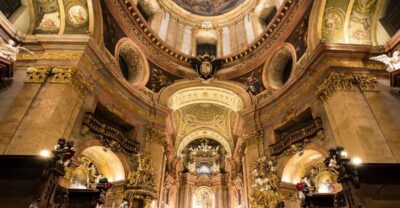
Classic Ensemble Vienna in St. Peter’s Church Ticket
Read our review →
Vienna Kunsthistorisches Museum Day Admission Ticket
Read our review →
Tickets for Mozarthaus Vienna with Audio Guide
Read our review →
Skip-the-Line Entrance Ticket to the Danube Tower
Read our review →


St. Stephen’s Cathedral & Dom Museum Wien Tickets
Read our review →
Browse the lists this tour appears in