
Reviewed · ATTRACTION TICKETS IN VIENNA
Vienna PASS Including Hop On Hop Off Bus Ticket
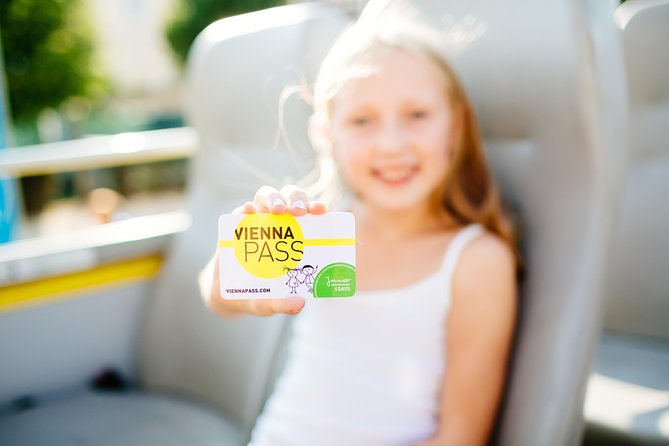
Vienna rewards curious wanderers. The Vienna PASS gives you free entry to more than 90 attractions, plus hop-on hop-off buses that help you cover a large city without planning every tram connection. You can choose one, two, three, or six days, listen to audio commentary in 16 languages, and use the included guidebook to build your own sightseeing plan.
I especially like the easy entry at major sights such as Schönbrunn Palace, the Belvedere, the Hofburg, and the Kunsthistorisches Museum. I also like the freedom to change plans when a small museum catches your eye. The main drawback is the bus. It can save time on some routes, but it is not public transportation, and buses may be infrequent or skip a marked stop.
In This Review
- Key points to know before you buy
- What the Vienna PASS actually gives you
- The bus routes: useful overview, imperfect transport
- Imperial Vienna in one well-planned day
- Schönbrunn Palace needs more than a quick visit
- Vienna’s major art museums
- Music, writers, and Vienna’s creative side
- Smaller museums and unusual stops
- Free stops that help stretch the pass
- Does the price make sense?
- Who should buy the Vienna PASS?
- Should you book it?
- FAQ
- How long is the Vienna PASS valid?
- Does the pass include hop-on hop-off buses?
- Is public transportation included?
- Where do I collect the physical Vienna PASS?
- What identification do I need to collect the pass?
- Does the pass include Schönbrunn Palace?
- Can I cancel for a refund?
Key points to know before you buy
- The two-day pass is the sweet spot: You have enough time to visit several major museums and palaces without racing from one sight to the next.
- Schönbrunn needs careful planning: The pass covers important areas, but some palace tour options may require an upgrade.
- The bus is useful for orientation, not every trip: Vienna is compact in the center, and walking or regular public transport can be faster.
- The strongest value comes from expensive attractions: Belvedere, Schönbrunn, the Hofburg, the Spanish Riding School, and large museums can quickly add up.
- You must collect a physical pass: Exchange your voucher at the Vienna Sightseeing and Vienna PASS Service Center opposite the State Opera, at Operngasse 3 to 5.
- Public transport is not included: Trams, underground trains, and city buses require a separate ticket.
What the Vienna PASS actually gives you
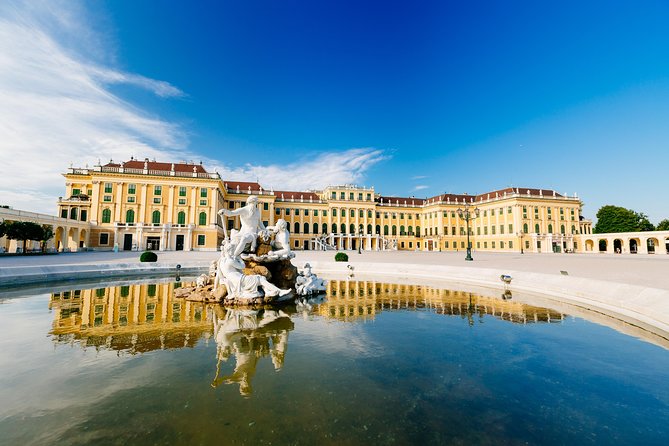
The Vienna PASS costs $134.56 per person and is valid for one, two, three, or six days. It includes admission to more than 90 sights and the Vienna Sightseeing hop-on hop-off bus network. The pass is designed for independent sightseeing, not for a guided group tour.
You get an audio commentary in 16 languages and a guidebook that helps you sort through Vienna’s long list of museums. That guidebook matters. Without it, the number of choices can feel like a second itinerary to manage.
The pass is activated for consecutive calendar days, so a one-day pass is best used from morning until closing time. If you arrive late in the afternoon, you may get poor value from the first day. A two-day or three-day pass gives you more room to enjoy the city at a reasonable pace.
The person collecting the pass must be the named holder and must show official photo identification. Collection is available daily from 9 a.m. to 6 p.m. at the service center opposite the Vienna State Opera. Plan this stop before your first attraction, especially if you want to begin early.
More Attraction Tickets in Vienna
- Vienna: Classic Ensemble Vienna in St. Peter’s Church Ticket
★ 4.7 · 4,819 reviews - Vienna Kunsthistorisches Museum Day Admission Ticket
★ 4.6 · 3,690 reviews - Vienna: Tickets for Mozarthaus Vienna with Audio Guide
★ 4.2 · 2,344 reviews
The bus routes: useful overview, imperfect transport
The hop-on hop-off bus is a pleasant way to get your bearings. Vienna’s grand buildings, Ringstrasse monuments, Prater, Schönbrunn, and Danube sights are spread across several areas. The bus lets you see more of the city from above street level while the audio commentary fills in basic context.
There are three routes, so check the color and destination before boarding. That simple step can save you a long loop in the wrong direction. The included route information is useful for deciding which line fits your day.
The bus works best when you use it as a sightseeing circuit. It is less effective when you need to reach one attraction quickly. Some marked stops have been difficult to spot, and buses have occasionally passed stops or arrived less often than expected. Naschmarkt, in particular, may require a short walk to another stop if the bus does not pull in.
The upper deck can also become hot, especially when it is enclosed rather than open-air. Audio commentary may not work perfectly on every bus. I would carry a map, keep regular public transport as a backup, and avoid building a tightly timed museum schedule around one bus departure.
That said, the bus can be valuable on a first day. Use it to see the broad shape of Vienna, then walk through the central districts once you know where you want to spend time.
Imperial Vienna in one well-planned day
The pass is at its best when used for Vienna’s imperial sights. Start with the Hofburg, the former Habsburg residence and today’s political center of Austria. The complex includes the Imperial Apartments, Sisi Museum, and Imperial Silver Collection. Allow several hours if you want more than a quick look.
Nearby, the Imperial Crypt offers a quieter and more solemn experience. It is the burial place of Habsburg emperors, empresses, and family members. The Austrian National Library is another major stop. Its State Hall is a grand Baroque library commissioned by Emperor Charles VI, with shelves, globes, and ceiling decoration that make it worth entering even if you are not a serious book lover.
The Spanish Riding School adds a different kind of imperial tradition. The Morning Exercise shows Lipizzaner horses and riders practicing basic movements with classical Viennese music. It is not the full evening performance, so check what type of admission is available before you assume you are booking the complete show.
The Imperial Furniture Museum, or Hofmobiliendepot, presents furniture connected with Maria Theresa, Franz Joseph, and Sisi. It is particularly useful if you want to understand how court life worked beyond palace rooms and portraits.
Finish the central route with the Imperial Treasury if it is available through the pass arrangements at the Hofburg, then walk toward the State Opera. The pass also includes a guided tour of the Vienna State Opera, lasting about 40 minutes. Entry arrangements can change, so follow the current instructions carefully.
Schönbrunn Palace needs more than a quick visit
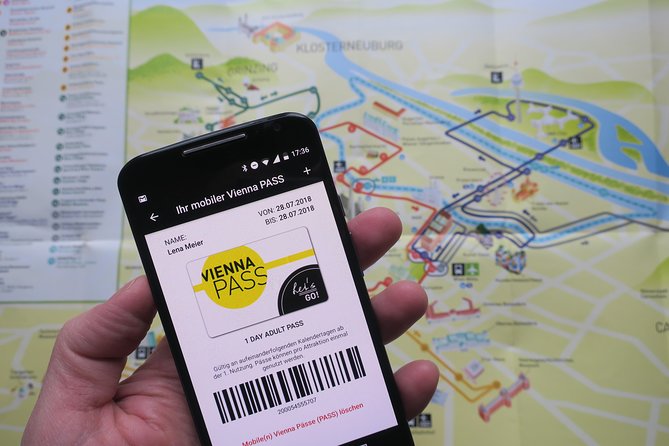
Schönbrunn is the most important single stop on the pass. It was the Habsburg summer residence and is now a UNESCO World Heritage Site. The palace, gardens, Gloriette, zoo, children’s museum, maze, labyrinth, and orangery can fill most of a day.
Inside the palace, you see the ceremonial rooms and private spaces connected with the imperial court. The gardens provide breathing room after the palace visit. Walk toward the Gloriette for the broad view back over the park and toward Vienna.
The palace grounds also include a children’s museum focused on the daily lives of the imperial family’s young members. Families may find this more engaging than another formal state room. The maze and Labyrinthikon playground add an active break, while the Privy Garden shows the more private side of the royal grounds.
The pass covers access to Schönbrunn attractions, but one important caution appears in the practical details: a Grand Tour upgrade may not be included automatically. If you want the longer palace visit, check the exact admission option before entering. One purchaser had to return to pay the difference, which cost both time and patience.
The zoo is separate from the palace experience but located in the same broad complex. It is the world’s oldest zoo and houses more than 700 animal species, including giant pandas, elephants, tigers, and koalas. The Desert House presents plants and animals from dry regions in a 2,000-square-meter habitat.
Do not try to squeeze every Schönbrunn attraction into a short morning. The palace alone can take several hours, and the full grounds deserve a slower pace.
A few more trips of this kind worth comparing:
- Vienna: Vivaldi’s Four Seasons Concert in Karlskirche
★ 4.7 · 14,951 reviews - Vienna: Spanish Riding School Training
★ 3.9 · 9,281 reviews - Vienna: Skip-the-cashier-desk-line Giant Ferris Wheel Ride
★ 4.5 · 7,859 reviews - Vienna: Schönbrunn Palace & Gardens Skip-the-Line Tour
★ 4.7 · 7,739 reviews
Vienna’s major art museums
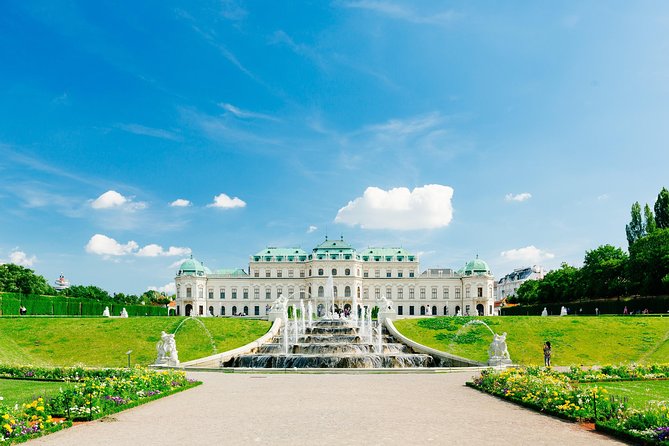
Art lovers can make the pass pay for itself quickly. The Upper Belvedere contains the world’s largest collection of Gustav Klimt paintings, including The Kiss, along with work by Egon Schiele, Oskar Kokoschka, Renoir, Monet, Van Gogh, and Waldmüller. The gardens connecting the Upper and Lower Belvedere are part of the appeal.
The Lower Belvedere served as Prince Eugene of Savoy’s residence, while the Upper Belvedere handled ceremonial functions. Belvedere 21 adds Austrian and international contemporary art in a modern setting. Allow three hours if you want to see more than Klimt’s most famous painting.
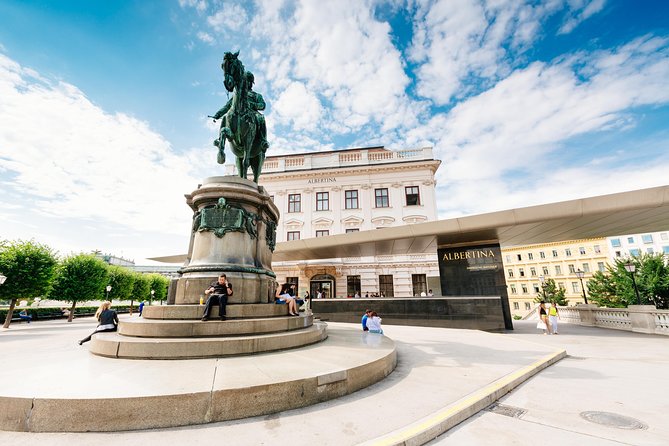
The Albertina occupies one of the former private Habsburg residences. It combines imperial rooms with major works of art and is one of the most convenient central museum stops. The Leopold Museum focuses on Viennese Art Nouveau, the Wiener Werkstätte, and Expressionism, with the world’s largest Egon Schiele collection.
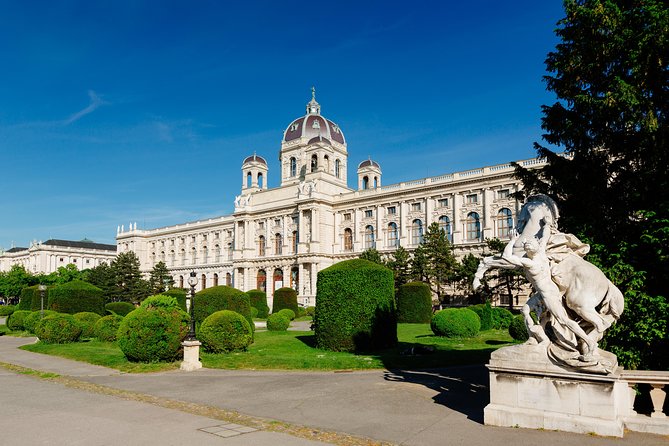
The Kunsthistorisches Museum houses the Habsburg imperial collections, covering five millennia. It is a serious museum, and its scale can overwhelm you if you enter without a plan. Choose a few rooms or artists rather than trying to see everything.
MUMOK, in the MuseumsQuartier, covers modern and contemporary art from Cubism and Futurism to Pop Art, Fluxus, Nouveau Réalisme, and Vienna Actionism. Kunsthalle Wien presents changing exhibitions and current artistic debates. The Bank Austria Kunstforum is a good choice for classic modernism and postwar avant-garde art.
MAK focuses on applied arts, architecture, and contemporary art, with work linked to Gustav Klimt, Koloman Moser, and Joseph Hoffmann. The Heidi Horten Collection adds another modern art option in the central city.
For a more focused cultural stop, the Dom Museum Wien combines treasures from St. Stephen’s Cathedral with modern and contemporary art. The Papyrus Museum presents around 300 objects from three thousand years of Egyptian culture, including papyri, mummy portraits, and material connected with the Book of the Dead.
Music, writers, and Vienna’s creative side
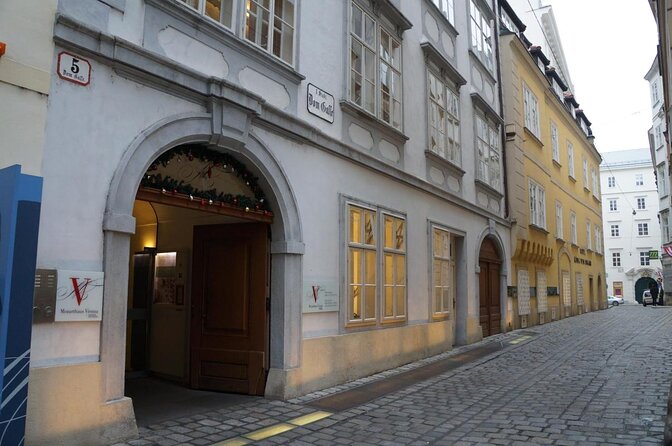
Vienna’s music story is not limited to Mozart. At Mozarthaus Vienna, you enter the only preserved apartment Mozart had in Vienna. The museum concentrates on his years in the city, when his creative work reached a peak.
Beethoven’s life appears in several smaller museums. The Beethoven Museum in Heiligenstadt connects his search for relief from worsening deafness with the village’s former healing baths. Beethoven Pasqualatihaus presents personal objects and a well-known portrait by Willibrord Joseph Mähler.
Haydnhaus covers Joseph Haydn’s final years. He lived there from 1797 until his death in 1809, and the exhibition places his life beside the political and social events of the period.
Schubert’s death house near Naschmarkt is an intimate stop. You can see his final drafted compositions, last letter, and documents about his final days. It takes about an hour, making it easy to pair with the market.
The Literature Museum of the Austrian National Library presents Austrian writers, letters, works, and creative lives. The Sigmund Freud Museum occupies Freud’s former home and practice at Berggasse 13, with original furniture, objects, and photographs.
Haus der Musik is more hands-on. Four floors explore sound and music through interactive displays, making it a good change of pace after traditional museums. The Johann Strauss monument in Stadtpark is free and quick to visit, with its gilded bronze figure providing one of Vienna’s most photographed scenes.
Smaller museums and unusual stops
The Vienna PASS works especially well for people who enjoy smaller, specific museums. The Kaiserliche Wagenburg displays magnificent carriages connected with Maria Theresa, Napoleon, Franz Joseph, and other rulers. It gives you a glimpse of court ceremony through vehicles rather than rooms.
The Porcelain Manufactory Augarten occupies a former imperial palace in Augarten Park. Its museum traces Viennese porcelain through more than 150 pieces. The Schlumberger Kellerwelten takes you into 300-year-old cellar vaults, where you learn how sparkling wine is made, including riddling, disgorging, dosage, and cellar marking.
The Otto Wagner Pavilion at Karlsplatz is a compact stop tied to Vienna’s public transport design around 1900. Remise Verkehrsmuseum expands that subject, showing 150 years of public transport and how it changed city life.
The Prater combines amusement park history with 60 hectares of woods and meadows. The famous Giant Ferris Wheel is part of the district, and the Prater Museum covers Vienna’s entertainment culture. Check the exact attraction rules if you plan to ride anything, since access may not cover every amusement.
Madame Tussauds offers a lighter, family-friendly break with figures of Austrian and international stars, athletes, and monarchs. It includes sensory effects, so it feels quite different from Vienna’s historical museums.
The United Nations in Vienna offers guided tours of the Vienna International Centre, built in 1979. You can see exhibits, works of art, a Hundertwasser tapestry, and a moon rock donated by NASA. The Danube Tower provides a viewing platform 150 meters above the ground, with an elevator ride and city panorama.
Klosterneuburg Monastery makes a good longer outing beyond the central sights. It was founded more than 900 years ago, has links with the Babenbergs and Habsburgs, and includes Austria’s oldest winery.
Free stops that help stretch the pass
Several listed sights are free and do not determine the pass’s financial value, but they fit nicely between paid admissions. These include the Johann Strauss Monument, Hundertwasserhaus, Vienna Central Cemetery, Votive Church, Naschmarkt, the hop-on hop-off city tour itself, and the Heidi Horten Collection.
Hundertwasserhaus is a striking example of Friedensreich Hundertwasser’s architecture. The nearby Kunst Haus Wien holds the world’s largest collection of his work, though the exterior building and the indoor museum are separate experiences.
Vienna Central Cemetery covers 2.4 square kilometers and contains more than 330,000 graves. It includes Catholic, Protestant, Jewish, Islamic, Orthodox, Buddhist, and Mormon sections. Beethoven, Johann Strauss, Brahms, Schubert, and Falco are associated with the cemetery, while Mozart has a memorial rather than a grave there.
Naschmarkt is best treated as a food and atmosphere stop, not a pass-value stop. You can browse spices and international foods, then choose among restaurants and small eateries nearby. It pairs naturally with Schubert’s death house.
Does the price make sense?
At $134.56 per person, the pass is expensive if you use it mainly for the bus and one or two modest museums. Vienna is easy to walk in the center, and public transport is not included. If the bus is your main goal, buying a separate sightseeing ticket and paying individual admission may be cheaper.
The calculation changes with a busy two-day plan. Belvedere, Schönbrunn, the Hofburg, the Kunsthistorisches Museum, the Leopold Museum, the Natural History Museum, the Spanish Riding School, and the State Opera can create substantial admission costs. Add one or two smaller museums, and the pass may offer good value.
The Natural History Museum, with more than 30 million specimens and artifacts, is a strong family stop. The Venus of Willendorf is one of its best-known objects. The pass also covers the Museum of Natural History and the Museum of Modern Art, so you can choose based on weather and interest without paying again each time.
I would not buy the pass for a relaxed one-day visit unless you already know you want several high-priced attractions. You need to visit at least a few major sights to justify the cost, and rushing through them defeats the purpose.
Who should buy the Vienna PASS?
This pass suits you if you like museums, imperial palaces, and flexible sightseeing. It is especially useful for a first visit lasting two or three full days, when you want to see both famous sights and smaller collections.
Families may appreciate the zoo, Prater, Madame Tussauds, Haus der Musik, and Schönbrunn children’s museum. Art lovers can build a strong itinerary around Belvedere, Albertina, Leopold, MUMOK, MAK, and the Kunsthistorisches Museum.
It is less suitable if you prefer slow walks, cafés, markets, and only one major museum per day. It is also a poor substitute for Vienna’s normal public transport. Keep a separate transport plan, and treat the bus as a sightseeing option rather than a guaranteed taxi with commentary.
Free cancellation is available up to 24 hours before the experience start time. Changes or cancellations inside that window are not accepted for a refund.
Should you book it?
Book the Vienna PASS if you can plan two full days around major admissions. Use the first morning to collect the pass, visit the Hofburg area, and fit in the library, Imperial Crypt, Spanish Riding School, or a nearby museum. Reserve another full block for Schönbrunn, and use the bus when it helps you see a distant district.
Skip it if your Vienna plan is mostly walking, markets, coffeehouses, and free churches. The strongest purchase is not the one with the longest list of attractions. It is the one that matches your pace. For most people, the two-day pass offers the best balance, while the one-day option demands a very efficient schedule.
FAQ
How long is the Vienna PASS valid?
You can choose a pass valid for one, two, three, or six days.
Does the pass include hop-on hop-off buses?
Yes. The Vienna PASS includes the Vienna Sightseeing hop-on hop-off bus service and audio commentary in 16 languages.
Is public transportation included?
No. Regular public transport, including Vienna’s trams, underground trains, and city buses, is not included.
Where do I collect the physical Vienna PASS?
You must exchange your voucher at the Vienna Sightseeing and Vienna PASS Service Center opposite the Vienna State Opera, at Operngasse 3 to 5.
What identification do I need to collect the pass?
The person collecting the pass must be the named pass holder and must bring official photo identification.
Does the pass include Schönbrunn Palace?
The pass includes admission to Schönbrunn attractions, but the longer Grand Tour may require an additional upgrade. Check the exact admission option before entering.
Can I cancel for a refund?
Yes. You can cancel up to 24 hours before the experience start time for a full refund. Cancellations or changes made less than 24 hours before the start time are not accepted.
Just added around Vienna
- Mobile puzzle rally tour at the Vienna Central Cemetery★ 4.5 · 3 reviews
- RAXI (E-Rickschaw) big private Vienna tour★ 4.5 · 3 reviews
- 8 days European Highlights PRIVATE TOUR from Budapest including Budapest Vienna Prague and Bratislava★ 5.0 · 3 reviews
- Private Transfer from Vienna to Prague with 1 hour Stop in Kutna Hora★ 4.5 · 3 reviews
- Palais Lobkowitz Audio Guide Tour★ 4.0 · 3 reviews
- Private Tour from Vienna to Melk and Dürnstein★ 4.5 · 3 reviews
- Vienna: Designer Fashion Time Capsule Experience★ 5.0 · 3 reviews
- Private day trip from Munich to Eagle’s Nest & Hallstatt★ 4.7 · 3 reviews
Attraction Tickets in Vienna, compared.
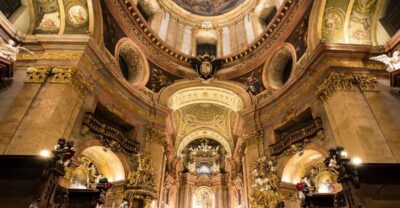
Classic Ensemble Vienna in St. Peter’s Church Ticket
Read our review →
Vienna Kunsthistorisches Museum Day Admission Ticket
Read our review →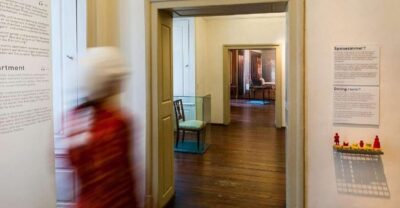
Tickets for Mozarthaus Vienna with Audio Guide
Read our review →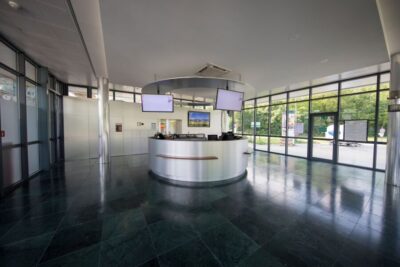
Skip-the-Line Entrance Ticket to the Danube Tower
Read our review →


St. Stephen’s Cathedral & Dom Museum Wien Tickets
Read our review →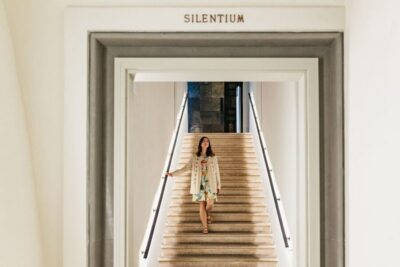
Browse the lists this tour appears in