
Reviewed · ATTRACTION TICKETS IN VIENNA
Vienna: Underground WWII Bunker Ticket and Guided Tour
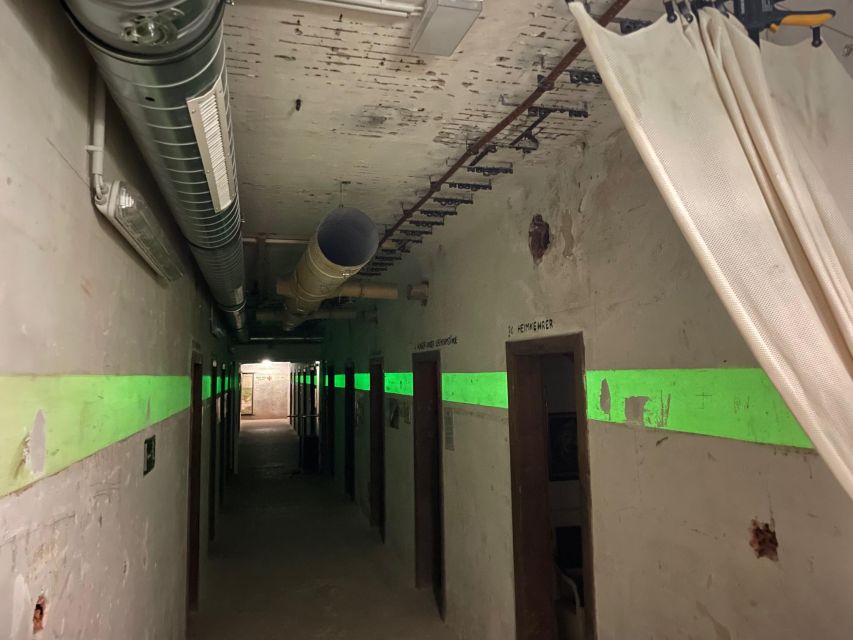
History feels different underground. Vienna’s former WWII air raid shelter offers a rare look at how civilians sought safety during Allied bombing raids, with wartime objects, bunker architecture, and stories about life during one of Austria’s hardest periods. I like the authentic setting and the way the tour links the shelter to Vienna’s political and social history. I also like that the experience includes entry to the Museum of liberation of Vienna 1945–1955.
The main caution is the guide service. The tour is in German, and the quality of explanation may vary. One recent participant found the bunker fascinating but felt the guide’s storytelling wandered, while other German-speaking visitors praised the clear explanations and personal anecdotes. The entrance can also be difficult to spot, so allow a little time to find the meeting point.
In This Review
- Key points at a glance
- Why this bunker adds something different to Vienna
- Meeting at the liberation museum
- Going below street level
- Wartime objects and civilian life
- From annexation to reconstruction
- The German-language guide makes a difference
- What the $35 price delivers
- Practical comfort and access concerns
- Who will appreciate this experience most
- Should you book the Vienna bunker tour?
- FAQ
- Where does the Vienna WWII bunker tour meet?
- How long does the tour last?
- What language is the tour conducted in?
- Is museum admission included?
- Is the bunker open to the general public?
- Can I take photographs inside?
- Is the tour accessible for people with mobility impairments?
- What should I bring?
- Can I cancel my booking?
Key points at a glance
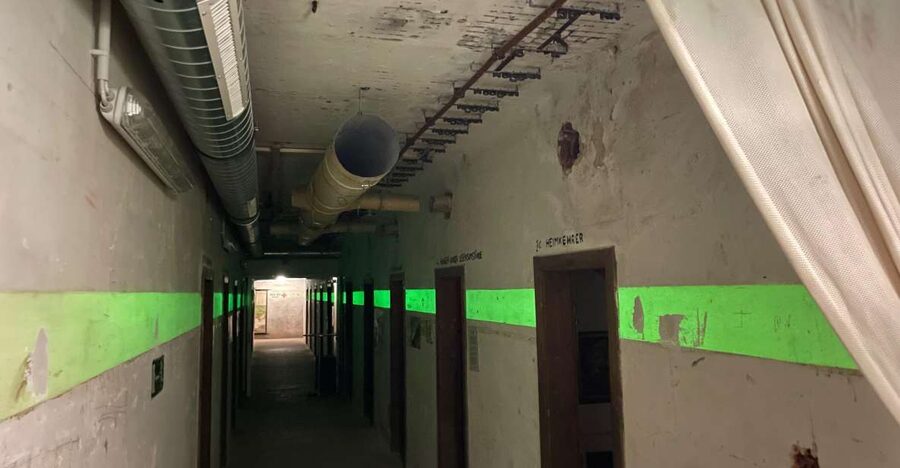
- A real underground shelter: Enter a former WWII air raid bunker that is normally closed to the public.
- A 90-minute history lesson: Follow the guide through the bunker and connect its rooms and structure to wartime Vienna.
- Museum entry included: Your ticket also covers the Museum of liberation of Vienna 1945–1955.
- German-language guiding: The live tour is conducted in German, so strong listening skills matter.
- Atmospheric candle lighting: Special lighting has helped create a serious, almost theatrical mood inside the bunker.
- Not suitable for everyone: The site is not barrier-free and is unsuitable for people with mobility impairments.
Why this bunker adds something different to Vienna
Vienna has grand palaces, ornate churches, and polished museums. This tour takes you somewhere less comfortable and far more direct: below street level, into a shelter built for danger.
The bunker is not simply a room filled with wartime objects. Its walls, layout, and underground position help you picture the practical problem facing civilians during air raids. You can think about people moving below ground, waiting for danger to pass, and trying to carry on with ordinary life while the city above was under attack.
That physical setting gives the subject weight. A display panel in a museum can explain an air raid shelter, but walking through a preserved one gives you a clearer sense of its purpose. The experience is especially useful if you want to understand WWII through civilian life rather than only through military dates and political leaders.
The tour also places the bunker within Austria’s wider story. The guide discusses the effects of the annexation, the political and social changes of the war years, and the difficult period of reconstruction that followed. This matters because Vienna’s wartime history did not begin and end with bombing. The city’s experience was tied to major changes in government, identity, and daily life.
More Attraction Tickets in Vienna
- Vienna: Classic Ensemble Vienna in St. Peter’s Church Ticket
★ 4.7 · 4,819 reviews - Vienna Kunsthistorisches Museum Day Admission Ticket
★ 4.6 · 3,690 reviews - Vienna: Tickets for Mozarthaus Vienna with Audio Guide
★ 4.2 · 2,344 reviews
Meeting at the liberation museum
You meet your guide in front of the Museum of liberation of Vienna 1945–1955. This museum is part of the experience, not just a place to wait before the real tour begins. Entry is included in the $35 price, giving you a useful second setting for understanding the years around the end of the war and the rebuilding period.
The meeting point deserves extra attention. The entrance can be hard to find, and one participant specifically wished for better signage. I would arrive early rather than trying to locate it at the last moment. The instructions say to meet in front of the museum entrance, so check the exact address and look carefully for the entrance before your scheduled start.
The tour uses a separate entrance to skip the regular line. That is helpful, but it does not remove the need to get your bearings. Since the bunker is in a clandestine, undisclosed location, do not expect a large street sign advertising an underground WWII site.
Going below street level
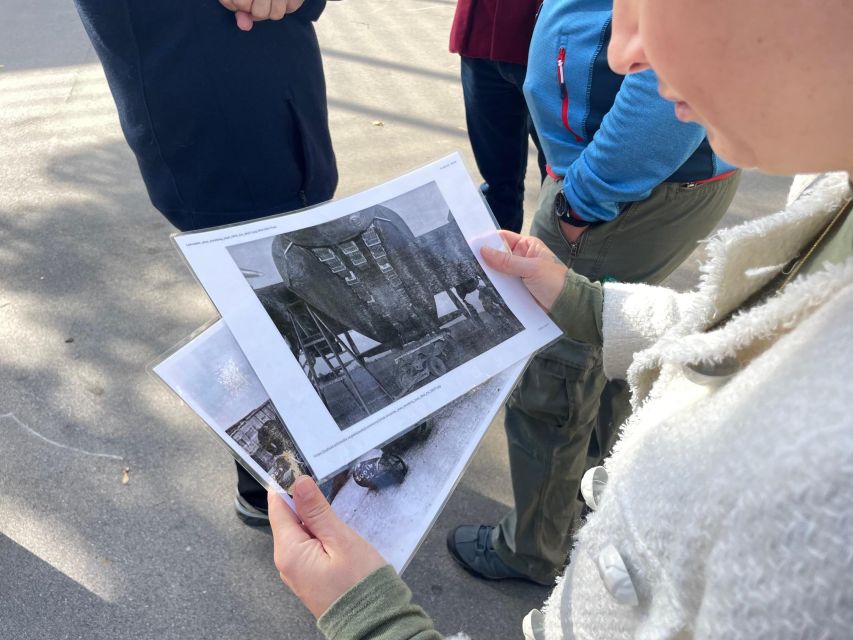
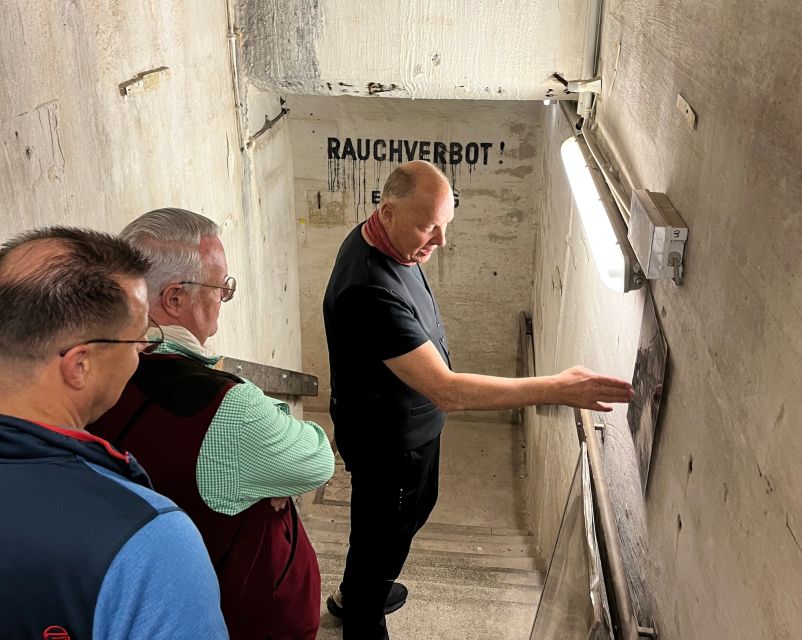
From the museum meeting point, the guide takes the group into the former air raid shelter. The route leads underground, into a place that is described as well preserved and not normally accessible to the public.
That limited access is one of the strongest reasons to book. You are not simply visiting a standard museum room. You are entering a part of Vienna that most people cannot see on their own, and the guide is essential for explaining why the shelter was built and how it fit into wartime life.
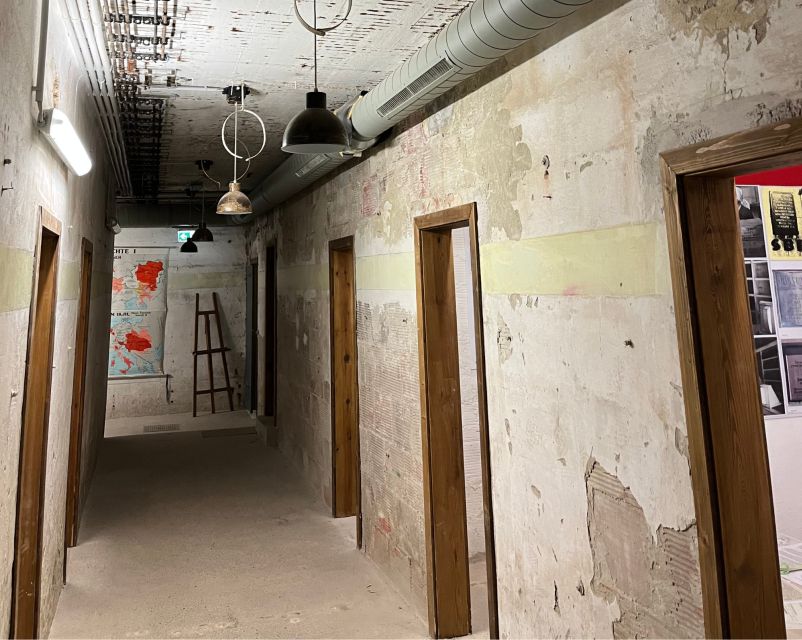
The architecture becomes part of the lesson. Underground spaces can feel plain and functional, but that is precisely the point. The shelter was designed around protection and survival, not decoration. As you move through it, the physical structure helps explain the choices people had to make during bombing raids.
You may find the atmosphere serious rather than entertaining. That is appropriate here. Recent tours have used candle lighting to strengthen the mood, and this has been warmly received. The low light can make the bunker feel more immediate, though it may also make the experience less comfortable for anyone who prefers bright, open spaces.
Wartime objects and civilian life
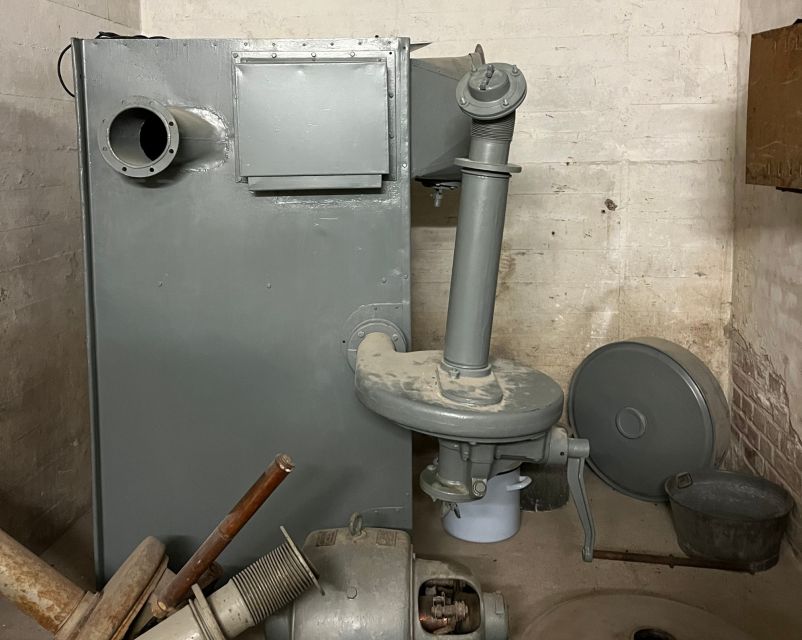
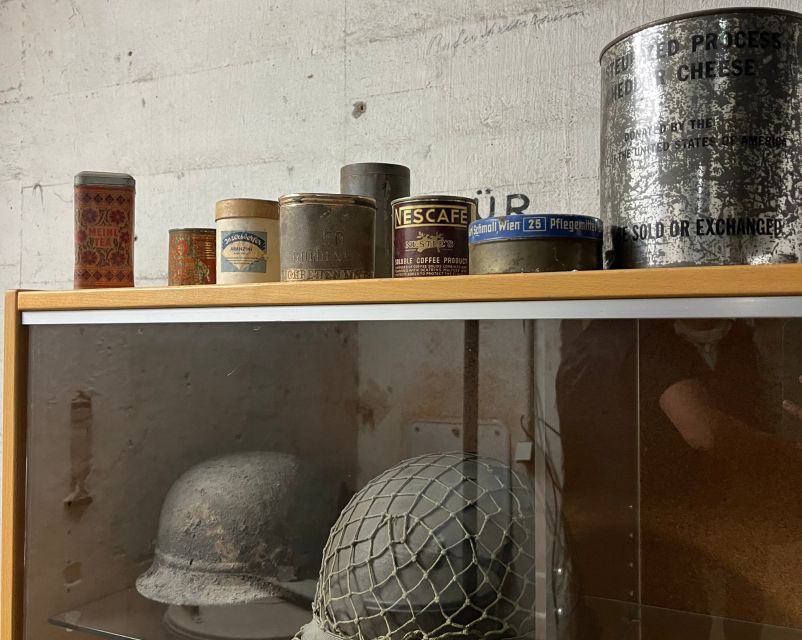
The tour includes historical artifacts and objects connected with the period. These items help move the story from broad political events to daily life.
I value this part because objects often explain the past in a way that dates and speeches cannot. A shelter becomes easier to understand when you see the kinds of things associated with the people who used it. The guide’s stories and anecdotes add another layer, especially when they draw on accounts passed down by people who lived through the period.
The strongest German-language tours appear to balance facts with those personal stories. One recent participant said the guide shared accounts heard from people of the time and explained the subject very well. That kind of material can make a short tour feel personal without turning the experience into a simple collection of dramatic tales.
Still, you should keep your expectations realistic. A 90-minute visit cannot explain every part of WWII in Austria. The quality of the experience depends heavily on how clearly the guide connects each artifact, room, and story. One participant found the guide friendly but disorganized, with explanations that lacked a clear sequence. If you understand German, you should be able to follow the main points, but the storytelling style may not be equally strong at every departure.
A few more trips of this kind worth comparing:
- Vienna: Vivaldi’s Four Seasons Concert in Karlskirche
★ 4.7 · 14,951 reviews - Vienna: Spanish Riding School Training
★ 3.9 · 9,281 reviews - Vienna: Skip-the-cashier-desk-line Giant Ferris Wheel Ride
★ 4.5 · 7,859 reviews - Vienna: Schönbrunn Palace & Gardens Skip-the-Line Tour
★ 4.7 · 7,739 reviews
From annexation to reconstruction
The tour is designed to cover more than the bunker itself. The guide addresses the effects of Austria’s annexation, the social and political pressures of the war years, and the challenges that came after the fighting ended.
This wider frame is valuable. Without it, an air raid shelter can become an isolated curiosity. With it, the bunker becomes part of a much larger story about how Vienna changed before, during, and after WWII.
The museum visit supports that context by focusing on Vienna from 1945 to 1955. That period was shaped by liberation, occupation, political change, and reconstruction. The supplied information does not give a room-by-room museum itinerary, so you should not expect a detailed list of exhibits in advance. You can expect the museum entry to broaden the focus beyond the shelter and help connect wartime events with the years that followed.
For anyone studying Austria’s 20th-century history, this combination is more useful than a bunker visit alone. You see the place where civilians sought protection, then gain a wider frame for the political changes that affected Vienna.
The German-language guide makes a difference
The live guide speaks German. This is the single most important booking consideration.
If you understand German well, the guide can add detail that you would miss from a self-guided visit. The anecdotes, explanations of the artifacts, and discussion of political events are central to the experience. You will get more from the tour if you can follow spoken German for 90 minutes in an underground setting.
If you do not speak German, this is a risky choice. The available information does not promise an English guide, written translation, or audio option. The bunker may still be visually interesting, but you would lose much of the historical explanation that justifies the price.
Guide quality also seems uneven. Some participants describe the explanations as clear and highly interesting. Another found the guide pleasant but frequently lost in the storyline and searching for words. I would treat this as a reminder that the site itself is the reliable part of the experience, while the depth and order of the commentary can depend on the individual guide.
What the $35 price delivers
At $35 per person, the tour is not the cheapest way to spend 90 minutes in Vienna. Its value comes from access rather than quantity.
The fee includes the guided bunker tour and entry to the Museum of liberation of Vienna 1945–1955. You are paying for a place that is not publicly accessible, a live explanation in German, and a focused look at wartime Vienna. If the bunker is your main interest, that combination makes the price reasonable.
The value is weaker if you cannot understand German or if you want a broad, detailed museum visit. The experience is short, and the museum portion is not described in enough detail to treat it as a full museum day. You are buying a specialized historical visit, not an all-purpose introduction to Vienna.
I would compare it with the cost of a standard museum ticket plus the benefit of a guide who can explain an otherwise inaccessible site. For someone interested in WWII, civilian life, or the political changes surrounding 1945, $35 is a fair price. For a casual visitor with little interest in modern history, the cost may be better spent elsewhere.
Practical comfort and access concerns
Wear comfortable shoes. The tour takes place underground and is not barrier-free, so the physical demands matter more than they would at a typical city museum.
The experience is not suitable for people with mobility impairments. It is also listed as unsuitable for people over 95. These restrictions should be taken seriously because the shelter cannot be treated as a fully accessible attraction.
Bring no camera. Cameras are not allowed, and you should not plan on documenting the bunker with photographs. That limitation may disappoint anyone who likes to collect visual memories, but it also keeps the focus on the guide and the site itself.
The tour runs rain or shine. That is useful to know when planning a Vienna day, since bad weather will not automatically cancel the visit. You remain underground for the main portion, but comfortable shoes and practical clothing are still sensible.
Food and drinks are not included. The 90-minute duration is short enough that this should not create a problem, but plan any café stop before or after the tour rather than expecting refreshments on site.
Free cancellation is available up to 24 hours before the start for a full refund, and you can reserve now and pay later. Those terms give you some flexibility if your Vienna schedule is still changing.
Who will appreciate this experience most
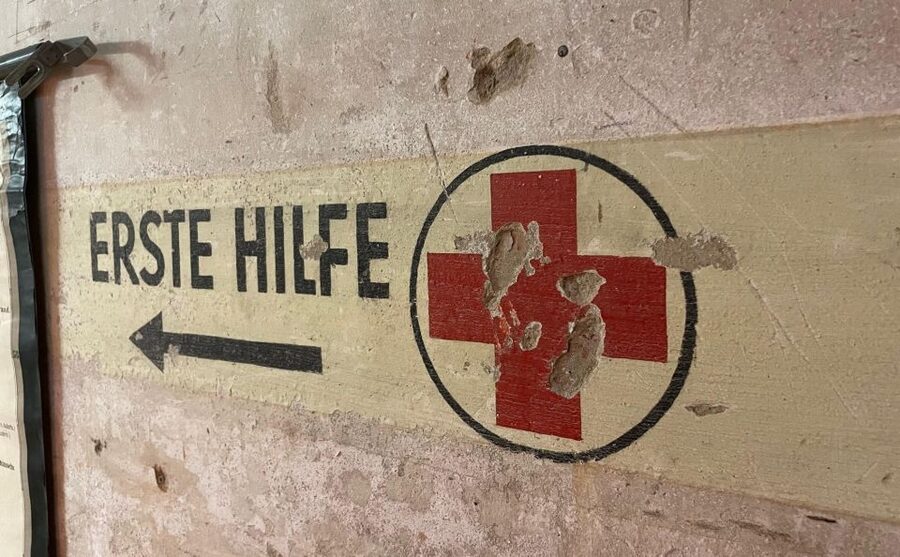
I would recommend the tour to people with a real interest in WWII, Austria’s political history, or the experience of civilians during air raids. It also suits anyone who prefers unusual historic places over famous monuments.
German speakers will get the full benefit. Students of Austrian history, visitors who have already seen Vienna’s major sights, and people who want a more serious stop in their itinerary should find plenty to think about.
The tour is less suitable for visitors seeking a light, casual attraction. The subject is grim, the lighting may be low, photography is prohibited, and the site is not accessible to people with mobility impairments. It also may not work well for anyone who needs English-language guiding.
Families should consider the age and interests of their children, though no specific minimum age is provided. The material concerns war, bombing, political change, and hardship. That makes it a serious history lesson rather than a playful underground adventure.
Should you book the Vienna bunker tour?
Book it if you can follow German, handle a non-barrier-free underground site, and want a direct connection to Vienna’s WWII past. The preserved bunker, wartime objects, candlelit atmosphere, and access to the liberation museum make this more meaningful than a quick photo stop.
Skip it if you need an English guide, rely on accessible facilities, or prefer a major museum with a clear self-guided route. The bunker itself is compelling, but the guide’s organization can shape the quality of the 90 minutes.
My practical advice is to arrive early, wear comfortable shoes, leave your camera behind, and come ready for a serious subject. At $35, this is a specialized tour with real historical value, especially for German-speaking visitors who want to understand how war affected ordinary life in Vienna.
FAQ
Where does the Vienna WWII bunker tour meet?
Meet your guide in front of the entrance to the Museum of liberation of Vienna 1945–1955.
How long does the tour last?
The guided experience lasts 90 minutes.
What language is the tour conducted in?
The live tour guide speaks German.
Is museum admission included?
Yes. Admission to the Museum of liberation of Vienna 1945–1955 is included.
Is the bunker open to the general public?
The tour enters a well-preserved former air raid shelter that is not publicly accessible on its own.
Can I take photographs inside?
No. Cameras are not allowed on the tour.
Is the tour accessible for people with mobility impairments?
No. The tour is not barrier-free and is not suitable for people with mobility impairments.
What should I bring?
Bring comfortable shoes. Food and drinks are not included.
Can I cancel my booking?
Yes. You can cancel up to 24 hours in advance for a full refund. You can also reserve now and pay later.
Just added around Vienna
- Mobile puzzle rally tour at the Vienna Central Cemetery★ 4.5 · 3 reviews
- RAXI (E-Rickschaw) big private Vienna tour★ 4.5 · 3 reviews
- 8 days European Highlights PRIVATE TOUR from Budapest including Budapest Vienna Prague and Bratislava★ 5.0 · 3 reviews
- Private Transfer from Vienna to Prague with 1 hour Stop in Kutna Hora★ 4.5 · 3 reviews
- Palais Lobkowitz Audio Guide Tour★ 4.0 · 3 reviews
- Private Tour from Vienna to Melk and Dürnstein★ 4.5 · 3 reviews
- Vienna: Designer Fashion Time Capsule Experience★ 5.0 · 3 reviews
- Private day trip from Munich to Eagle’s Nest & Hallstatt★ 4.7 · 3 reviews
Attraction Tickets in Vienna, compared.
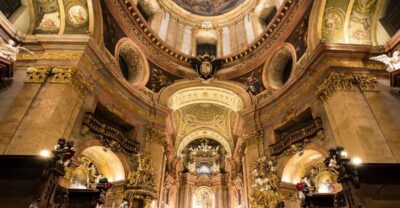
Classic Ensemble Vienna in St. Peter’s Church Ticket
Read our review →
Vienna Kunsthistorisches Museum Day Admission Ticket
Read our review →
Tickets for Mozarthaus Vienna with Audio Guide
Read our review →
Skip-the-Line Entrance Ticket to the Danube Tower
Read our review →


St. Stephen’s Cathedral & Dom Museum Wien Tickets
Read our review →
Browse the lists this tour appears in