
Reviewed · HISTORICAL TOURS
World War II History Vienna Old Town Private Walking Tour
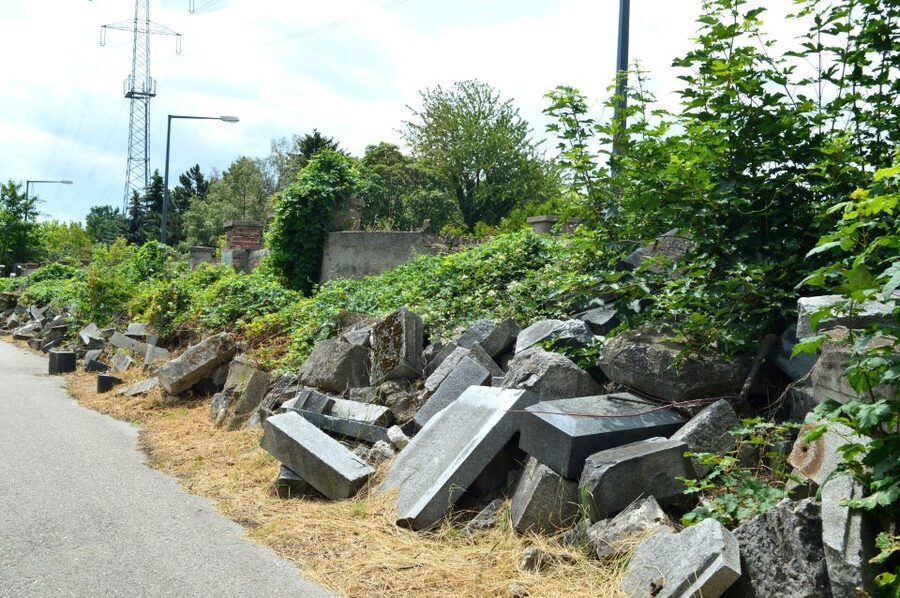
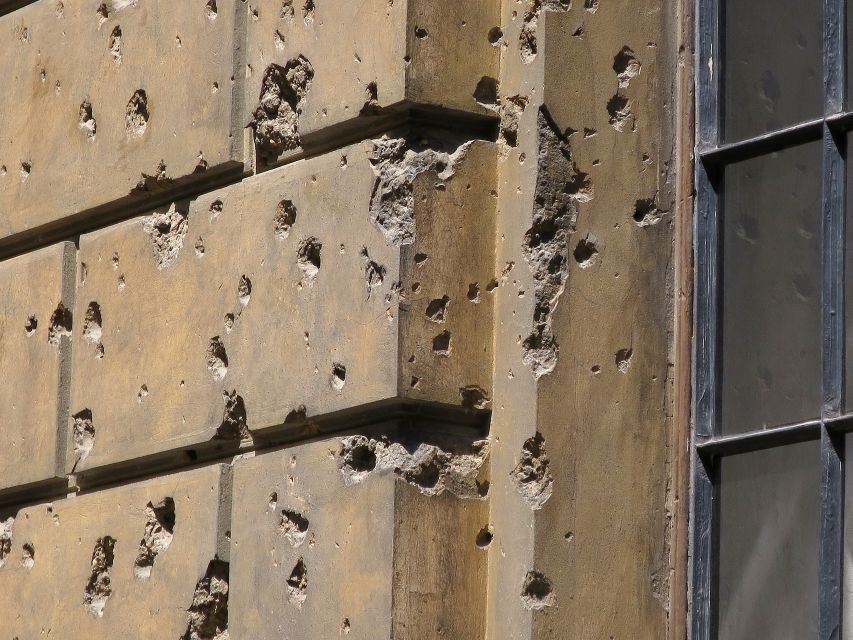
History leaves marks.
This private two-hour walk makes Vienna’s wartime past easier to read, linking the assassination of Franz Ferdinand, Hitler’s annexation of Austria, Nazi terror, the Holocaust, bombing, and liberation. I especially like the expert-led storytelling and the chance to see important sites in the Old Town without having to piece the history together alone. I also like the choice of 12 tour languages, from English and German to Japanese, Arabic, and Croatian.
The main consideration is the price: $214 per person is a serious outlay for a two-hour walk. It makes the most sense for a small private group that wants a focused history lesson, personal questions, and a route shaped around its interests. A larger group of up to 25 people can join one guide, but that will feel less intimate.
In This Review
- Key points to know before booking
- Starting at Morzinplatz and the former Gestapo headquarters
- Connecting Franz Ferdinand to the First World War
- Walking through Vienna’s Inner Stadt under Nazi rule
- Remembering Vienna’s Jewish citizens
- Hofburg, Heldenplatz, and the imperial past
- St. Stephen’s Cathedral and the city center
- Ending at the opera and the Monument Against War and Fascism
- What the guide adds to the experience
- Pace, heat, children, and group size
- Is $214 per person good value?
- Who should book this Vienna history walk?
- Final decision: a strong choice for focused history
- FAQ
- How long does the World War II History Vienna Old Town tour last?
- Where does the tour begin?
- Where does the tour end?
- Which languages are available?
- Is this a private tour?
- How large can the group be?
- Does the tour include entry inside Hofburg?
- What should I wear?
- Can I cancel for a full refund?
- Can I reserve now and pay later?
Key points to know before booking
- The tour begins at a former Gestapo site: You meet at Morzinplatz, beside the memorial to victims of Nazi terror and near the former Hotel Metropol, once the Gestapo headquarters in Vienna.
- The route links both world wars: The guide covers the causes and results of World War I and World War II, rather than treating 1939 as the beginning of the story.
- Holocaust memory is central: You pass the Holocaust Memorial and Remembrance Stones connected with Vienna’s Jewish citizens.
- Major landmarks come with difficult history: Hofburg, Heldenplatz, Burggarten, St. Stephen’s Cathedral, and the Vienna State Opera all gain a wartime context.
- Private guiding adds flexibility: You can ask about Austrian Nazis such as Adolf Hitler and Ernst Kaltenbrunner, daily life, propaganda, Austrofascism, or subjects that matter most to your group.
- The walk ends near the opera: The final stop is the Monument Against War and Fascism, close to the Vienna State Opera, which suffered heavy damage in 1945.
Starting at Morzinplatz and the former Gestapo headquarters
The meeting point at Denkmal der Opfer des Faschismus, or Memorial to the Victims of Nazi Terror, gives this tour a serious beginning. You are not first led to a grand imperial façade or a pretty café square. You start with the victims of political violence.
The memorial sits at Morzinplatz, near the former Hotel Metropol. In 1939, the building was used as the Gestapo headquarters in Vienna. That detail matters because it places Nazi power in the middle of the city, close to the streets and landmarks you may otherwise see only as attractive parts of the Old Town.
Your guide can use this first stop to explain how Austria changed after the Anschluss, the annexation of Austria into Nazi Germany. The tour also covers Adolf Hitler, Ernst Kaltenbrunner, and other Austrian Nazis, so you should expect attention to political responsibility, not just military dates.
I like this opening because it sets the tone. You are not getting a parade of famous buildings with a few wartime facts added on. The buildings help explain how authority, propaganda, fear, and persecution operated in daily life.
More Private Tours in Vienna
- Vienna: Private Walking Tour with a Local Guide
★ 4.6 · 1,420 reviews - Vienna: Private Walking Tour with a Guide
★ 4.7 · 962 reviews - Vienna: Wine Tasting Experience in a Private Wine Cellar
★ 4.8 · 413 reviews
Connecting Franz Ferdinand to the First World War
The story reaches back before Hitler. The assassination of Archduke Franz Ferdinand is part of the tour’s timeline, along with the causes and consequences of World War I. That wider frame is useful in Vienna, the former center of an empire whose collapse reshaped Central Europe.
A two-hour route cannot offer a full university course on the Habsburg monarchy, the First World War, and the interwar years. Still, a private guide can make the chain of events clear: the assassination, the war, the end of empire, political instability, and the conditions that helped extremist movements gain ground.
This is one place where your own questions can improve the experience. If you want to understand how the fall of the empire affected Austria, ask. If you are more interested in how Vienna moved from imperial capital to authoritarian state, say so early in the walk.
The private format is useful here. With your own guide, you can pause over confusing points instead of moving on because the schedule demands it. The route is still only two hours, so expect a strong overview rather than every political detail.
Walking through Vienna’s Inner Stadt under Nazi rule
The route continues through Vienna’s Inner Stadt, the historic center. Along the way, the guide discusses daily life and political propaganda in German-occupied Austria. This is valuable because war history is not only about generals, borders, and battles. It is also about what people saw, heard, feared, accepted, or resisted in their own streets.
You might notice architectural traces that would pass unnoticed without explanation. One German-speaking participant praised the guide’s ability to point out surviving architectural evidence from the period, including details that are easy to miss when walking alone. That is a strong reason to choose a local guide rather than rely on a general city tour.
The route also covers Austrofascism, which helps fill the gap between the First and Second World Wars. Austria’s political story was not a simple jump from imperial rule to Nazi occupation. The years between the wars brought their own authoritarian politics and conflict, and understanding that period makes the later annexation easier to follow.
The tour promises a history-focused walk, so do not expect long interior visits or museum-style displays. Hofburg is viewed from outside, and the main value comes from the guide’s explanation of places rather than admission to buildings.
Remembering Vienna’s Jewish citizens
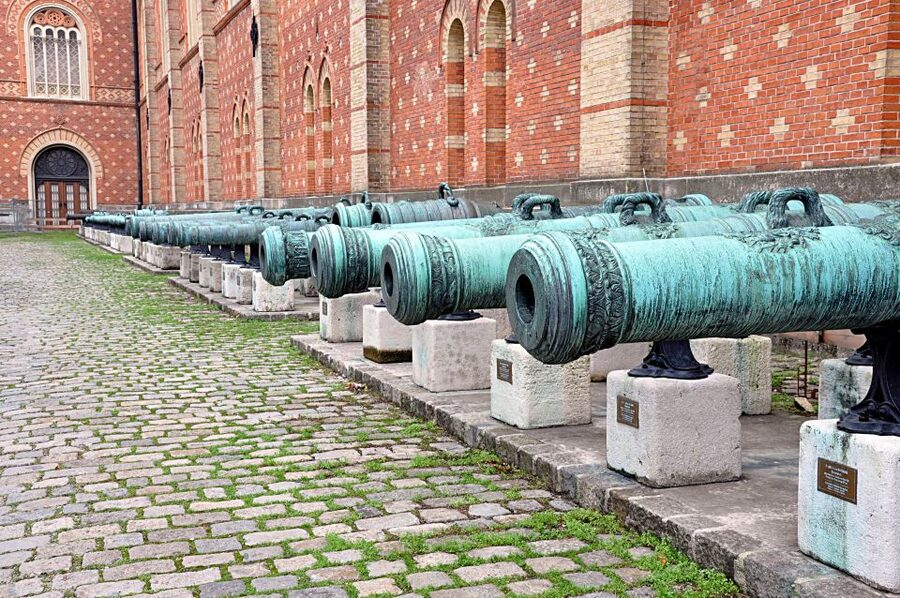
The Holocaust section is one of the most important parts of the walk. You pass the Holocaust Memorial and several Remembrance Stones connected with Jewish residents who were persecuted and killed.
These markers can be easy to overlook during an ordinary city walk. A guide gives them names, dates, and political meaning, helping you see how persecution entered ordinary neighborhoods. The Remembrance Stones are especially suited to a walking tour because they connect major events with individual lives and specific addresses.
The Holocaust Memorial provides a larger public place for remembrance. Its severe form and location in the Old Town create a pause in the route. This is not a cheerful sightseeing stop, and it should not be treated as one. The tour asks you to consider what happened to Vienna’s Jewish community and how public memory works after mass violence.
The subject matter may be difficult for younger children, though one guide, Peter, received praise for showing patience with a family traveling with a two-year-old. That says something useful about the private setup: the guide can adjust the pace when a child needs a break, even if the material itself remains demanding.
More Walking Tours in Vienna
- Vienna: Guided Walking Tour of City Center Highlights
★ 4.7 · 4,989 reviews - Vienna: Vienna Central Cemetery Guided Walking Tour
★ 4.8 · 3,307 reviews - Vienna: Guided Walking Tour of City Highlights & Hidden Gems
★ 4.9 · 2,180 reviews - Vienna: Viennese Underworld Guided Walking Tour
★ 4.7 · 1,865 reviews
Hofburg, Heldenplatz, and the imperial past
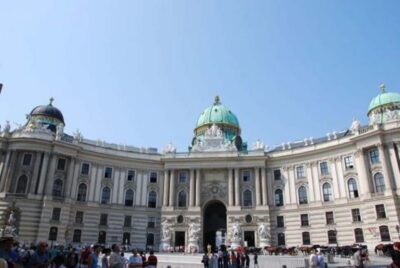
Hofburg appears as an exterior stop, bringing together Vienna’s imperial past and its twentieth-century political history. The palace complex was the seat of Habsburg power, but the surrounding area also became important during the Nazi period and after the war.
Nearby Heldenplatz includes a memorial crypt dedicated to victims of World War I and World War II. The location gives the guide a chance to discuss how Austria remembered military sacrifice, political violence, and national responsibility.
This part of the route can be especially helpful if you have already visited Hofburg for its imperial rooms or museums. You see the same setting through another lens. The palace is no longer only a symbol of emperors and court life. It becomes part of a story about the end of an empire, the rise of new political systems, and Austria’s difficult twentieth century.
You also see the monument to Emperor Franz Joseph I in Burggarten. The statue itself is not a wartime memorial, but it helps establish the older order that World War I destroyed. That contrast is one of the tour’s strengths: Vienna’s grand imperial symbols remain, while the guide explains the political world that disappeared around them.
St. Stephen’s Cathedral and the city center
St. Stephen’s Cathedral is included among the Old Town sights connected with the tour. The cathedral is one of Vienna’s best-known landmarks, and its presence gives the walk a familiar anchor while the guide explains the city’s wartime experience.
The information provided does not promise an interior visit, so plan to see the cathedral as part of the walking route rather than as a guided church tour. That distinction matters if you want detailed art or architecture commentary. This experience is designed around war, fascism, occupation, and remembrance.
The cathedral also helps you understand the scale of the route. Vienna’s historic center is compact enough for several major sites to be connected on foot, but comfortable shoes still matter. The tour lasts two hours, and you should expect to spend that time walking and listening rather than sitting indoors.
Ending at the opera and the Monument Against War and Fascism
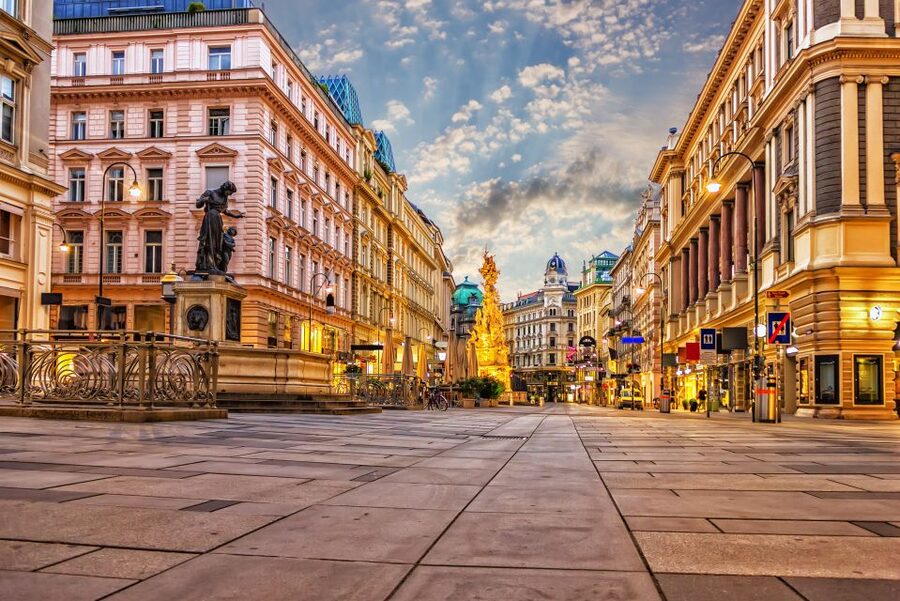
The final stop is the Monument Against War and Fascism near the Vienna State Opera. The opera house was heavily damaged during the bombing of Vienna in 1945, making the area a fitting place to discuss the destruction and liberation of the city.
The monument’s message gives the walk a clear closing point. After starting near the former Gestapo headquarters and passing places linked with persecution and political power, you finish with a public statement against war and fascism.
This ending also leaves you in a useful part of Vienna. The State Opera is a major city landmark, and the surrounding center offers plenty of options for continuing your day. The tour itself does not include transport, meals, or indoor admission, so you are free to plan the next stop according to your own interests.
What the guide adds to the experience
The guide is the main reason to book this walk. The route is compact, and you could pass many of these sites alone. The value comes from having someone explain the connections between them, answer questions, and point out details that are not obvious from the street.
The experience includes a licensed five-star guide fluent in your selected language. Available languages include English, German, Italian, French, Spanish, Russian, Polish, Chinese, Japanese, Croatian, Portuguese, and Arabic.
Several guides earned especially warm praise for their work. Peter was described as patient and detailed with a family traveling with a toddler. Sanda was praised for her professional approach, Alexander was singled out as excellent, and Frau Heuberger adapted the walk to individual interests while providing shade and rest breaks during very hot weather.
Those details give you a practical picture of private guiding. The best experience depends partly on telling the guide what you want. Ask for more political background, more Holocaust history, more architecture, or more attention to individual figures. The tour is advertised as tailored to your needs, and the format gives you a fair chance to shape the conversation.
Pace, heat, children, and group size
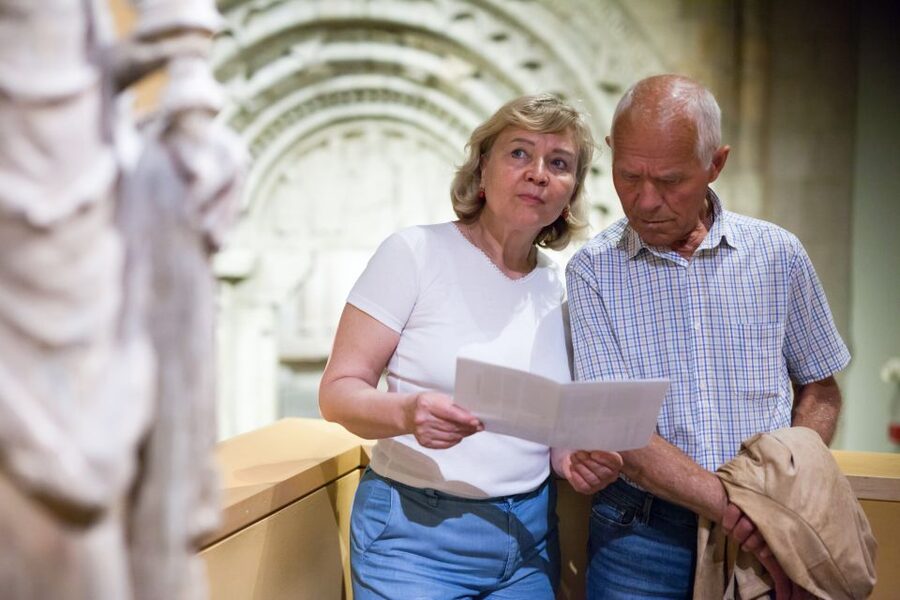
The tour is suitable for people who can manage a two-hour city walk. Wear comfortable shoes and dress for the weather. There is no indication of a dedicated indoor refuge along the route, so heat, rain, or cold can affect your comfort.
The account of Frau Heuberger guiding a group from shade to shade during a hot day is encouraging. Still, you should not assume every stop is shaded or that every guide will use the same rhythm. If the weather looks harsh, ask about pauses when you meet.
Private does not always mean tiny. The group limit is one to 25 people per guide. A couple or small family will get more room for questions and a more personal pace. A group near the upper limit may hear the guide clearly, but it will feel more like a standard group walk than a private conversation.
Groups larger than 25 require extra guides and cost more. For the advertised price of $214 per person, I would want a small group if possible. The price is easier to justify when divided among a family or group of friends, especially if everyone has a strong interest in twentieth-century European history.
Is $214 per person good value?
At $214 per person, this is not a budget sightseeing walk. You are paying for a private guide, a licensed professional, a choice of language, and a route built around a specific subject.
The value is strongest for people who want context rather than a quick list of landmarks. A general city walk may show you Hofburg, St. Stephen’s Cathedral, and the opera, but this experience links them to war, occupation, fascism, and remembrance. That focus saves you from trying to assemble the story from separate museums and guidebooks.
The value is weaker if you want extensive time inside buildings, military artifacts, or a full-day study of the war. There are no listed museum admissions, and the walk lasts only two hours. You are buying interpretation and conversation, not a large number of included attractions.
I would consider booking it early in your Vienna stay if World War II history is a main interest. The guide can give you a framework for the rest of the city, and you can then return to a memorial or museum with better context.
Who should book this Vienna history walk?
I recommend it for:
- Couples and families who want a private, serious history experience
- People interested in both World War I and World War II
- Visitors who want to understand Austria’s role in Nazi Germany
- Small groups that value questions and flexible pacing
- English speakers and international visitors who need a less common tour language
- Anyone who has seen Vienna’s imperial sights and wants a different view of the city
I would think twice if you want a light, entertaining introduction to Vienna. The Holocaust, Nazi terror, Austrofascism, and wartime destruction are central themes. The subject is important, but it is not easygoing.
I would also compare prices carefully if you are traveling alone. At $214 per person, a solo booking gives you the most personal format but also the least favorable cost per person. For a family or group of friends, the same price can make more sense.
Final decision: a strong choice for focused history
I would book this tour if you want Vienna’s major sights explained through the difficult events of the twentieth century. The starting point at the former Gestapo headquarters, the Holocaust Memorial, Remembrance Stones, Hofburg, Heldenplatz, and the bombing-damaged opera area create a thoughtful route.
The best reasons to choose it are the private format, wide language selection, and guides who appear willing to adjust their pace and explanations. The main warning is price. You should also know that two hours allows for a clear overview, not every detail.
Book it for a small group, wear good shoes, and tell your guide what you most want to understand. If you do that, this walk can turn familiar Vienna landmarks into a far more meaningful history lesson.
FAQ
How long does the World War II History Vienna Old Town tour last?
The walking tour lasts two hours.
Where does the tour begin?
You meet your guide in front of Denkmal der Opfer des Faschismus, the Memorial to the Victims of Nazi Terror, at Morzinplatz 4, 1010 Vienna.
Where does the tour end?
The tour ends at the Monument Against War and Fascism near the Vienna State Opera.
Which languages are available?
The tour is available in English, German, Italian, French, Spanish, Russian, Polish, Chinese, Japanese, Croatian, Portuguese, and Arabic.
Is this a private tour?
Yes. It is arranged as a private group tour.
How large can the group be?
The recommended group size is one to 25 people per guide. Larger groups require additional guides, and the price will be higher.
Does the tour include entry inside Hofburg?
No. Hofburg is viewed from the exterior only.
What should I wear?
Wear comfortable shoes and dress appropriately for the weather because the experience is a walking tour.
Can I cancel for a full refund?
Yes. You can cancel up to 24 hours in advance for a full refund.
Can I reserve now and pay later?
Yes. The booking option allows you to reserve your place and pay nothing at the time of booking.
More Walking Tours
- Vienna: 1.5-Hour Underground Walking Tour
★ 4.9 · 1,146 reviews - Vienna: Ghosts and Legends Guided Nighttime Walking Tour
★ 4.4 · 1,088 reviews - Historical Hitler Walking Tour of Vienna
★ 5.0 · 887 reviews - Vienna: History Highlight Walking Tour
★ 4.9 · 602 reviews
More Historical Tours
- Vienna: Time Travel and Magic Vienna History Tour
★ 4.6 · 3,879 reviews - Vienna: World War II Historical Walking Tour
★ 4.8 · 1,772 reviews - Vienna Historic Center Small Group Walking Tour
★ 5.0 · 1,746 reviews - Time Travel-Magic Vienna History Tour Ticket
★ 4.5 · 1,099 reviews
Just added around Vienna
- Mobile puzzle rally tour at the Vienna Central Cemetery★ 4.5 · 3 reviews
- RAXI (E-Rickschaw) big private Vienna tour★ 4.5 · 3 reviews
- 8 days European Highlights PRIVATE TOUR from Budapest including Budapest Vienna Prague and Bratislava★ 5.0 · 3 reviews
- Private Transfer from Vienna to Prague with 1 hour Stop in Kutna Hora★ 4.5 · 3 reviews
- Palais Lobkowitz Audio Guide Tour★ 4.0 · 3 reviews
- Private Tour from Vienna to Melk and Dürnstein★ 4.5 · 3 reviews
- Vienna: Designer Fashion Time Capsule Experience★ 5.0 · 3 reviews
- Private day trip from Munich to Eagle’s Nest & Hallstatt★ 4.7 · 3 reviews
Historical Tours, compared.



Vienna Historic Center Small Group Walking Tour
Read our review →
Skip-the-Line Schonbrunn Palace Guided Tour and Vienna Historical City Tour
Read our review →
Vienna Mozart Concert in Historical Costumes at the Musikverein
Read our review →
Browse the lists this tour appears in