
Reviewed · MUSEUMS
Admission Pass to The Roman Quarter and the Museum Carnuntinum
Ancient Rome feels surprisingly close here. Carnuntum’s reconstructed Roman Quarter lets you walk through working baths, painted rooms, gardens, and furnished homes instead of viewing ruins from behind a rope. I like the hands-on setting and the way the Carnuntinum Museum adds real objects and historical context. One consideration: the Roman Quarter and museum are separate stops, and the distance between locations may require extra planning.
For about $16.21 per person, you get a full day’s access to both sites, though the suggested visit lasts roughly three hours. There are no guided tours included, so you’ll need to read the displays and set your own pace. The good news is that the setting is easy to enjoy without a guide, and families get a playground, open lawns, and plenty of room to roam.
In This Review
- Five things to know before visiting Carnuntum
- Why Carnuntum feels different from a normal Roman ruin
- The Roman Quarter: four reconstructed homes with working details
- The Roman Therme and its splashing water
- The villa urbana and its painted rooms
- The oil merchant’s house
- The House of Lucius and its garden
- The visitor center, restaurant, and playground
- Museum Carnuntinum: original objects and the Danube frontier
- How to plan the two stops
- Is the $16.21 admission good value?
- Who will enjoy Carnuntum most?
- Booking and cancellation details
- Should you book this Roman Quarter and museum pass?
- FAQ
- Where is the Roman Quarter and Museum Carnuntinum?
- How long does the visit take?
- What are the opening hours?
- Is a guided tour included?
- What can I see in the Roman Quarter?
- What is displayed at Museum Carnuntinum?
- Can I cancel for a full refund?
Five things to know before visiting Carnuntum
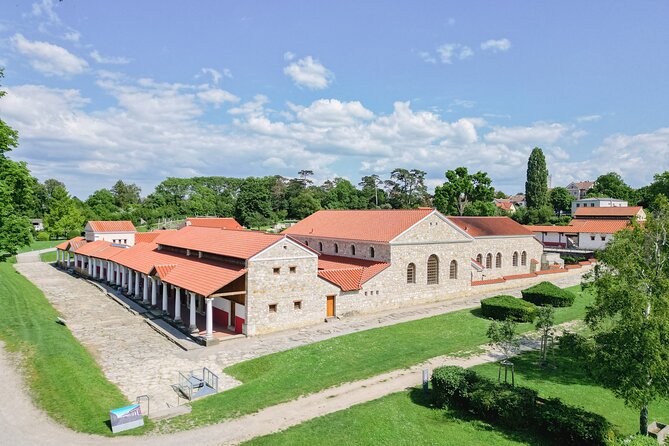
- Four Roman houses are fully reconstructed: See a working bathhouse, the Roman Therme, a city palace called the villa urbana, the oil merchant’s house, and the House of Lucius.
- The Carnuntinum Museum holds ancient finds: Its current exhibition, Metropolis at the Danube Limes, explains Carnuntum, its people, and its place on the UNESCO World Heritage site near Vienna.
- Plan for about three hours: Allow roughly 1 hour and 20 minutes at the Roman Quarter and 1 hour at the museum, with additional time for moving between sites.
- The experience is self-guided: Guided tours are not included, although guided visits in English may be available separately.
- It suits families as well as history fans: A large children’s playground, trees, meadows, and an outdoor setting make this more than a museum visit.
- A weekend shuttle may help: A shuttle bus has been set up between locations during the current season, but it is wise to confirm the operating details before you go.
Why Carnuntum feels different from a normal Roman ruin
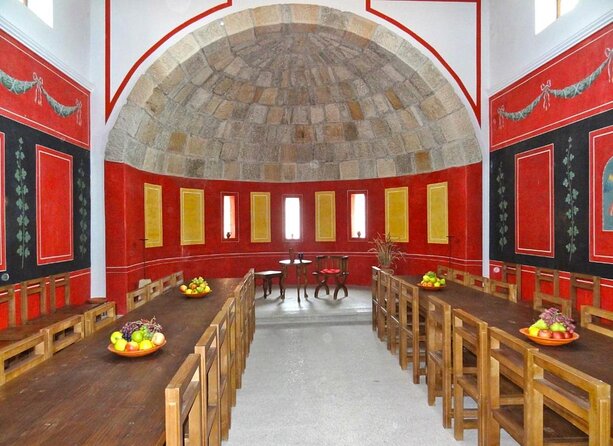
Many ancient sites ask you to picture the missing walls, roofs, furniture, and daily routines. Carnuntum does some of that work for you. You enter buildings that have been reconstructed as functioning Roman spaces, with decoration, furniture, objects, and working features.
That changes the visit. Instead of only studying foundations, you can picture how a Roman household moved through its rooms, how water reached a bathhouse, and how a prosperous home might have looked. The result is theatrical in the best sense, though that approach will not suit everyone. If you prefer untouched ruins and strictly archaeological presentation, parts of Carnuntum may feel polished or staged.
I like the balance between imagination and evidence. The reconstructed houses create a clear picture of Roman life, while the Carnuntinum Museum gives you original finds and a broader historical frame. You get both the daily details and the larger story.
The site also has a useful sense of space. Trees, lawns, and open outdoor areas give you room to pause between buildings. Children do not have to spend three hours moving quietly through display cases, and adults can take a break without leaving the archaeological setting.
More museums:
- Vienna: Skip-the-Line Sisi Museum, Hofburg and Gardens Tour
★ 4.8 · 5,918 reviews - Vienna Kunsthistorisches Museum Day Admission Ticket
★ 4.6 · 3,690 reviews - Tickets for the Albertina Exhibitions
★ 4.7 · 2,126 reviews
The Roman Quarter: four reconstructed homes with working details
The Roman Quarter is the main attraction for many people. It is described as the showpiece of the Roman city, and the reason is simple: the buildings are not just low walls or partial facades. Four houses have been reconstructed with interiors and furnishings intended to show how the spaces functioned.
You can spend about 1 hour and 20 minutes here, though families or visitors who enjoy reading every panel may want longer. The setting includes the buildings, a large visitor center, the Forum Culinarium restaurant, a children’s playground, and broad outdoor areas.
The Roman Therme and its splashing water
The fully functioning bathhouse, called the Roman Therme, gives you one of the clearest ideas of Roman comfort and engineering. Water splashes through the thermal setting, helping you picture the baths as active social spaces rather than silent archaeological remains.
This is one of the most effective parts of the visit because sound and movement make the building easier to understand. You are not only looking at a room labeled bathhouse. You can connect the architecture with its purpose.
The bathhouse is also a good stop for visitors who do not know much about Roman history. You can grasp the basic idea quickly, then spend more time on the details if you wish. Look for how the rooms relate to one another and how the design suggests a place built for routine use.
The villa urbana and its painted rooms
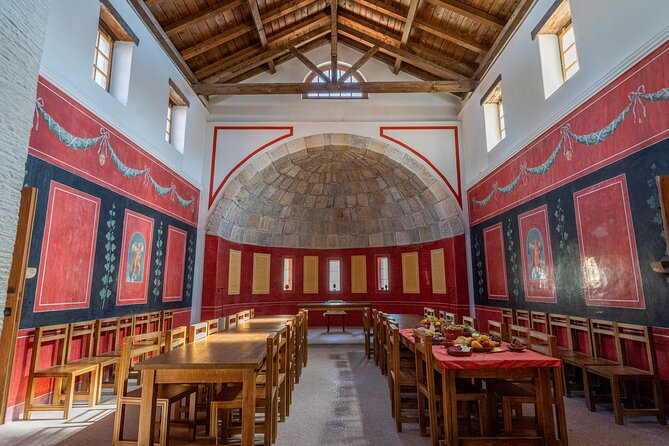
The villa urbana was a stately city residence, and its murals are among the most memorable visual features in the quarter. The painted decoration gives you a sense of the owner’s money, taste, and desire to display status.
I like this house because it moves the Roman story beyond soldiers and emperors. You see how private life and social rank were expressed inside the home. The rooms also help explain why reconstructed interiors can be useful: color and decoration are often difficult to imagine when only foundations survive.
Take your time here. The murals may look attractive at first glance, but they also help you understand that Roman homes were designed spaces, not bare stone boxes. Furniture and objects add to that impression.
A completely different kind of day out in Austria:
- Vienna: Vivaldi’s Four Seasons Concert in Karlskirche
★ 4.7 · 14,951 reviews - Vienna: Spanish Riding School Training
★ 3.9 · 9,281 reviews - Vienna: Skip-the-cashier-desk-line Giant Ferris Wheel Ride
★ 4.5 · 7,859 reviews - Vienna: Schönbrunn Palace & Gardens Skip-the-Line Tour
★ 4.7 · 7,739 reviews
The oil merchant’s house
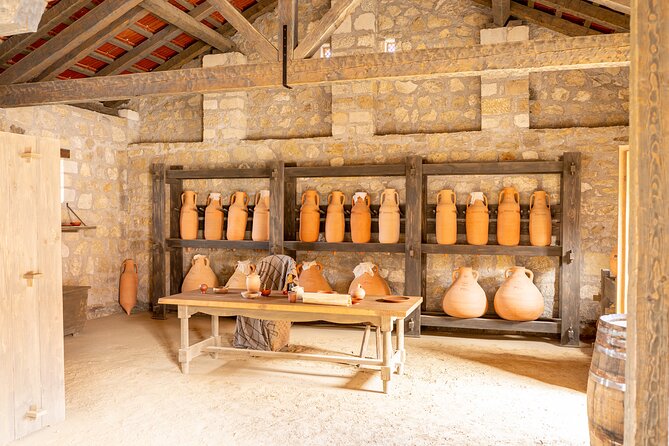
The oil merchant’s house offers a different view of Roman life. Its value is not only in the building itself, but in the way it points toward trade, work, storage, and household business.
This stop helps prevent the Roman Quarter from becoming a tour of grand homes alone. An oil merchant’s residence gives you a glimpse of commercial life and the people whose work kept the city supplied. I would pay attention to the objects and layout here, since they help connect domestic space with economic activity.
The House of Lucius and its garden
The bourgeois House of Lucius presents a more modest side of city life, and its garden is a pleasant part of the visit. Strolling through the garden gives you a change of pace after looking closely at interiors.
The house is useful because it broadens the picture of Roman society. Carnuntum was not occupied only by emperors, officers, or wealthy palace owners. Ordinary urban life also mattered, and the House of Lucius makes that idea easier to grasp.
You may find this the most relaxing section of the Roman Quarter. The garden, trees, and open grounds make it easy to slow down rather than rush from one reconstruction to the next.
The visitor center, restaurant, and playground
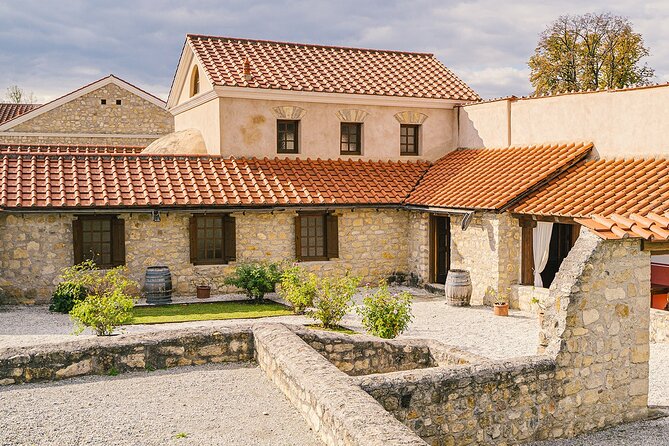
The large visitor center gives you a practical starting point and helps orient you before you enter the reconstructed homes. Since the quarter contains several buildings and a large outdoor area, taking a moment to understand the layout can save you from wandering without a plan.
The Forum Culinarium restaurant is on site, which matters because the Roman Quarter is not a quick ten-minute stop. You can build a longer visit around it, particularly if you are traveling with children.
The playground is another genuine advantage. It gives younger visitors a place to let off steam and makes the site easier for families to manage. You still need to supervise your own schedule, since the attraction does not include a guided children’s program, but the combination of open grounds and play space is helpful.
The open-air setting also means you should think about the day’s conditions. The supplied information does not specify shade levels, seating, or weather facilities throughout the grounds, so plan for an outdoor visit rather than assuming every section is indoors.
Museum Carnuntinum: original objects and the Danube frontier
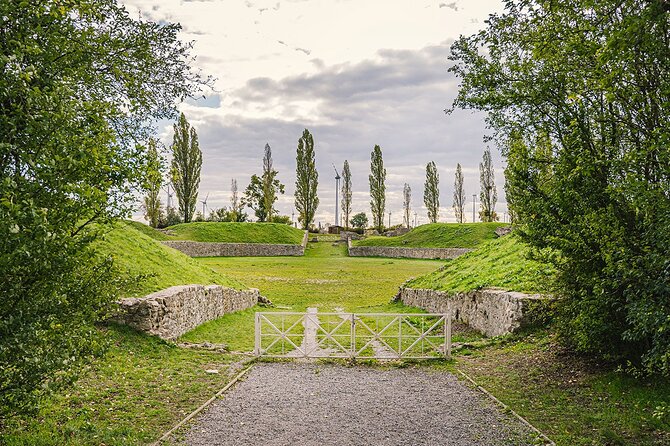
Set aside about an hour for the Carnuntinum Museum. It is the indoor counterpart to the reconstructed quarter, holding finds from roughly 2,000 years of Roman history at Carnuntum.
The current exhibition is called Metropolis at the Danube Limes. It focuses on the city’s history, the lives of its inhabitants, and the UNESCO World Heritage site at the edge of Vienna. That focus gives you context that the reconstructed houses cannot provide on their own.
I would visit the museum either before the Roman Quarter, if you want background first, or afterward, if you prefer to begin with the vivid buildings and then examine the evidence. Both orders work. The important point is not to skip the museum. The outdoor reconstructions show how spaces may have looked, while the museum brings you back to actual archaeological finds.
The museum has been described as theatrical, and that is worth keeping in mind. Its presentation aims to make the material engaging rather than purely academic. Some visitors will appreciate the lively approach; others may prefer a quieter, more traditional display.
The exhibition also helps place Carnuntum within the Danube frontier. You are not looking at an isolated Roman settlement. The museum connects the city with the wider Roman world and with the UNESCO site near Vienna.
How to plan the two stops
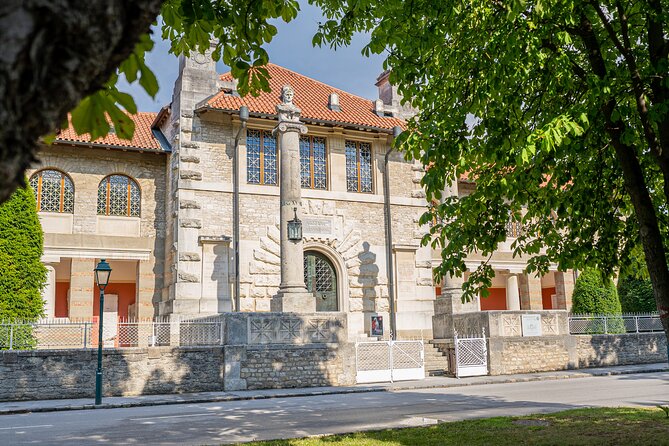
The advertised duration is about three hours: approximately 1 hour and 20 minutes at the Roman Quarter and 1 hour at the museum. That timing is realistic for a focused visit, but I would add buffer time for moving between the sites, eating, using the playground, and pausing in the gardens.
The Roman Quarter and Carnuntinum Museum are separate locations. This is the main practical issue with the admission pass. A shuttle bus has been arranged on weekends during the current season because of the distance between the sites. Since shuttle schedules can change, check the latest details before setting out.
The sites are open daily from 9:00 a.m. to 5:00 p.m. during the stated 2025 season, from April 23 through November 15. Arriving earlier gives you more freedom to set your pace and leaves room for the museum, lunch, or a second look at a favorite house.
Public transportation is nearby, and service animals are allowed. Most people can take part, but the information provided does not give a detailed accessibility description for every path or building. If you have specific mobility needs, contact the provider before booking and ask about surfaces, entrances, and transport between locations.
Is the $16.21 admission good value?
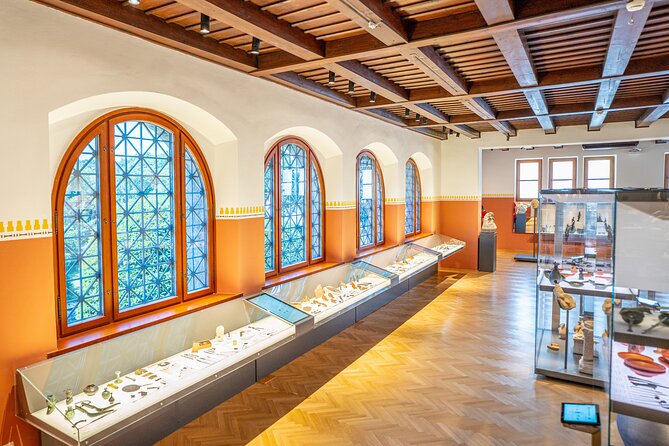
At about $16.21 per person, the pass offers solid value if you plan to visit both sites. You are paying for access to a large Roman Quarter with several reconstructed buildings, outdoor grounds, visitor facilities, and a separate museum with ancient finds.
The price is especially fair for anyone who enjoys self-guided sightseeing. You can spend extra time in the villa urbana, pause in the House of Lucius garden, or move quickly through displays that interest you less. You are not paying for a fixed group schedule.
The value is less clear if you only have time for a brief stop. Since the two attractions are separated and the pass does not include a guided tour, rushing through both would weaken the experience. If you can give Carnuntum its full three hours, the admission feels much more worthwhile.
Guided tours are not included. English guided visits may be available, but the supplied information does not give their schedule or price. If interpretation matters to you, check before arriving rather than assuming a guide will be waiting.
Who will enjoy Carnuntum most?
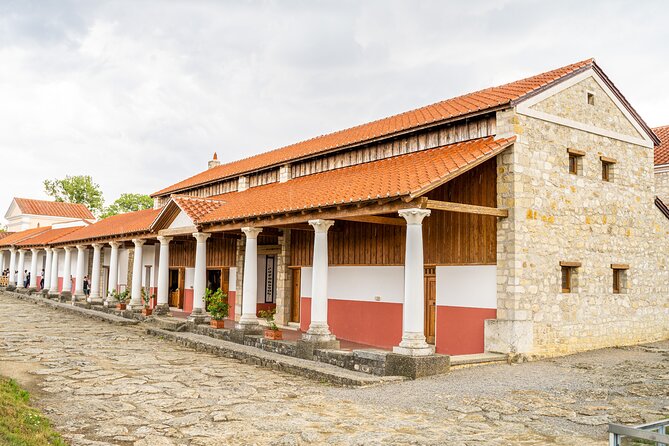
I would recommend this experience to families, first-time Roman-history visitors, and anyone who learns better from rooms and objects than from exposed foundations. The playground, restaurant, lawns, and open setting make it easier to spend several hours here with children.
It also suits visitors who want a break from central Vienna. Carnuntum offers a more spacious, slower visit than a crowded city museum, with enough visual detail to keep serious history fans interested.
You may be less satisfied if you want a strictly original archaeological site. The reconstructions are the point, but they also create a guided interpretation of the past. Some people will find that helpful and memorable. Others may feel the presentation is too theatrical.
The site can also be a good choice for repeat visits. Details in the furniture, murals, room arrangements, and objects reward a slower second look. One visit gives you the general picture. A return visit lets you notice how the houses were organized and how daily life might have worked.
Booking and cancellation details
Confirmation is provided at the time of booking. You can cancel for a full refund up to 24 hours before the experience begins. Cancellations made less than 24 hours before the start time are not refunded, and changes within that same period are not accepted.
The cut-off is based on local time. That is worth remembering if you are booking from another time zone.
Should you book this Roman Quarter and museum pass?
Book it if you want Roman history you can picture clearly. The working bathhouse, painted villa, merchant’s house, and House of Lucius turn abstract history into rooms, gardens, water, and household objects. The Carnuntinum Museum then adds original finds and the story of Carnuntum’s place along the Danube frontier.
Before booking, make sure you can give yourself enough time for both locations. Confirm the weekend shuttle if you need it, and do not expect a guided tour to be included. If you prefer active, visual history and a family-friendly outdoor setting, this is a strong-value admission. If untouched ruins and formal expert commentary matter most, you may want to adjust your expectations.
FAQ
Where is the Roman Quarter and Museum Carnuntinum?
The experience is in Lower Austria, Austria. The Roman Quarter and Museum Carnuntinum are separate stops within the Carnuntum site area.
How long does the visit take?
The suggested duration is about three hours. Approximately 1 hour and 20 minutes is allocated to the Roman Quarter and about 1 hour to the museum, with additional time needed to move between locations.
What are the opening hours?
The stated opening hours are daily from 9:00 a.m. to 5:00 p.m., from April 23, 2025, through November 15, 2025.
Is a guided tour included?
No. Guided tours are not included in the admission pass. Guided visits in English may be available separately.
What can I see in the Roman Quarter?
You can visit four reconstructed Roman houses, including the Roman Therme bathhouse, the villa urbana, the oil merchant’s house, and the House of Lucius. The area also includes a visitor center, restaurant, playground, trees, and meadows.
What is displayed at Museum Carnuntinum?
The museum contains finds from about 2,000 years of Roman history at Carnuntum. The current exhibition is Metropolis at the Danube Limes, covering Carnuntum, its inhabitants, and the UNESCO World Heritage site near Vienna.
Can I cancel for a full refund?
Yes. You can cancel at least 24 hours before the experience start time for a full refund. Cancellations or changes made less than 24 hours before the start time are not accepted for a refund.
Just added around Austria
- Mobile puzzle rally tour at the Vienna Central Cemetery★ 4.5 · 3 reviews
- Power of Trees Private Tasting Tour★ 5.0 · 3 reviews
- 8 days European Highlights PRIVATE TOUR from Budapest including Budapest Vienna Prague and Bratislava★ 5.0 · 3 reviews
- RAXI (E-Rickschaw) big private Vienna tour★ 4.5 · 3 reviews
- Salzburg & “The Sound of Music” Full Day Driver-Guided Tour★ 5.0 · 3 reviews
- Private Transfer from Vienna to Prague with 1 hour Stop in Kutna Hora★ 4.5 · 3 reviews
- Palais Lobkowitz Audio Guide Tour★ 4.0 · 3 reviews
- Private Tour from Vienna to Melk and Dürnstein★ 4.5 · 3 reviews
Museums, compared.

Skip-the-Line Sisi Museum, Hofburg and Gardens Tour
Read our review →
Vienna Kunsthistorisches Museum Day Admission Ticket
Read our review →

Chocolate Workshop in Chocolate Museum w/ Tasting
Read our review →

St. Stephen’s Cathedral & Dom Museum Wien Tickets
Read our review →

Browse the lists this tour appears in