
Reviewed · MUSEUMS
Vienna: Johann Strauss 200th birthday anniversary exhibition
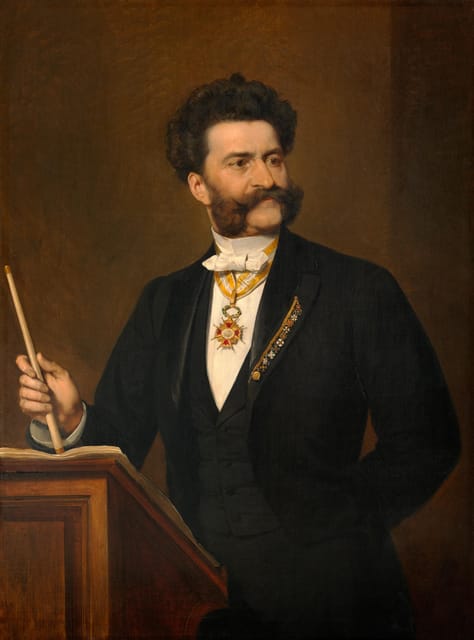
Vienna still dances to Strauss. This Johann Strauss exhibition at the Theatermuseum in Palais Lobkowitz gives you a focused look at the composer behind the famous waltzes, operettas, and concert works. I especially like the chance to see the original score of Die Fledermaus and to follow Strauss’s career beyond Vienna, including his celebrated trip to Boston.
I also appreciate the mix of personal and artistic material. You get more than polished portraits and familiar melodies: the exhibition considers his parents, brothers, three wives, and love affairs in Russia, then connects those private stories with his public success. The main drawback is that the audio guide is not included, and one presentation feature may frustrate you: the music is not always synchronized with the films.
In This Review
- Key points to know before you go
- Why Strauss still matters in Vienna
- Entering Palais Lobkowitz and the Theatermuseum
- Following Strauss from family conflict to public fame
- The original Die Fledermaus score
- From waltz halls to the stage
- Music, films, and the Boston connection
- How long should you plan for the visit?
- Is $18 a fair price?
- Who will enjoy this exhibition most?
- Booking, flexibility, and practical choices
- Should you book the Johann Strauss exhibition?
- FAQ
- Where is the Johann Strauss anniversary exhibition held?
- How much does admission cost?
- What does the ticket include?
- Is an audio guide included?
- How long is the ticket valid?
- Do I need to select a starting time?
- Can I see an original Die Fledermaus score?
- Can I cancel my booking?
- Is the exhibition wheelchair accessible?
Key points to know before you go
- The original Die Fledermaus score is the star object: Seeing Strauss’s own written music adds a direct link to one of his best-known works.
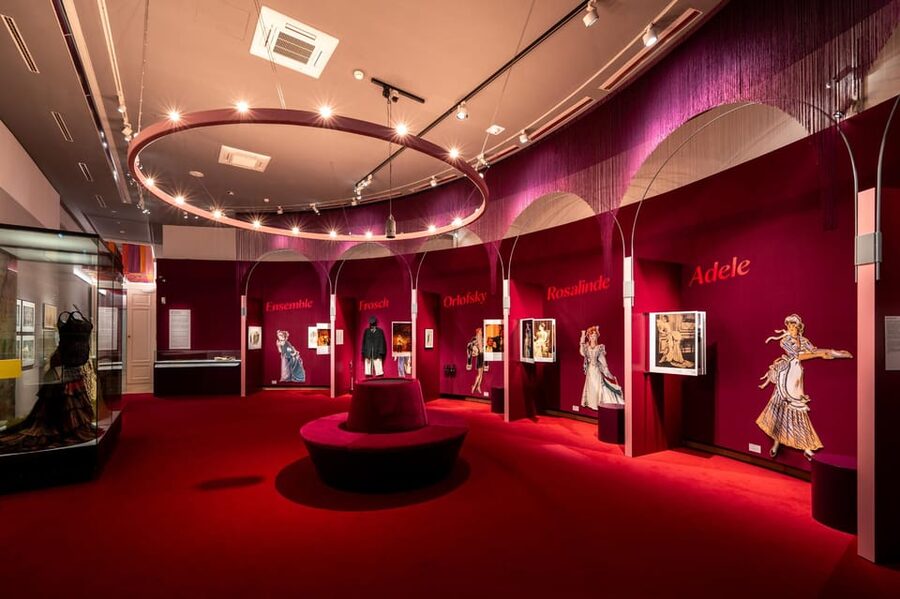
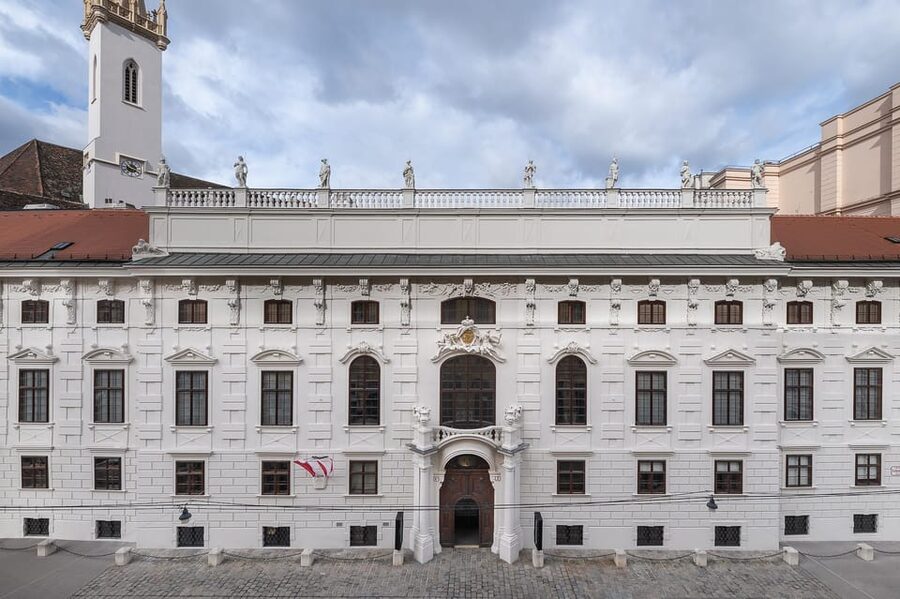
- The setting is historic Palais Lobkowitz: Your ticket includes entry to Vienna’s Theatermuseum as well as the anniversary exhibition.
- The exhibition covers music, family, and fame: It looks at Strauss’s artistic work and his complicated personal life.
- Boston appears in the story: The display follows Strauss’s international reach and his world tour to the American city.
- Music is part of the presentation: Sound examples help bring the exhibition to life, though the film synchronization is imperfect.
- The ticket costs $18 per person: With museum admission included, the price makes sense for Strauss fans and anyone interested in Vienna’s musical identity.
Why Strauss still matters in Vienna
Johann Strauss Sohn, often called the Waltz King, is woven into Vienna’s public image. His music is played at concerts, balls, celebrations, and New Year events, but it can be easy to treat him as little more than a composer of cheerful dance tunes.
This exhibition gives you a fuller picture. Strauss worked in a demanding family business, competed with his brothers, built an international career, and wrote for both the ballroom and the theater. His music moved between entertainment and serious professional craft.
The 200th anniversary provides a useful reason to revisit that career. You are not simply looking at a famous name from the past. You are seeing how Strauss helped turn Viennese dance music into an international product, with audiences far beyond Austria.
That international angle matters. The exhibition follows Strauss’s world tour to Boston, showing that his appeal was not limited to the elegant halls of Vienna. His waltzes crossed borders because they were easy to recognize, enjoyable to hear, and closely tied to the image of modern European city life.
More museums:
- Vienna: Skip-the-Line Sisi Museum, Hofburg and Gardens Tour
★ 4.8 · 5,918 reviews - Vienna Kunsthistorisches Museum Day Admission Ticket
★ 4.6 · 3,690 reviews - Tickets for the Albertina Exhibitions
★ 4.7 · 2,126 reviews
Entering Palais Lobkowitz and the Theatermuseum
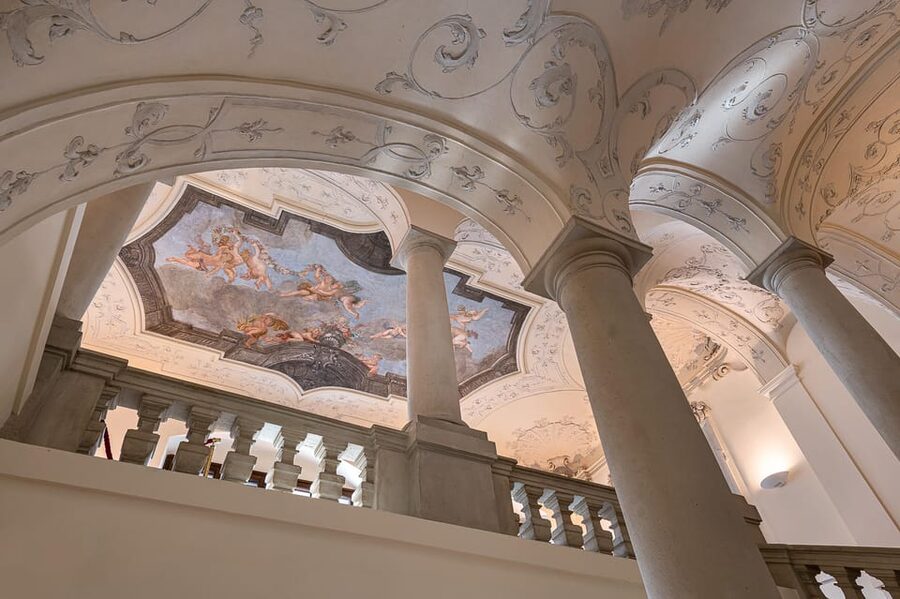
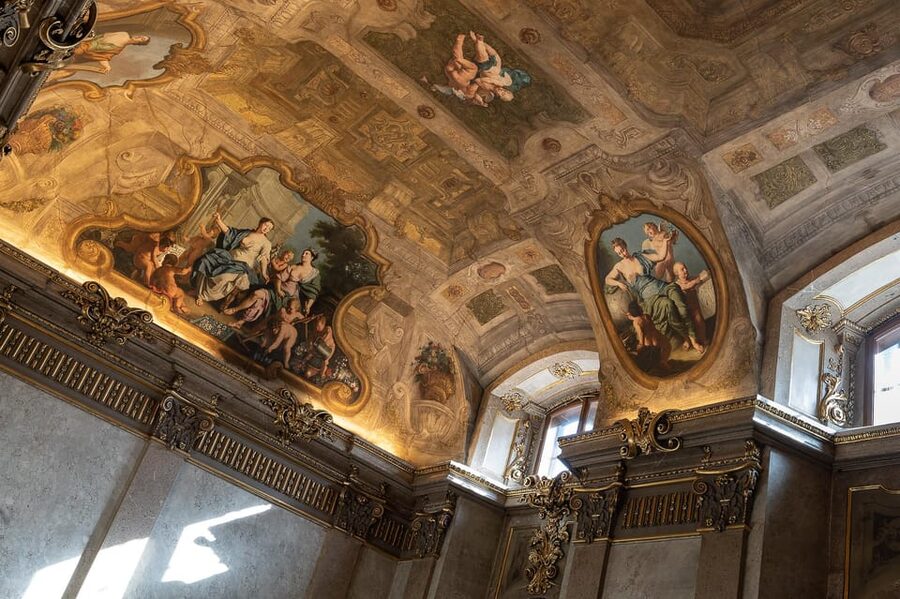
Your ticket includes admission to the Theatermuseum in Palais Lobkowitz, a grand historic setting in central Vienna. The building gives the exhibition the right atmosphere without needing elaborate decoration. You are looking at Strauss in a palace associated with Vienna’s performance culture, not in a plain temporary gallery.
The museum setting also broadens the visit. You can approach Strauss as a composer, but the surrounding institution places him within theater and stage history. That is especially useful when you reach his music theater works, where scenery, costumes, performance, and music all matter.
I would allow enough time to look beyond the anniversary display if your schedule permits. The supplied information confirms that the ticket covers the Theatermuseum, but it does not promise a fixed length for the visit or describe every permanent gallery. Think of the Strauss exhibition as the main reason for buying this ticket, with the museum admission adding value.
The location in Palais Lobkowitz also makes this easy to fit into a day in Vienna. You do not need to commit to a full-day excursion or a complicated transport plan. The ticket is valid for one day, and you choose from the available starting times when booking.
Following Strauss from family conflict to public fame
The exhibition does not present Strauss as an isolated genius. It looks at his relationships with his parents and brothers, which is important because music was also a family matter. The Strauss name carried both opportunity and pressure.
You also learn about his three wives and love affairs in Russia. This personal material gives the composer’s public image some rough edges. It can be tempting to remember only the smiling orchestra leader and the graceful waltz, but his private life was more demanding and less tidy.
I like this approach because it prevents the exhibition from becoming a simple celebration. Anniversary displays often polish their subject until every complication disappears. Here, the family and relationship material helps explain the person behind the performances.
At the same time, you should not expect a full biographical museum devoted equally to every stage of Strauss’s life. The Theatermuseum presentation focuses mainly on his artistic production, dance and concert music, and music theater. Personal details support that story rather than taking it over.
The original Die Fledermaus score
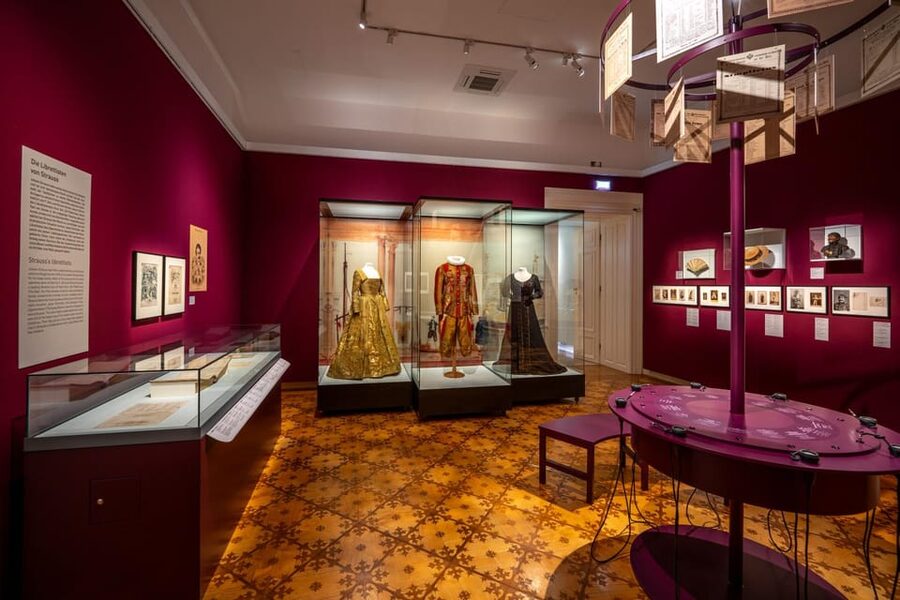
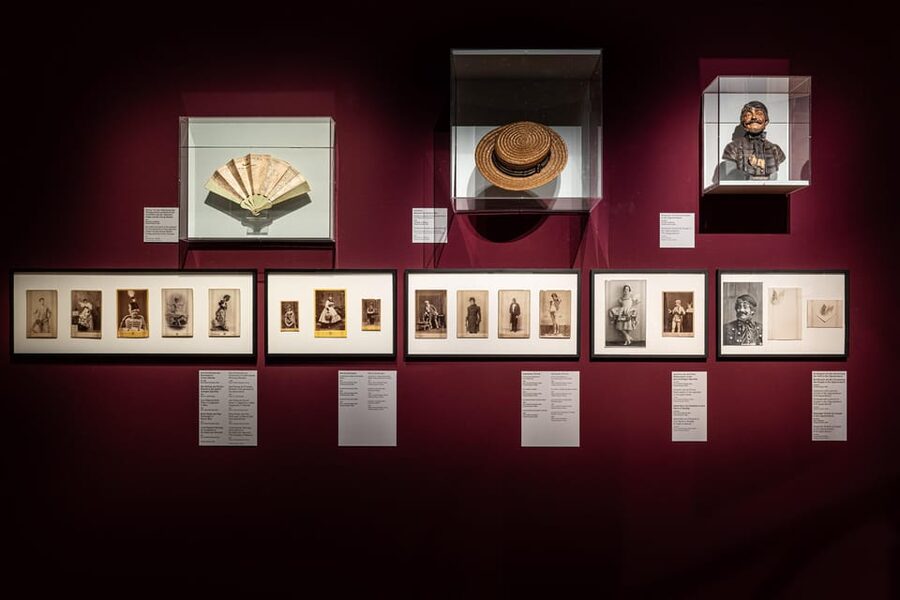
The original score of Die Fledermaus is the clearest reason to take your time. Printed music can look quiet behind glass, especially beside audio and film displays, but an original score gives you a physical connection to Strauss’s working life.
Die Fledermaus is one of Strauss’s key operettas, and seeing the source document turns a familiar title into something tangible. You can think about the gap between the marks on the page and the full stage production audiences hear and see.
The score is also valuable for visitors who already know Strauss’s music. If you have heard Die Fledermaus performed, the manuscript or original document adds another layer to that memory. If you know little about the work, it gives you a clear anchor for understanding Strauss’s theater career.
Do not expect every object to have the same immediate impact. Some written material may reward visitors who already care about composition or biography more than casual museumgoers. The exhibition’s music examples help balance that quieter material.
A few more trips of this kind worth comparing:
- Vienna: Vivaldi’s Four Seasons Concert in Karlskirche
★ 4.7 · 14,951 reviews - Vienna: Spanish Riding School Training
★ 3.9 · 9,281 reviews - Vienna: Skip-the-cashier-desk-line Giant Ferris Wheel Ride
★ 4.5 · 7,859 reviews - Vienna: Schönbrunn Palace & Gardens Skip-the-Line Tour
★ 4.7 · 7,739 reviews
From waltz halls to the stage
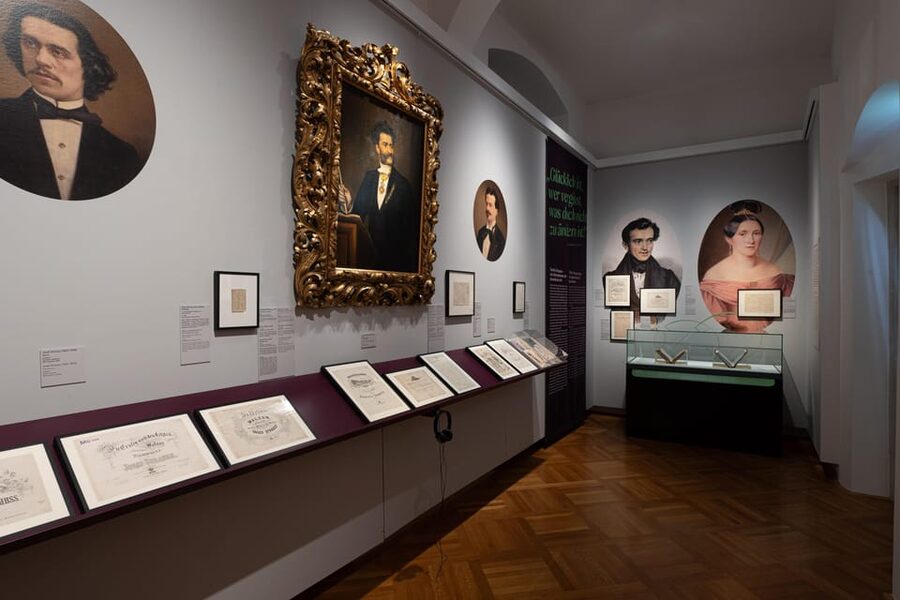
Strauss is best known for dance music, and the exhibition gives that work serious attention. The waltz was not just background entertainment. It was a social form, a performance business, and a major part of Vienna’s public identity.
The display also covers concert music and music theater. This wider range helps you see how Strauss adjusted his work for different settings. A dance piece, a concert number, and an operetta may all carry his recognizable sound, but they serve different audiences and performance needs.
Original objects from performances and other exhibits from Strauss’s written legacy add useful context. These materials connect the music with the practical world around it: performers, stages, audiences, and the political conditions of the time.
That context is one of the exhibition’s better features. You are not asked to admire melodies in isolation. You get clues about the world that made Strauss famous and the public events that helped his music travel.
Music, films, and the Boston connection
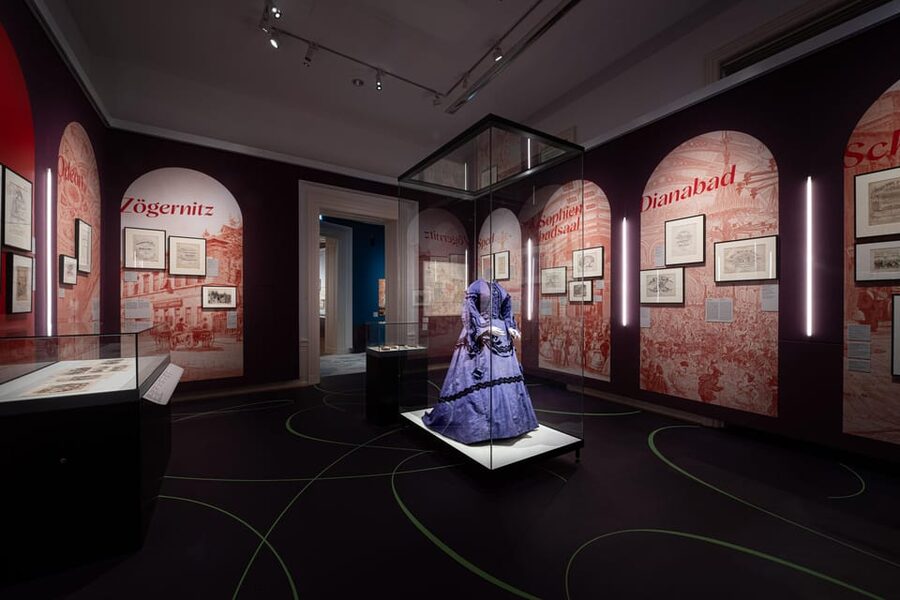
Sound examples are a major part of the experience. Hearing Strauss while looking at related objects can help you recognize why the music remains popular. Even visitors who cannot read a score can understand the lift, rhythm, and theatrical energy through the audio.
The presentation also uses films. One technical weakness is that the music does not always match the film timing. When an image and soundtrack are out of step, the effect can feel awkward and distract from the material.
That problem does not ruin the visit, but it is worth knowing before you arrive. Come for the objects, documents, historical setting, and broad story of Strauss’s career. Treat the audio and film elements as useful additions, not as a perfectly produced multimedia show.
The Boston material adds welcome scale. Strauss’s world tour shows that his career was not confined to Viennese ballrooms. His music reached an American audience and became part of a much larger international culture.
For me, this is one of the exhibition’s most helpful ideas: Strauss was both deeply connected to Vienna and highly successful at exporting a Viennese sound. The display lets you consider those two facts together.
How long should you plan for the visit?
The ticket is valid for one day, but no fixed visit duration is provided. That flexibility is helpful because you can match the exhibition to your interest level.
If you are a committed Strauss fan, plan a slower visit. Read the written material, study the original score, listen to the music examples, and give the performance objects your attention. You may also want time for the wider Theatermuseum.
If you are fitting this between other Vienna sights, it works as a shorter cultural stop. The exhibition has a clear subject, and the main themes are easy to grasp: Strauss’s family, his music, his stage work, his international reach, and his place in Vienna.
Starting times depend on availability. Check the schedule before booking, especially if you want to coordinate the visit with another timed attraction. The experience is not described as a guided tour, so you have more control over your pace than you would with a group excursion.
Is $18 a fair price?
At $18 per person, the ticket is a reasonable buy if you want a dedicated look at Strauss. Admission includes both the Theatermuseum in Palais Lobkowitz and the anniversary exhibition, so you are not paying only to view a small display in isolation.
The value is strongest for three kinds of visitors:
- Strauss fans who want original material and a closer look at his career.
- Music lovers who enjoy seeing how scores, performances, and public life connect.
- Vienna first-time visitors who want a cultural stop tied directly to the city’s musical reputation.
The value is weaker if you want a large, highly interactive attraction or a full concert experience. The ticket does include lively sound examples, but it is an exhibition, not a live Strauss performance. The audio guide is also extra, so factor that in if you prefer guided interpretation.
The current rating is 4.7 from three ratings, which suggests a very positive early response, though the small number means you should not treat that figure as a complete measure of every visitor’s experience. The most praised elements are the language presentation, music examples, informative content, and overall impression.
Who will enjoy this exhibition most?
I would recommend it first to anyone who already has some interest in Strauss. Familiarity with The Blue Danube, Die Fledermaus, or the Viennese waltz tradition will make the original score and performance objects more meaningful.
You do not need formal musical training. The audio examples and the personal story give non-specialists several ways into the subject. If you know Strauss only as the composer associated with elegant New Year concerts, the exhibition can help fill in the rest.
It also suits visitors who want a quieter museum stop. You can move at your own pace, and the subject has a clear connection to Vienna’s cultural life. Couples, solo visitors, and families with older children interested in music or history could all find something worthwhile.
I would be more cautious about recommending it to young children who need constant activity. The supplied information does not describe hands-on exhibits or a children’s program. The written material and original documents may be most rewarding for visitors willing to look closely and listen.
The exhibition is wheelchair accessible, which makes it a practical option for visitors who need an accessible cultural attraction. Since the details provided do not describe every route or facility, check with the museum directly if you need specific access information.
Booking, flexibility, and practical choices
You can reserve now and pay later, which helps if your Vienna plans are still shifting. Free cancellation is available up to 24 hours in advance for a full refund, giving you some protection if your schedule changes.
The one-day validity is useful, but remember that the experience still depends on an available starting time. Check the booking calendar before you build the rest of your day around it.
An audio guide is not included. If you enjoy exploring with recorded commentary, ask about availability at the museum or plan to read the exhibition material carefully. The exhibition itself includes music examples, so you will not encounter a completely silent display.
Should you book the Johann Strauss exhibition?
Book it if you want a focused, reasonably priced cultural experience that connects Strauss’s music with his family life, stage career, and international fame. The original Die Fledermaus score, the performance objects, and the Boston story give the visit more substance than a simple collection of famous portraits.
Skip it if you are looking for a live concert, a large interactive show, or a fully guided experience with an included audio guide. The film and music synchronization can also be irritating if you expect polished multimedia production.
For most music lovers spending time in Vienna, I think the $18 ticket is worthwhile. Go with realistic expectations: this is a museum exhibition about the Waltz King, not a ballroom performance. Give the documents and objects time, listen closely to the sound examples, and let Palais Lobkowitz provide the setting. That combination makes the anniversary display a fitting way to hear Vienna’s most famous musical voice in a new light.
FAQ
Where is the Johann Strauss anniversary exhibition held?
It is held at the Theatermuseum in Palais Lobkowitz in Vienna, Austria.
How much does admission cost?
The ticket costs $18 per person.
What does the ticket include?
It includes admission to the Theatermuseum in Palais Lobkowitz and a visit to the Johann Strauss anniversary exhibition.
Is an audio guide included?
No. An audio guide is not included in the ticket.
How long is the ticket valid?
The ticket is valid for one day.
Do I need to select a starting time?
Starting times depend on availability. Check the available times when booking.
Can I see an original Die Fledermaus score?
Yes. The exhibition includes the original score of Strauss’s Die Fledermaus.
Can I cancel my booking?
Yes. You can cancel up to 24 hours in advance for a full refund.
Is the exhibition wheelchair accessible?
Yes. The experience is wheelchair accessible.
Just added around Vienna
- Mobile puzzle rally tour at the Vienna Central Cemetery★ 4.5 · 3 reviews
- RAXI (E-Rickschaw) big private Vienna tour★ 4.5 · 3 reviews
- 8 days European Highlights PRIVATE TOUR from Budapest including Budapest Vienna Prague and Bratislava★ 5.0 · 3 reviews
- Private Transfer from Vienna to Prague with 1 hour Stop in Kutna Hora★ 4.5 · 3 reviews
- Palais Lobkowitz Audio Guide Tour★ 4.0 · 3 reviews
- Private Tour from Vienna to Melk and Dürnstein★ 4.5 · 3 reviews
- Vienna: Designer Fashion Time Capsule Experience★ 5.0 · 3 reviews
- Vienna Sight & Gourmet Tour – individual private tour★ 4.5 · 3 reviews
Museums, compared.

Skip-the-Line Sisi Museum, Hofburg and Gardens Tour
Read our review →
Vienna Kunsthistorisches Museum Day Admission Ticket
Read our review →

Chocolate Workshop in Chocolate Museum w/ Tasting
Read our review →

St. Stephen’s Cathedral & Dom Museum Wien Tickets
Read our review →
Browse the lists this tour appears in