
Reviewed · MUSEUMS
Vienna: Kunsthistorisches Museum Guided Tour incl. admission
Vienna saves its best surprises indoors. This guided visit brings you face to face with Breughel, Vermeer, Caravaggio, and other major painters inside one of the city’s grandest museums. I like the small group, capped at 15, because an art guide can explain details without shouting across a crowd. I also like that the tour includes the unusual Kunstkammer, where the golden Saliera and Madonna of Krumau provide a welcome change from rows of paintings. The main consideration is price: at $116 per person, this is a serious outlay for 135 minutes, especially if you mainly want to wander alone.
The tour focuses on the picture gallery and Kunstkammer rather than every room in the building. The guide makes the museum far easier to read, with guides such as Dieter, Cornelia, Tolga, Achim, and Brenda praised for clear explanations, humor, and smart choices. You can stay afterward to visit the Greek, Roman, and Egyptian collections, but temporary exhibitions cost extra.
In This Review
- Key points before you book
- Why the Kunsthistorisches Museum deserves your time
- The picture gallery: major painters without the museum fog
- The Kunstkammer: the museum’s stranger side
- What the small group changes
- Is $116 good value for 135 minutes?
- How to plan the visit without small surprises
- Who will enjoy this museum tour most?
- My verdict on the Kunsthistorisches Museum tour
- FAQ
- How long does the guided tour last?
- What language is the tour conducted in?
- How large is the tour group?
- What parts of the museum does the tour visit?
- Which artworks might be included?
- Can I stay in the museum after the tour?
- Are temporary exhibitions included?
- Where do I meet the guide?
- What should I know about entry and belongings?
Key points before you book
- The tour centers on two major sections: the old-master picture gallery and the Kunstkammer collection of rare decorative objects.
- The group never exceeds 15 people, and it may be much smaller. Several departures have operated with only one or two participants.
- The 135-minute route includes major works by Breughel, Vermeer, Rubens, Caravaggio, Raphael, Durer, and Rembrandt, provided they are on display.
- The Kunstkammer adds variety, with the gold Saliera by Cellini and the Madonna of Krumau among its prized objects.
- You can continue exploring after the guided portion, including ancient Greek, Roman, and Egyptian art.
- Plan for museum security and a cloakroom stop: backpacks, umbrellas, and raincoats cannot enter the galleries.
Why the Kunsthistorisches Museum deserves your time
The Kunsthistorisches Museum is not simply a container for famous paintings. The building itself was created around the art collections of the Habsburg family, and its grand scale helps explain the power and ambition of that former ruling house.
You meet your guide outside the museum at Maria-Theresien-Platz, beside the right end of the entrance stairs and next to the group ticket counter marked Container 2. Look for the red-white-red badge reading Austria Guide. Arrive at least 15 minutes early. That extra time matters because you must pass through the entry process and leave certain belongings in the cloakroom.
The museum’s size is both its gift and its problem. You could spend many hours here and still leave rooms unseen. A guided route gives you a clear thread through the building, so you spend your time looking at important works rather than studying a floor plan.
The English-language tour lasts 135 minutes, or about two hours and 15 minutes. That is long enough for substantial discussion but short enough to leave energy for independent exploring. A guide’s selection is especially useful here because the collection includes many objects competing for your attention.
More museums:
- Vienna: Skip-the-Line Sisi Museum, Hofburg and Gardens Tour
★ 4.8 · 5,918 reviews - Vienna Kunsthistorisches Museum Day Admission Ticket
★ 4.6 · 3,690 reviews - Tickets for the Albertina Exhibitions
★ 4.7 · 2,126 reviews
The picture gallery: major painters without the museum fog
The first major part of the visit is the picture gallery. This is where you encounter the old masters, including Peter Breughel the Elder, Vermeer, Rubens, Rembrandt, Raphael, Durer, and Caravaggio.
The guide generally uses a handful of major works to explain changing artistic ideas, techniques, and subjects. You are not just given a list of names. The best guides connect the painting in front of you to the period and artistic choices that make it worth your attention.
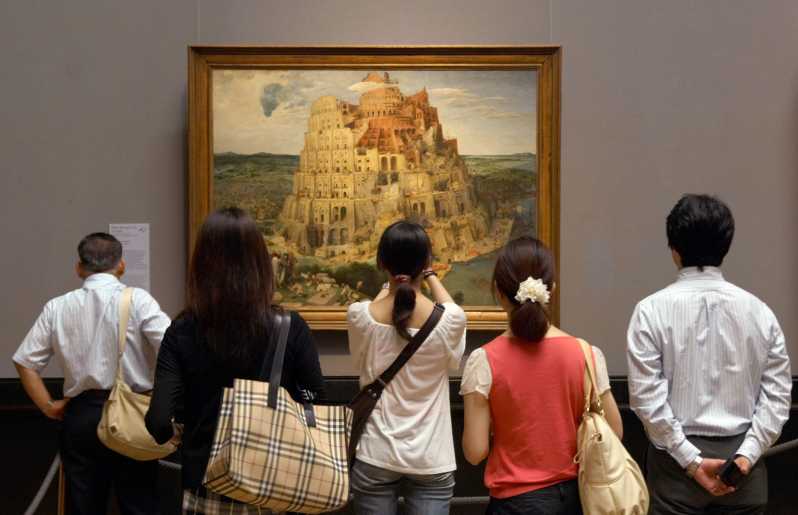
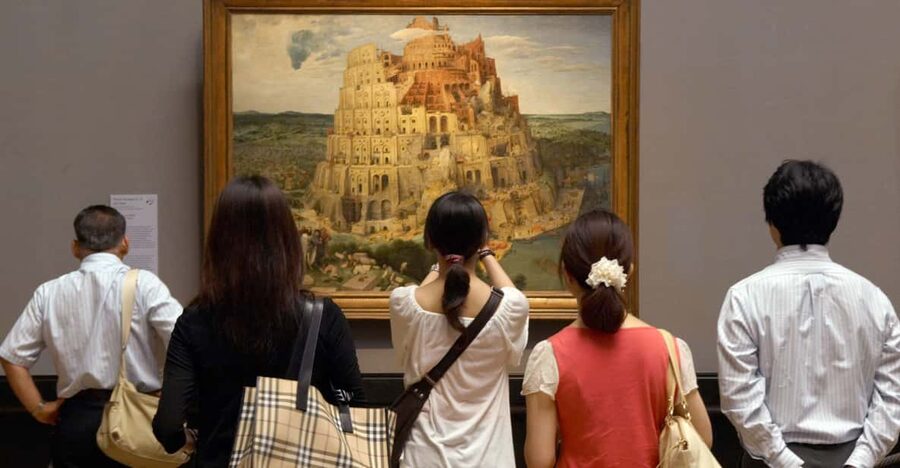
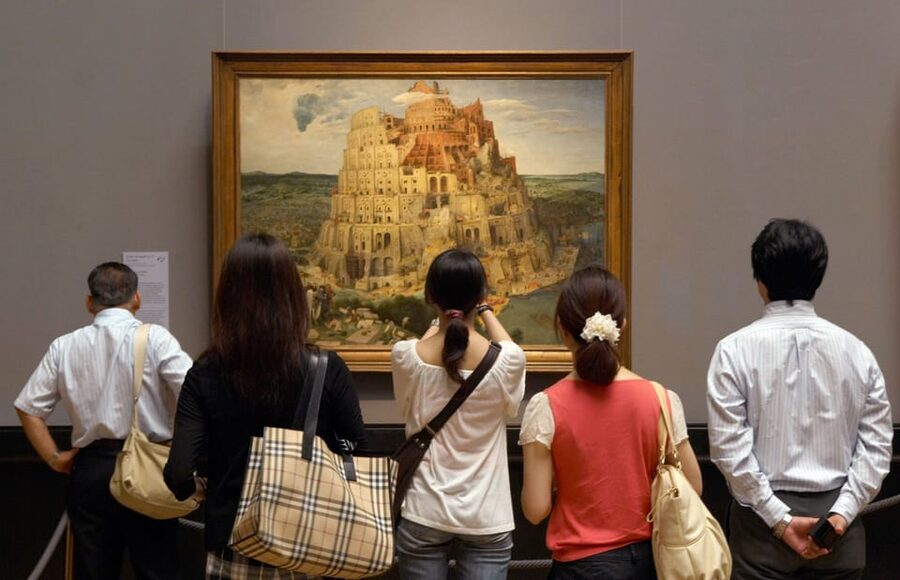
Breughel’s Tower of Babel is one of the clearest examples. Its busy scene rewards a slow look, and a guide can direct your eyes toward the small human details that are easy to miss when you are standing alone in front of a famous painting. It is the sort of work that becomes more interesting once you understand how its many parts fit together.
Vermeer’s The Art of Painting offers a very different mood. The painting’s quiet interior and controlled light benefit from patient explanation. A guide can help you notice the construction of the scene and why Vermeer’s work has such a strong effect despite its calm surface.
Rubens’ Assumption gives the tour a more dramatic turn. Caravaggio’s Crowning with the Thorns brings another kind of intensity, with forceful emotion and stark treatment of the human figures. These paintings are valuable stops because they show how different artists handled movement, faith, power, and physical presence.
The route may also include Durer’s Avarice, Raphael’s Madonna of the Meadow, and a Rembrandt self-portrait. These names alone can make the museum feel like a checklist, but the guide helps prevent that. A good explanation gives each work a reason to stay in your memory.
Availability can change. A painting may be on loan, under restoration, or temporarily unavailable, so no particular work is guaranteed. The listed masterpieces are best treated as likely targets, not promises.
The Kunstkammer: the museum’s stranger side
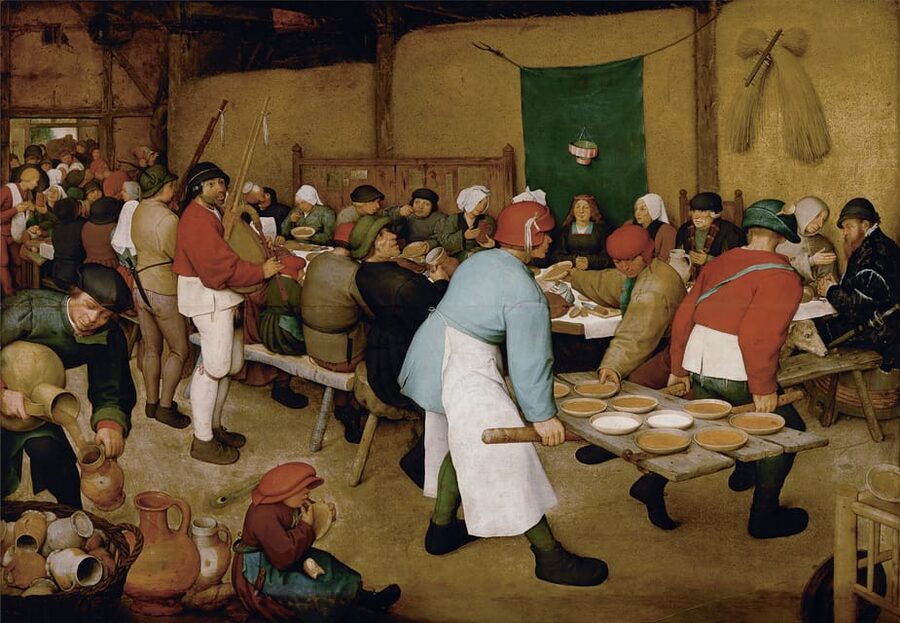
The Kunstkammer is the section that gives this tour its personality. If you only visit the picture gallery, you see the Habsburg taste for painting. In the Kunstkammer, you see their fascination with precious materials, rare objects, craftsmanship, and curiosities.
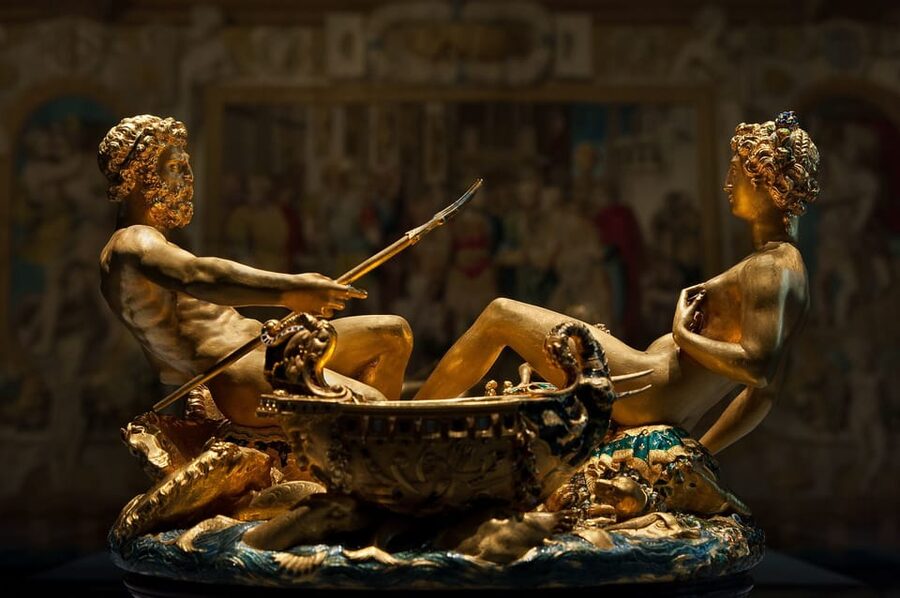
The gold Saliera by Cellini is a major draw. It is an object of luxury and skill, but it also shows how royal collections were designed to impress. The Madonna of Krumau brings a different visual language and helps show the range of the collection.
This part of the tour is especially useful if you tend to lose interest after several rooms of paintings. The objects are smaller, more tactile in appearance, and often stranger than the grand canvases. You might find yourself studying workmanship, materials, and symbolism rather than comparing one painted composition with another.
Several particularly strong guide experiences have been reported in this section. Achim, who is also an artist, brought an artist’s viewpoint to the museum. Dieter was praised for explaining both art history and technical details, while Brenda was noted for mixing humor with solid answers. Those qualities matter in a collection where the objects may be unfamiliar even to people who already know European painting.
The Kunstkammer also helps you understand that royal collecting was not limited to framed art. A palace collection could include devotional pieces, luxury objects, unusual treasures, and items made to display wealth and skill. That wider view is one of the tour’s best features.
What the small group changes
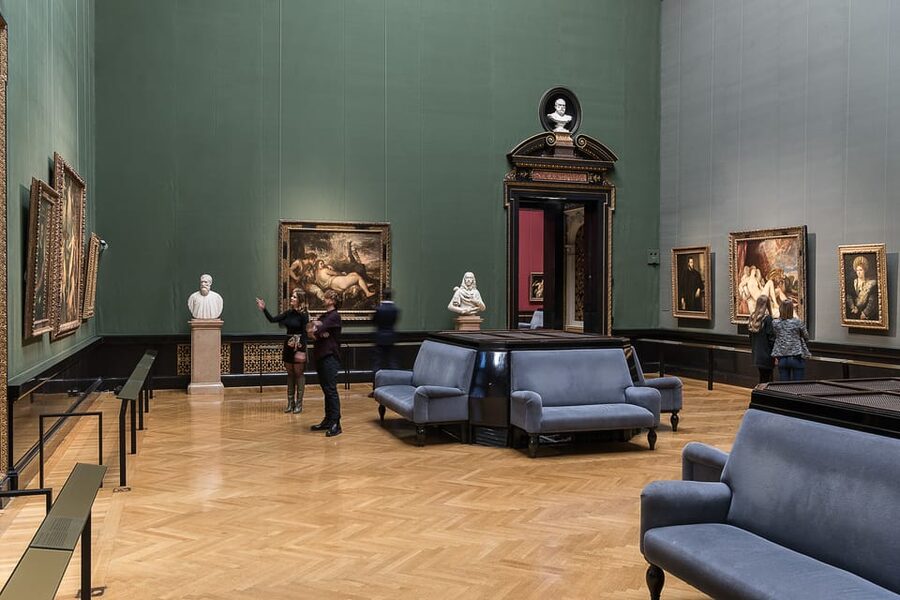
The maximum group size is 15, and that is a meaningful advantage inside a large museum. You can usually hear the guide more easily, stay close to the work being discussed, and ask a question without holding up a long line of people.
The actual group may be smaller. One departure became a private tour for a single participant, and another had only two people. In those cases, the guide could adjust the route around personal interests. That is not guaranteed, since the tour requires at least four participants to operate, but the small-group format creates the possibility of a more personal visit.
The named guides receive strong praise for their teaching style. Tolga was appreciated for making his choices entertaining as well as educational. Cornelia was described as enthusiastic and thorough. Dieter’s ability to answer questions about both historical background and painting technique was a repeated strength.
The guide quality is important because the museum itself does not need help looking impressive. What you are paying for is the ability to understand what you see. A guide who can explain why a particular painting matters, point out details you would miss, and answer follow-up questions adds real value.
Still, personalities differ. A guide may focus more on history, technique, religious subjects, or personal artistic interpretation. If your group is tiny, you may have more influence over the discussion. In a full group, the route will be more set.
A few more trips of this kind worth comparing:
- Vienna: Vivaldi’s Four Seasons Concert in Karlskirche
★ 4.7 · 14,951 reviews - Vienna: Spanish Riding School Training
★ 3.9 · 9,281 reviews - Vienna: Skip-the-cashier-desk-line Giant Ferris Wheel Ride
★ 4.5 · 7,859 reviews - Vienna: Schönbrunn Palace & Gardens Skip-the-Line Tour
★ 4.7 · 7,739 reviews
Is $116 good value for 135 minutes?
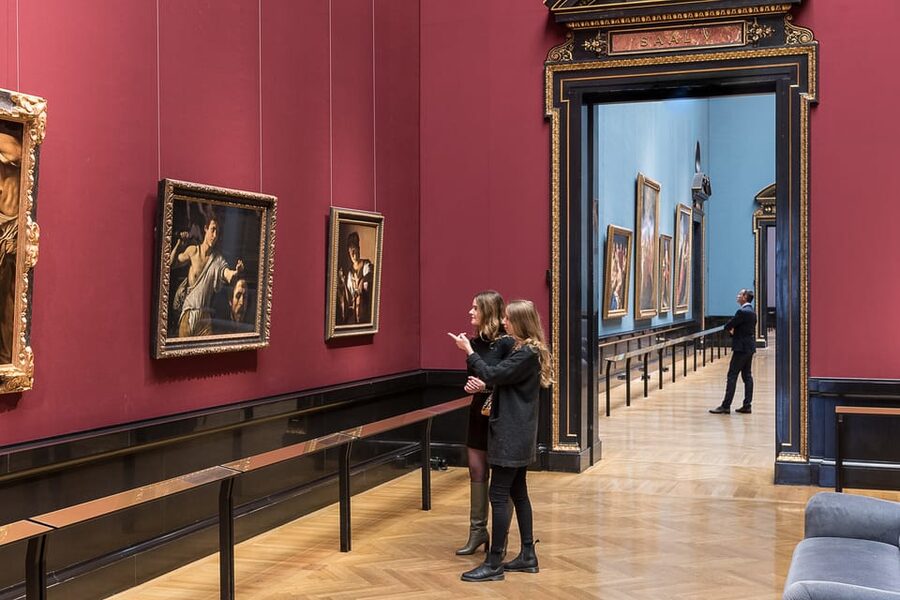
The price is $116 per person, including admission, the small-group tour, the English-speaking guide, and entry fees. That is expensive compared with simply buying a museum ticket and walking through at your own pace.
The value depends on how you use the museum. If you already know the major paintings, enjoy reading wall labels, and prefer complete freedom, the added cost may not make sense. You can spend the rest of your day exploring independently without paying for a guide.
I see stronger value for first-time visitors who want a clear introduction to European art. The Kunsthistorisches Museum is large enough to overwhelm you, and a good guide can save time while giving the famous works context. The cost also includes admission, so you are not paying for a separate guided visit on top of a ticket.
The tour becomes a better deal if you stay afterward. Your guided time covers two key sections, but you are free to continue through the remaining galleries. The ancient Greek, Roman, and Egyptian collections are included in your continued museum visit, while temporary exhibitions are not.
At $116, I would not book this solely for skip-the-line access. The stronger reason is the teaching. You are paying for a focused route, an English-speaking art guide, and the chance to ask questions in a small group.
How to plan the visit without small surprises
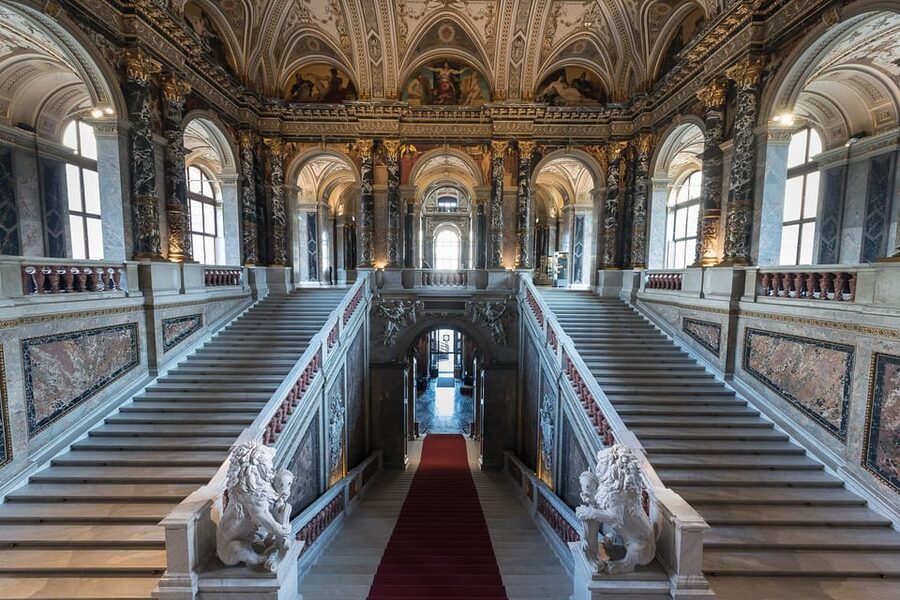
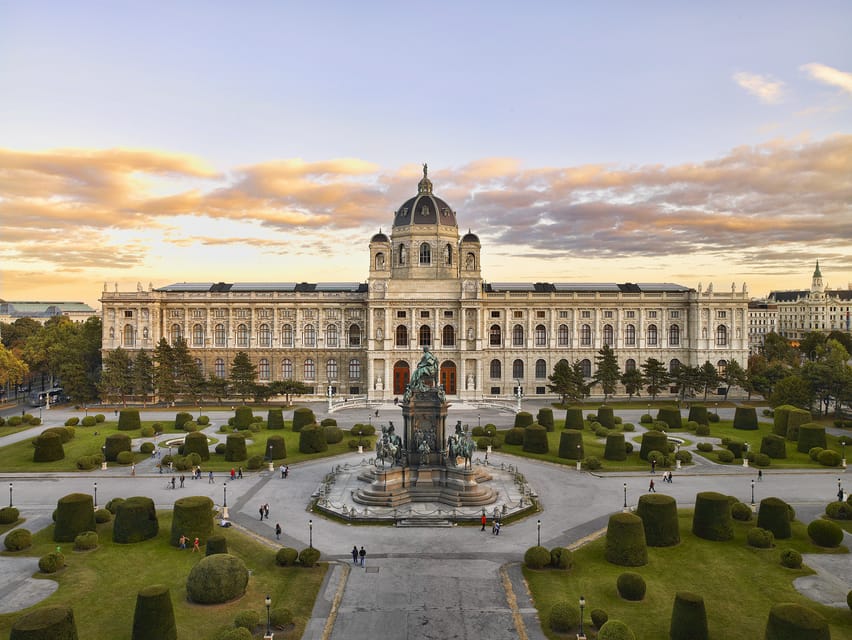
The meeting point is easy to describe but still worth checking carefully. Stand outside the Kunsthistorisches Museum at Maria-Theresien-Platz, 1010 Vienna. Go to the right end of the stairs leading to the entrance, near the group ticket counter called Container 2. The red-white-red Austria Guide badge identifies your guide.
Arrive 15 minutes before departure. Do not cut it close. The tour has a fixed starting time, and you need to locate the guide before the group enters.
The cloakroom rules require a little thought. Umbrellas, backpacks, and raincoats must be left behind and cannot be carried into the museum. Pack lightly and keep important items in a small personal bag that complies with the museum’s rules.
Photography without flash is permitted. That lets you record details for later, though you should still follow any room-specific instructions.
Children from birth through age 18 must bring valid photo identification for the security check. This is an easy requirement to miss when planning a family outing.
The tour is not suitable for people with mobility impairments or wheelchair users. That limitation should guide your decision before booking. The minimum operating requirement is four participants. If that number is not reached, you are offered another date or a full refund.
Cancellation is flexible up to 24 hours before the start time, when a full refund is available. You can also reserve now and pay later, which helps if your Vienna schedule is still moving around.
Who will enjoy this museum tour most?
I would choose this tour for a first visit to Vienna, especially if the names Breughel, Vermeer, Rubens, and Caravaggio sound familiar but you want help seeing beyond the label.
It also suits couples or friends with different levels of art interest. The guide can provide enough context for a beginner without forcing an experienced art lover to rely only on a printed description. The Kunstkammer helps keep the route varied.
You should think twice if you prefer to spend an entire day moving at your own pace. The guided portion visits selected works, not every room. You may also find the price hard to justify if your schedule allows only a quick museum stop.
For serious art lovers, the tour works best as an introduction rather than a complete visit. Stay afterward and use the remaining time for the galleries that were not part of the guided route. That combination gives you both direction and freedom.
My verdict on the Kunsthistorisches Museum tour
I would book this if you want the museum’s major works to make sense rather than simply pass before your eyes. The strongest parts are the small group, the quality of the guides, and the decision to include the Kunstkammer alongside the great paintings.
The price is the clear drawback. You are paying far more than admission alone, and 135 minutes will not cover the whole museum. But the cost is easier to defend if you stay afterward, ask questions, and value a guide who can connect technique, history, and visual detail.
Book it for an informed introduction to Vienna’s Habsburg art collection. Skip it if you want a cheap, self-directed museum visit or need full wheelchair access. For everyone in between, this is a focused way to meet the museum’s biggest names and a few of its oddest treasures in one well-paced visit.
FAQ
How long does the guided tour last?
The tour lasts 135 minutes, or approximately two hours and 15 minutes.
What language is the tour conducted in?
The live guided tour is conducted in English.
How large is the tour group?
The group never exceeds 15 participants. It may be smaller, and some departures have operated with only one or two people.
What parts of the museum does the tour visit?
The route focuses on the picture gallery and the Kunstkammer exhibition.
Which artworks might be included?
Potential highlights include Breughel’s Tower of Babel, Vermeer’s The Art of Painting, Rubens’ Assumption, Caravaggio’s Crowning with the Thorns, Durer’s Avarice, Raphael’s Madonna of the Meadow, and a Rembrandt self-portrait. Availability can change if a work is on loan or being restored.
Can I stay in the museum after the tour?
Yes. After the guided portion, you are free to continue exploring the remaining museum collections, including ancient Greek, Roman, and Egyptian art.
Are temporary exhibitions included?
No. Temporary exhibitions are not included in the tour.
Where do I meet the guide?
Meet outside the Kunsthistorisches Museum Wien at Maria-Theresien-Platz, at the right end of the stairs leading to the entrance, beside the group ticket counter marked Container 2. The guide wears a red-white-red Austria Guide badge.
What should I know about entry and belongings?
Arrive at least 15 minutes early. Umbrellas, backpacks, and raincoats must be left in the cloakroom. Visitors aged 0 to 18 must bring valid photo identification for the security check. Photos without flash are permitted.
Just added around Vienna
- Mobile puzzle rally tour at the Vienna Central Cemetery★ 4.5 · 3 reviews
- 8 days European Highlights PRIVATE TOUR from Budapest including Budapest Vienna Prague and Bratislava★ 5.0 · 3 reviews
- RAXI (E-Rickschaw) big private Vienna tour★ 4.5 · 3 reviews
- Private Transfer from Vienna to Prague with 1 hour Stop in Kutna Hora★ 4.5 · 3 reviews
- Private Tour from Vienna to Melk and Dürnstein★ 4.5 · 3 reviews
- Vienna: Designer Fashion Time Capsule Experience★ 5.0 · 3 reviews
- Palais Lobkowitz Audio Guide Tour★ 4.0 · 3 reviews
- Vienna Sight & Gourmet Tour – individual private tour★ 4.5 · 3 reviews
Museums, compared.

Skip-the-Line Sisi Museum, Hofburg and Gardens Tour
Read our review →
Vienna Kunsthistorisches Museum Day Admission Ticket
Read our review →

Chocolate Workshop in Chocolate Museum w/ Tasting
Read our review →

St. Stephen’s Cathedral & Dom Museum Wien Tickets
Read our review →

Browse the lists this tour appears in