
Reviewed · HOFBURG & IMPERIAL PALACES
Vienna: New Hofburg Palace Audio-Guided Tour & Entry Ticket
Royal power, armor, and music meet here. The New Hofburg Palace audio-guided tour gives you a focused look at the Habsburg dynasty through its former residence, the Imperial Armoury, and the Collection of Historic Musical Instruments. I especially like the Mozart fortepiano and the audio guide’s clear account of the family, from its medieval founders to Empress Sisi. The many-language choice, including Czech, Japanese, Korean, and Chinese, is another strong point.
The main catch is scope. One hour is enough for a useful visit, but not for every part of the New Hofburg and its included collections. If armor and old instruments are not high on your list, the displays may feel less remarkable than the grand exterior and staircases. The audio guide is the key to getting your money’s worth.
- Mozart’s fortepiano: See an instrument once played by Wolfgang Amadeus Mozart.
- Imperial Armoury: Examine costly suits of armor and historic weapons linked to royal power.
- Habsburg family story: Follow the dynasty from the late Middle Ages to the modern era.
- Historic musical instruments: Connect Vienna’s musical past with its courtly traditions.
- Nine audio languages: Choose German, English, French, Hungarian, Italian, Japanese, Chinese, Korean, or Czech.
- Central meeting point: Enter at the Weltmuseum Wien on Heldenplatz.
In This Review
- The New Hofburg on Heldenplatz
- How the Audio Guide Shapes the Visit
- The Habsburg Story, From Medieval Rulers to Sisi
- The Imperial Armoury and Its Costly Suits
- The Collection of Historic Musical Instruments
- The Palace Rooms and Royal Setting
- Is $27 Good Value for One Hour?
- Who Will Get the Most From This Visit?
- Booking Flexibility and Practical Planning
- Should You Book the New Hofburg Audio Tour?
- FAQ
- Where does the New Hofburg Palace tour begin?
- How long does the activity last?
- Is a live guide included?
- Which collections are included?
- Which audio guide languages are available?
- Is the tour wheelchair accessible?
- Can I see a fortepiano connected with Mozart?
- Is there an object connected with Joseph Haydn?
- Can I cancel for a refund?
- Do I have to pay when I book?
The New Hofburg on Heldenplatz
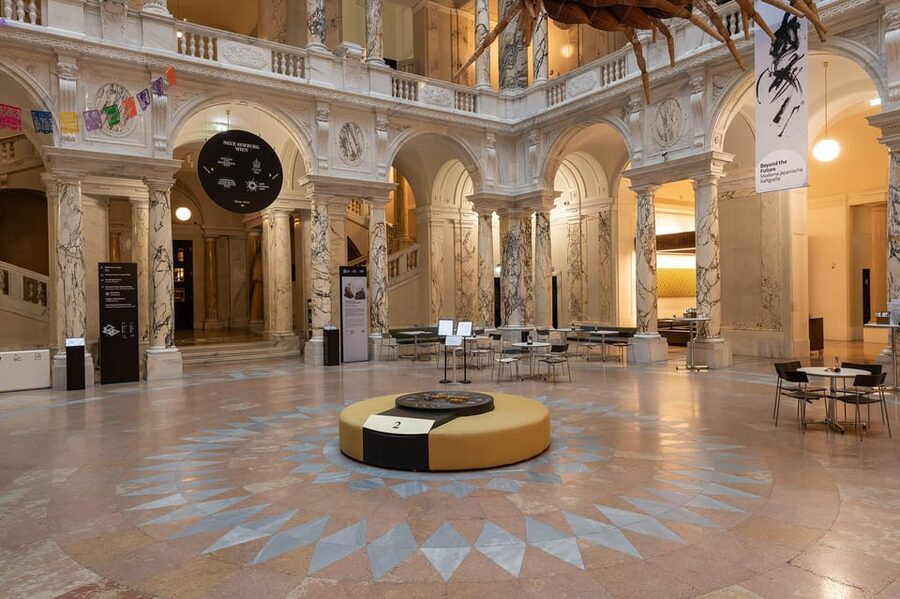
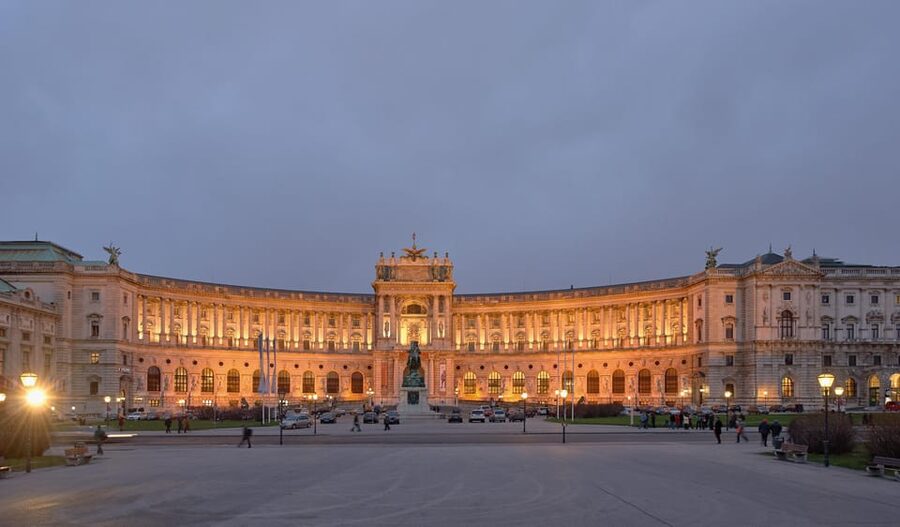
Your visit begins at the entrance to the Weltmuseum Wien, facing Heldenplatz. This puts you at the newest wing of the Vienna Hofburg, a palace complex shaped by centuries of Habsburg rule.
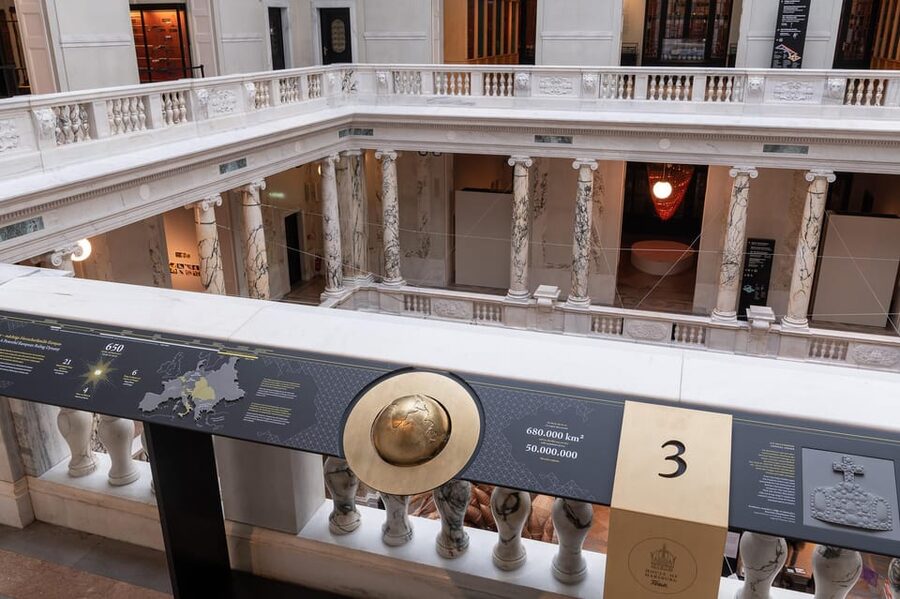
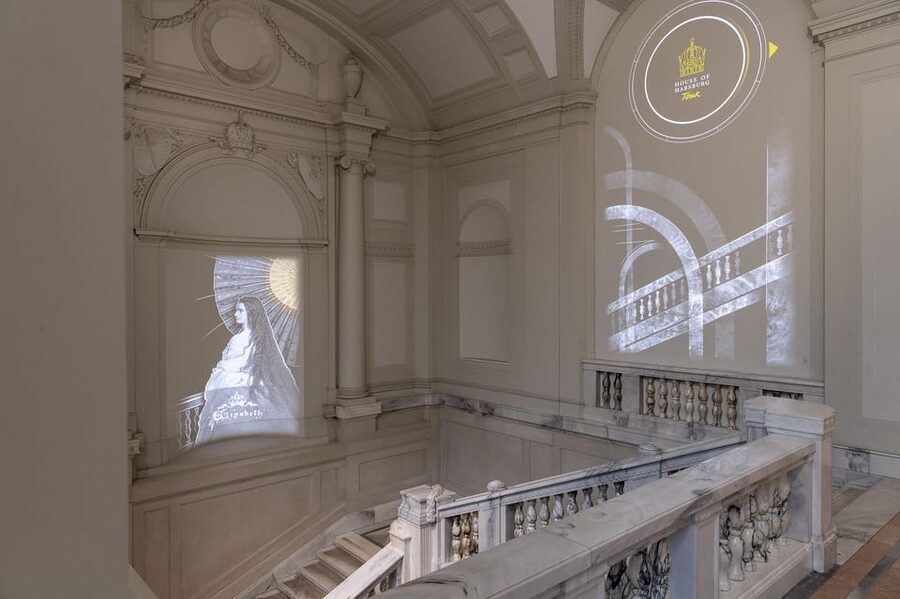
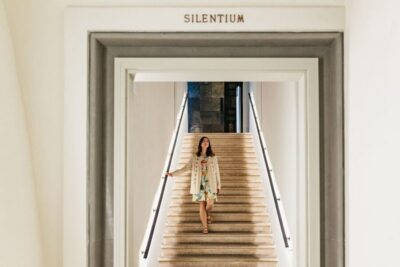
The New Hofburg is not simply a grand shell around museum cases. Its architecture helps explain the setting. Wide staircases, ornate interiors, and formal rooms reflect the scale and ceremony of an imperial residence. One particularly useful detail from the visit is the staircases themselves. They are easy to overlook when you are concentrating on the collections, but they help you feel the difference between an ordinary museum and a building designed for royalty.
I recommend looking up and around before rushing to the first exhibit. The architecture gives you a sense of how the Habsburg court wanted power to appear: formal, expensive, and carefully arranged.
The entrance is at the Weltmuseum Wien, and entry includes the Weltmuseum Wien, the Collection of Old Musical Instruments, and the Imperial Armoury. That wider access matters when you are deciding how much time to allow. The advertised audio route takes about one hour, but the building and collections can occupy far longer if you read labels and explore at a slower pace.
How the Audio Guide Shapes the Visit
This is a self-guided visit, not a live walking tour. You move through the palace and exhibitions at your own speed while listening to explanations about the Habsburg family, its customs, and its political reach.
I find this format especially useful here because the objects do not always explain themselves. A suit of armor can be impressive, but the audio adds the family and political setting behind it. An old instrument becomes more interesting when you understand its link to court music and Vienna’s cultural life.
The guide follows the collection in a way that lets you combine objects with dynastic history. You can look at armor while hearing about the Habsburgs’ founders, then shift to musical instruments and the court’s artistic traditions. That connection is one of the best reasons to choose the audio option rather than simply walking through the rooms.
The audio guide is available in:
- German
- English
- French
- Hungarian
- Italian
- Japanese
- Chinese
- Korean
- Czech
The Czech option is an important practical advantage for Czech-speaking families and groups. You also avoid the problem of trying to translate a complicated royal family tree while standing in front of the displays.
There is one small usability issue. The numbers for the audio stops may not always be clear, so take a moment to match the guide with the exhibits before moving on. The route is generally easy to follow, but the signs could do a better job pointing you to the correct number.
More Attraction Tickets in Vienna
- Vienna: Classic Ensemble Vienna in St. Peter’s Church Ticket
★ 4.7 · 4,819 reviews - Vienna Kunsthistorisches Museum Day Admission Ticket
★ 4.6 · 3,690 reviews - Vienna: Tickets for Mozarthaus Vienna with Audio Guide
★ 4.2 · 2,344 reviews
The Habsburg Story, From Medieval Rulers to Sisi
The central subject is the House of Habsburg, one of Europe’s most powerful dynasties. The audio presentation reaches from the late Middle Ages into the modern era, covering the family’s founding figures, traditions, and royal life.
You do not need to arrive as a Habsburg expert. In fact, the tour works best when you let the narration build the story as you go. The family’s long rule can become confusing because names, marriages, titles, and territories overlap. The audio gives you a thread to follow while the objects provide visual pauses.
The story also helps explain the contrast between Spanish and Austrian branches of the throne. That political connection is easy to miss if you only look at the palace decoration. Here, the material culture and spoken history work together to show how family ties, royal marriages, and court traditions helped maintain power.
Empress Sisi appears as part of the wider Habsburg story. She is familiar to many people who visit Vienna, but this visit places her within the dynasty rather than treating her as an isolated celebrity. I prefer that approach because it gives you a broader view of the family and its long period of influence.
The audio guide also discusses traditions, not just dates. That helps explain why the palace rooms, armor, and music collections belong together. Each part shows a different side of court life: authority, ceremony, wealth, and culture.
The Imperial Armoury and Its Costly Suits
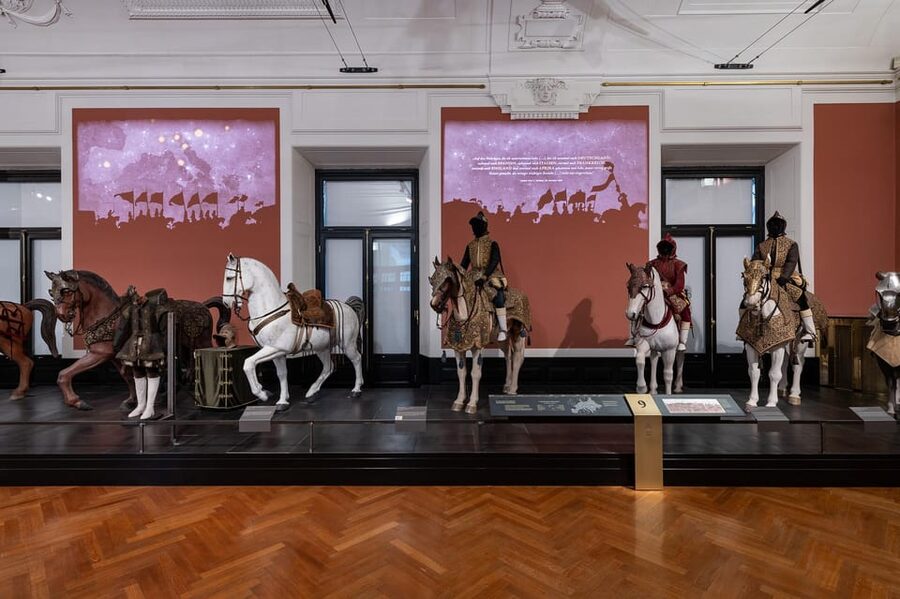
The Imperial Armoury is one of the main collections included with admission. It contains suits of armor and weapons, with displays that show the money and skill invested in protecting and presenting rulers.
I like the armor collection most when I treat it as a record of status as well as warfare. These were not merely practical objects. Their materials, decoration, and presentation also showed the power of the people who owned them.
The displays give you a visual measure of royal wealth. Armor is heavy, technical, and built for a serious purpose, yet the collection also has a polished courtly quality. You can listen to the Habsburg story while looking at the objects, which makes the collection more meaningful than a simple line of metal figures.
Still, you should set your expectations correctly. The armor is a major part of the visit, and some of the exhibition can feel like an extended display of suits and weapons. If you are not interested in military objects, you may find yourself moving through this section quickly.
That is not a reason to skip the palace. It is a reason to use the one-hour visit wisely. Let the audio tell you which pieces matter, then spend extra time on the objects that catch your eye. You do not need to study every suit to understand the point of the collection.
The Collection of Historic Musical Instruments
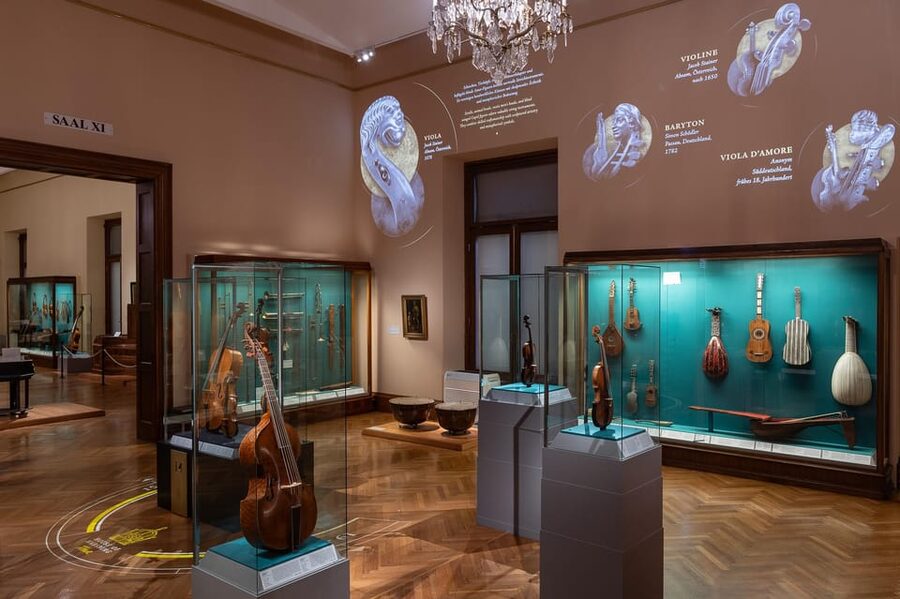
The musical instruments section provides a welcome change of pace from the armor. It links the palace to Vienna’s long musical tradition and shows how important music was within court culture.
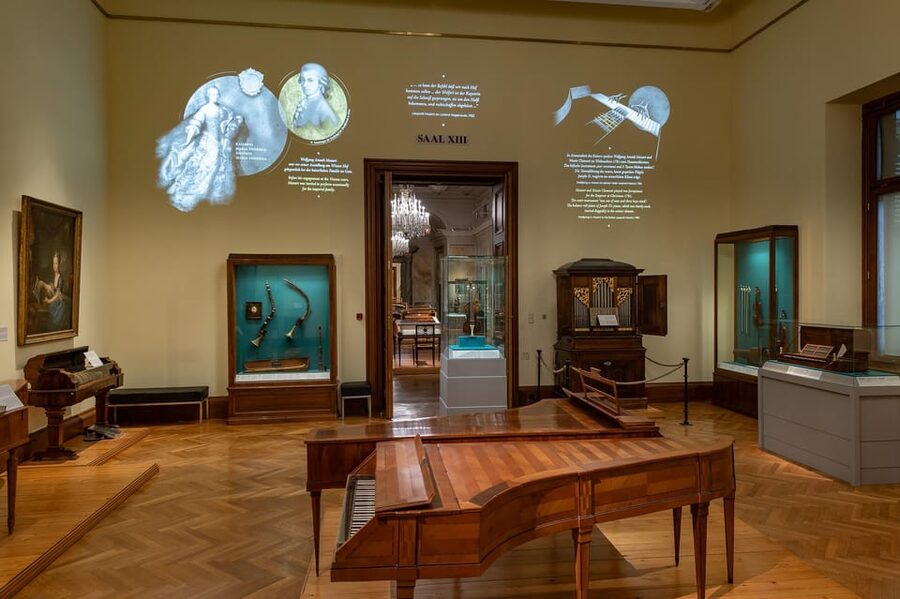
The strongest object for many visitors is the fortepiano once played by Mozart. That connection gives the collection a personal quality. You are not only looking at an old keyboard instrument; you are looking at an object tied to one of Vienna’s best-known composers.
The collection also includes the only wax bust showing Joseph Haydn as he appeared in life. That is an unusual detail, and it gives the instrument displays a human focus. Haydn and Mozart are not simply names from a music textbook here. Their presence connects the collection to real people who shaped Vienna’s musical identity.
The audio guide includes music, and this can add atmosphere as you move through the exhibition. Some pieces may feel longer than needed, especially if you are eager to reach the next display. I would treat the music as part of the mood rather than something you must listen to in full every time.
For music lovers, this section may be the highlight. The collection shows how instruments, composers, and royal culture came together. For everyone else, Mozart’s fortepiano and the Haydn bust provide clear reasons to slow down, even if antique instruments are not your main interest.
More Self-Guided Tours in Vienna
- Vienna: Schlumberger Wine Cellar Guided or Self-Guided Tour
★ 4.8 · 285 reviews - Vienna: Scavenger Hunt Self-Guided Tour
★ 4.7 · 83 reviews - Vienna: The Great Plague Exploration Game
★ 4.5 · 60 reviews - Vienna Walking Tour with Audioguide on Your Smartphone
★ 4.0 · 52 reviews
The Palace Rooms and Royal Setting
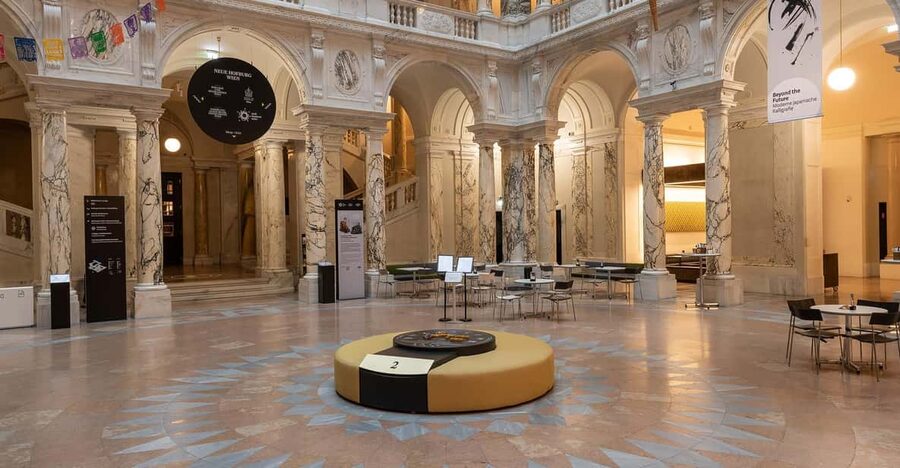
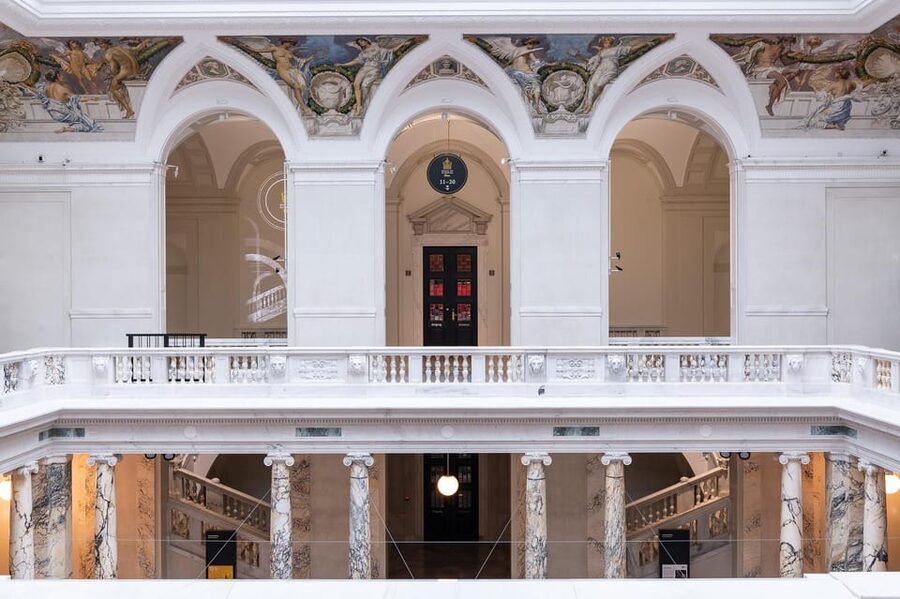
The palace interiors give the visit its sense of ceremony. You move through elegant rooms designed for royalty, with ornate details and formal spaces that make the Habsburg story feel less abstract.
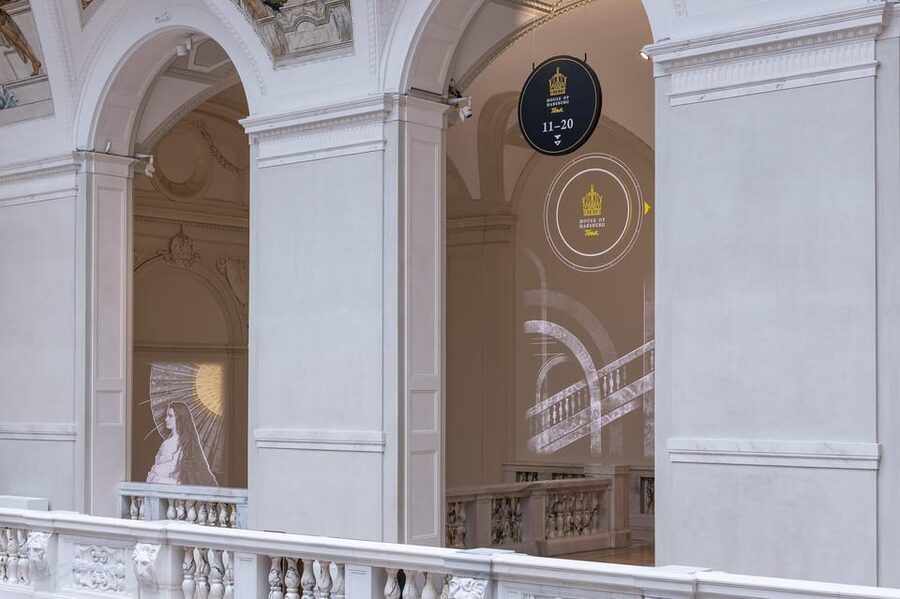
I recommend allowing time to notice the building between audio stops. The grand staircases are especially memorable, and the architecture may appeal to you even if you pass through some cases quickly. The New Hofburg’s design is part of the experience, not just a container for exhibits.
The rooms also make the collections easier to understand. Armor, music, and dynastic traditions had a setting designed to impress. Their placement inside the Hofburg shows how the court combined political authority with ceremony and culture.
The building can be warm. If you are visiting on a hot day, the indoor temperature may affect your comfort, particularly if you plan to stay for several hours. For a one-hour route, this is manageable, but it is another reason to plan your pace rather than attempting every included area in one rush.
Is $27 Good Value for One Hour?
At $27 per person, this is not the cheapest museum stop in Vienna. The value depends on how much you want from the included collections and how actively you use the audio guide.
The price covers entry to the New Hofburg Palace, the Weltmuseum Wien, the Collection of Old Musical Instruments, and the Imperial Armoury, plus the audio guide. That is a stronger deal than paying simply to enter a decorated palace and take a few photographs.
I think the price works well for three types of visitors. First, it suits anyone who wants a structured introduction to the Habsburgs. Second, it works for people interested in armor, weapons, Mozart, Haydn, or court music. Third, it is useful if you value the freedom to pause and move at your own speed.
The value is weaker if you only want palace architecture. You can admire the outside and move through the building, but the collections account for much of what you are paying for. If your main interests are armor and old musical instruments, $27 buys a focused cultural visit. If those subjects leave you cold, the admission may feel high for the time you spend inside.
One hour is a good minimum. It lets you follow the audio and gain a clear sense of the Habsburg story. If you want to see everything carefully, allow much longer. One visitor found that a full day was needed for the whole place, which makes sense if you explore the included museums in detail rather than following only the short route.
Who Will Get the Most From This Visit?
I would choose this experience for a first visit to Vienna if you want background on the Habsburgs without committing to a long live tour. The audio guide gives you structure, while the self-guided format lets you stop when something interests you.
It is also a good choice for families or mixed-interest groups. One person can focus on armor, another on music, and everyone can listen in the language that suits them. The Czech language option is particularly helpful for groups that would struggle with English.
History fans will appreciate the family story, including the connection between the Spanish and Austrian thrones. Music lovers should make time for the fortepiano linked to Mozart and the wax bust of Haydn. Architecture fans may find the palace rooms and staircases more memorable than the individual cases.
I would be more cautious if you have only a short time in Vienna and are not interested in the Habsburgs, weapons, or musical instruments. In that case, the exterior may provide enough palace atmosphere, while your museum time could be better spent elsewhere.
The site is wheelchair accessible, which makes it a practical choice for many visitors. Entry is at the Weltmuseum Wien on Heldenplatz, so check your starting time before arriving. The activity lasts one hour, and availability varies by time slot.
Booking Flexibility and Practical Planning
You can cancel up to 24 hours in advance for a full refund. The reserve-now, pay-later option also lets you hold a place without paying immediately, which is useful when your Vienna schedule is still changing.
I would book this ahead if you want a particular starting time or need one of the less commonly used audio languages. The activity is not a live group tour, so you do not need to worry about keeping up with a guide’s pace. You can focus on the exhibits and pause when the narration raises a question.
Before entering, decide if you want a quick one-hour overview or a longer museum visit. That simple choice changes the value of the ticket. For a short visit, follow the audio stops in order. For a longer visit, plan to return your attention to the palace architecture, music collection, and displays that interest you most.
Should You Book the New Hofburg Audio Tour?
Book it if you want a clear Habsburg introduction, enjoy self-guided museums, or have a real interest in armor, court music, Mozart, or Vienna’s royal interiors. The audio guide is the heart of the experience, and the choice of nine languages makes it accessible to a wide range of visitors.
I would skip it if you only want a quick look at palace rooms or if a one-hour museum visit feels too narrow for your interests. The displays are solid, but the audio storytelling and the building’s connection to the Habsburg family provide the strongest reasons to go.
For most history-minded visitors, $27 is fair because it includes several collections rather than a single room. Give yourself at least an hour, and more if you want to see the New Hofburg properly. The best approach is simple: arrive at Heldenplatz, get your audio guide working, and let the palace’s objects explain the family that once ruled from here.
FAQ
Where does the New Hofburg Palace tour begin?
The entrance is at the Weltmuseum Wien on Heldenplatz in Vienna.
How long does the activity last?
The stated duration is one hour. You may need much longer if you want to explore all the included collections carefully.
Is a live guide included?
No. The experience includes an audio guide rather than a live tour guide.
Which collections are included?
Admission includes the Weltmuseum Wien, the Collection of Old Musical Instruments, and the Imperial Armoury.
Which audio guide languages are available?
The audio guide is available in German, English, French, Hungarian, Italian, Japanese, Chinese, Korean, and Czech.
Is the tour wheelchair accessible?
Yes, the activity is wheelchair accessible.
Can I see a fortepiano connected with Mozart?
Yes. The Collection of Historic Musical Instruments includes a fortepiano once played by Mozart.
Is there an object connected with Joseph Haydn?
Yes. The collection includes the only wax bust showing Joseph Haydn as he appeared in life.
Can I cancel for a refund?
You can cancel up to 24 hours in advance for a full refund.
Do I have to pay when I book?
No. The reserve-now, pay-later option lets you book without paying immediately.
More Self-Guided Tours
- Vienna: Self-Guided Audio Walking Tour on Your Phone
★ 3.8 · 33 reviews - The Heart of Vienna: A Self-Guided Audio Tour
★ 4.0 · 29 reviews - Vienna’s Old Town and Attractions Self-Guided Tour Booklet
★ 4.3 · 14 reviews - Vienna: Freud, Mozart & Beethoven Exploration Game
★ 4.0 · 14 reviews
More Hofburg and Imperial Palace Visits
- Vienna: Skip-the-Line Sisi Museum, Hofburg and Gardens Tour
★ 4.8 · 5,918 reviews - Tickets for the Albertina Exhibitions
★ 4.7 · 2,126 reviews - Vienna: Imperial Treasury in the Hofburg Palace
★ 4.4 · 1,791 reviews - Vienna: Imperial Crypt Entrance Ticket
★ 4.6 · 1,507 reviews
Just added around Vienna
- Mobile puzzle rally tour at the Vienna Central Cemetery★ 4.5 · 3 reviews
- RAXI (E-Rickschaw) big private Vienna tour★ 4.5 · 3 reviews
- 8 days European Highlights PRIVATE TOUR from Budapest including Budapest Vienna Prague and Bratislava★ 5.0 · 3 reviews
- Private Transfer from Vienna to Prague with 1 hour Stop in Kutna Hora★ 4.5 · 3 reviews
- Palais Lobkowitz Audio Guide Tour★ 4.0 · 3 reviews
- Private Tour from Vienna to Melk and Dürnstein★ 4.5 · 3 reviews
- Vienna: Designer Fashion Time Capsule Experience★ 5.0 · 3 reviews
- Private day trip from Munich to Eagle’s Nest & Hallstatt★ 4.7 · 3 reviews
Hofburg & Imperial Palaces, compared.

Skip-the-Line Sisi Museum, Hofburg and Gardens Tour
Read our review →

Entry Ticket Upper Belvedere, Klimt’s Kiss & Permanent Collection
Read our review →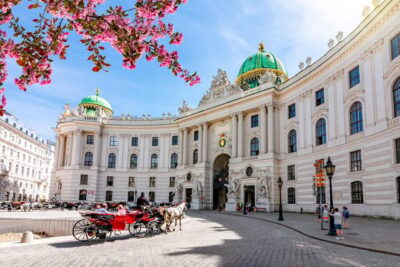
Skip-the-Line Hofburg and Empress Sisi Museum Tour
Read our review →
Combo Ticket: Kunsthistorisches Museum & Imperial Treasury
Read our review →Browse the lists this tour appears in